





Today we’d like to introduce you to Stephanie Mahan Stigliano.
Stephanie, please kick things off for us by telling us about yourself and your journey so far.
As a child I wanted to become a princess, a ballerina or an artist. Fortunately I chose to be an artist, one of the few professions in which one can grow old gracefully, have fun every day and get messy. Some have said I lack focus in my artwork; but if you can’t do what you want as an artist, what is the point? That is why I make art. I am the boss! I follow whatever idea interests me at the moment and use whatever techniques and materials feel appropriate.
Throughout my career I had many art-related jobs that supported my studio artwork. As a jeweler I made costume pieces out of straw and snakeskin for Red Cobra, Inc., and custom pieces out of gold for engaged couples in my own studio. I painted thousands of teddy bears on lampshades for Southern Shade Crafters, arranged swags of flowers on chandeliers for Fluerish, and sprayed fake snow on holiday arrangements at a florist in East Boston. I have drawn portraits of children, horses, dogs and cats; I spent countless hours drawing the human figure. I enjoy the process of making things, whether it is an oil painting, a print, a drawing or an artist’s book. I taught all different kinds of art classes from North Carolina to Maine, and made and exhibited artwork in Iceland, Italy, Poland, Greece, and Tanzania. Other than making art, teaching art is my favorite job because I share what I love to do and witness the birth of creative spirit in my students.
Can you give our readers some background on your art?
After experimenting with many materials and ways of working, I found the most success with making artist’s books and prints. I have discovered I like everything about the process of making books: the materials, which can include anything from plaster to bottle caps; the scale (hand-held and intimate); the use of narrative in the turning of pages and the illustrations; the sense that one object can connect people. I wrote and illustrated my first book at six: “The Magic Rose, It grows and grows, they tried and tried, but they couldn’t cut it down, He died on it.” (I went to Catholic school.)
As difficult as it was, I enjoyed working in metal, but the idea of making personal adornment with precious metals was limiting for me. I transferred the techniques I was already using, such as etching and roller printing and applied them in book and print formats. Each printmaking method offered me a new set of challenges and possibilities in line, texture, and light and shadow. There is something rewarding about the physicality of carving a line, mixing different colors of ink, and the challenging process of layering imagery to build a composite image.
Making multiples in both prints and books enables me to reach a wider audience and create affordable art. The democratic history of printmaking appeals to me—spreading a message in text and image.
Most of what I do relates directly to my immediate surroundings, and often includes nature and the figure. I find inspiration all around me. The book “Temporary Passage” was inspired by the death of my mother and the belongings she left behind. The three-color linocut, “Julia Waiting for Midnight,” was developed from my drawing of a friend on New Year’s Eve; the idea for the woodcut/screen print “Garden Goddess,” was born when I saw my neighbor wearing a long gown while watering her garden. The etching “Lichen Doily” and the drawing “Poison Flower” were based on finds from my daily walks.
How do you think about success, as an artist, and what do quality do you feel is most helpful?
Success can come in many forms. For me, I seek balance between personal and public life, making art and making money to support my family, having fun and working hard—ideally these go together, especially when I am making art or teaching. Finding a healthy, meaningful and fulfilling way to spend one’s time that also enriches the lives of others, that is what I strive for on a daily basis.
Teaching is a rewarding way to share creative energy. At Walnut Hill School for the Arts, Natick, MA, where I have taught Books as Art and Printmaking for 11 years, I include collaborative projects for my students and students from the Creative Writing department. The school awarded me a grant to travel to Iceland; Anna Snædís Sigmarsdottír and I organized a print exchange between students from the two countries. I also teach in the Visual Arts department of Pine Manor College, Chestnut Hill, MA. Designing projects and helping students find their own artistic voice strengthens my own practice. At both schools, I am pleased to have students from all over the planet; the diverse student body gives me a broader outlook. Teaching visual art helps bridge many communication difficulties and leads us to creative solutions.
Farther from home, I raised funds, delivered supplies to, and led workshops at the women’s collective of the Hurumzi Henna Art Gallery in Zanzibar. On the same trip to Tanzania I collaborated with middle-school students at Tumaini Junior School in Karatu. We worked together to design and paint a mural of a boy reading by a tree alongside a capering monkey.
During the summers of 2012 and 2013, I traveled to Poland with Handshouse Studios of Norwell, MA where I served as faculty on a project to recreate a 17th century wooden synagogue using traditional techniques. This exhibit is now on display at Polin, the Museum of the History of Polish Jews in Warsaw. I contributed three artist’s books to Al-Mutanabbi Street Starts Here. I repurposed my collection of old family postcards, painted and printed on them and stitched them together with feathers, stamps and ribbons. I served as the East Coast Coordinator for the next phase of the project, organizing 60 printmakers to contribute to Absence and Presence. Both of these projects asked artists to respond to the bombing of the literary district in Baghdad, Iraq. These prints and books continue to be exhibited nationally and internationally.
I like to give back to my local community of Malden, where I have raised two children and lived for twenty-five years. I volunteered for Malden Access Television as a video co-producer and co-editor of Gallery Spotlight, and designed the MATV newsletter. Malden celebrated local artists in Windows Art Malden; I exhibited my art in storefront windows for all 10 years of this community project. The Sketch Group of Malden offers open figure drawing sessions and I have participated on and off for many years. I am a long-time member of The Boston Printmakers and served time as a board member and as the editor of The Boston Printmakers Quarterly and the monthly publication Member News. Recently my husband and I taught workshops at Treehouse Foundation, a multi-generational community to support foster children in East Hampton, MA.
All of the above mentioned projects were created by enthusiastic and dedicated activists; in each I was one part of a greater collective effort. Being part of a working group of artists builds a positive energy and together we are able to accomplish more than in isolation. Managing solitary studio time and group activities such as teaching or volunteering helps me find balance.
What’s the best way for someone to check out your work and provide support?
I add new work to my website periodically (http://stephaniemahanstigliano.com). My prints and artist’s books are included in many collections, notably The Widener Library, The Houghton Library and The Fogg Museum of Harvard University; The William Morris Hunt Collection of the Museum of Fine Arts Boston, and The Book Arts Museum of Łodz, Poland. I exhibit at Gallery Blink in Lexington and I like to exhibit locally, especially at libraries; accessibility is important to me. I like the idea of a cultural center that is open to the general public.
I exhibit with The Boston Printmakers; we often plan exhibits for members in addition to our North American Print Biennial. Through the Malden Switchbox Project, I painted two switchboxes in Malden, “Trees” (in collaboration with my son who was 13 at the time) at Highland and Route 60 and “Coffee,” 100 Charles Street. I am currently participating in Lunch Box Prints, a program in which I contribute an edition of ten prints and receive a mixed portfolio of ten prints in exchange. I participated in “The Charles River Alphabet Prints” portfolio, in which I was one of 26 artists to create a linocut inspired by scenes from the Charles River. The completed collection can be found at The Boston Athenaeum and the Marriot Hotel in Watertown, MA.
Contact Info:
- Website: http://stephaniemahanstigliano.com
- Email: stephaniestigliano@gmail.com
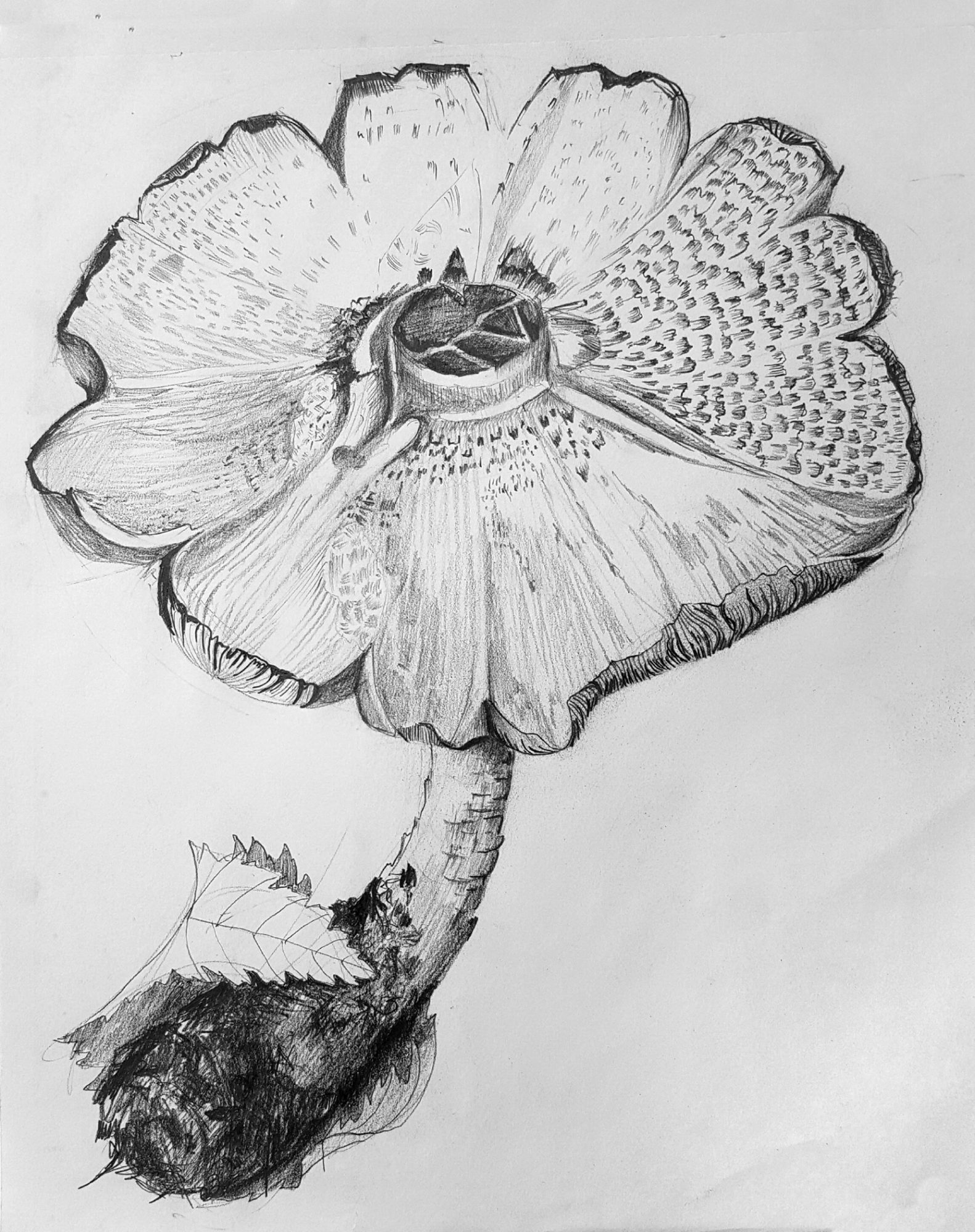
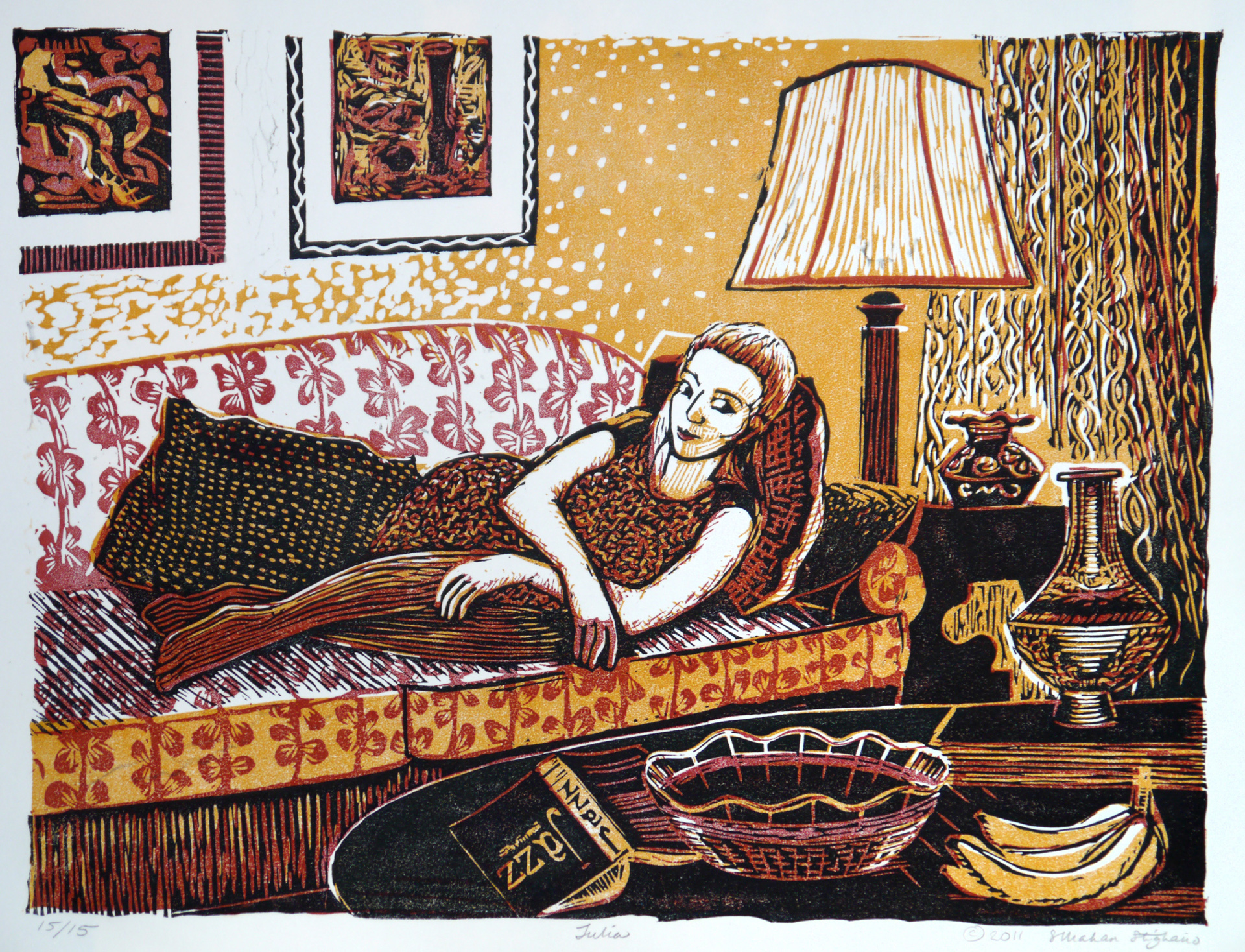
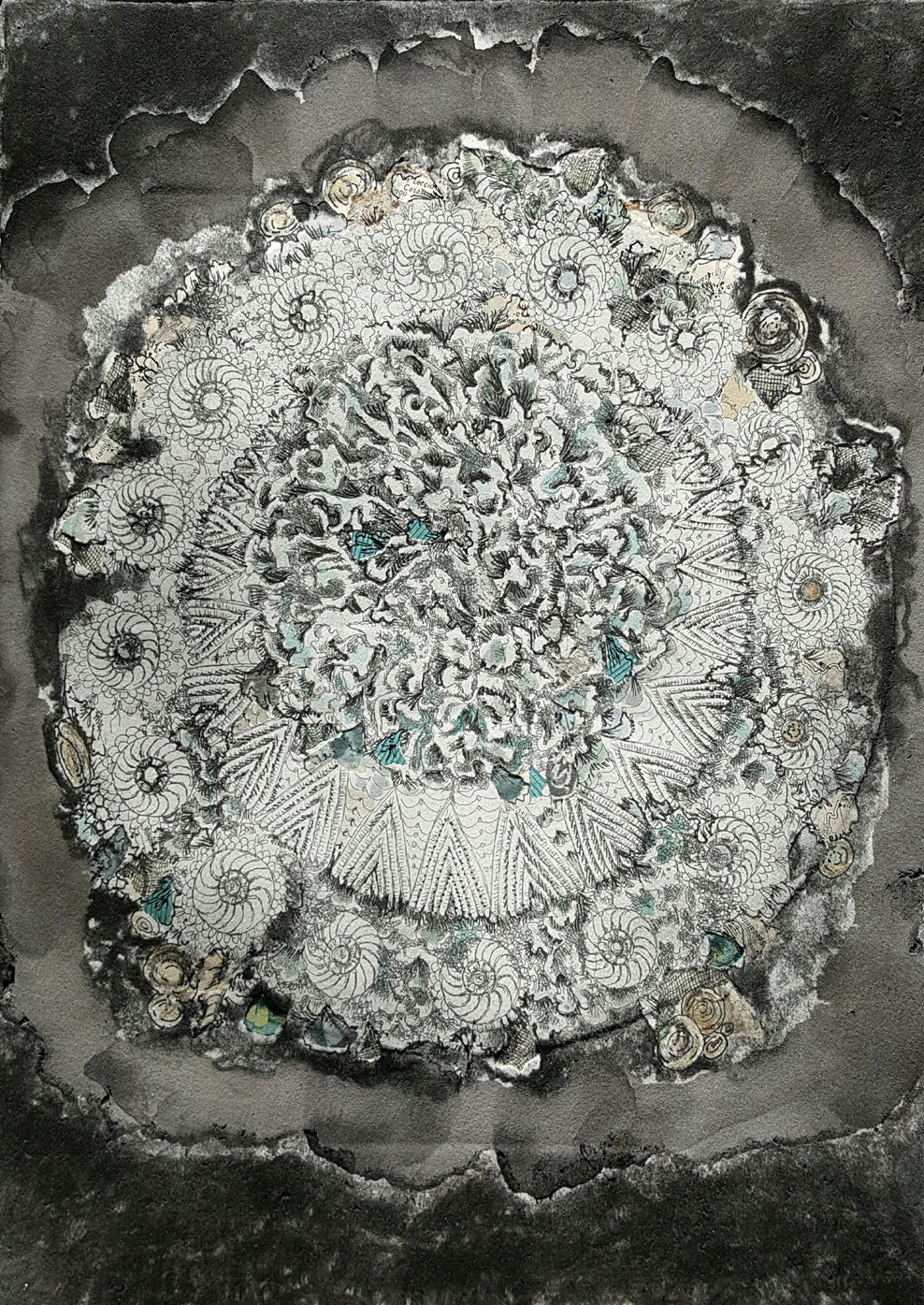
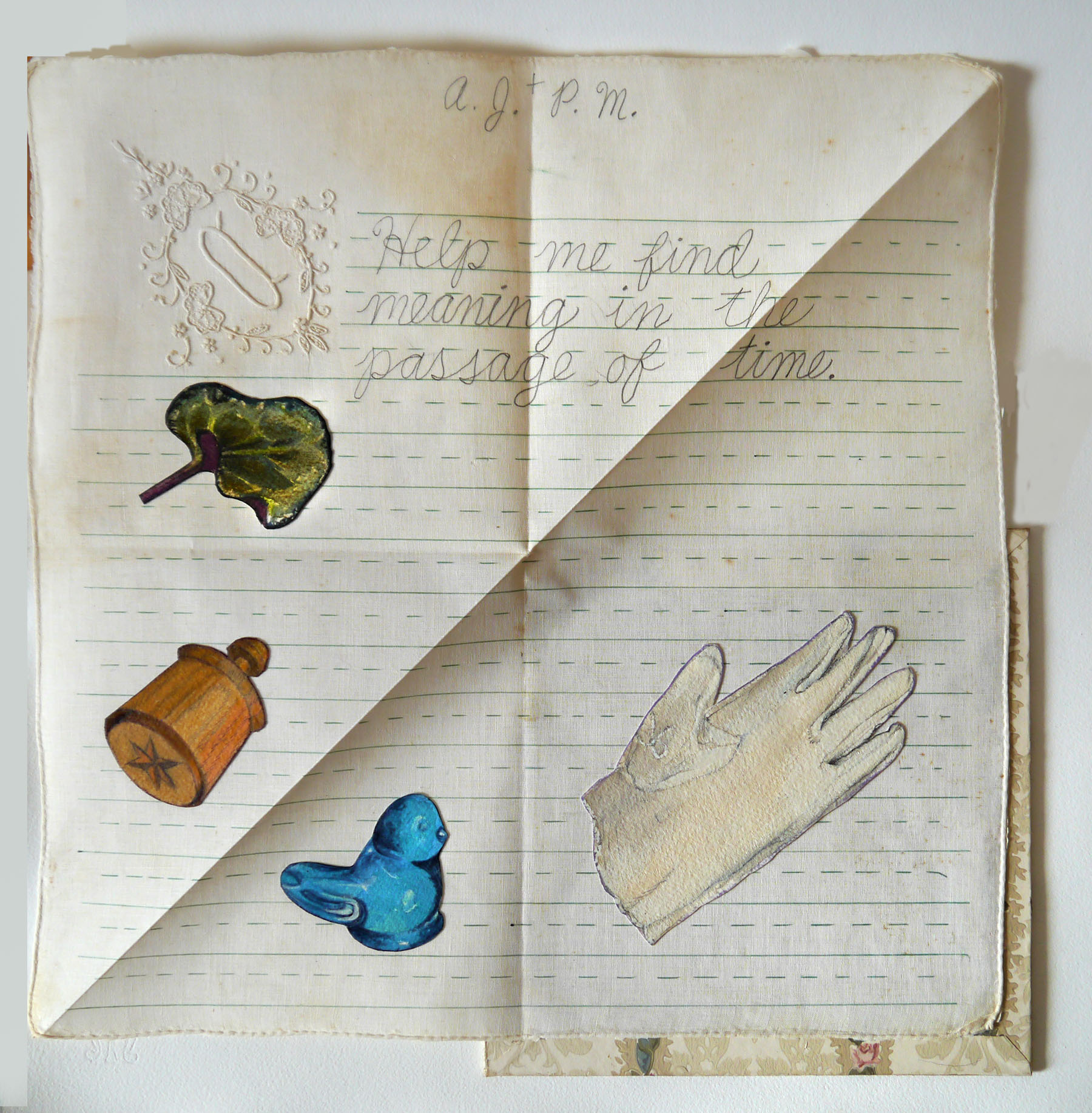
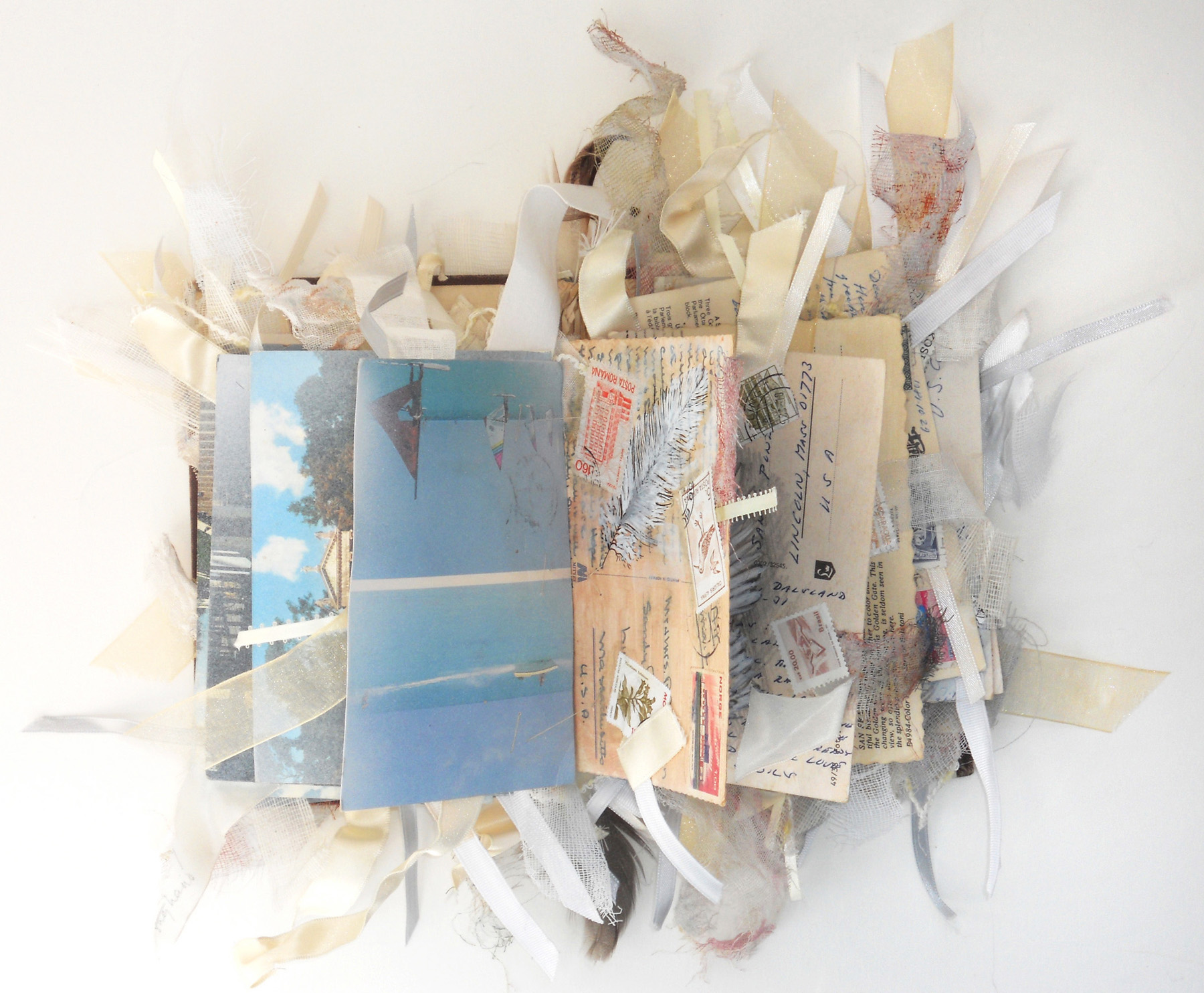
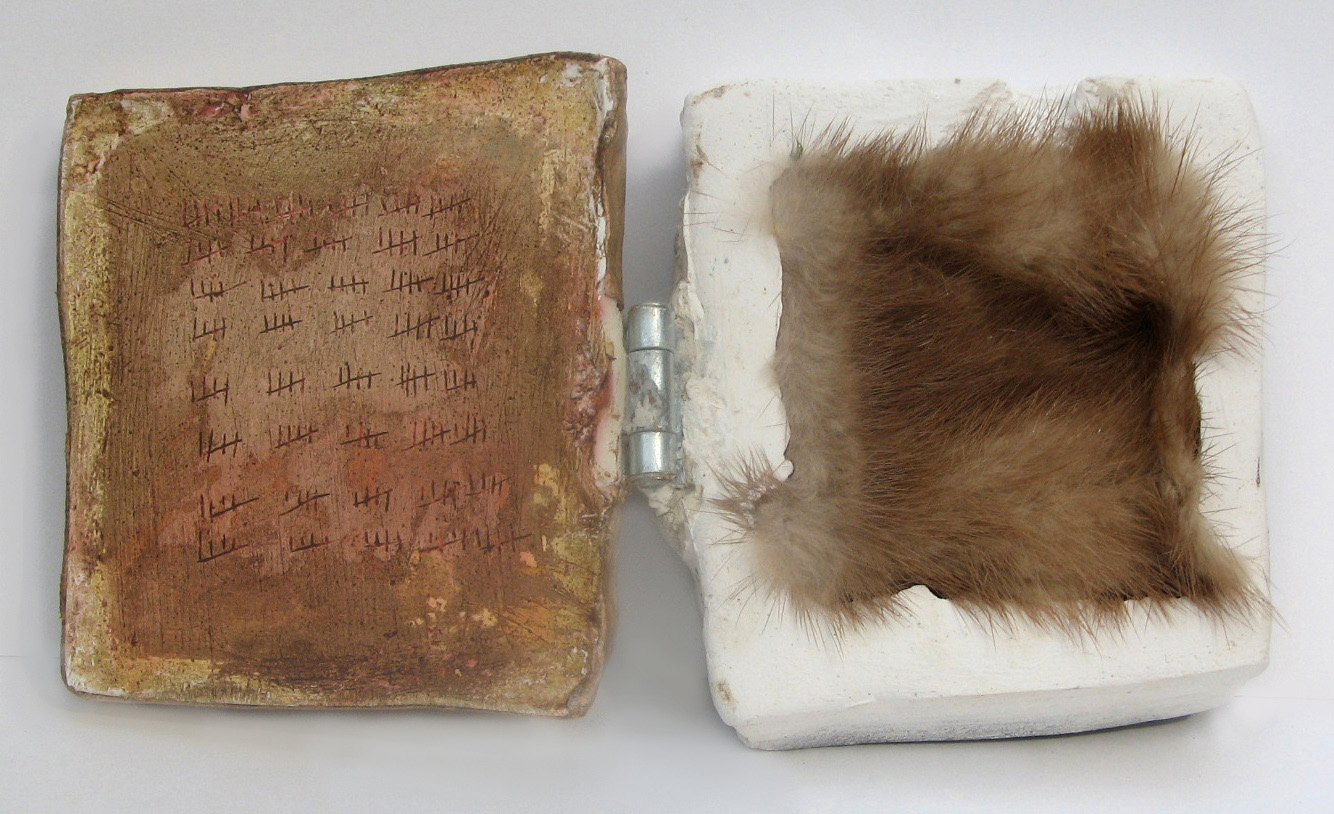
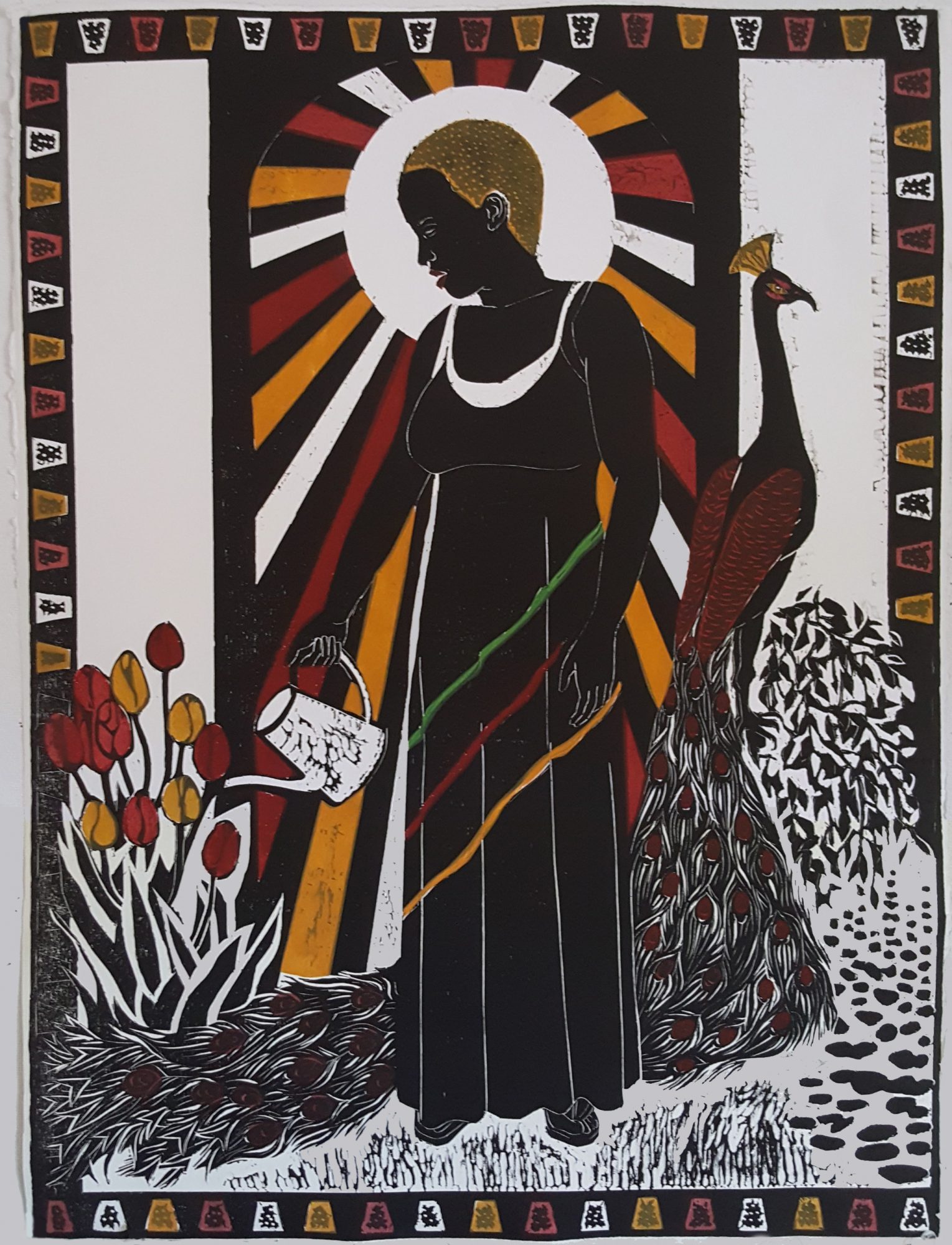
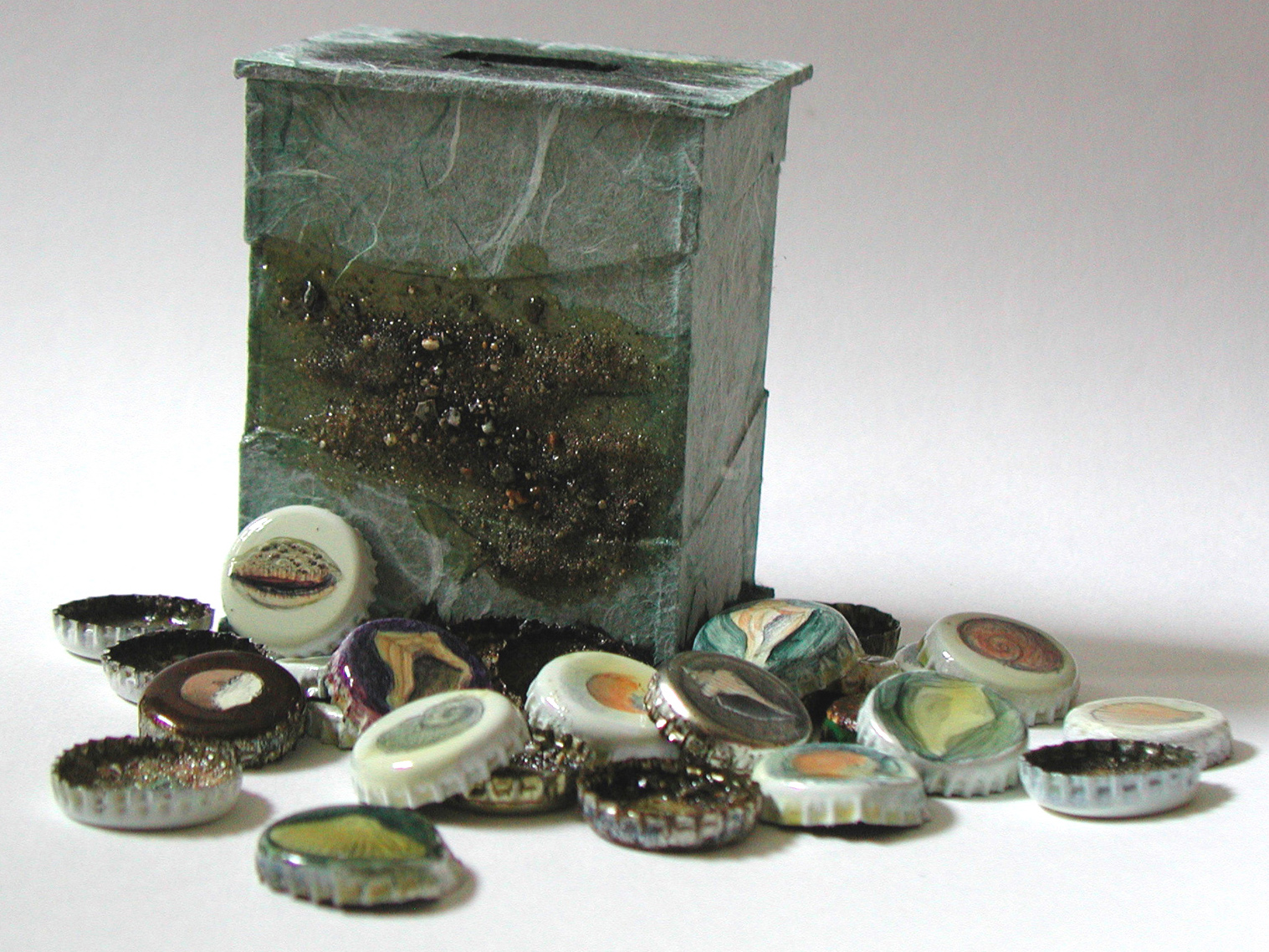 Image Credit:
Stephanie Mahan Stigliano
Getting in touch: BostonVoyager is built on recommendations from the community; it’s how we uncover hidden gems, so if you know someone who deserves recognition please let us know here.




Ben Ryterband
August 27, 2018 at 4:25 pm
Stephanie, This is such an rewarding and well-deserved interview!!! I have always appreciated your art work, but it also so wonderful to read about how much you have done for others near and far. Congratulations!
Susan Schmidt
September 2, 2018 at 9:49 pm
What a great interview, Stephanie ! It captures your energy, breadth, creativity, curiosity and resourceful spirit.
And how much you really value teaching art and collaborative projects.
You are really inspiring.
Love the photos of your artists books !!!
Eileen de Rosas
September 4, 2018 at 2:25 pm
This is great Stephanie–so good to hear more about you, your work and your life! They all flow together seamlessly.