

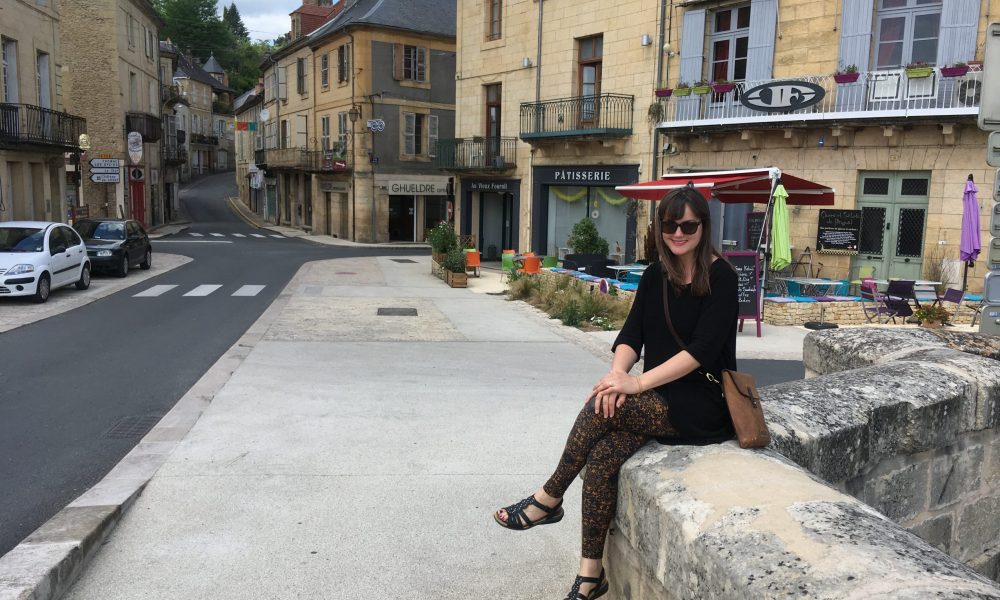
Today we’d like to introduce you to Jenn Houle.
Jenn, can you briefly walk us through your story – how you started and how you got to where you are today.
I began making art when I was a child, as most artists do. It’s always been something that I’ve felt like I’ve needed to do – even though it is at times a challenging and frustrating process! I am grateful to have a family who also supports my work and decision to be an artist. My grandfather was a house painter and always wanted to be an artist, I hang his house painting brush as well as the paintings he did make in my studio as inspiration to commit and continue.
When I was in high school, I was very lucky to find my first supportive teacher – Mr. Allen Taylor – who made me believe in myself and my work. He took time out of his busy teaching schedule to meet with me for independent studies, drove me to the MFA, and gave me personal art history lectures. Further schooling included a BFA at Massachusetts College of Art (from where I’m still always meeting awesome alumni!) and an MFA at Cornell University.
As an artist, you are lucky to live in a community of creative people who are most often generous, supportive and fun. At each educational institution I’ve met friends and faculty who have offered their own pieces of insight into how to make it as an artist. I’ve found excellent role models and camaraderie in the many strong women I’ve met along the way and have been grateful for their advice and friendship. One of my professors says that you should treat each work of art as a gift to the viewers. This is the advice I’ve kept close in the studio and also passed on to my own students.
I’ve been fortunate to have been teaching art for over 15 years – everywhere from university to public school to community school programs. This has been another huge influence on my own artwork, and how I view the function of art in society and life. Teaching people how to make, speak about, and look at contemporary art (while getting them to truly care about and believe in it), is a challenge that I love being able to partake!
A couple recent experiences have deeply effected my work – one was being the Artist-in-Resident for the Great Smoky Mountain National Park in November 2016 and again in June 2017. I was there during the horrific fire storm, caused by two teenagers lighting matches in the woods. I was safely evacuated from the area, then invited back again the following June. It was terrifying to see the extremes of natural forces – hurricane force winds drove the fire to epic proportions, the sky was burnt brown orange – and to witness first hand how profound of a shift humans can have on their environments. Coming back in June I saw the restorative forces of nature – in black charred forests new sprigs of green growth were already popping up. I also saw the magic of the synchronous fireflies lighting the woods and got to see little black bear cubs play alongside their mother. This cycle of devastation, regeneration, and growth is something we see happen throughout earth’s history and is an inspiring reminder of the power of nature.
I also JUST went to see the prehistoric caves in southern France in June. This is something I received grant funding to do, from the Einaudi Foundation while at Cornell. I visited the full-scale replica of Lascaux (incredible museum design!), and the original sites of Combarelles, Font-de-Gaume, Rouffignac, the Sorcier and Cap de Blanc. Cave painting has long influenced my work, and I went to see it in person to get a sense of the art in situ – what the cave environment looked like, the lighting, the scale of the drawings and the feel of the place. I was absolutely blown away! Some of the original sites were over 14,000 years old. To know that we humans have had this impulse for tens of thousands of years (oldest cave paintings are dated to 34,000 years ago) and that I get to be a part of it today… it’s still rocking my world. The drawings were exquisite, such care and detail on the animal’s muzzles, the species are so varied (wooly mammoths are featured in some!), and there is no rhyme or reason as to why they are there. It’s one of art’s greatest and oldest mysteries and I feel so lucky to have seen it and to get to think about it in terms of my own work and artistic journey.
Great, so let’s dig a little deeper into the story – has it been an easy path overall and if not, what were the challenges you’ve had to overcome?
Making art requires curiosity, discipline, and resiliency (you get denied many opportunities for each one you get). I am always refining my work/life balance and reminding myself that the whole journey is part of the process. One of my best friends, Connie Wong, taught me the importance of ‘play’, to bring it into the studio, and to save your creative ‘juices’ by not overworking. It’s just as important to travel, be outside, take long walks, and leave time for thinking/daydreaming as it is to be in the studio cranking out artwork.
It is also so very important to find a good support structure for other artists to be with you along the way. I meet with a group of artists called ‘The Boston Critique Group’ about once a month to get together and discuss work. I also do google hangout dates with my core group of artist friends from Cornell – the four of us meet online while home in LA, Chicago, Boston and India to get together and talk about living as an artist. And some of my best friends and fellow artists have been with me since undergrad. Going through the past 15 years together and coming out still making art has been profound.
Recently I’ve also begun to seek advice and guidance from women a bit older than me to help me in my own career. It’s hard to ask for help, but don’t be afraid to do it! People are much more open than you think.
Like many people in this region, one of my most difficult personal struggles has been living through a close family member’s battle with drug addiction. My biggest struggle has been to recuperate from it with generosity towards myself. It’s been easier for me to forgive the person who hurt me than to forgive myself for having a tough time with it all. I think women are often taught to put other people before themselves, to suck it up, put on a good face, and do everything on their own. I encourage young women to take care of themselves first, to learn about their behavior and habits with the support of a good friend (or better yet good therapist!) and to treat yourself with the kindness and love you’d give to your closest friend.
My advice in short to young women starting out – Be kind to other women (and men and all living things), stand up for yourself, be respected, and ask to be paid more than you think you’re worth.
Please tell us about Jenn Houle.
Using the language of paint and installation I fold beauty and darkness into visually complex and contemplative spaces where things may not be quite as they seem. I explore the medium of painting by asking the question ‘What can painting do that only painting can do?’
Several of these pieces are from a recent installation “You and Me”, where I turn inwards to explore my personal ties to the natural world, how it has impacted and defined me, and why I am drawn to certain subjects. In this installation I use a variety of media to tease out these connections – paintings, drawings from recent residencies in the Great Smoky Mountain National Park, painted flesh and leaf sculptures, cut metal, and found objects.
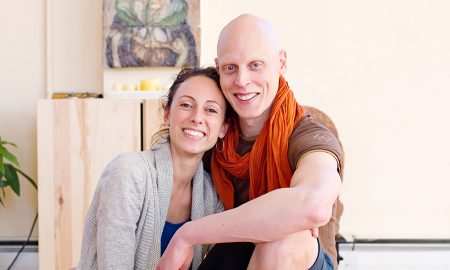
I just got married last year and around that time I started to paint my hand and skin and integrating it into my work. I’m also working on some paintings of my husband’s arm and hand touching parts of the woods. I’ve been thinking about that separation and line between ‘me’ and everything else more personally – where do I begin? where does he begin? That also circles out to larger questions like – ‘where does nature begin?’, ‘where do we end?. We human beings are clearly a part of nature, but this idea of being separate has got us to some really wacky and troubling places with our treatment of the planet & other living beings.
In the ‘Looking Up, Looking Down’ series I focus above and below the horizon line. Taking my iPhone out for walks into the woods I photograph close detail shots of the forest floor then flip to the ‘selfie’ mode to photograph what hovers directly above. The first three images show variations in this series, with ‘Far Away Beneath’ an amalgam of the two spaces (above and below).
My ongoing interest in painting’s relationship to photography is evident throughout my work’s spatial qualities. This interest is explored more directly in my ongoing series ‘Searching for Life’ that uses motion-activated camera-trap images of wild animals as a reference. With this surveillance technology we can now ask – do all mother doe carry their fawn on their back?
Last year I set up my own camera trap near Sleepy Hollow Cemetery in Concord, MA. I’m studying the diverse native New England species that share a series of three underground burrows. Shockingly coyote, fox, fisher cat, raccoon, chipmunk, squirrel, and songbirds frequent these holes! And less than 100’ away lie the graves of famous naturalists and writers Ralph Waldo Emerson and Henry David Thoreau. My first interpretation of these images has been through paint, although I’m sure they’ll feed into other works as well.
The spectrum between natural and man-made is explored throughout my work. I offer a playful, earnest and personal reflection of our interconnectedness as homo sapiens to fellow green, furry and living beings on this fragile blue planet.
Were there people and/or experiences you had in your childhood that you feel laid the foundation for your success?
The childhood experiences I had that set me up for success later in life would be the sense of humor and support I received from my parents especially early on. They both have the impulse to push at societal expectations with practical jokes and the ability to say the funniest things that are borderline (or overtly) offensive to bring out the bright or bizarre side of any situation. One thing we used to love to do – when someone would run into a convenience store the person driving the car would leave the parking spot and park out of view. Then we’d all gleefully watch as the person exiting the store would pass through the stages of confusion, light panic then recognition that they were the newest victim in this ongoing game. I’m the oldest of three, so they always reminded me that I am the ‘test child’.
Having a sensitive level of perception of the world around you is crucial to being an artist and I am grateful to have inherited these parts of their worldviews. My father set high expectations for my achievement in school and my mother was great about getting me into art classes and other programs in school where I could explore my creative/inquisitive side. Our family also always had pets, who were a large part of the family dynamic. We talked through and for our dogs and cats, their personalities were large and central in our household. These early loves have definitely shaped my outlook on the importance of animal and environmental rights. My family life was shaken up hard by my parent’s divorce when I was a teenager, but the solid foundations of my childhood helped me be independent enough to navigate my transition to and success in college.
Contact Info:
- Website: www.jennhoule.com
- Email: jenn@jennhoule.com
- Instagram: therealjennhoule
- Facebook: https://www.facebook.com/jenn.houle.9
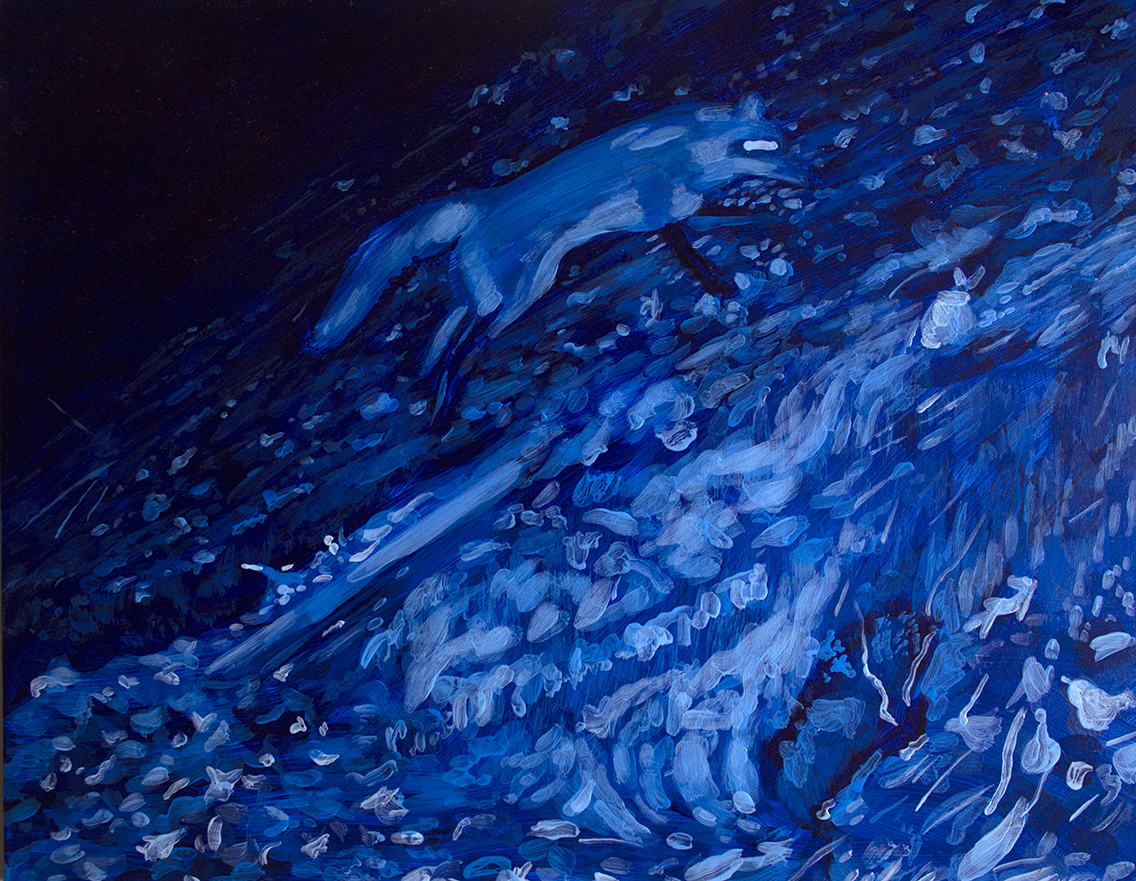
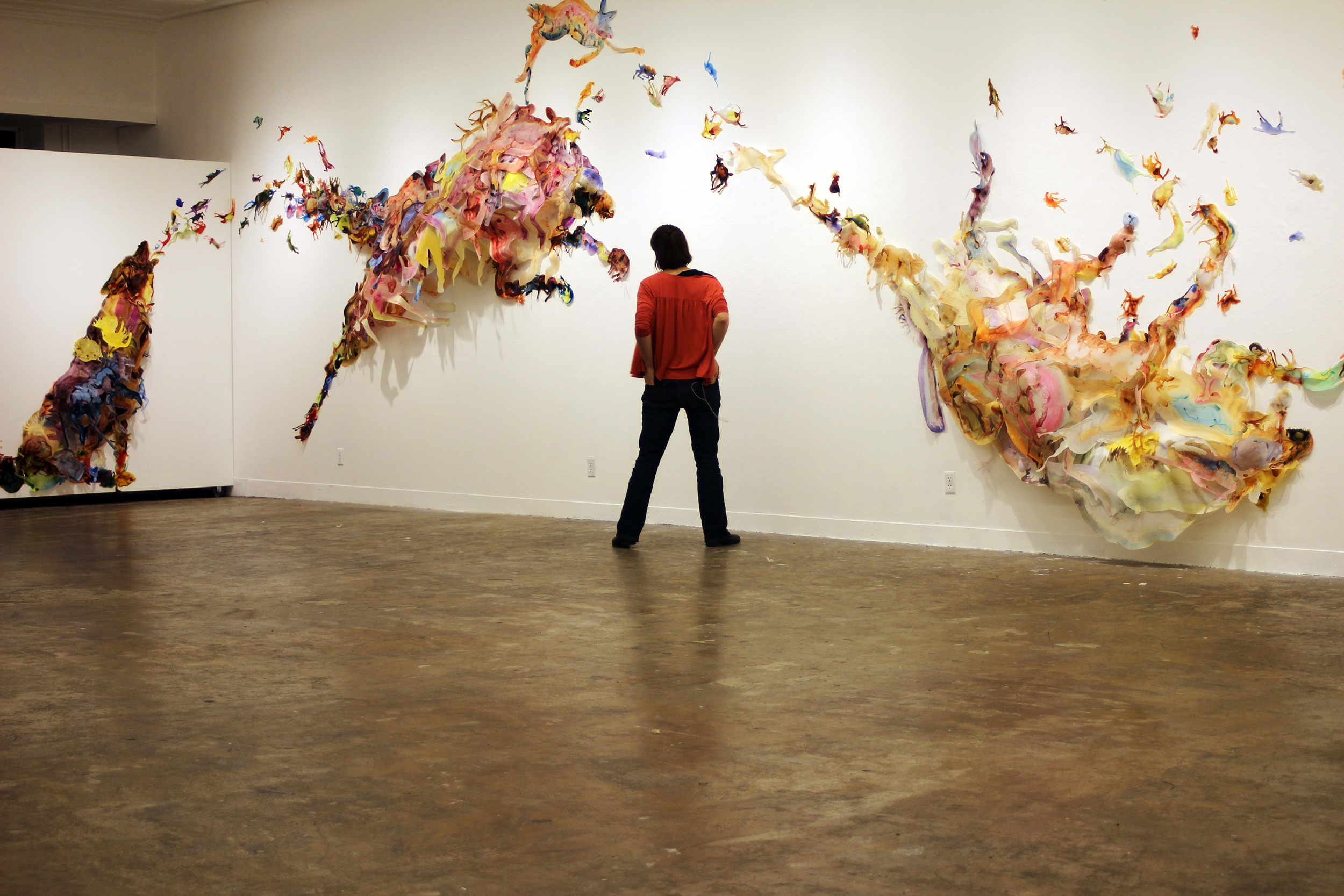
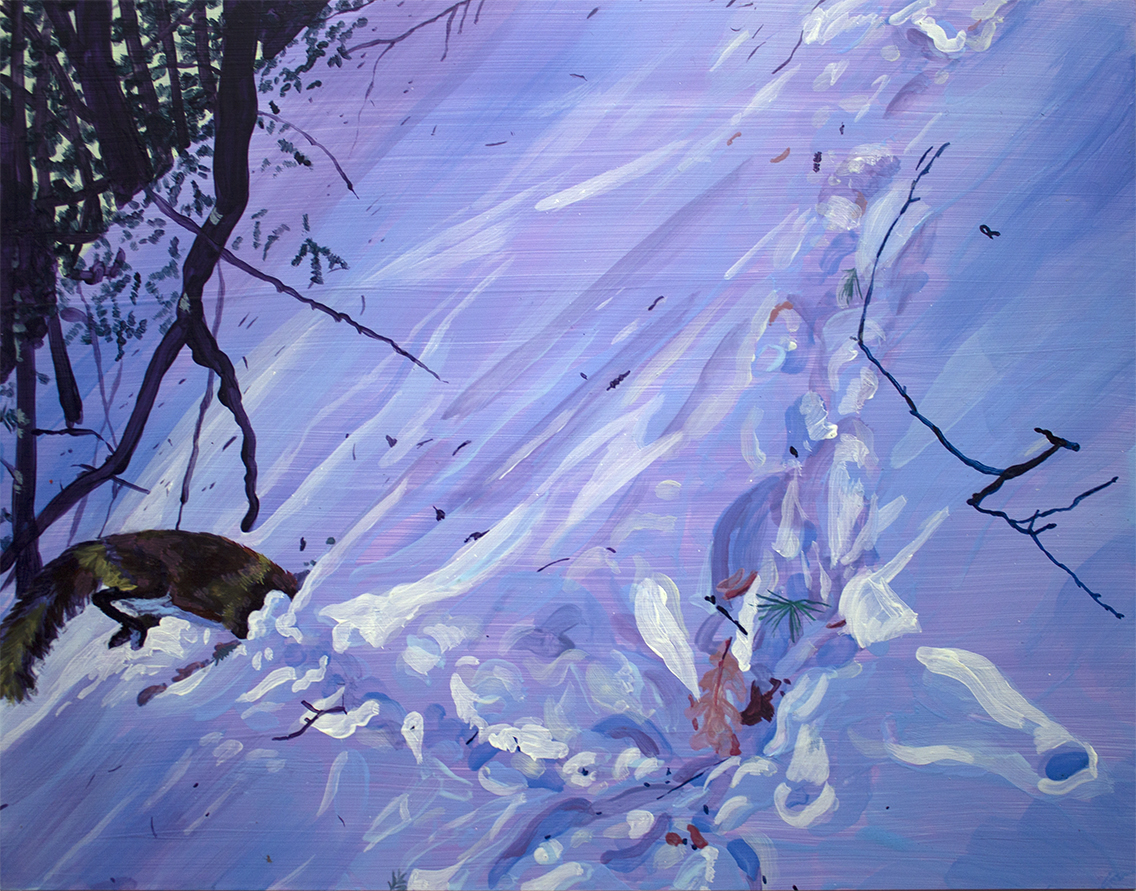
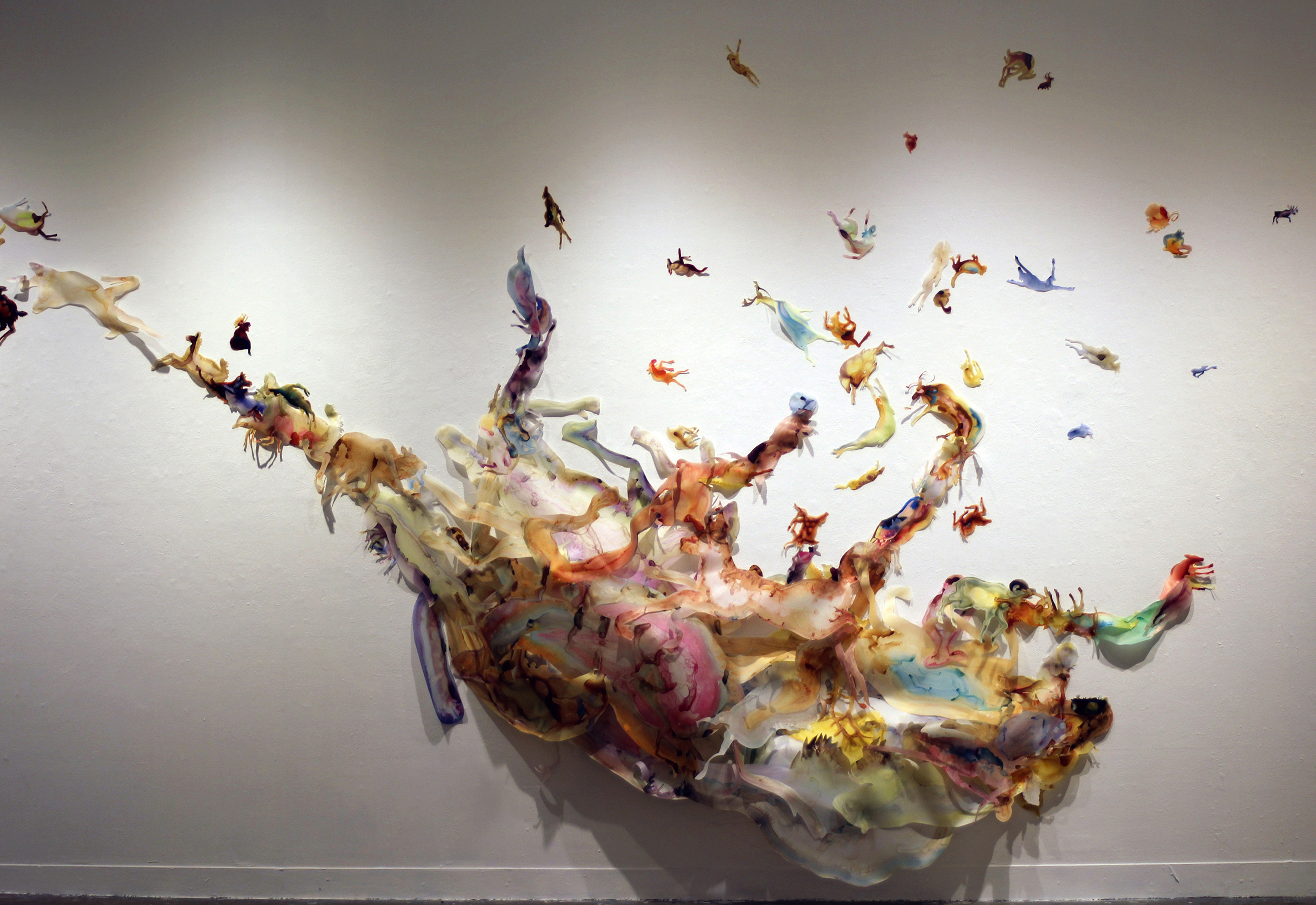
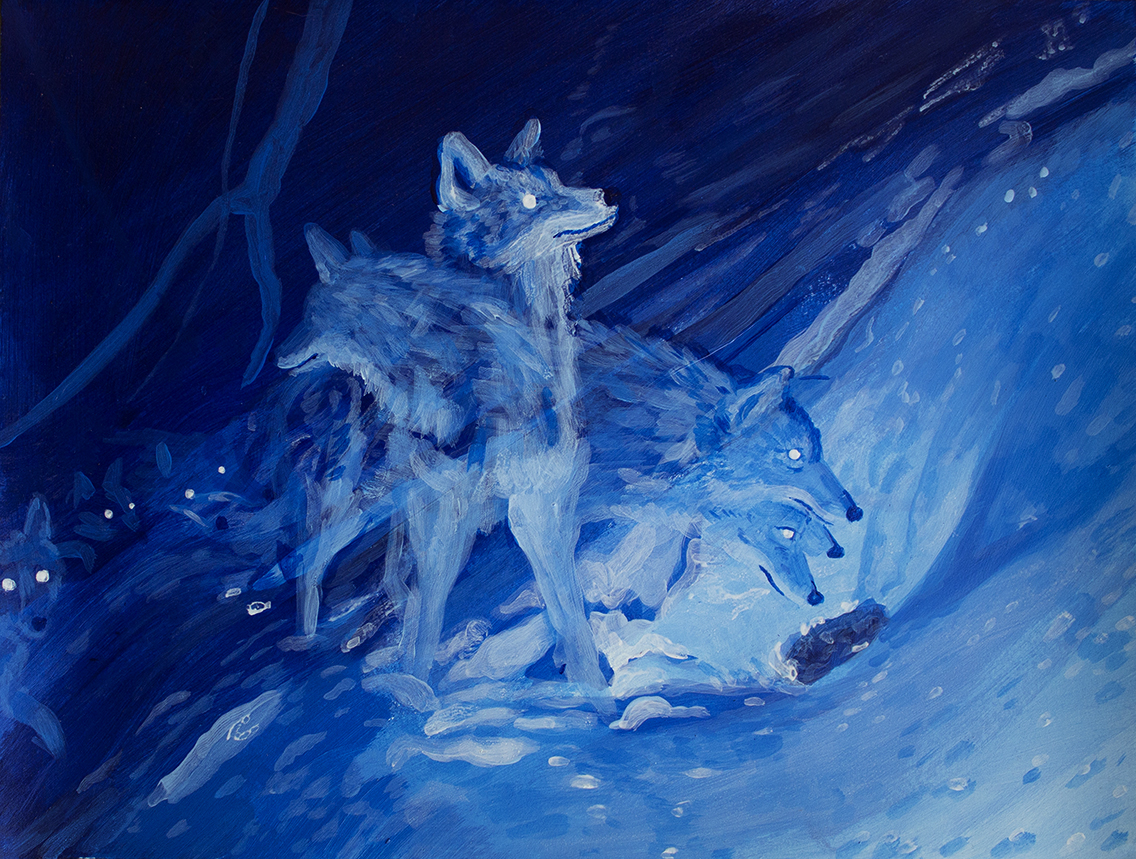
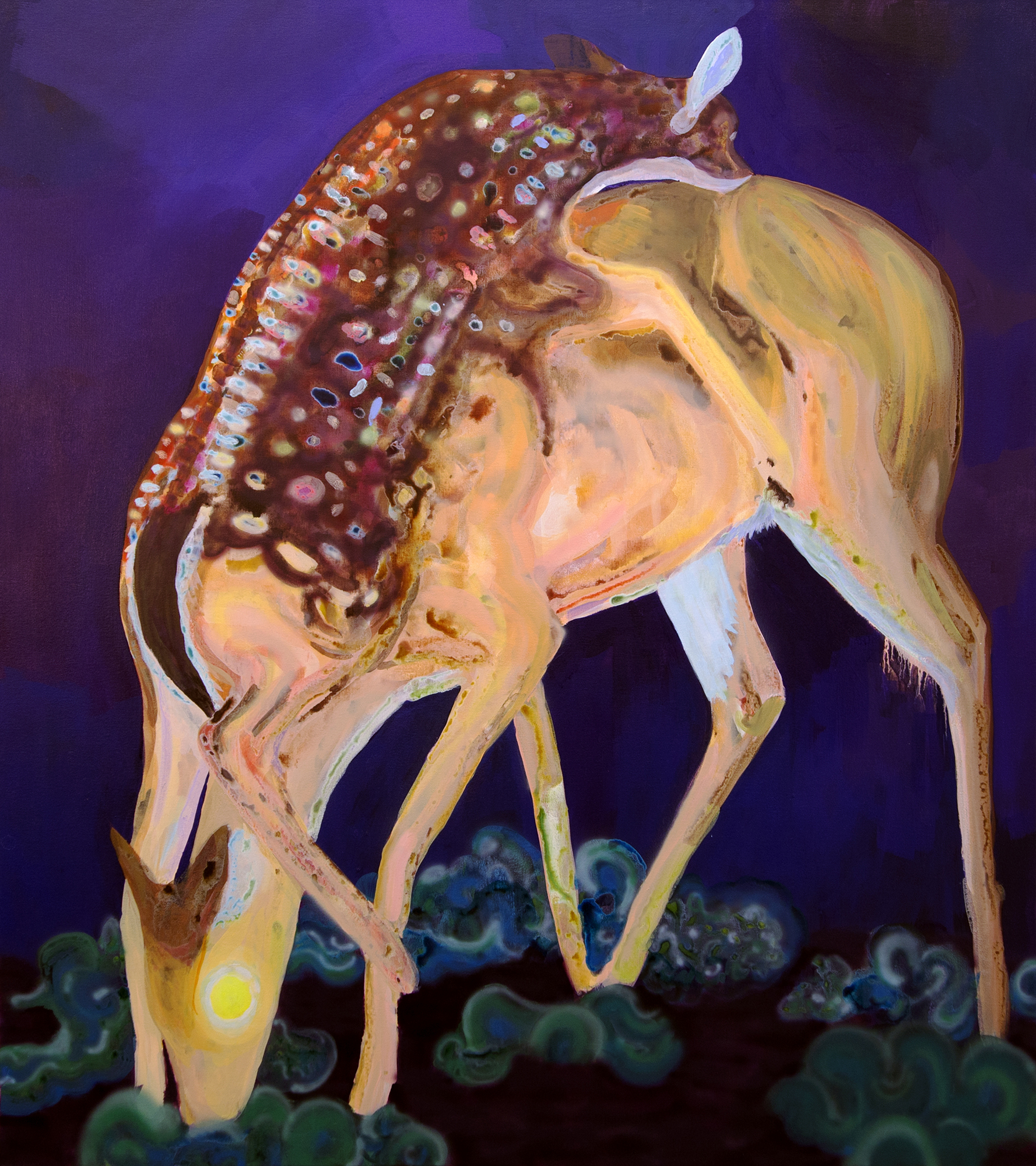
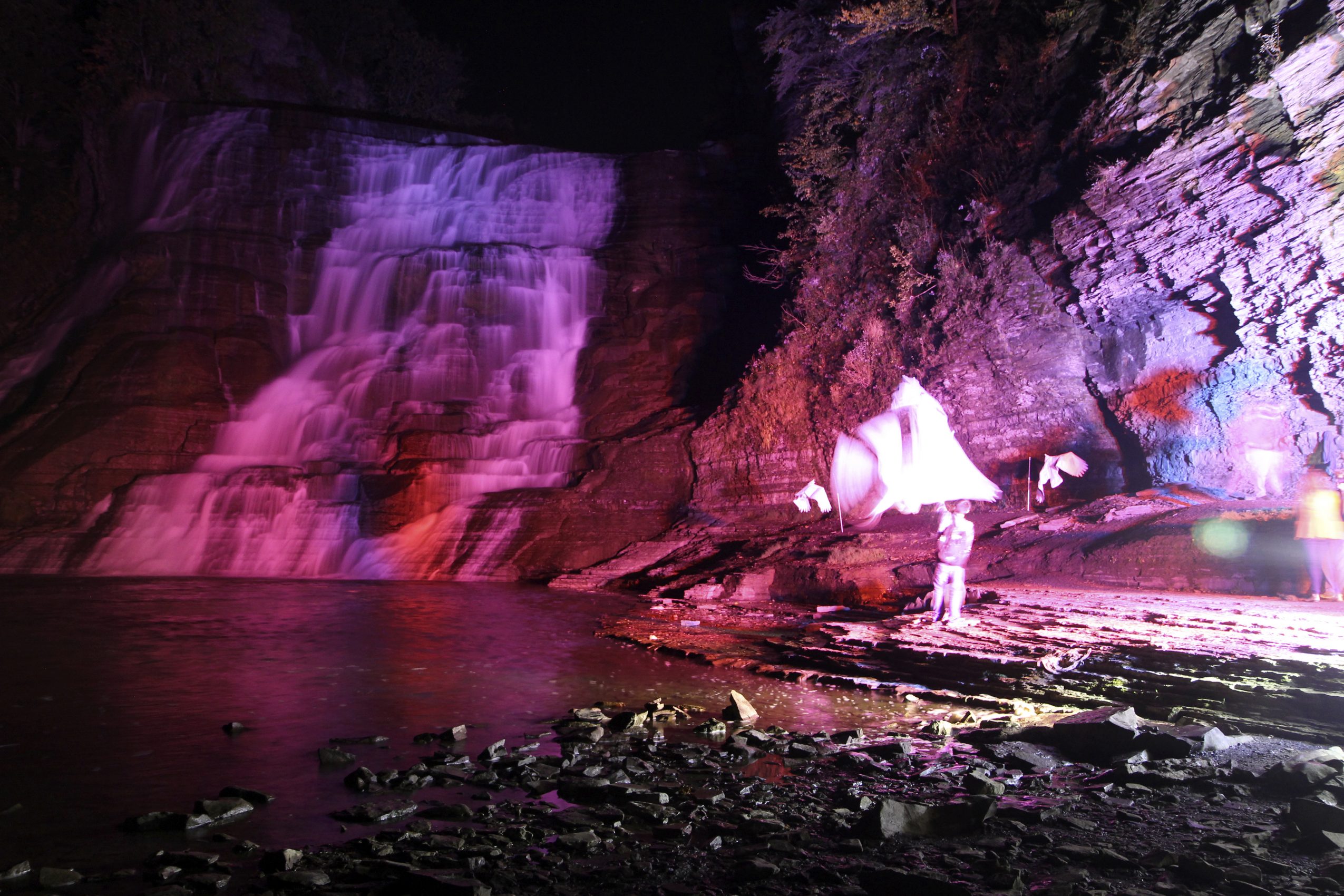
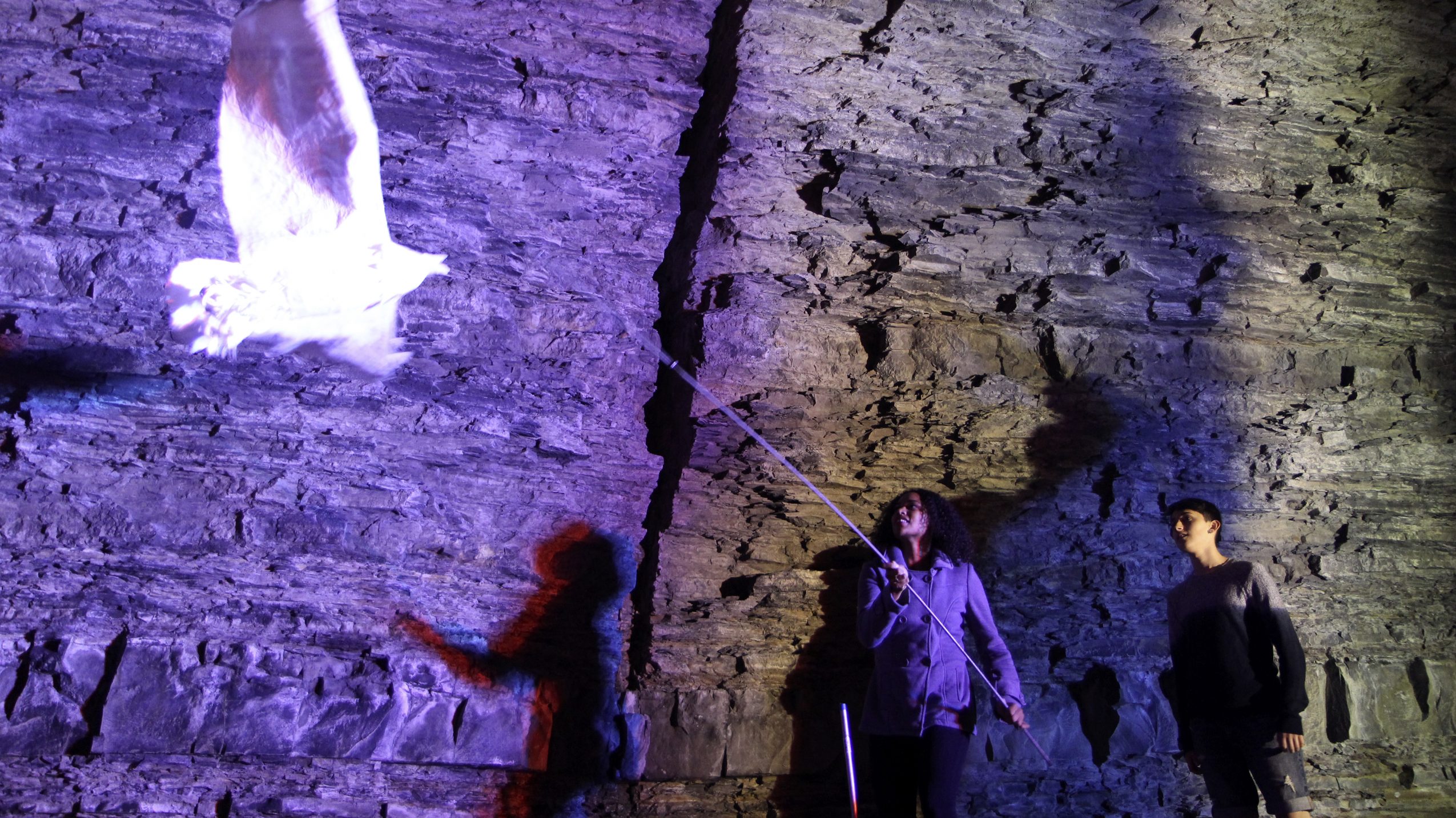
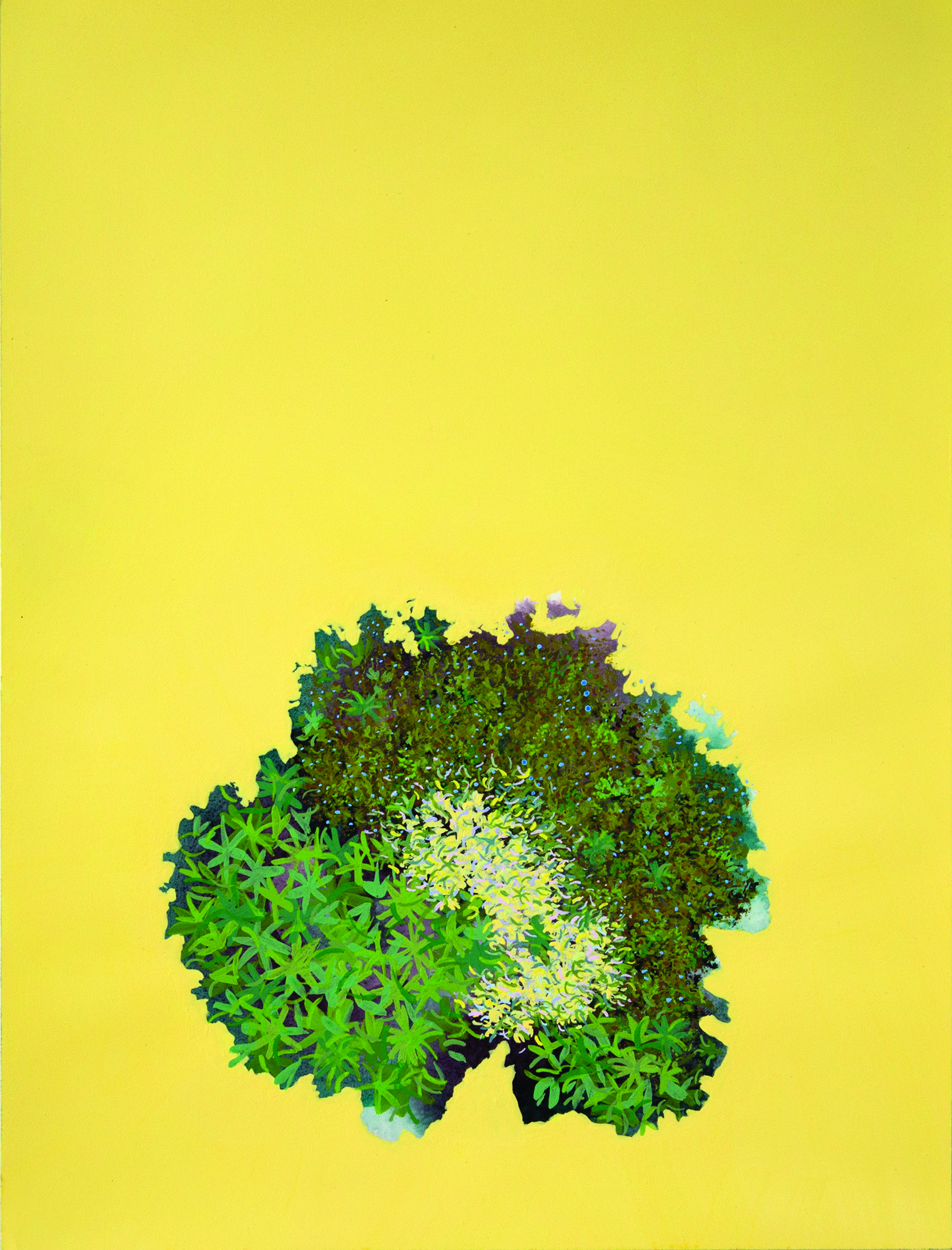
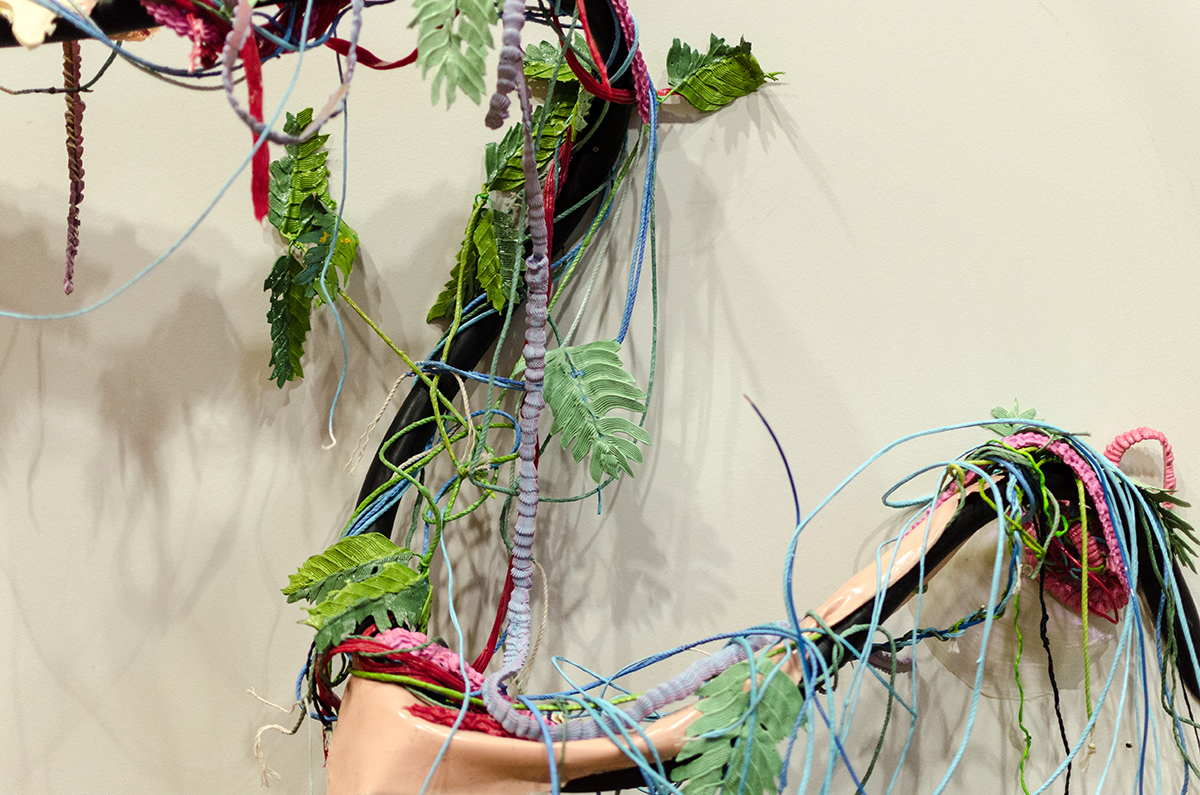
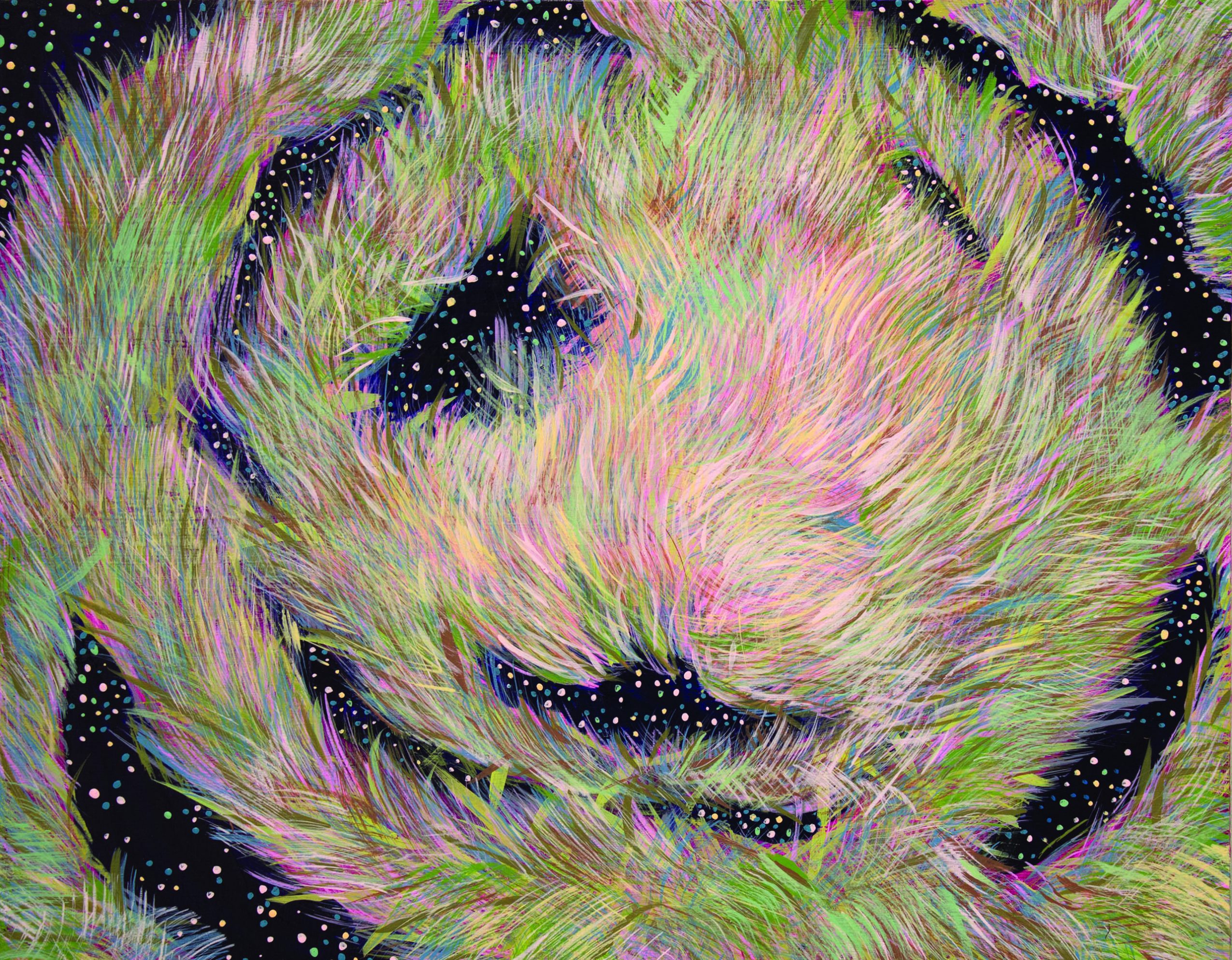
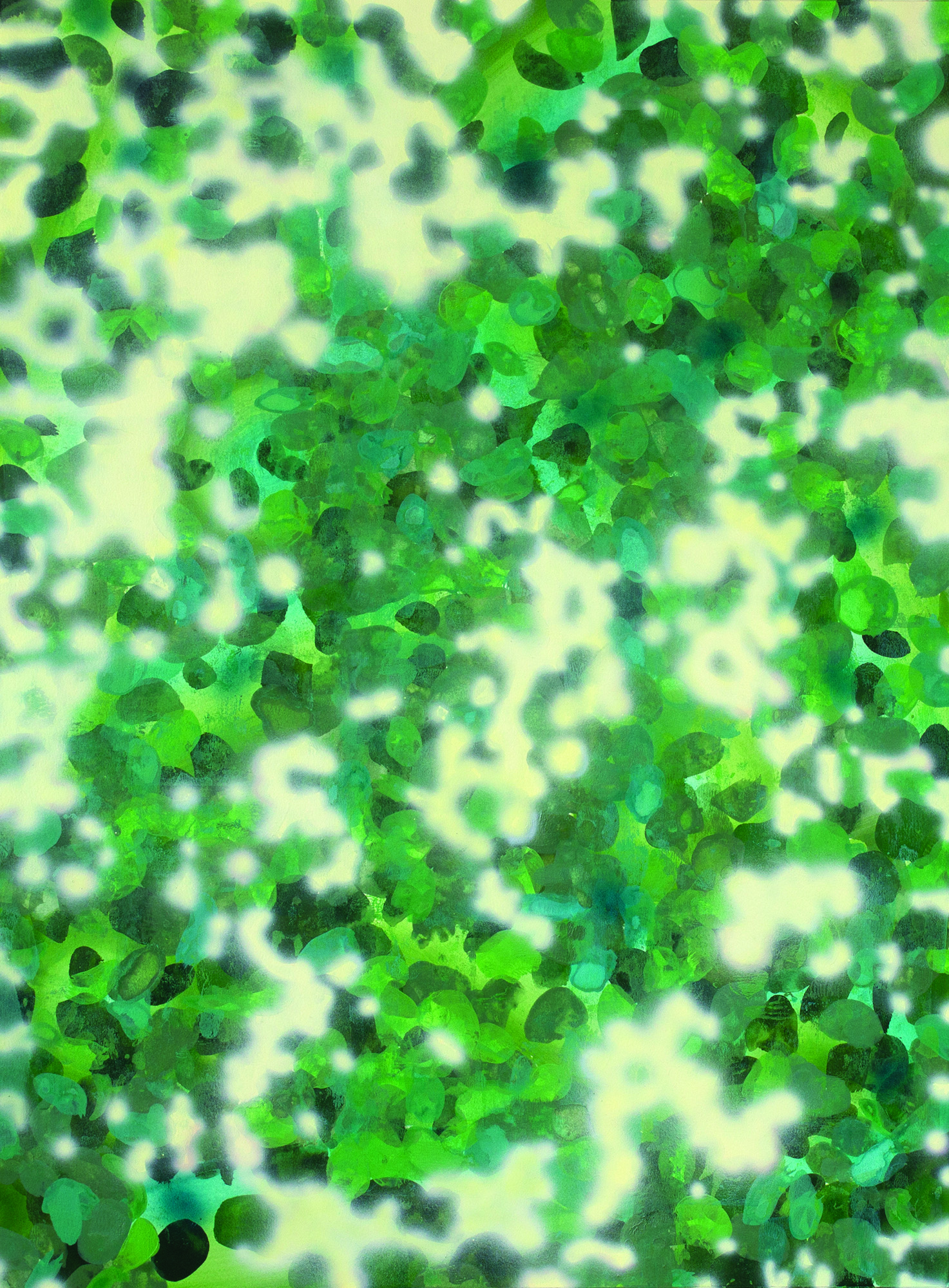
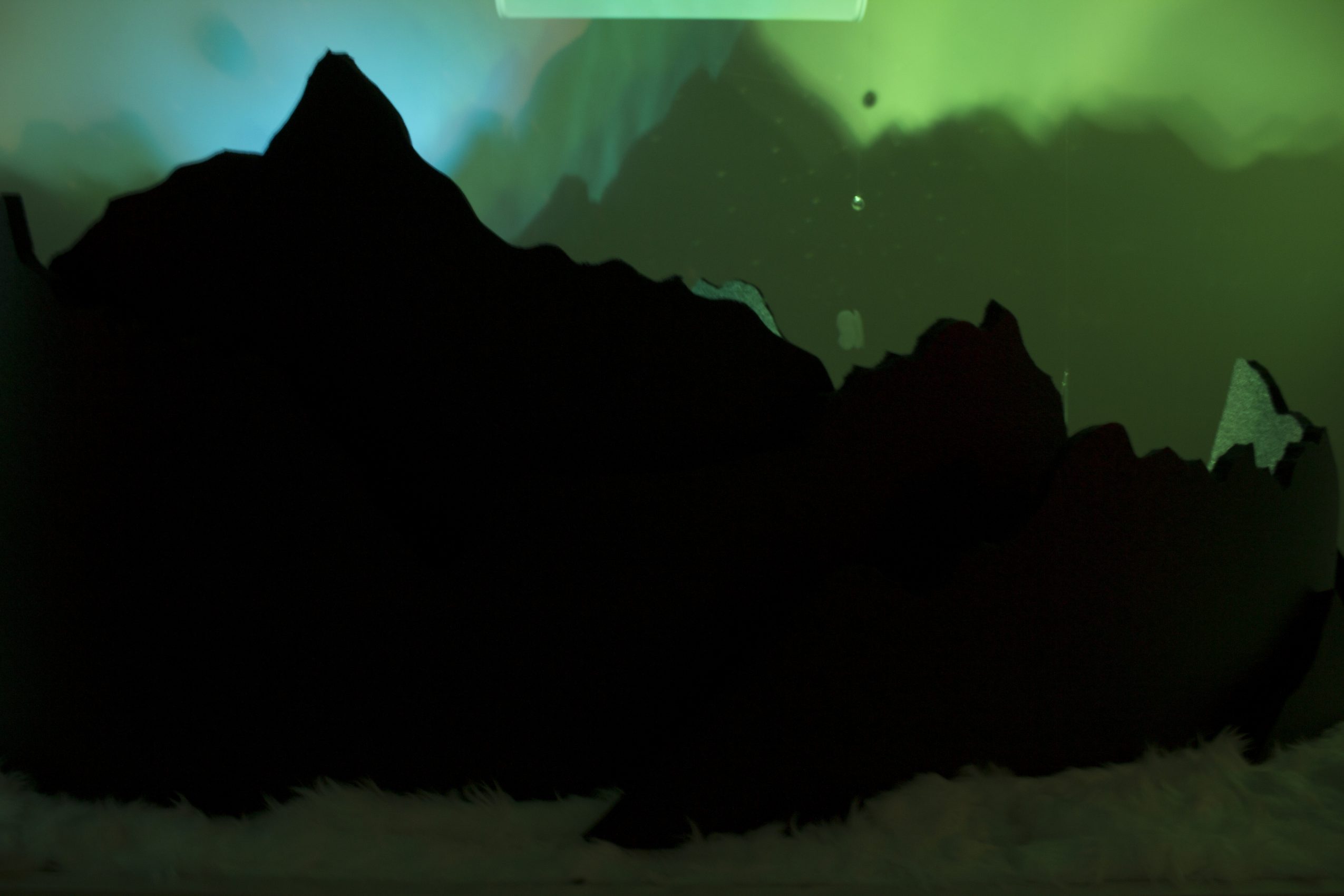
Image Credit:
Lia Sutton, Carolyn Benedict Fraser
Getting in touch: BostonVoyager is built on recommendations from the community; it’s how we uncover hidden gems, so if you know someone who deserves recognition please let us know here.