



Today we’d like to introduce you to Christine Vaillancourt.
Christine, please kick things off for us by telling us about yourself and your journey so far.
My early childhood was spent in a suburb of Detroit in the 1950s. Both parents were very supportive of my interest in art. In fact, when they asked what I wanted to do in life while helping to choose my college major, I said I wanted to be a famous painter. They replied, that’s great! But added, what about teaching to support both my passions—teaching kids and art. Voilà!
After graduating from UNC at Chapel Hill with a BA in Art Education in 1971, I began my art teaching career in the Middletown Public Schools, RI. I earned a Masters in Art Education from Rhode Island School of Design in 1975. In 1987, I moved to Boston to find a larger art community and taught art, until recently, at Brown Middle School in Newton MA.
In 1992, I was lucky to find rare artist housing at 249 A Street Cooperative in Fort Point, South Boston. Eventually, I moved to the Artist Building at 300 Summer Street Cooperative (www.300summer.org), same neighborhood, where I presently live with my husband and paint full-time in my studio.
My paintings are in private and corporate collections in the United States and Canada. I am represented by Lanoue Gallery in Boston, Nikola Rukaj Gallery in Toronto, Dean Day Gallery in Houston, and Andrea Schwartz Gallery in San Francisco.
Most recently, through the MBTA Green Line Extension (GLX) Integrated Art Program, I was selected to create permanent public art in glass, tile, or metal in the future Ball Square Station in Somerville, MA (on Somerville/Medford line) to be completed in 2021. This will be my first public art project.
Can you give our readers some background on your art?
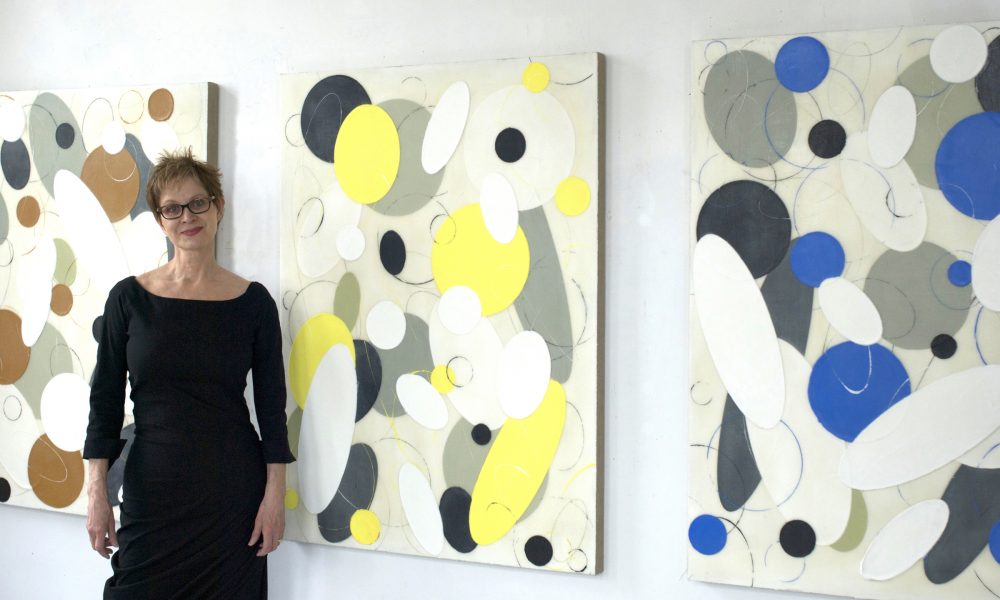
My paintings have the look and feel of encaustic without the fragility. After much experimentation over several years, I developed a technique of manipulating acrylic gel mediums to look like wax. As part of the process, I apply translucent layers trapping the geometric shapes beneath and allowing some shapes to pop the surface. The result is an implied and actual depth.
As a child of the post-World War II era, I was exposed to the Bauhaus, Geometric Art Deco, and Concrete Art styles, all Modernist movements that flourished between World War I and World War II. As an adult, I gravitated to the work of German architect Walter Gropius, founder of the Bauhaus; the geometric textiles of French artist Sonia Delaunay; the paintings of Swiss artist Sophie Taeuber-Arp, Dutch DeStijl painters Piet Mondrian and Theo van Doesburg, and Russian painters Wassily Kandinsky and Kazimir Malevich, originator of Suprematism; and Hungarian sculptor Lásló Moholy-Nagy, famous for his mobiles. These European artists had a great influence on each other and on another artist I admire: Hans Hofmann, the German-born American Abstract Expressionist, whose greatest and most celebrated body of work was created in the 1960s.
The imagery in my work evokes contemporary industrial urban design and architecture while the motifs draw inspiration from patterns and designs of the 1950s, the period of my childhood in Detroit, Michigan. The Modernist home I grew up in was filled with objects and materials that made a major impact on the direction of my art, from the patterns of our bold geometric drapes, translucent patterned Formica countertops, bulbous lamp stands, stylized wallpaper, linoleum square-tiled floors to beautifully designed Russell Wright pottery for the masses. Like many Detroiters, our family had a long history with the automotive industry. Trained by his father, my father began his career in automotive and aircraft design and later evolved into home design and construction. Thus, I grew up in this creative atmosphere, stimulated by my surroundings, and intrigued by the transportation, architectural and industrial concepts of the times. Hopefully, my paintings take the viewer on a journey–escape, travel, fly, float through space, shapes and structures-no gravity.
Any advice for aspiring or new artists?
My advice to other artists is to find a thriving art community wherever you live. Just being exposed to other work in all mediums will inspire you. Follow your own voice and style. OK to experiment learning from other styles while you are young to find your individuality. Don’t make art just to sell. Go to art museums and art fairs and frequent your local galleries. Travel. Study art in another country.
What’s the best way for someone to check out your work and provide support?
In South Boston, I participate in Fort Point Open Studios (http://www.fortpointarts.org) every year. FPAC Open Studios 2018 is Friday through Sunday, October 12-14. Over 100 artists open their doors within a few blocks of each other. My studio is at the Artist Building at 300 Summer Street (www.300summer.org). The public may visit my studio then or by appointment.
I am represented by Lanoue Gallery in Boston, Nikola Rukaj Gallery in Toronto, Dean Day Gallery in Houston, and Andrea Schwartz Gallery in San Francisco.
Contact Info:
- Address: The Artist Building 300 Summer Street, Studio 76
Boston, MA 02210 - Website: http://www.christinevaillancourt.com
- Email: chris@christinevaillancourt.com
- Instagram: @christinevaillancourtpaintings
- Facebook: https://www.facebook.com/christinevaillancourtstudio/
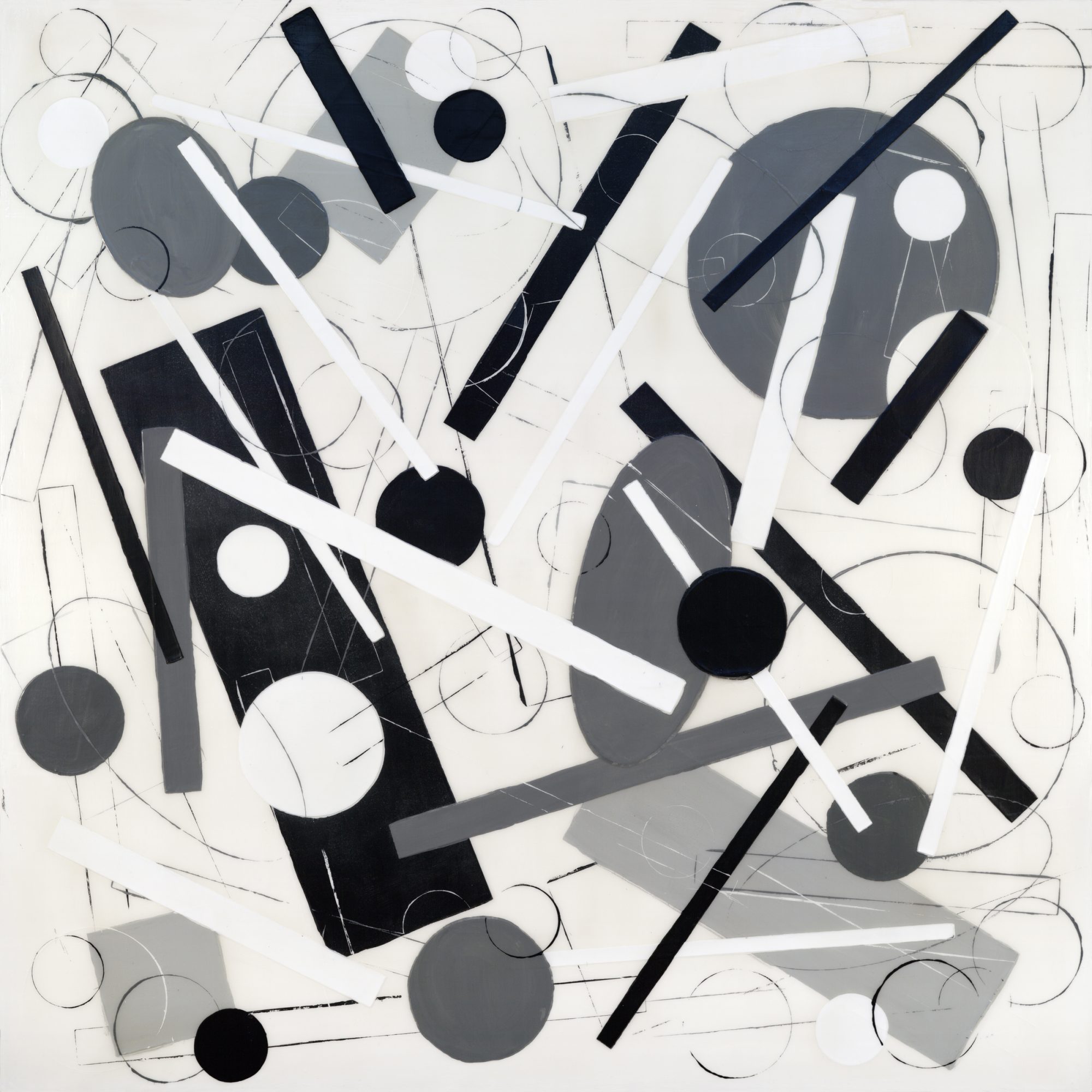
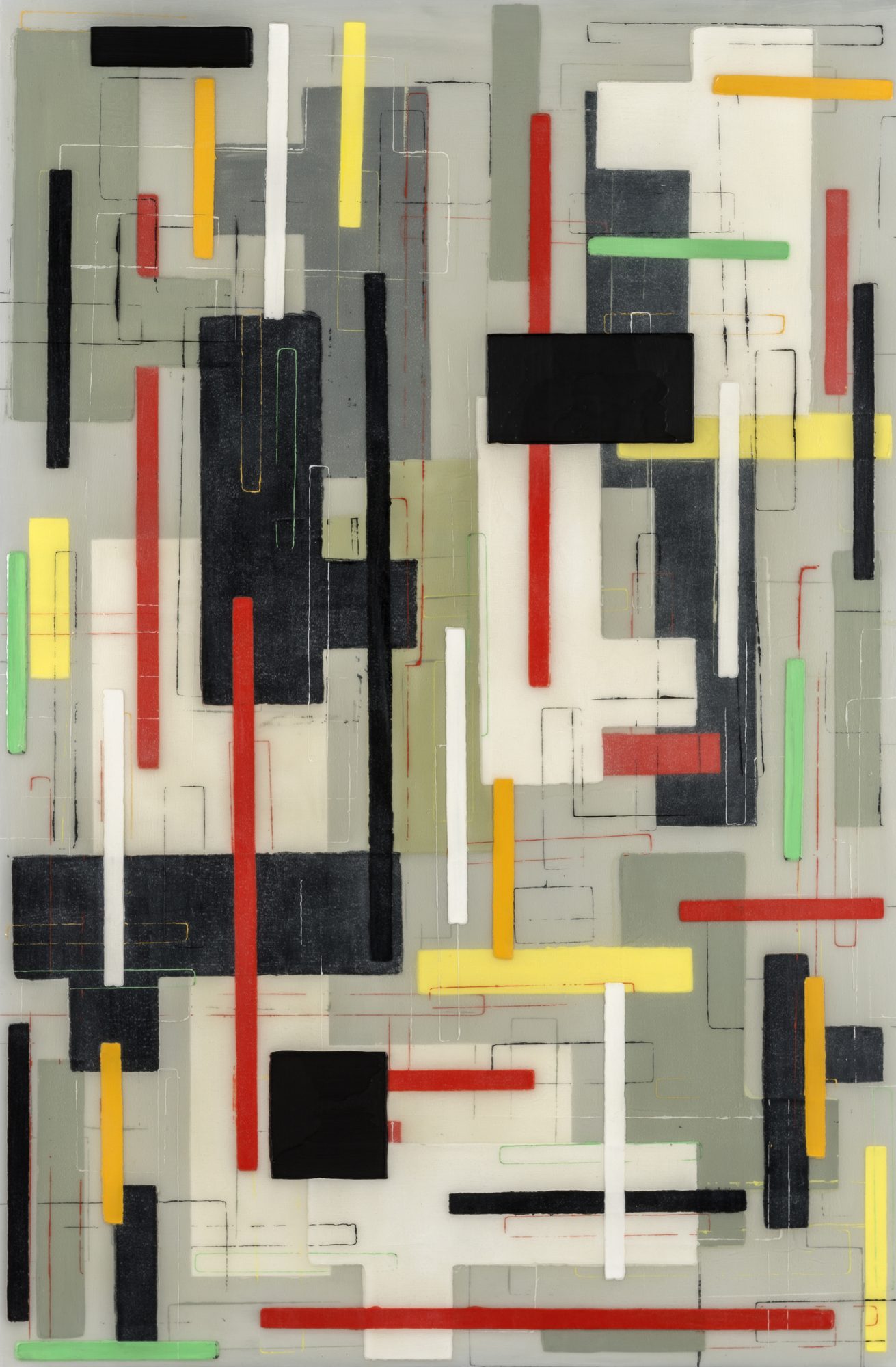
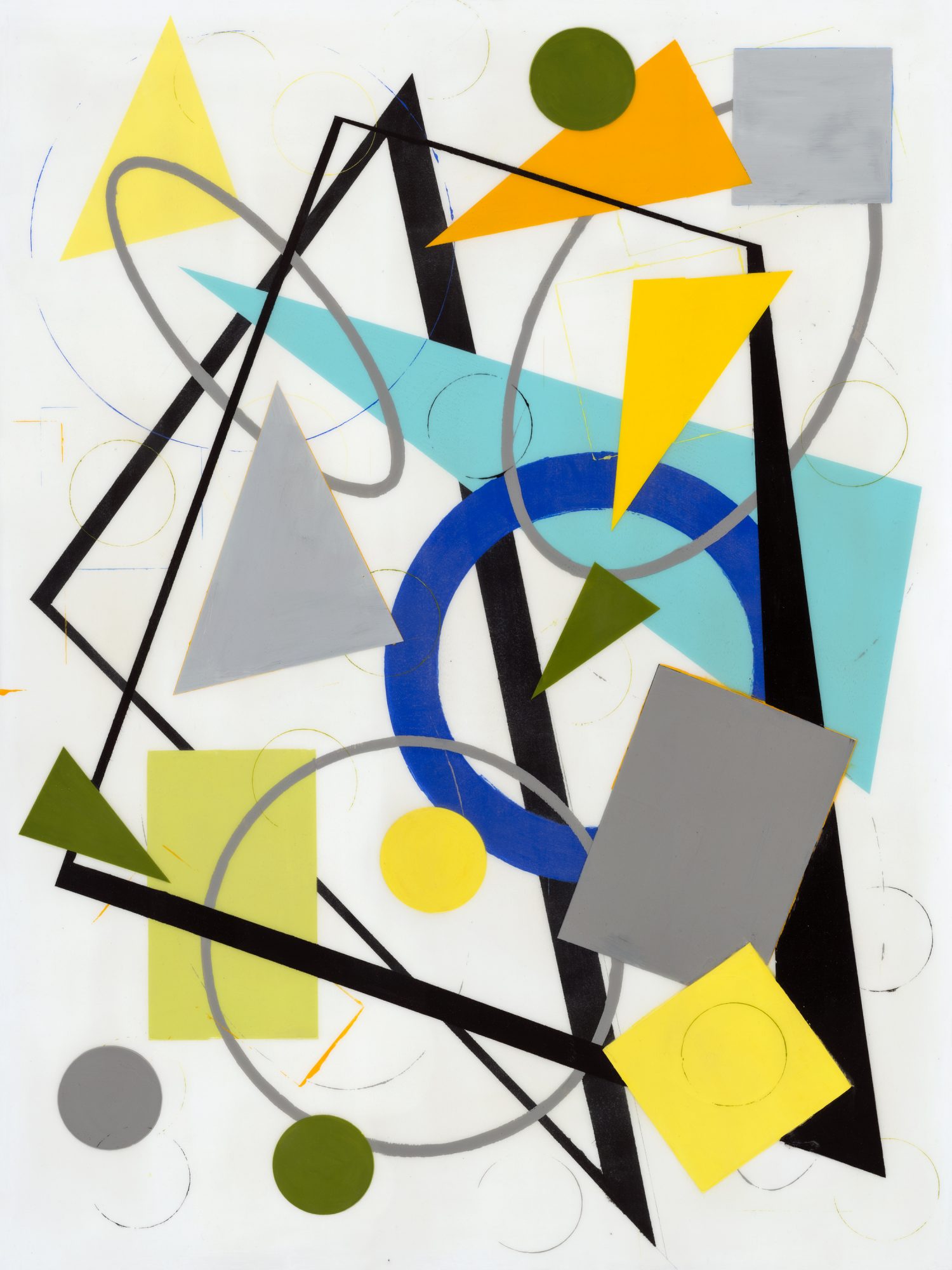
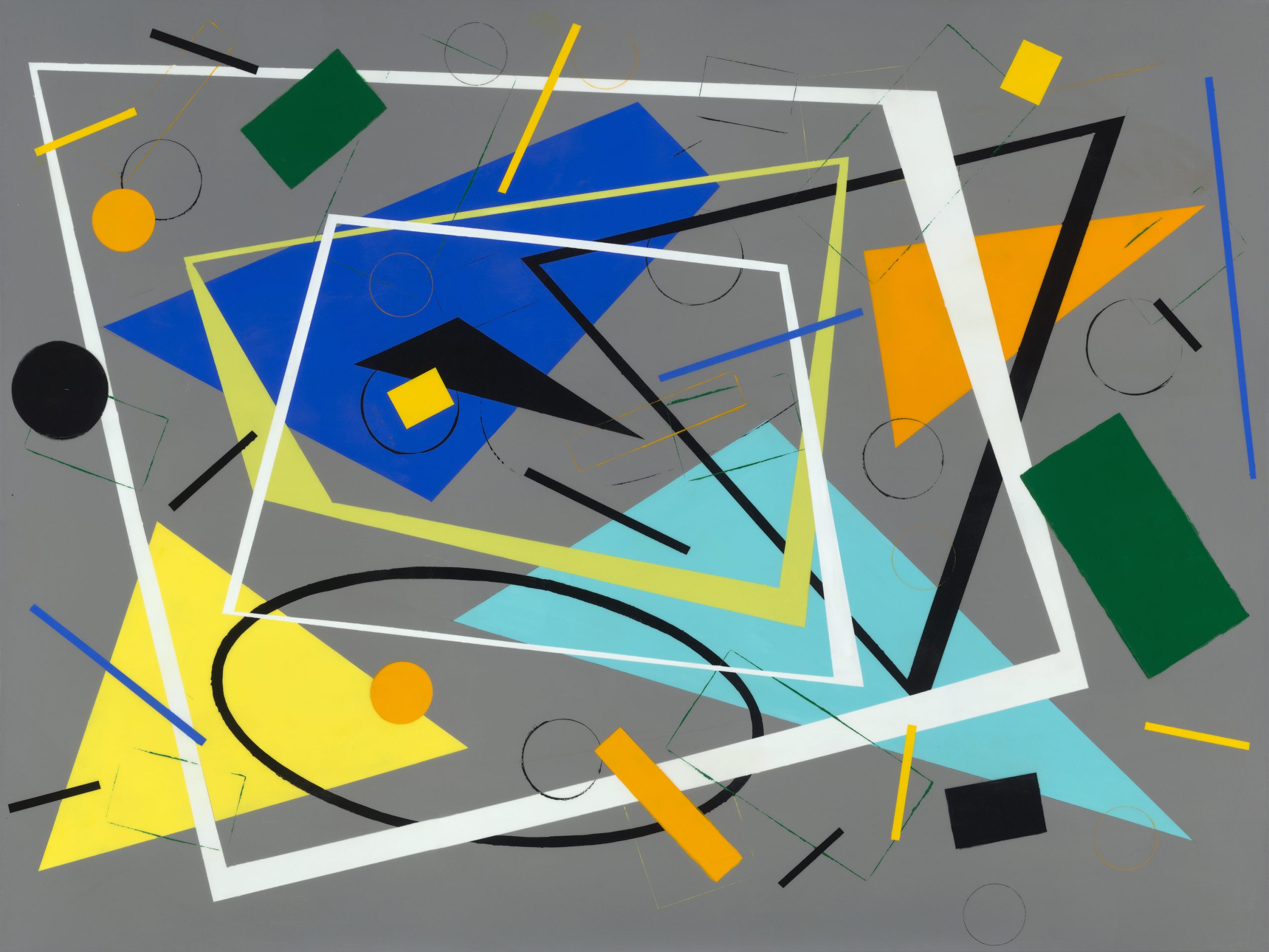
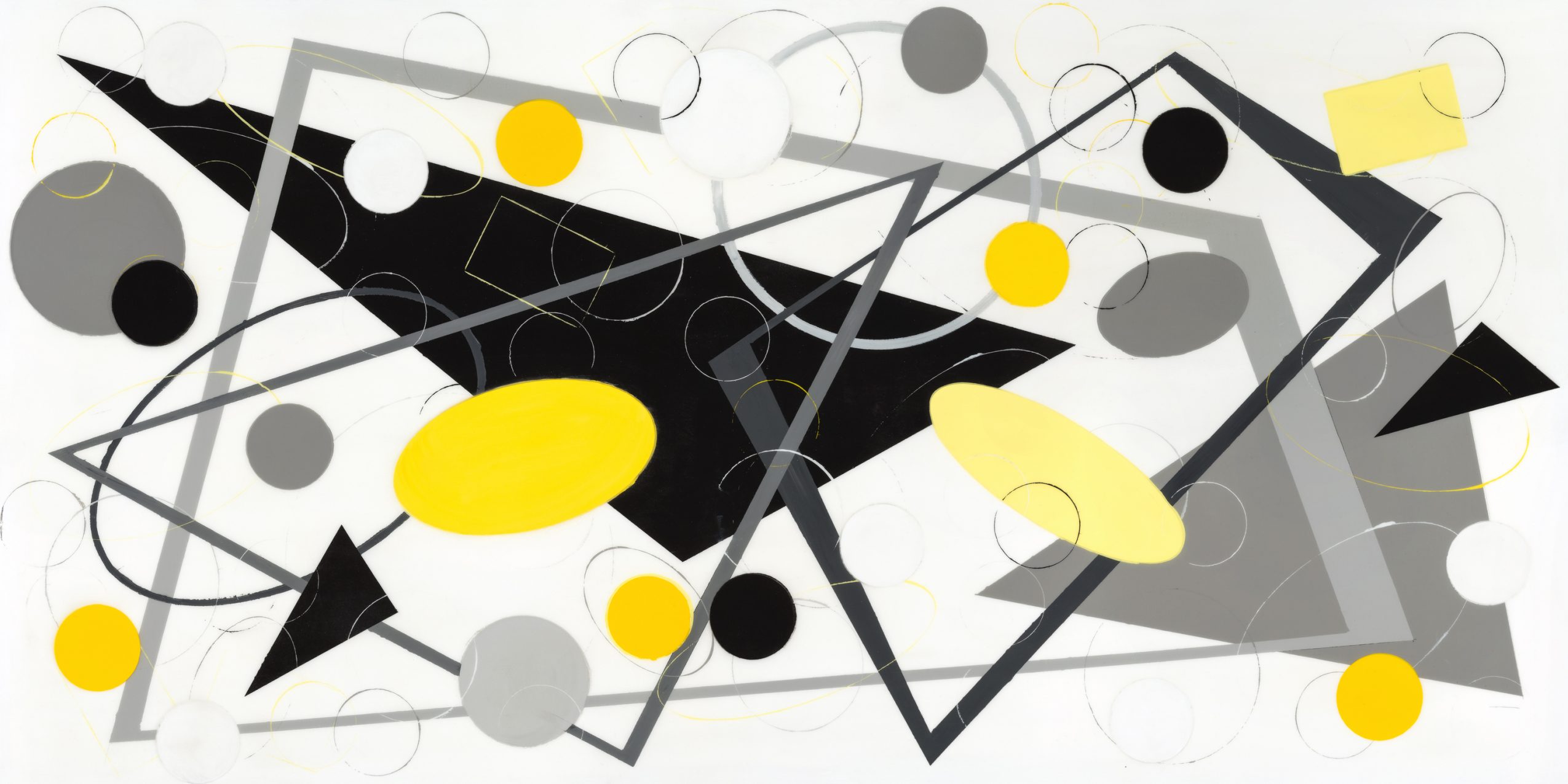
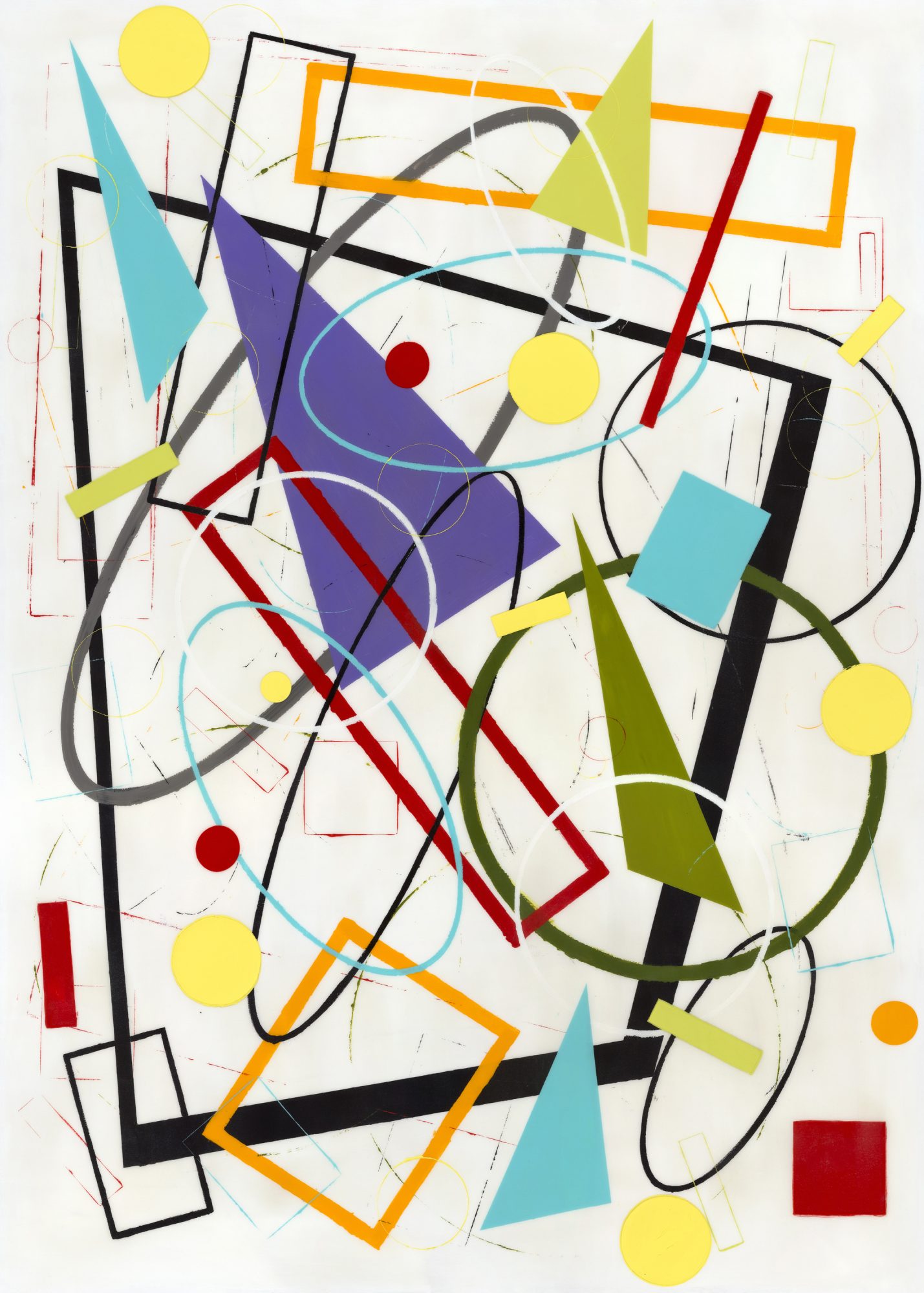
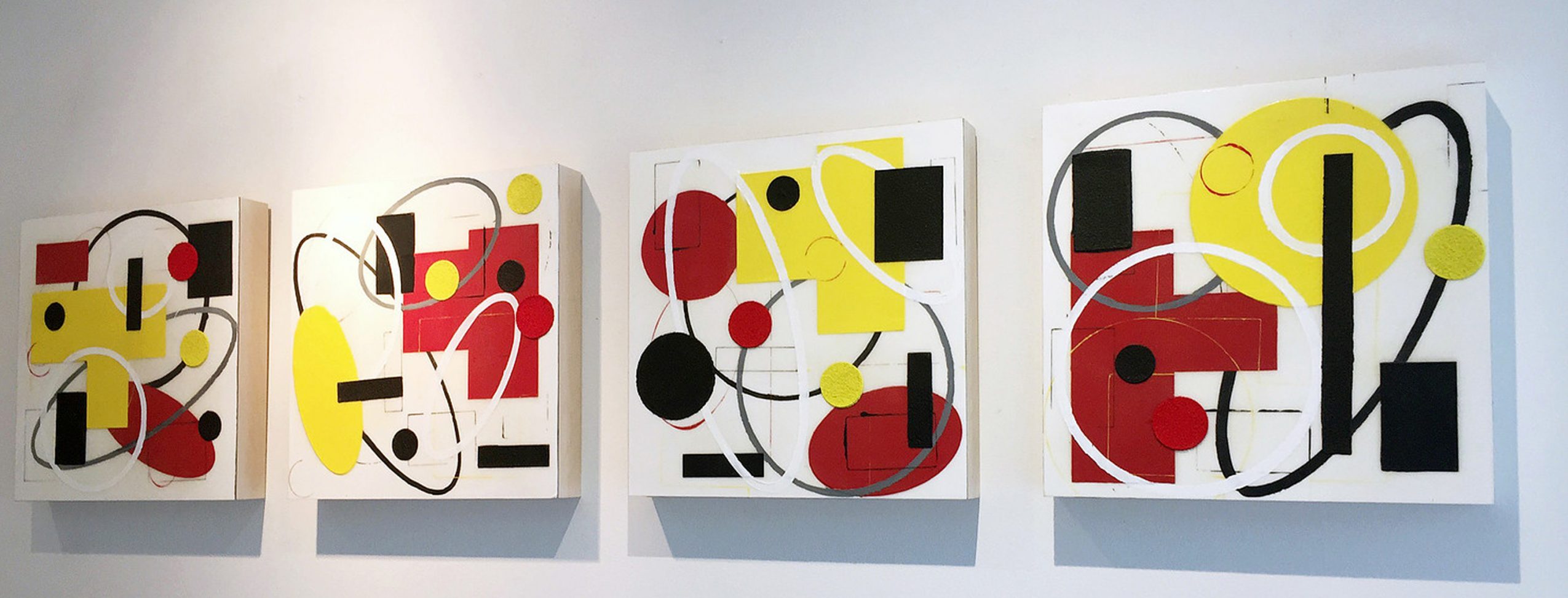 Image Credit:
Madison Editions and Singer Editions.
Getting in touch: BostonVoyager is built on recommendations from the community; it’s how we uncover hidden gems, so if you know someone who deserves recognition please let us know here.