



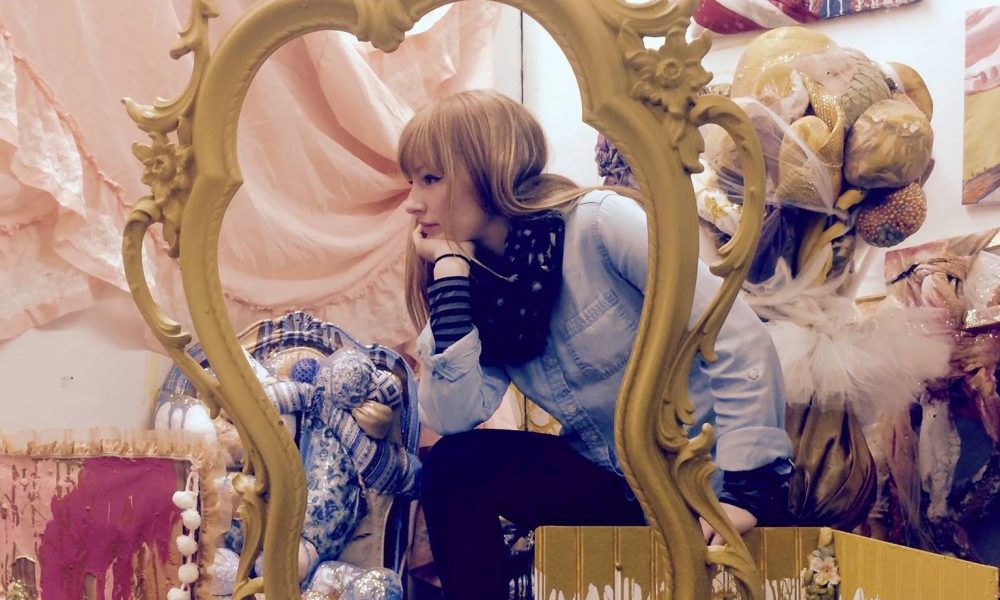
Today we’d like to introduce you to Shannon VanGyzen.
Shannon, please kick things off for us by telling us about yourself and your journey so far.
I grew up in a small, rural town in Rhode Island called Foster. I can thank my high school art teachers for sparking my passion for art because after the very first day of art class, I knew that this was what I wanted to do forever. After high school I ended up moving to Boston in 2008 where I attended Massachusetts College of Art and Design, where I studied Studio Education. I was taught by some incredible professors there and ended up with a huge network of artists and friends that’ll last forever. As a first-generation college graduate, I couldn’t believe it when I graduated in 2013 with departmental honors. I kept living in Boston and taught high school art for a semester at Cambridge Rindge and Latin. At the time I was making mixed media paintings where I explored the limits of its materiality. I ripped holes in the canvas and hung them from their sides to question the physical relationship of a painting to the viewer and the wall. In 2015 I started graduate school at the School of the Museum of Fine Arts at Tufts, from which I graduated last May in 2017 with my MFA.
Here, my practice completely exploded and I began making assemblage sculptures, installations and video. During this time, I also attended my first month-long residency at the Vermont Studio Center, which was an incredible experience that allowed me the space and time to work 24/7. Last July I had the opportunity to go to Hamburg, Germany with my SMFA advisor, a few fellow students and the dean. Here I saw some very challenging, interesting art and got the chance to collaborate with students at the Hamburg School of Art to celebrate their 250th anniversary. It was an awesome experience. After nine years living in Boston, I moved to Providence where I have my studio and am currently an AS220 resident. I’m also an art adjunct at a private high school located on the east side of Providence. A big piece of my heart still lives in Boston, and I am there a few times a week- but Providence is very cool and art friendly (and the living costs more manageable with Boston’s tremendous hikes in rent.)
Can you give our readers some background on your art?
Using the language of an expanded painting practice, my assemblages and installations examine the aesthetics of social class and taste through objects found in the home space. Using household objects as a marker for status and taste, I work with spatial arrangements found in art history and strategies of display to reinforce a discourse surrounding the complexities of unbalanced distributions of wealth and resources. Decorative materials such as furniture, lace, curtains, upholstery and linens are stretched, ripped, stuffed, knotted and pieced together.
Globs of paint and spray-foam insulation seep out of the crevices, as if vomited. Armatures made from used and discarded chairs, lamp stands and table legs support the bulbous structures. The subversive treatment of decorative objects, coupled with the anthropomorphic nature and abject quality of the forms, indicate loss and decline within a decrepit domestic sphere. The somatic sculptures become portraits of an unstable figure impacted by economic distress and deteriorating family and social networks. The assemblages simultaneously mimic and destabilize the veneer of public persona through layers of painted surface treatments on decorative objects whose forms oscillate between states of grandeur and monstrous wretchedness.
As my practice is ever evolving, I’d say my work is not that didactic and is open to interpretation. If anything, though, as I attempt to tackle the intersectional and incredibly complex topic of class in America, and I hope viewers can begin to recognize visual cues in everyday life that indicate so much more than what is on the surface. I hope that through entering the familiarity of the home space I can cultivate a sense of sympathy for the downtrodden yet well-loved forms and, in turn, that viewers begin to question the effects of unbalanced distributions of wealth and resources on so many facets of a fellow human’s life. Although the ideas I am working with are kind of heavy, I do hope viewers find enjoyment in the forms, the colors and the experience of being immersed in one of my installations.
What would you recommend to an artist new to the city, or to art, in terms of meeting and connecting with other artists and creatives?
Being an artist can be lonely. Personally, I have periods of time where I hermit away in my studio. I’ve overcome this by setting monthly goals of going to a number of art openings and exhibitions and meeting people at these events. Also, I have learned to understand rejection is an inevitable part of being an artist- but apply, apply, apply, apply to those fellowships, grants, residencies, call for works- eventually something will work out (the more you apply, the better the odds- its simple math!). The more opportunities I’ve secured, the more artists I become connected with.
What’s the best way for someone to check out your work and provide support?
People can follow me on Instagram @shannonvangyzen_art or check out my website: www.shannon-vangyzen.com
People can support my work by exhibiting it, sharing it, talking about, and, of course, purchasing it. On a larger scale, people can help support artists through donating supplies or their time to economically distressed communities and schools in need.
Contact Info:
- Website: www.shannon-vangyzen.com
- Email: shannon.vangyzen@gmail.com
- Instagram: @shannonvangyzen_art
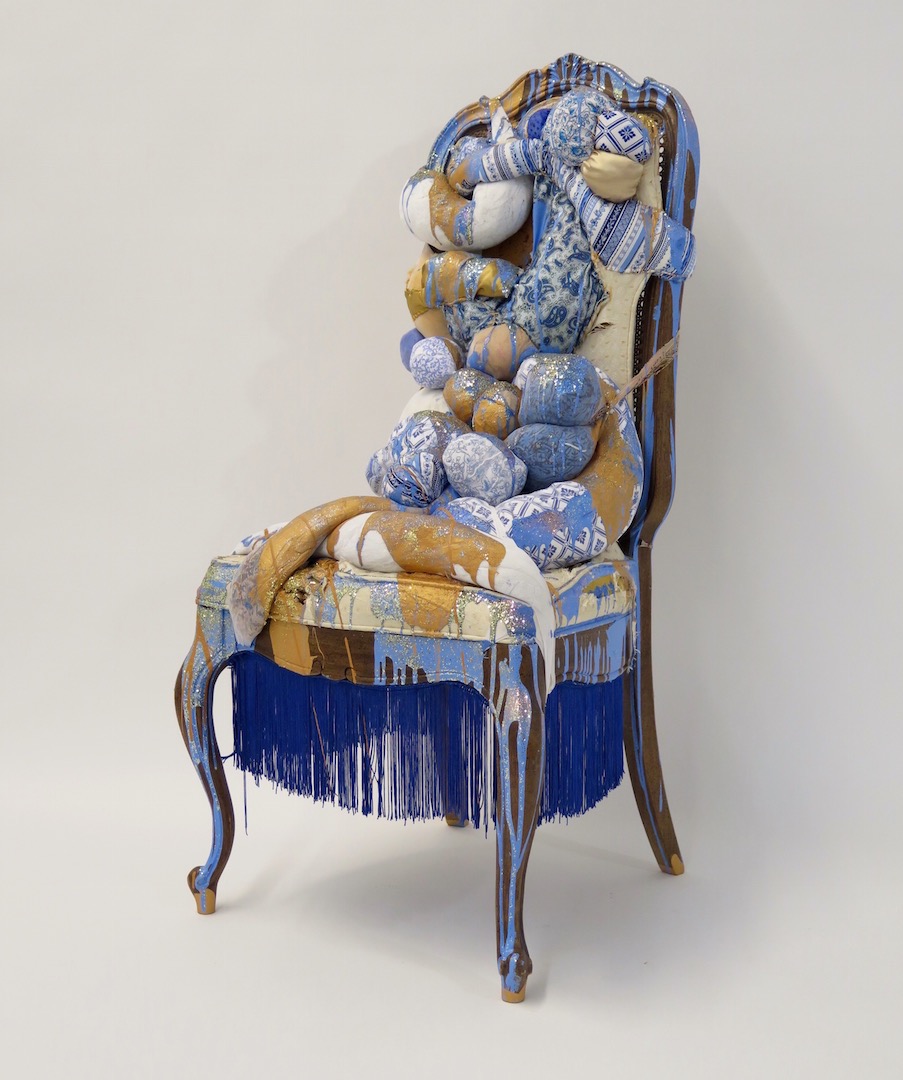
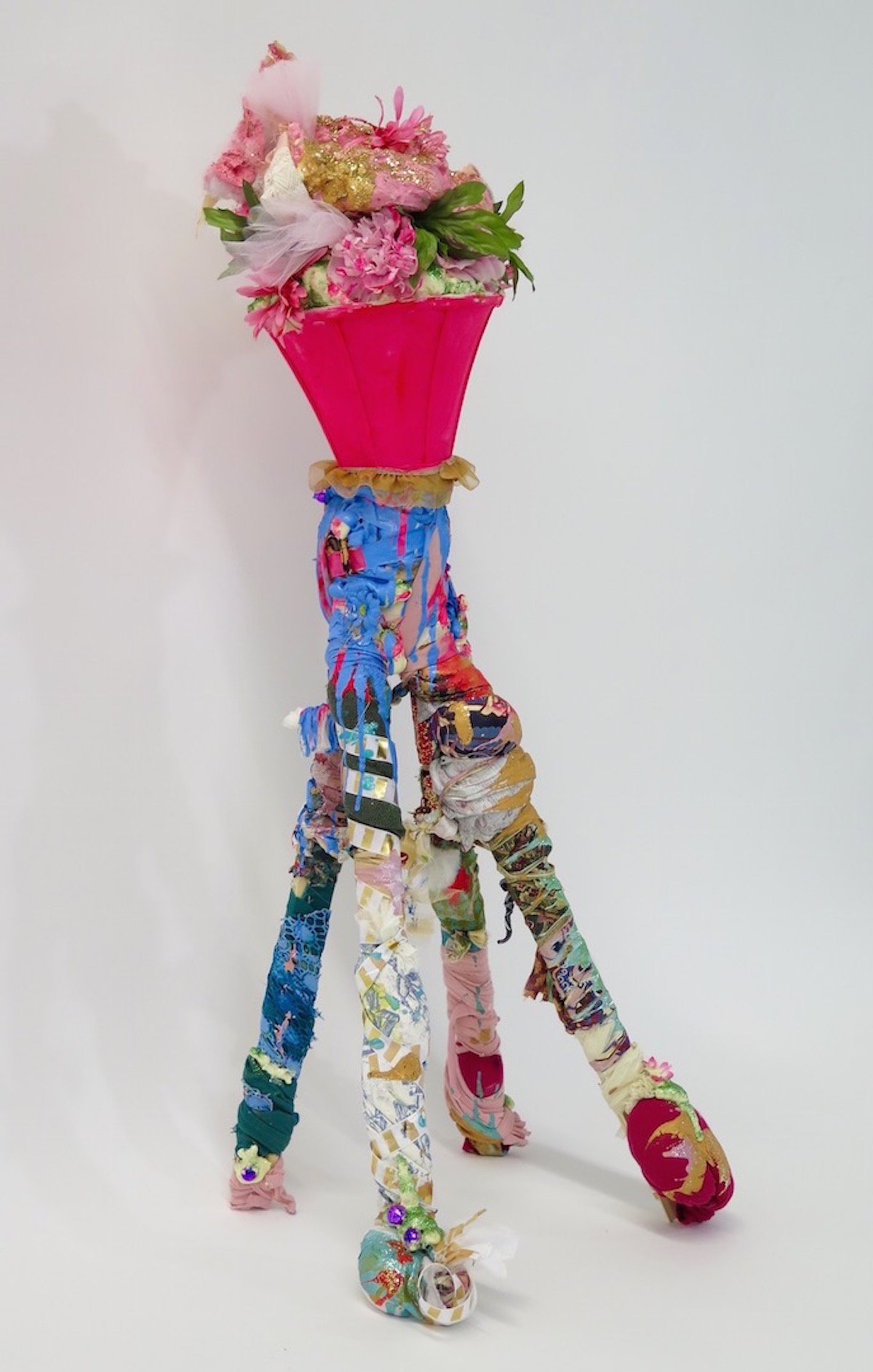
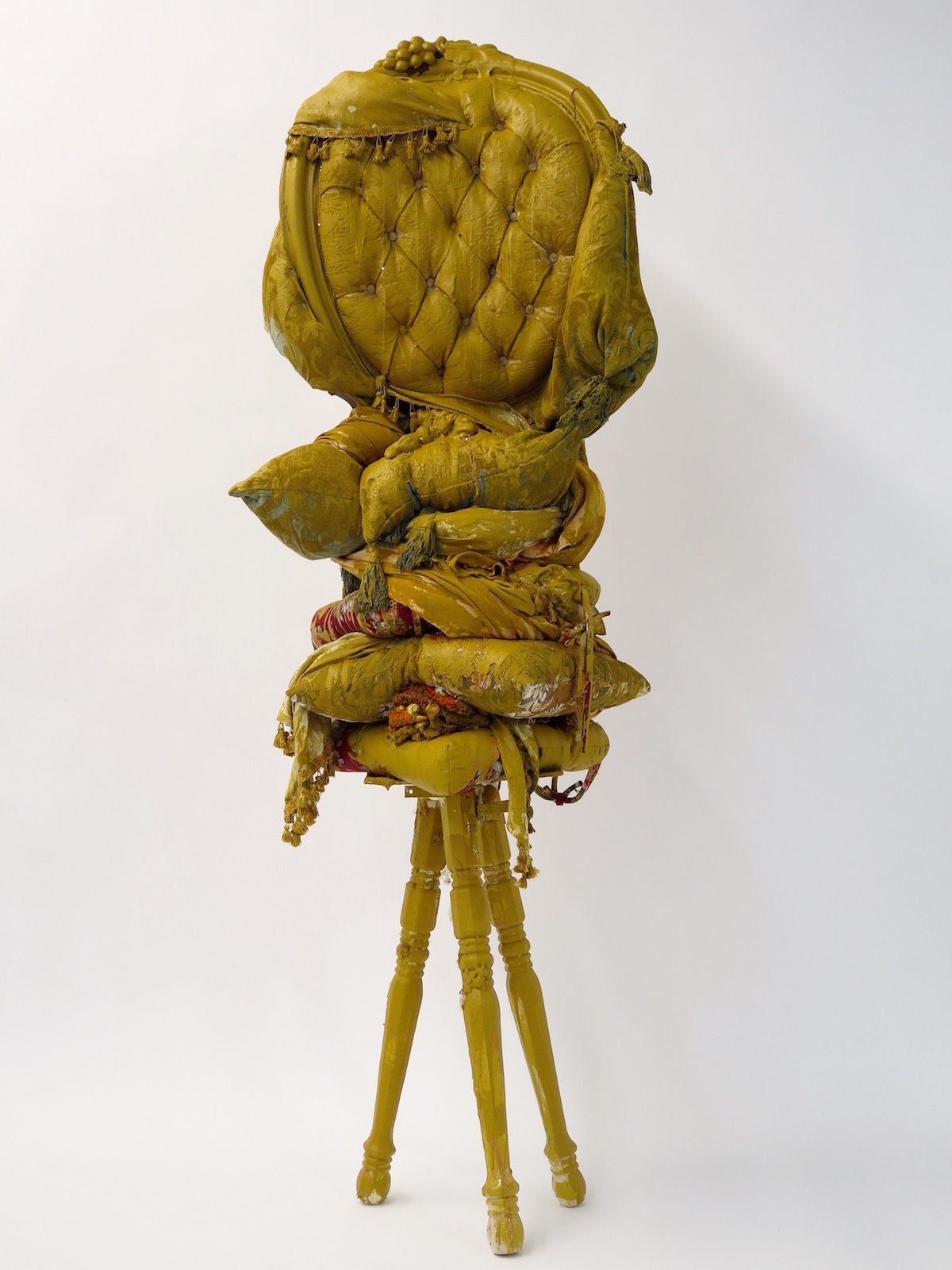
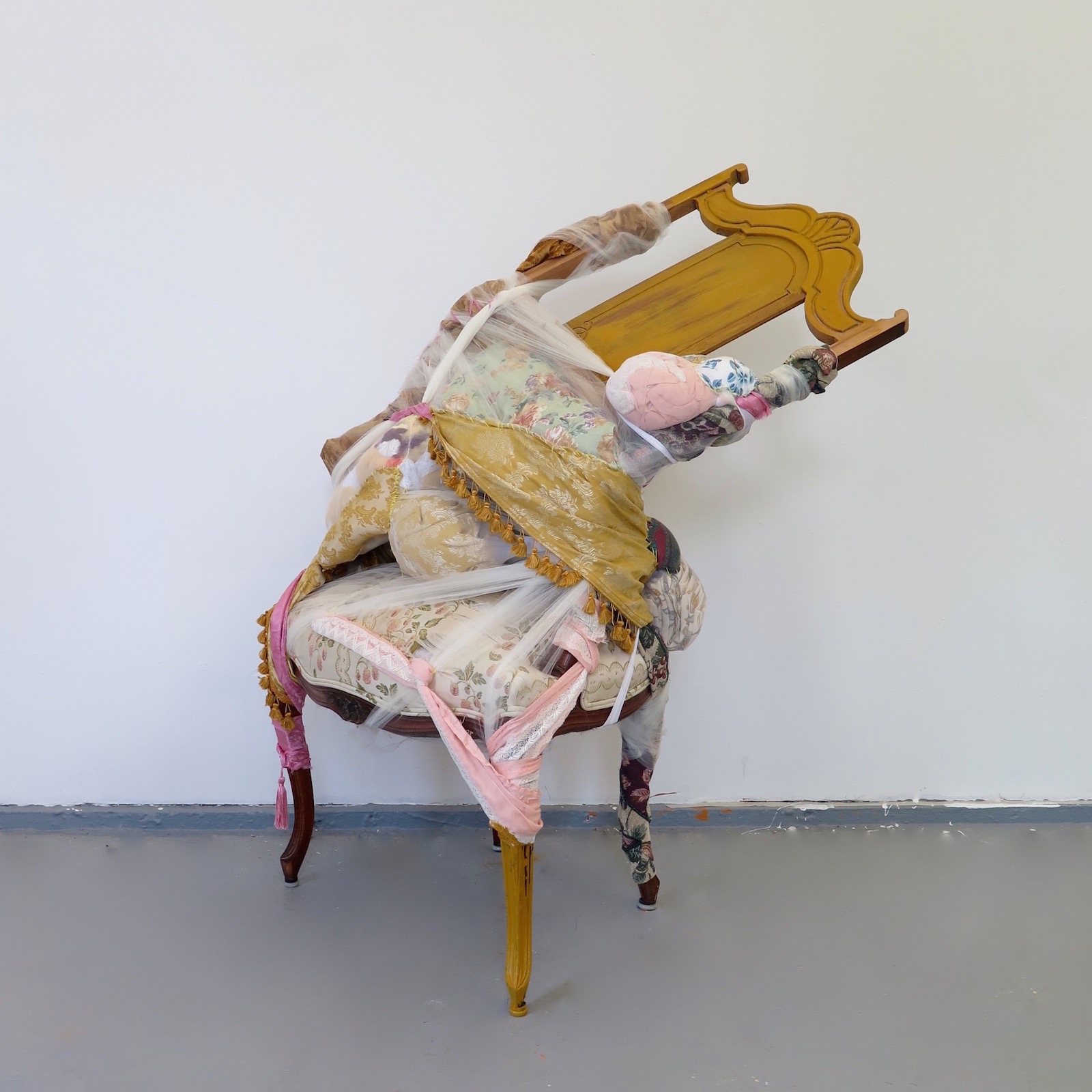
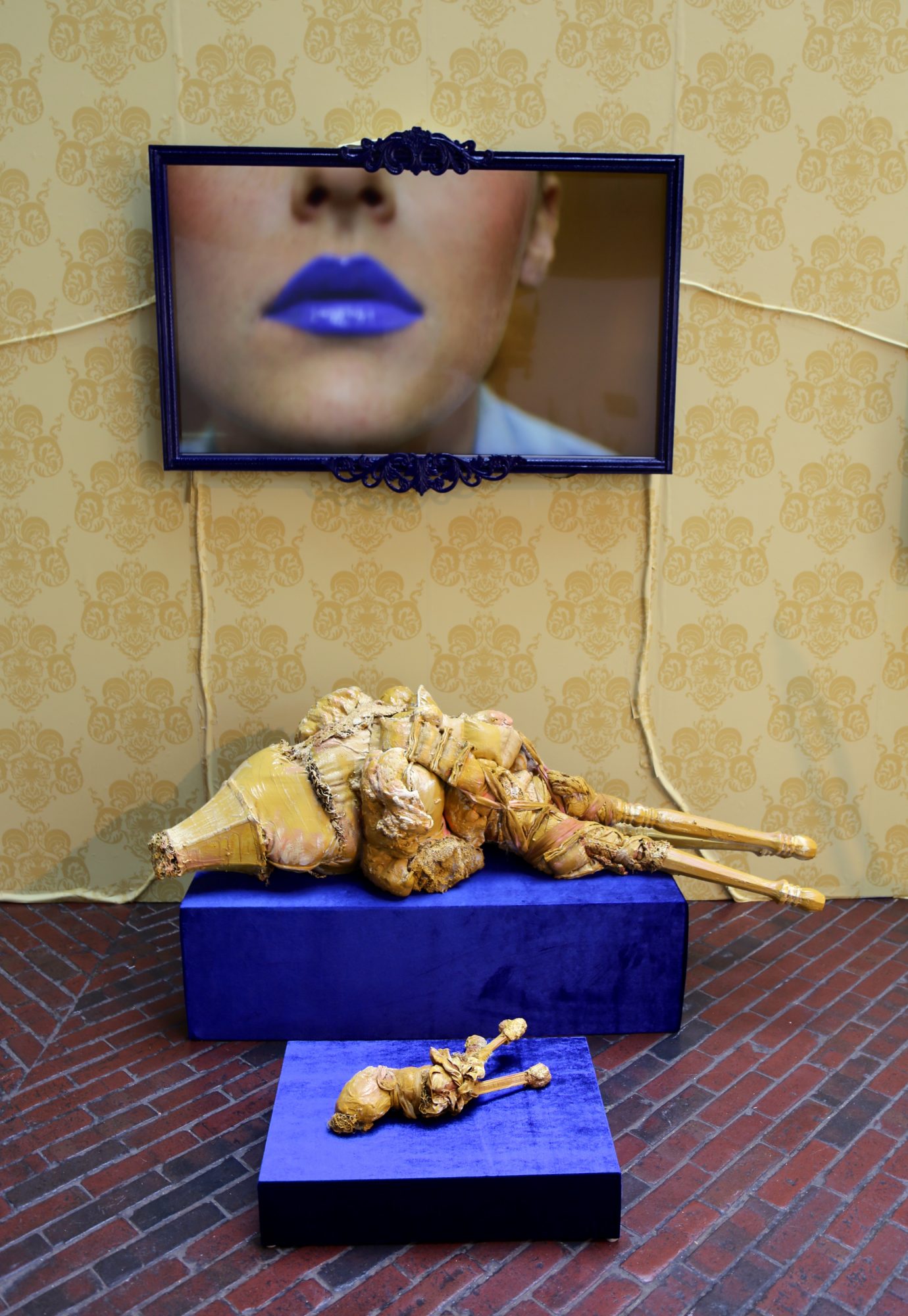
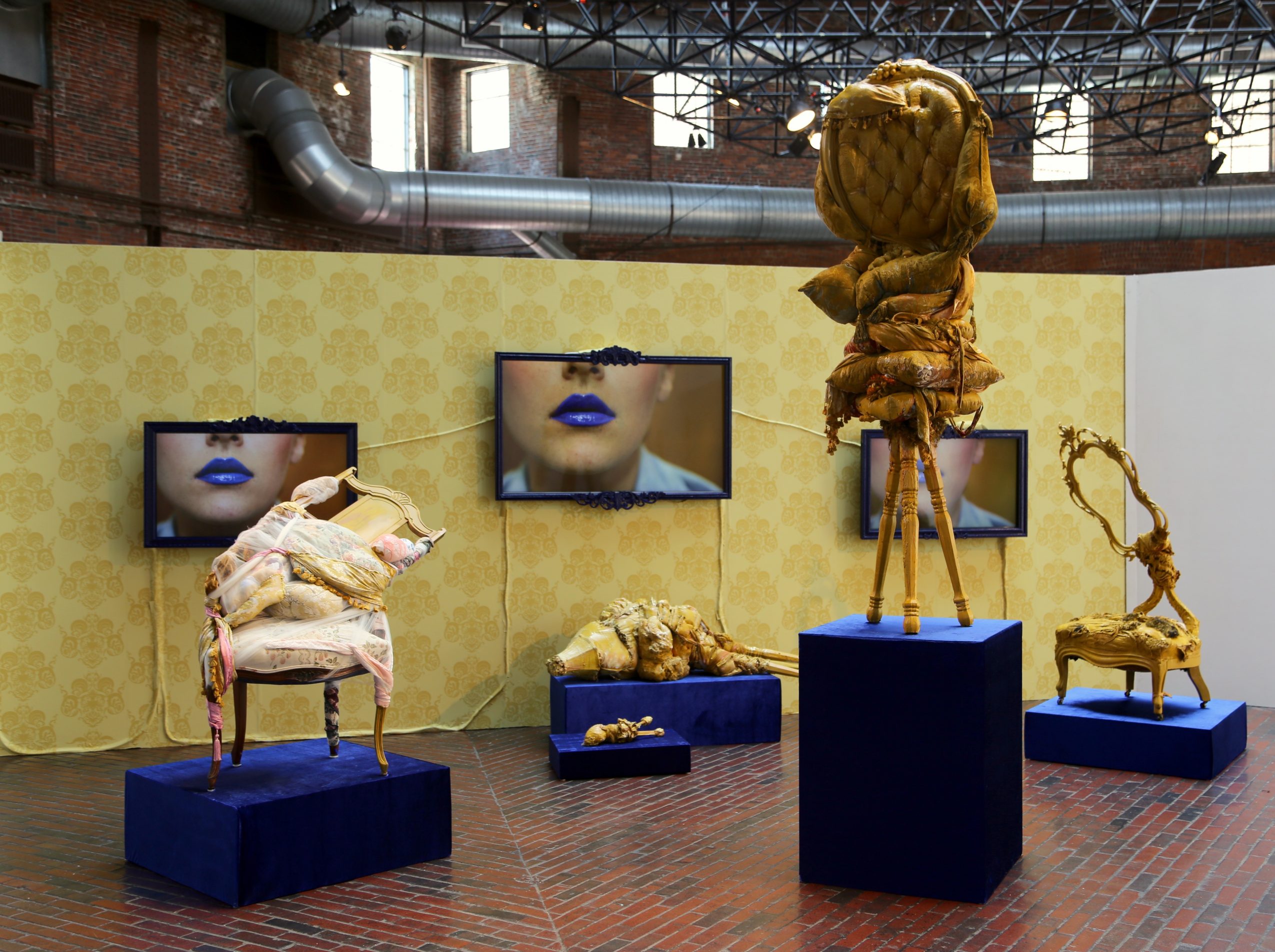
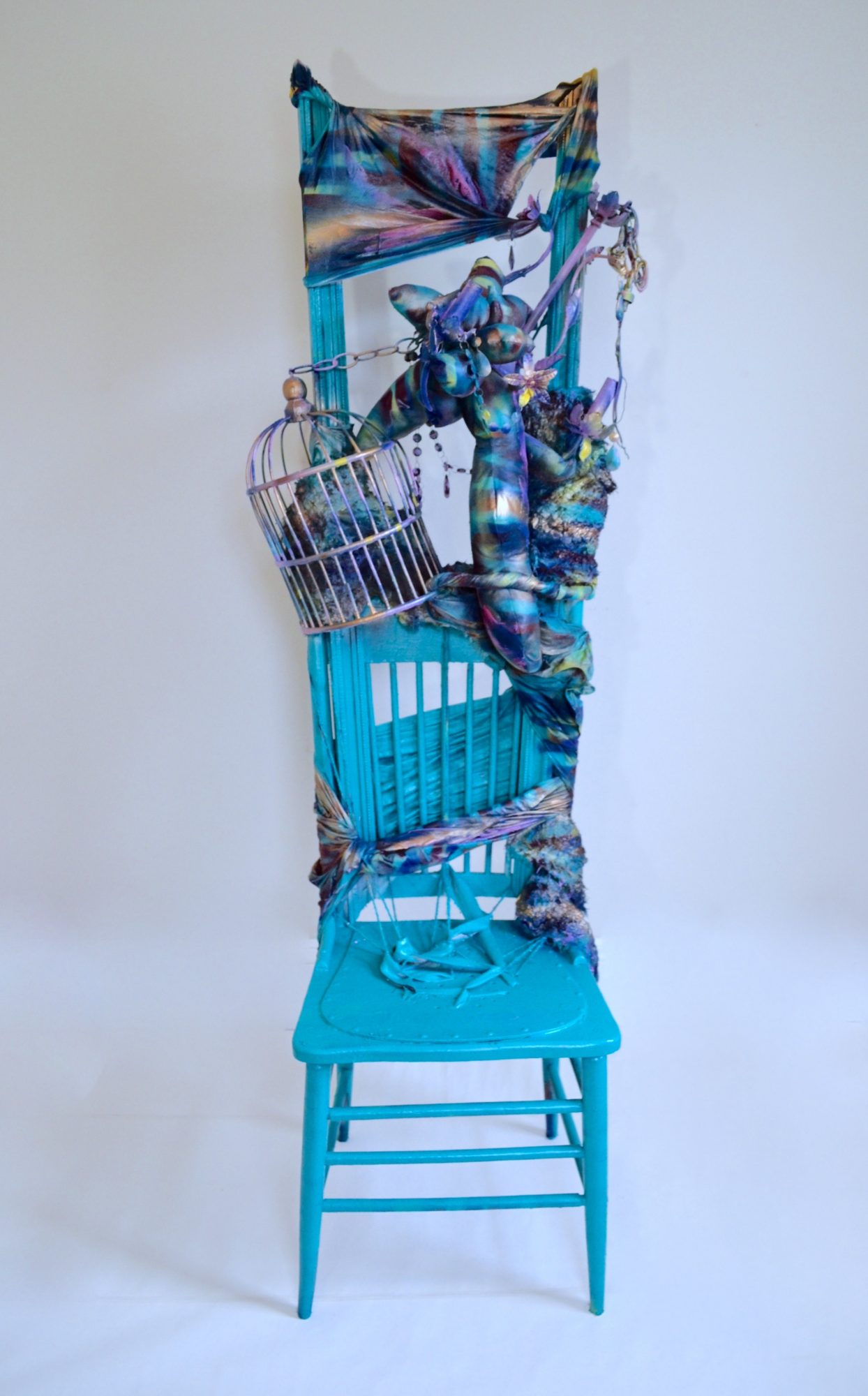
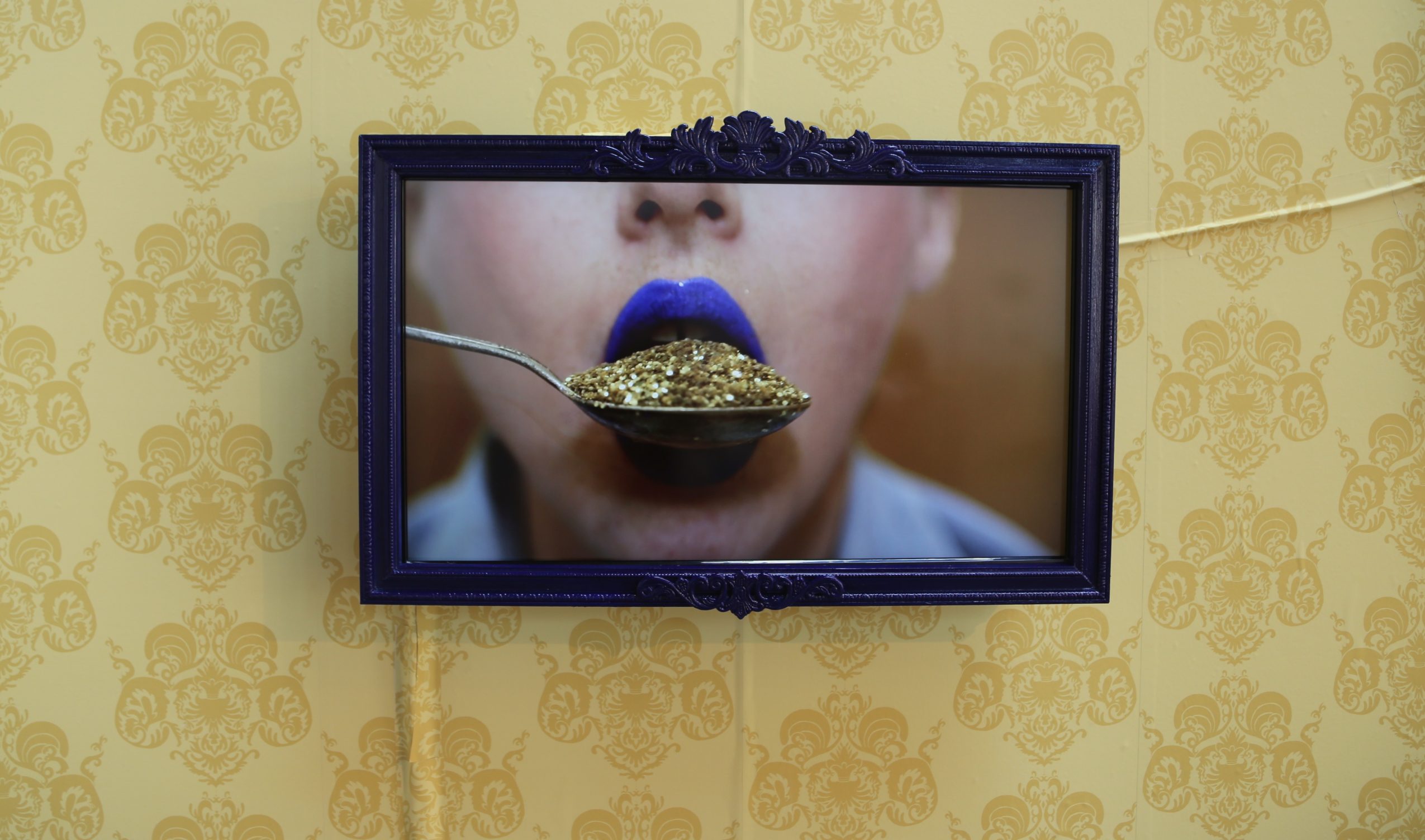 Image Credit:
Shannon VanGyzen
Getting in touch: BostonVoyager is built on recommendations from the community; it’s how we uncover hidden gems, so if you know someone who deserves recognition please let us know here.