



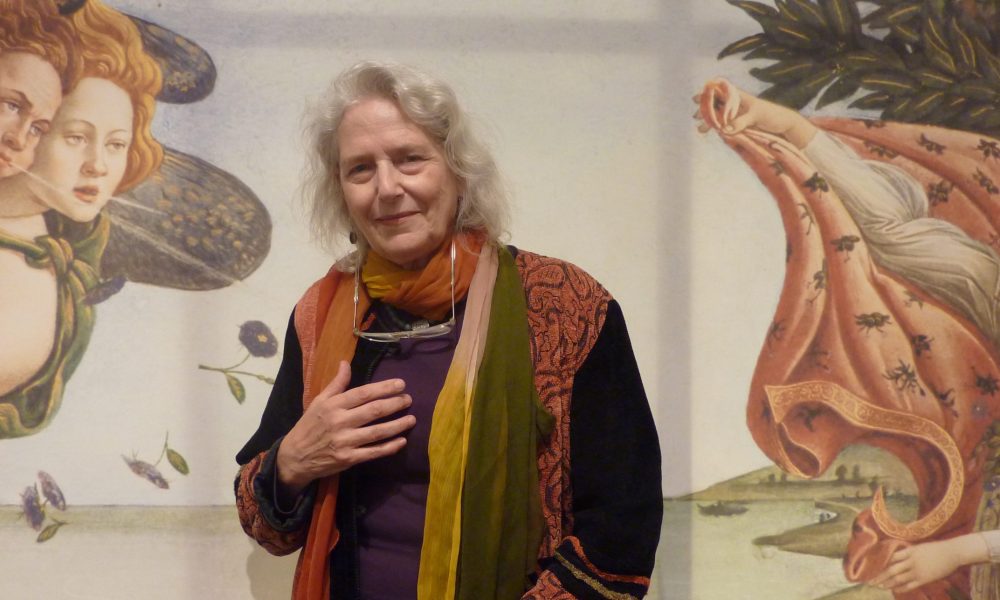
Today we’d like to introduce you to Dorah Blume.
Every artist has a unique story. Can you briefly walk us through yours?
From an early age, I loved to draw and soon earned the title of “class artist.” I was a slow reader and an even slower test taker. Art work was another matter. While I was in high school, art was not considered a relevant subject for college-bound students, so I needed special permission to add it to my schedule. The art room at the top floor of Malden High School was my refuge. Miss Babineau and Mrs. Carney inspired me with their love for museums and all manner of art, and I flourished there. When it came to college, my broader interests led me to follow a liberal arts program rather than what I viewed at the time to be a limited curriculum of an art school. At Bennington, I continued to divide my creative energies between visual art and writing. Studying literature with Bernard Malamud was a turning point. Soon, words and images raced neck in neck for my concentration until I brought them both together with a career in graphic design where word and image are inseparable. In my late 40s, writing took the lead, and I enrolled in the MFA program for creative writing at Emerson College in Boston. My small independent press, Juiceboxartists Press, released my debut novel, Botticelli’s Muse in July of 2017, with word and image back together again: Author — my pen name Dorah Blume; Illustrator — D. Bluestein.
Please tell us about your art.
My Visual Art:
I love to make collages because the process for me is immediate and completely intuitive. I like to use familiar materials in unfamiliar ways. I was always an avid doodler so when I found Zentangling, it was as though I had been preparing for it my whole life. Using some of those techniques of line and pattern I have spent the last couple of years making hand-drawn mandalas.
Psychoanalyst Carl Jung drew and painted mandalas and had his patients do the same. Almost all spiritual traditions of the world have mandalas in one form or another. Navajo sand paintings, the design of churches, Indian Tankas; the list is a long one. They are objects of meditation and contemplation.
Most mandalas are drawn within fixed geometric confines assuring perfect symmetry. Unlike those, my “Quirky Mandalas” breathe and grow in a way that mechanically drawn mandalas do not. And many of my mandalas make people laugh while they are coloring them — especially the ones with animal and human characteristics.
I start my mandalas without a plan. I make a simple shape in the center and work out to the edges, often turning the paper as I go. I do not use an eraser or any mechanical devices like compasses or French curves to make them symmetrical. They are more cellular than geometric. They are wobbly, intricate, and lopsided, similar to the annual concentric rings inside a tree trunk — a pattern, but not a symmetrical one — and a pattern not unlike the uneven, yet continuing years in a person’s life that circle around an ever-changing yet constant self.
My Writing
I have published personal essays in the Cambridge Tab and Cambridge Chronicle. A few of my short stories have appeared in little know literary magazines. Right now I’m in the middle of the sequel to Botticelli’s Muse as well as a novella about Pauline Cushman, a double agent during the civil war.
As an artist, how do you define success and what quality or characteristic do you feel is essential to success as an artist?
Time is essential for success. Lots of down time. Time to decompress and then to invent and go into your art. I consider someone who makes art on a consistent basis and carves out the time to do so, is an artist who has achieved primary success. So many people long to have more creativity in their lives but fail to plan time for it. Primary success comes from habit power: the habit to consistently make art no matter what else is going on, and whether people like your art or not. That’s personal success. But then, there is the kind of success that the world recognizes with prizes, awards, and rewards. With that kind of external success, artists can grow and expand their art making.
The majority of us are jugglers who must pay the bills from jobs that often take time away from our art. I would love to experience some of that outer success — to have my work recognized, encouraged, and valued, but without the personal, primary success, and the risk to do your work poorly but do it anyway, is something that drives me. G.K. Chesterton says, “A man must love a thing very much if he not only practices it without any hope of fame and money, but even practices it without any hope of doing it well.”
Patience. Things always take longer than you think they will but if you’re dedicated to making your art the best you can, it takes time to gestate, to grow, to mature, and to share.
Trust the process. I thought my novel Botticelli’s muse was done in 2008, but it wasn’t. It required more revisions, illustrations, and finally released it 9 years later.
How or where can people see your work? How can people support your work?
People can see my mandalas online in Instagram https://www.instagram.com/dorahblume/. Also, I created a calendar of Quirky Mandalas for 2018 and it is for sale on amazon. https://www.amazon.com/2018-Quirky-Mandalas-Calendar-Contemplation/dp/0998131652/ref=sr_1_4?ie=UTF8&qid=1524602798&sr=8-4&keywords=quirky+mandalas
Readers can purchase a print or electronic version of my debut historical novel Botticelli’s Muse ISBN 978-0-9981316-0-3 or ISBN 978-0-9981316-1-0 on line through Amazon, iTunes, or special order it from any chain or independent book store since it is in the Ingram Catalogue one of the principal book wholesalers in the world. In Boston, a few copies should still be available at the Trident Booksellers and Cafe and at the Brookline Booksmith.
In the near future, I hope to start a Patreon.com account so that fans can become patrons for as little as a dollar a month to support my content creation, get a sneak peek at new work, and explore their own imaginations with creativity prompts that I will share with them. For now, joining my author’s email list as a fan is the best way to support me and anyone can do that by visiting my website.
Contact Info:
- Website: www.dorahblume.com
- Email: dorahblume@me.com
- Instagram: https://www.instagram.com/dorahblume/
- Facebook: https://www.facebook.com/dorahblume
- Twitter: https://twitter.com/walkinghead2009
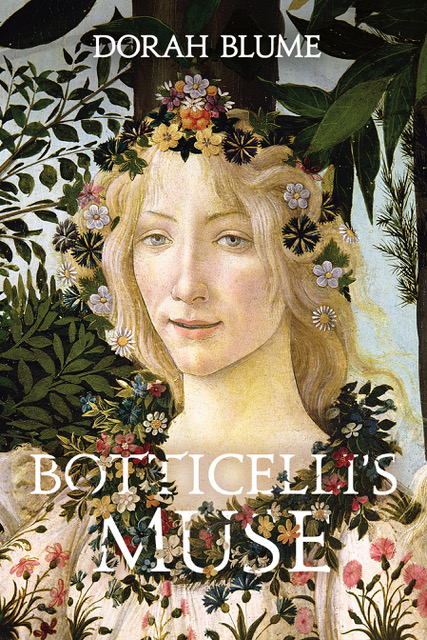
cover design of Botticelli’s Muse: Jo Walker
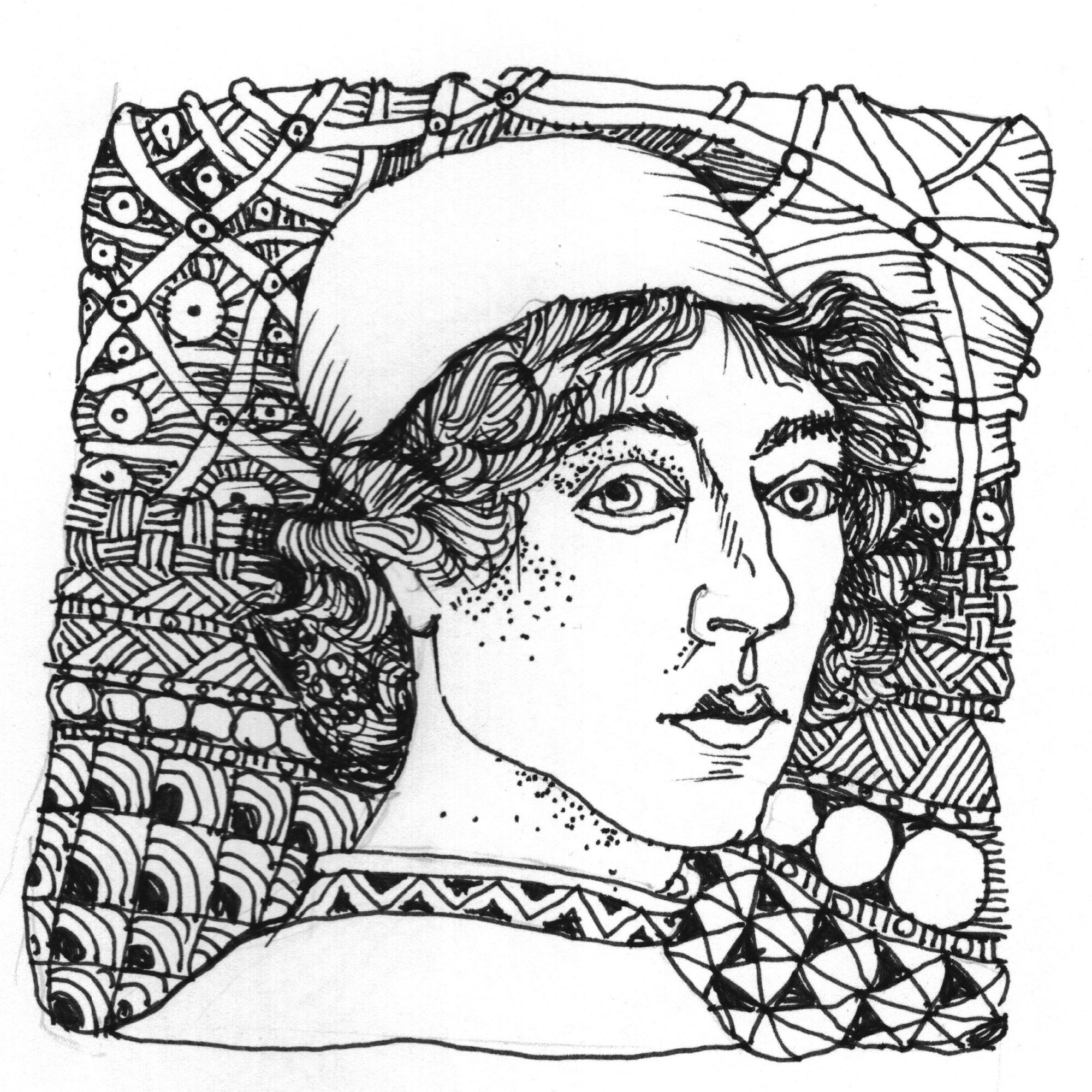
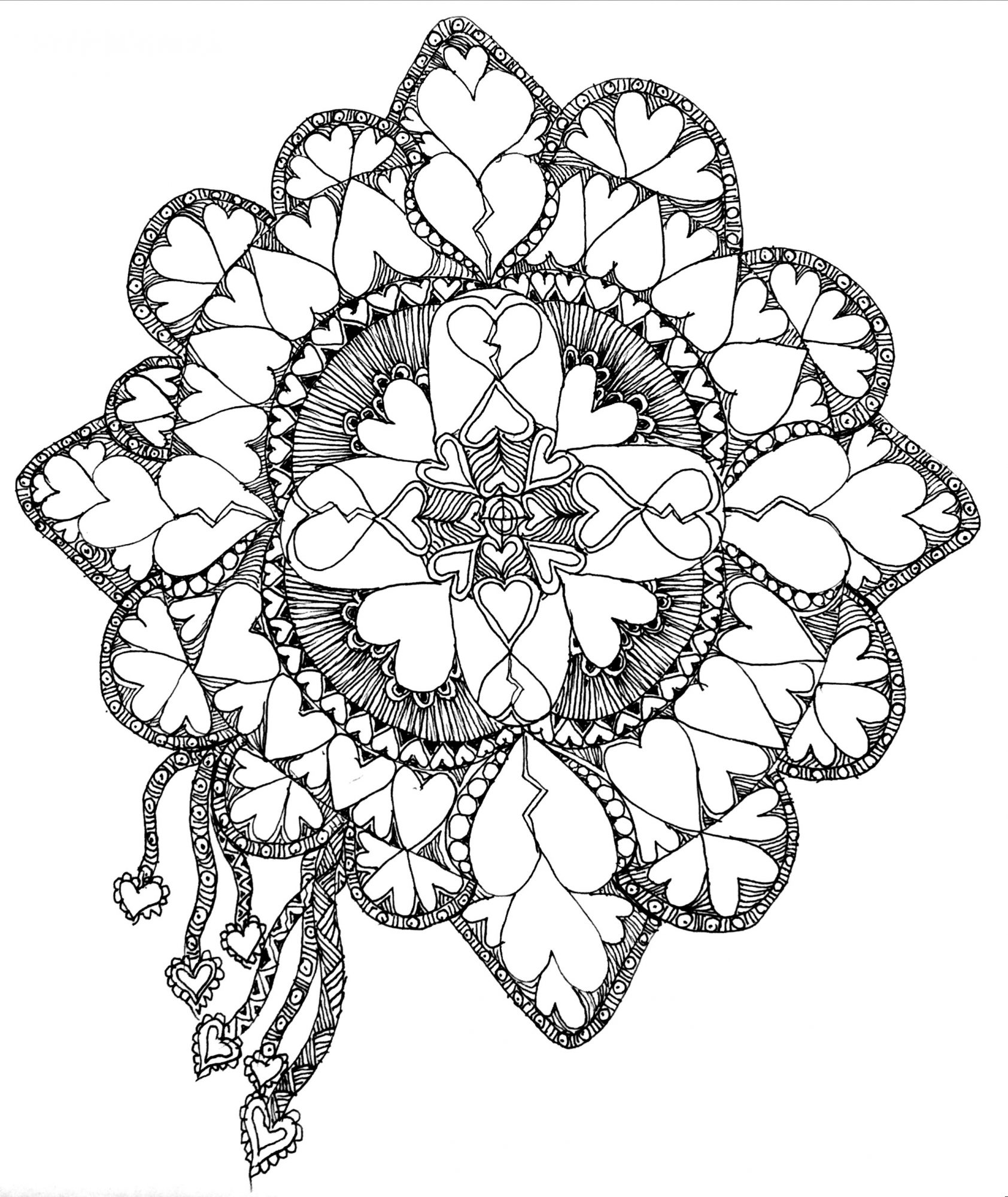
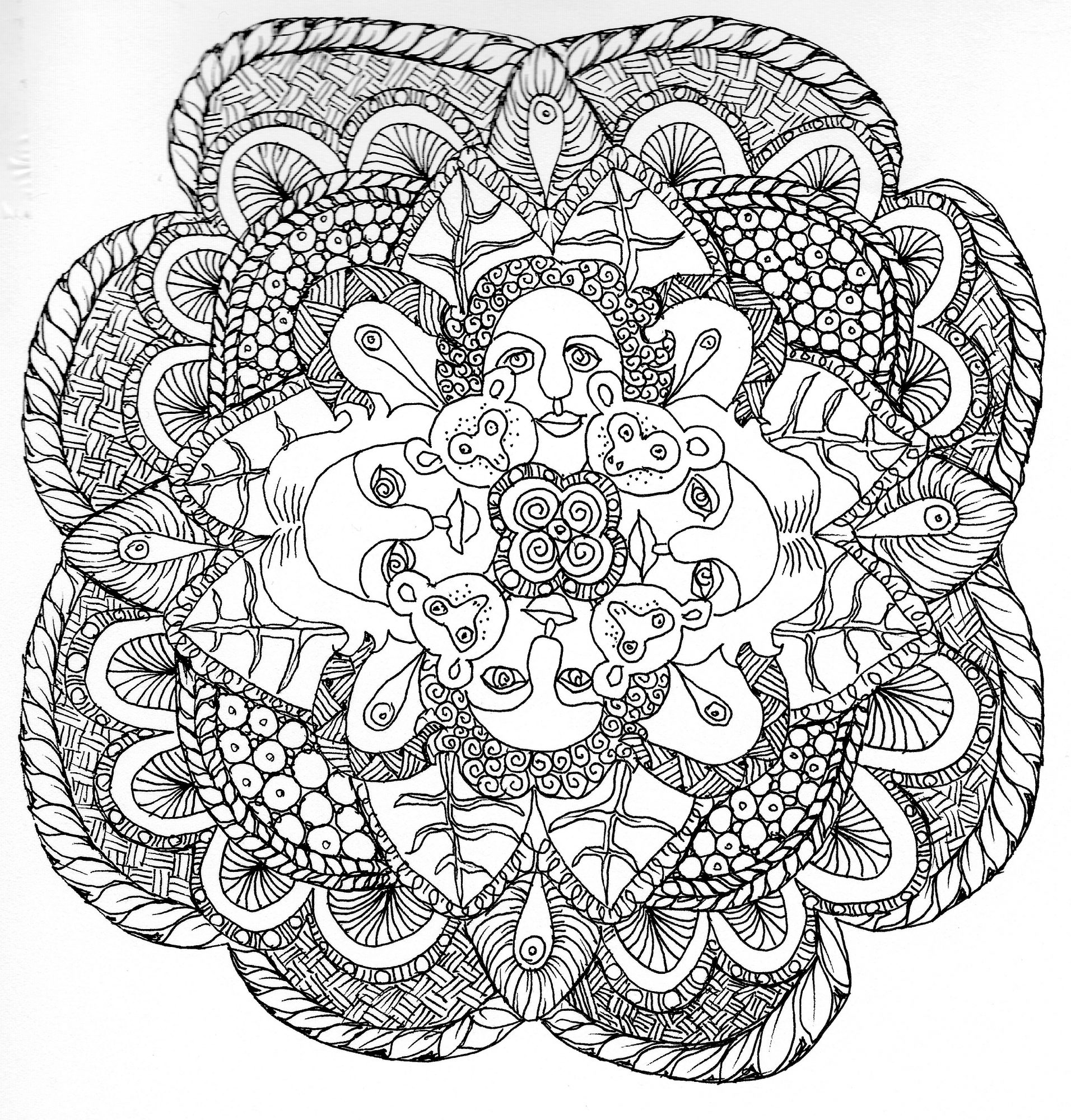
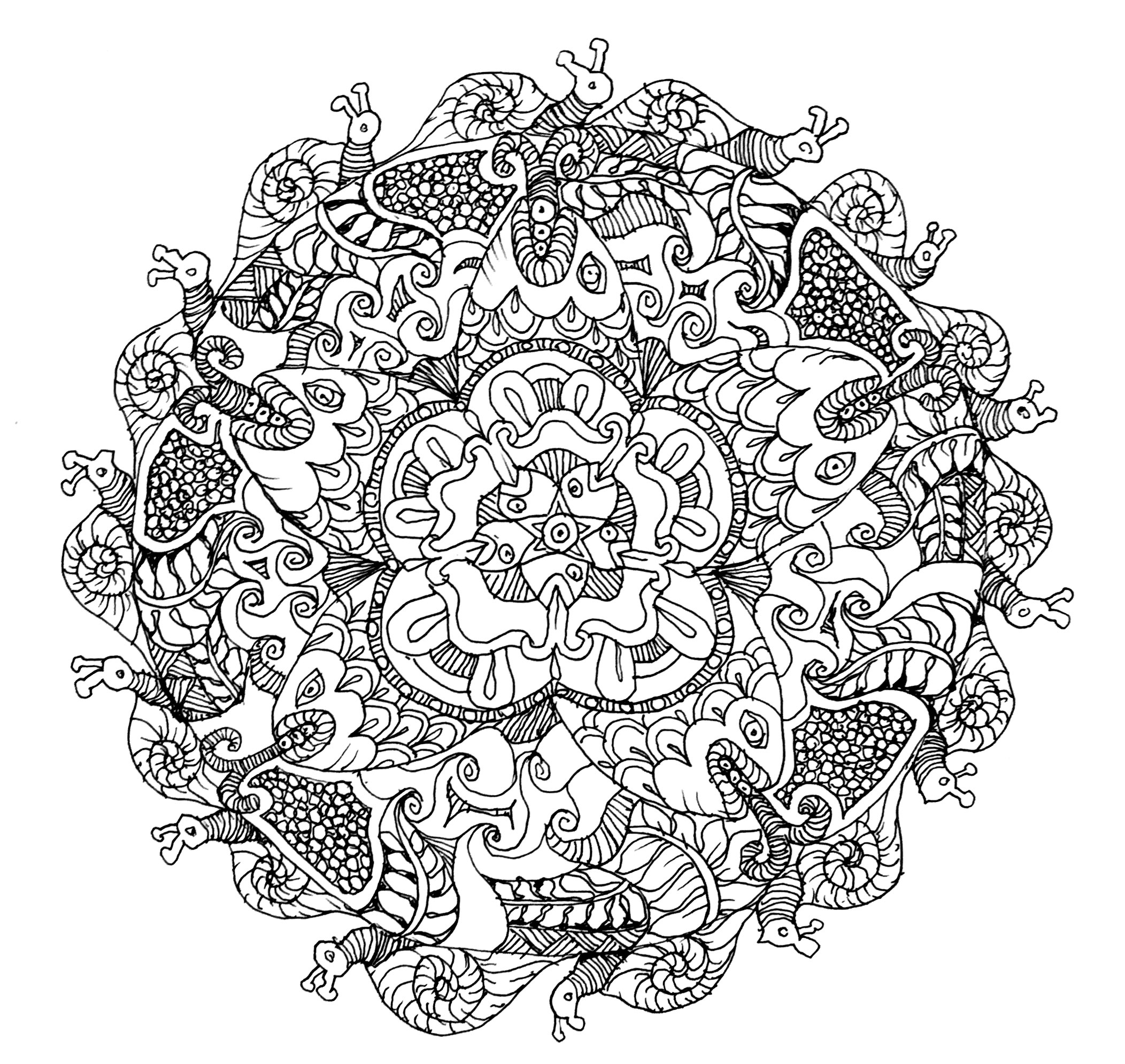
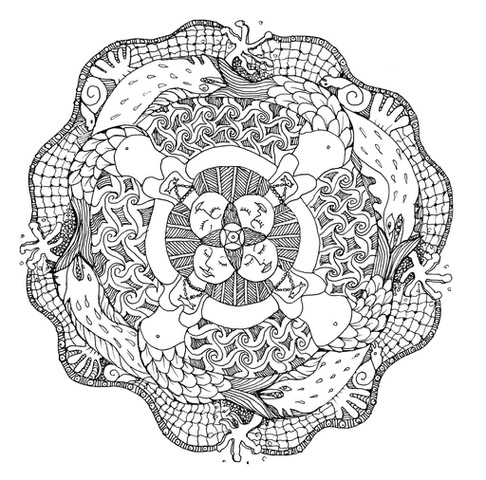
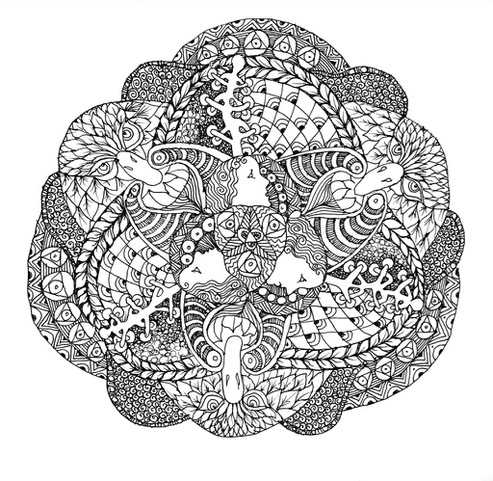
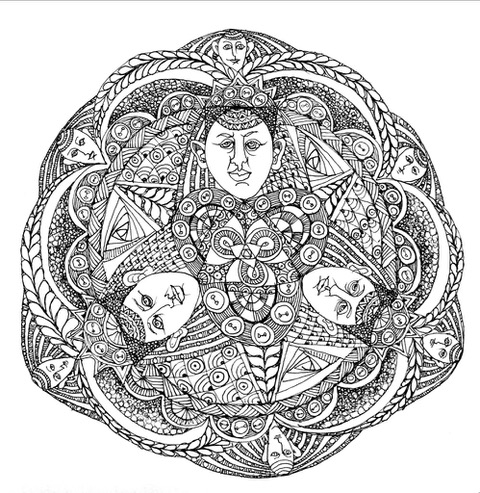
Image Credit:
Dorah Blume
Getting in touch: BostonVoyager is built on recommendations from the community; it’s how we uncover hidden gems, so if you know someone who deserves recognition please let us know here.