





Today we’d like to introduce you to Brenda J. Bond.
Brenda, can you briefly walk us through your story – how you started and how you got to where you are today.
I am currently Associate Professor & Chair of the Institute for Public Service, in the Sawyer Business School at Suffolk University, where I have been for 11 years. I lead the Master in Public Administration Program, the academic program that educates public service leaders and managers. In addition to teaching, I have an active research agenda that includes studying police organizations. I study the structures, functions and processes within police organizations in their efforts to improve their efforts and outcomes. This includes working with police agencies in the adoption of innovations and the introduction of organizational changes. I consult with police organizations across the country on how to change their policies and practices to improve their work. I also study how public and nonprofit community organizations work together to solve “wicked” problems. My research is action-oriented, which means studying and changing organizations at the same time.
My story begins as a first generation college student, entering into a community college to study criminal justice. From there, I continued my studies at the University of Massachusetts Lowell, earning a Bachelor’s and Master’s Degree. I then worked for the City of Lowell Police Department as Director of Research and Development, creating new programs and securing state and federal grants to support improved police-community relations. In this role, I not only experienced the enormous impact that police can have on a community, but I was also introduced to the challenges of being a female civilian working in a traditional law enforcement agency. I also began to see the value of having the police and the city work with researchers. I became increasingly interested in learning how research can inform practice and how practice should inform research.
In my early 30’s, I left this position and entered into a PhD program at the Heller School at Brandeis University. The ability to leave a full time job to study full time was a gift and a life changer. Studying economics, political science and sociology expanded my thinking and confirmed my passion for research in pursuit of community impact. While studying, I continued to work with law enforcement agencies. I joined Suffolk University as a faculty member in 2007. At Suffolk, I have had the privilege of meeting and coming to know hundreds of public service professionals who have dedicated their lives to improving the lives of others. Working with them is also a gift.
I live with my family in NH, where we spend our time doing almost anything we can outdoors.
Great, so let’s dig a little deeper into the story – has it been an easy path overall and if not, what were the challenges you’ve had to overcome?
It has not been a smooth road. My entire college education was funded by scholarships and fellowships. As a first generation college student from a working class family (with 6 children), there were no extra funds. I worked hard to study and worked between 2-3 jobs while in college. One of the best jobs that I ever had was working for a local police agency. I learned and grew so much, including the challenges of changing a traditional, military-style organization. Being a female, and a civilian in this type of agency in the 1990’s was a challenge. In time, I became more comfortable in that environment, and I earned the respect of many folks who seemed to have preconceived ideas or opinions about how things should be. I approached this by working with folks and helping them see that our respective roles were not in conflict. Change was hard for them, but change became my passion. This experience and the work I did in this community helped me to be a better and stronger person.
I also had my children much later in life (my first at 39). This too has been a gift. I’m more sure of myself and more secure in my professional and financial life. I didn’t fret too much about it as I had been happy in the way my life had been going.
As for advice, use every personal and professional experience as an opportunity to learn about life and yourself. Take charge of where you want to go and who you want to me. Pay attention and be observant. Contribute and be willing to have an open mind.
Please tell us about Suffolk University – Boston, MA.
I serve as a faculty member at Suffolk University in the Sawyer Business School’s Institute for Public Service. We educate public service managers and leaders. We are nicely positioned in a Business School as we focus on the business of public service organizations. Suffolk University is in the heart of the City of Boston and our alumni are leaders in local and state government, nonprofit organizations and community health agencies. We have strong ties to the community and across the world. The University was founded to improve access to education to individuals who represent a range of diverse populations. We focused on the practical aspects of policy and practice. Our interest is in building competencies in individuals that will help them reach their goals.
I specialize in organizational change and collaboration in the public safety and criminal justice world. I am locally and nationally active in these areas within the policing industry and serve as a subject matter expert for the US Department of Justice. I am also a recognized expert in securing grant funds to support organizational innovations and improvements. My research focuses on process and outcome improvement in policing and community safety.
Do you think there are structural or other barriers impeding the emergence of more female leaders?
Rigid organizational and cultural structures that impede advancement. For example, inflexible work schedules for parents during their child’s school vacations. The costs of “camps” or babysitters is astronomical, but parents who work full time must rely on these options. If women are not included in the planning of these types of work activities, then they are left to react, and figure out how to balance work and family. In addition, evening or weekend work events/activities get in the way of off-time. There is a major disconnect between the schedules of “work” and the schedules of children
Contact Info:
- Address: Suffolk University
120 Tremont Street
Boston, Massachusetts 02108 - Website: www.suffolk.edu
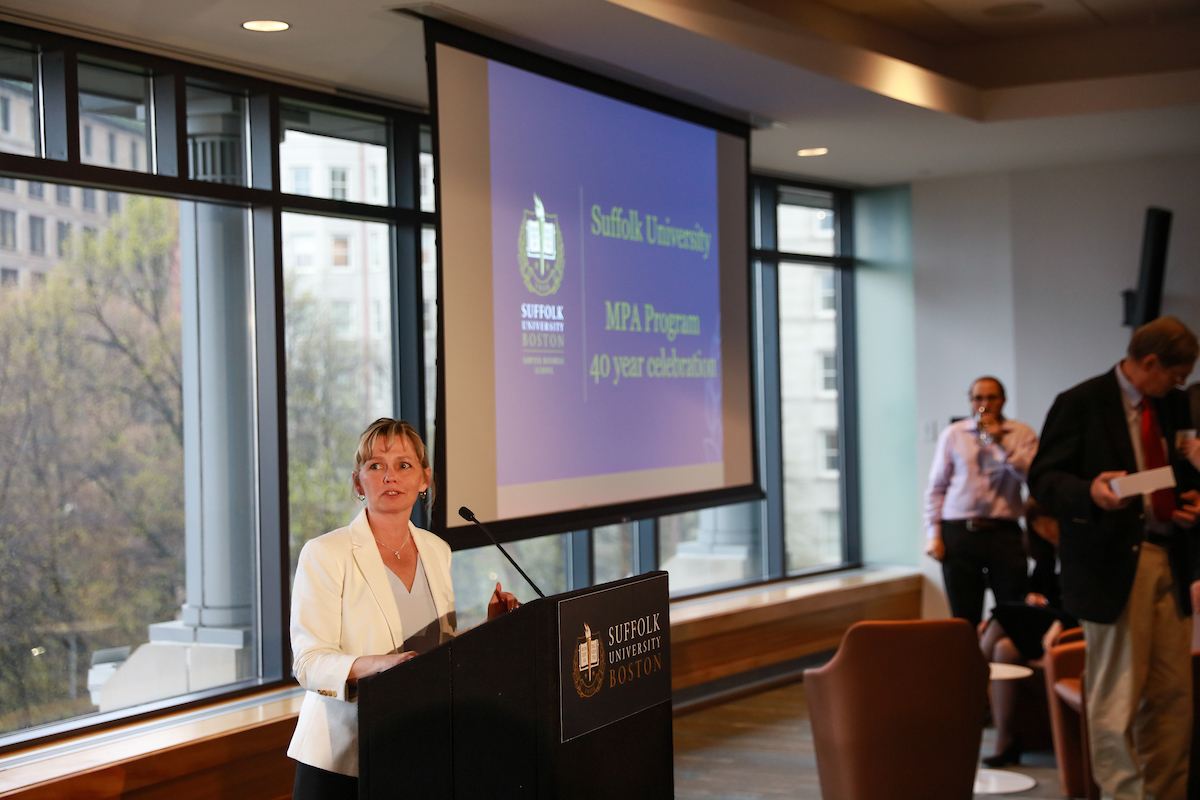
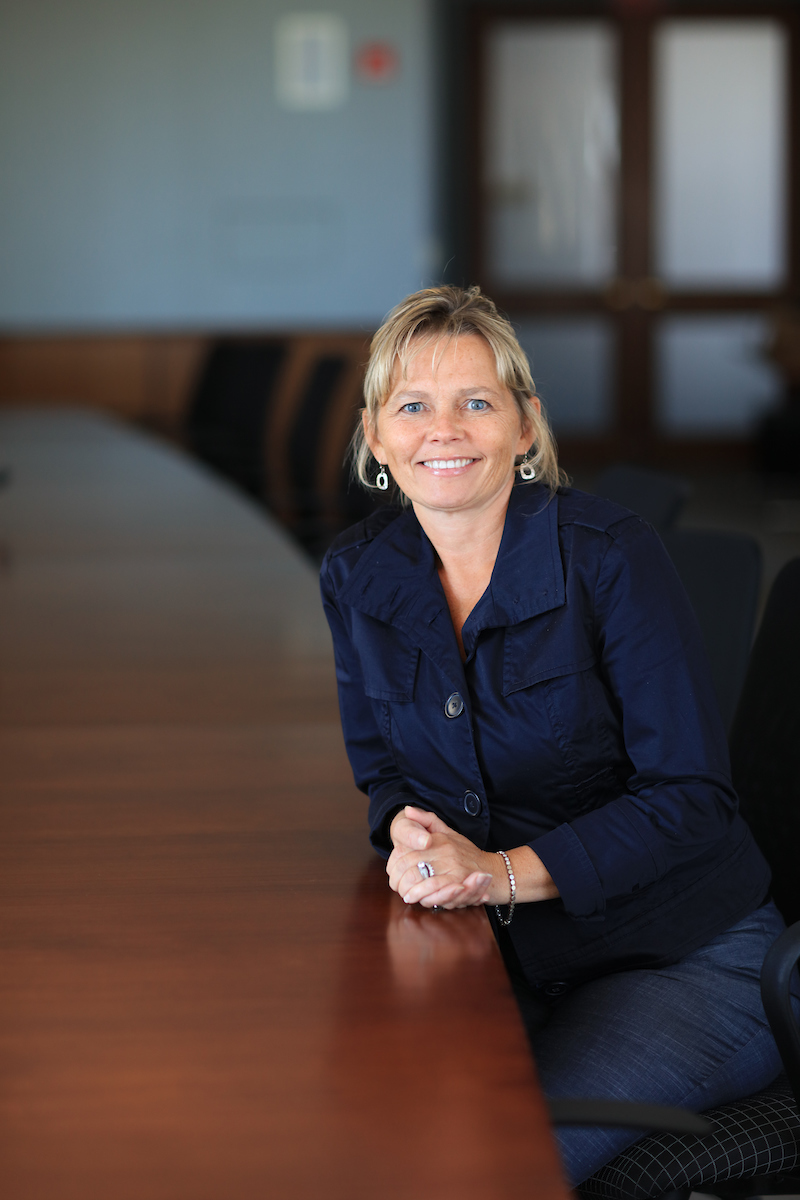
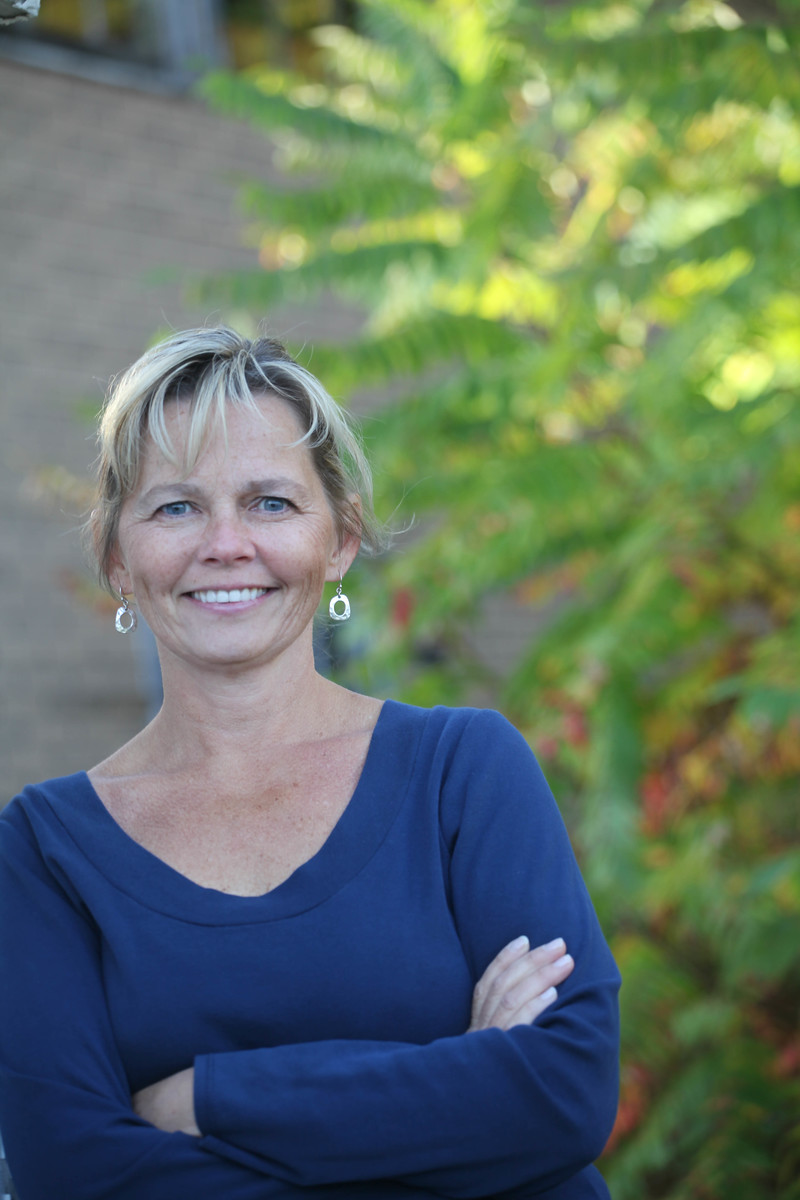

Image Credit:
Michael Clarke, Suffolk University; Bridgett Kirkman
Getting in touch: BostonVoyager is built on recommendations from the community; it’s how we uncover hidden gems, so if you know someone who deserves recognition please let us know here.