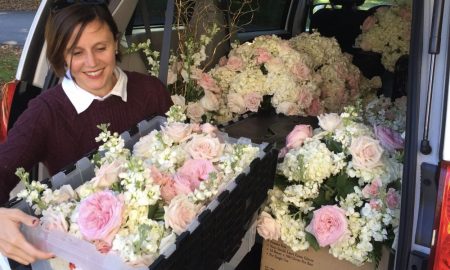






Today we’d like to introduce you to Julia Coffey.
Julia, can you briefly walk us through your story – how you started and how you got to where you are today.
After working for Paul Stamets’ mushroom farm in WA state for four years, I moved back to my hometown of Westhampton MA in 2009. After I failed to find fulfilling employment, in January of 2010 I got started growing mushrooms in a closet in my basement, mainly as a hobby business.
The mushrooms I grew were well received at the local food co-op and farmers markets, so I reinvested my earnings (and a good portion of income from various jobs) back into the farm. Much of the equipment needed to grow mushrooms is pretty expensive, so the business was incrementally grown for the first few years.
In December of 2012, I purchased the house I was renting and expanded my little mushroom lab further into the basement and began growing in the garage as well (not a good idea, but I wasn’t going to let that stop me). In fall of 2013, my partner Chris joined me with a big desire and drive to farm mushrooms as well.
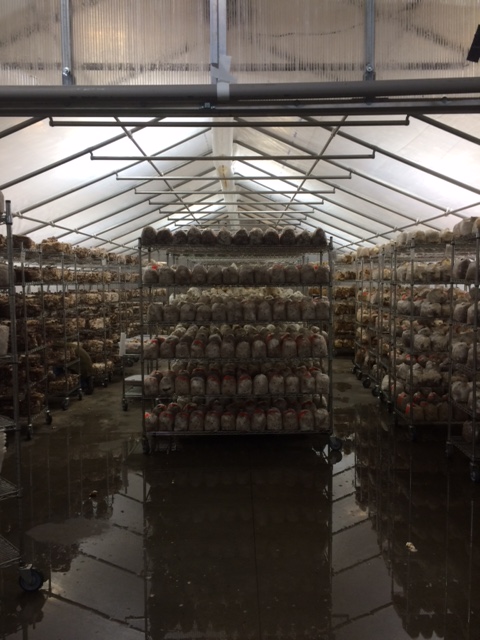
His energy was a big boost to keep going and expand further. Our first major expansion was completed in January 2015. We added an insulated 8×20 container as a walk-in cooler and two 24×48 greenhouses. With insulation and radiant heat, these greenhouses greatly expanded our year-round production capacity.
However, as we expanded production to fill the greenhouses, we found we were going to quickly outgrow them. We added three employees that year, and a family member who had helped with markets for a few years started working on the farm. I break rules here too, hiring friend and family, but I have a great crew that I have a ton of confidence in.
We made the most of the space filling the greenhouses with pallet racking from floor to ceiling, we maximized almost every cubic foot, increasing production to about 500 lbs a week. However, we were still struggling to the meet the demand that grew alongside Mycoterra.
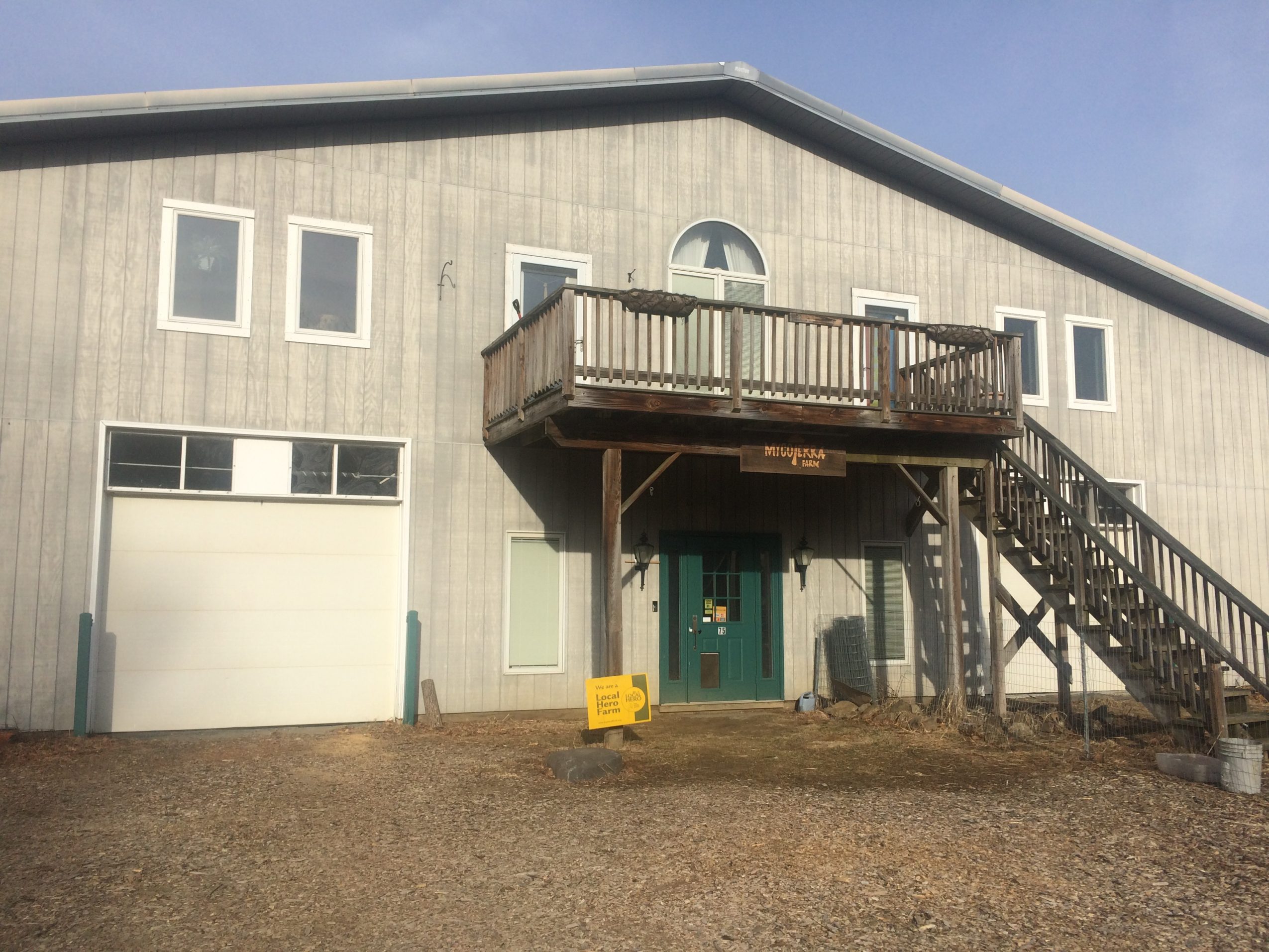
On New Years 2015/2017 Chris and I were making a last-minute delivery to one of our loyal local restaurants, Champney’s at the Inn at Old Deerfield when we drove to our new location. The large looming metal building that was once a thriving equestrian center, sat vacantly and on the market. It was just what we needed to expand our operation further.
After months of negotiations and financing hurdles, we closed on the property in August 2016. Still, there were extensive renovations required to suit the facility to its new purpose of growing mushrooms. Over a year later in December 2017, we finally moved our operations from Westhampton to our new location in South Deerfield.
Here, we quickly doubled our production to 1000 pounds a week and are close to achieving a 300% increase of 1500 pounds a week. The building’s capacity leaves us room to grow much more, over the next 3 years we plan to scale up our production to 5000-6000 pounds weekly.
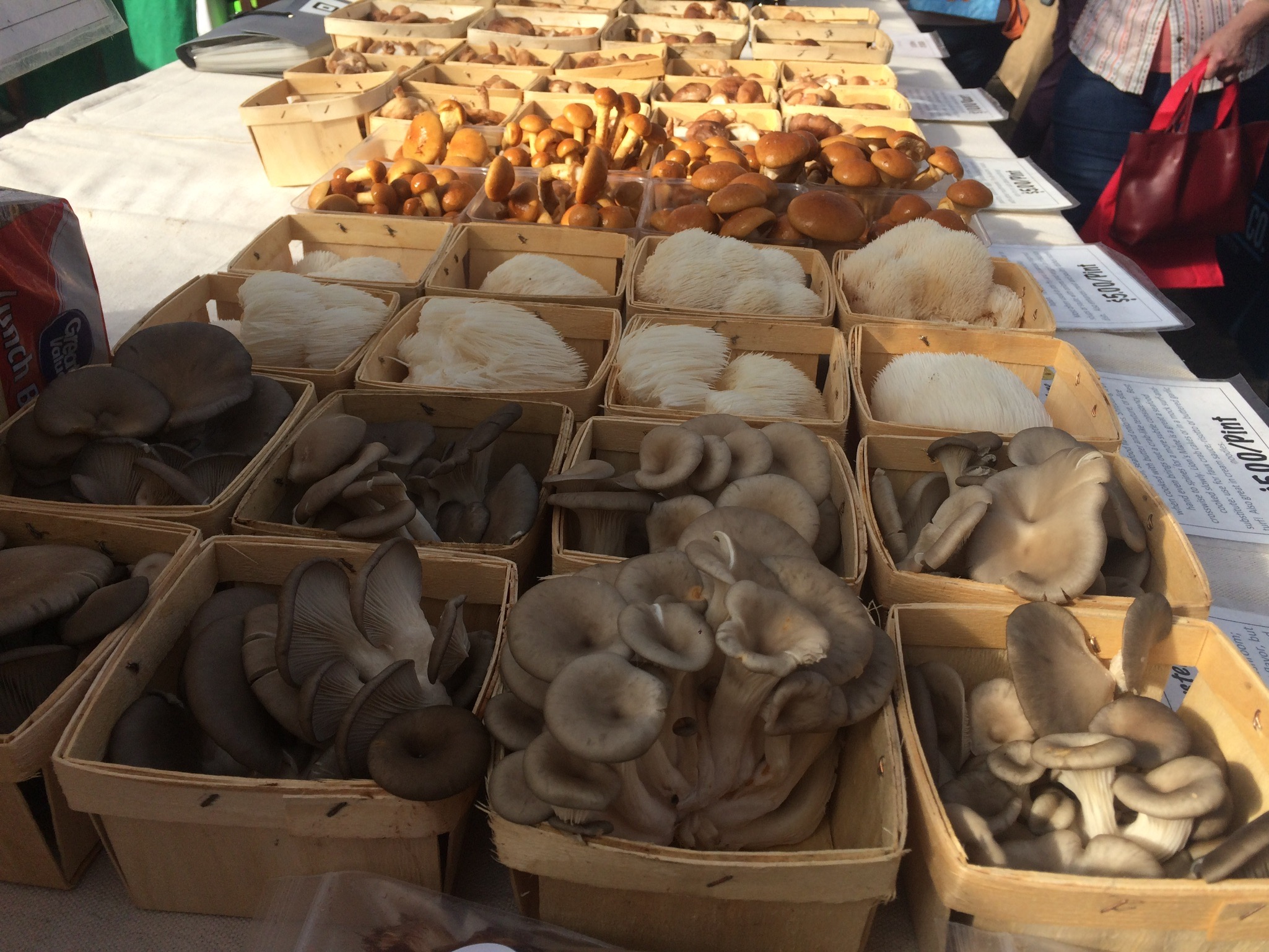
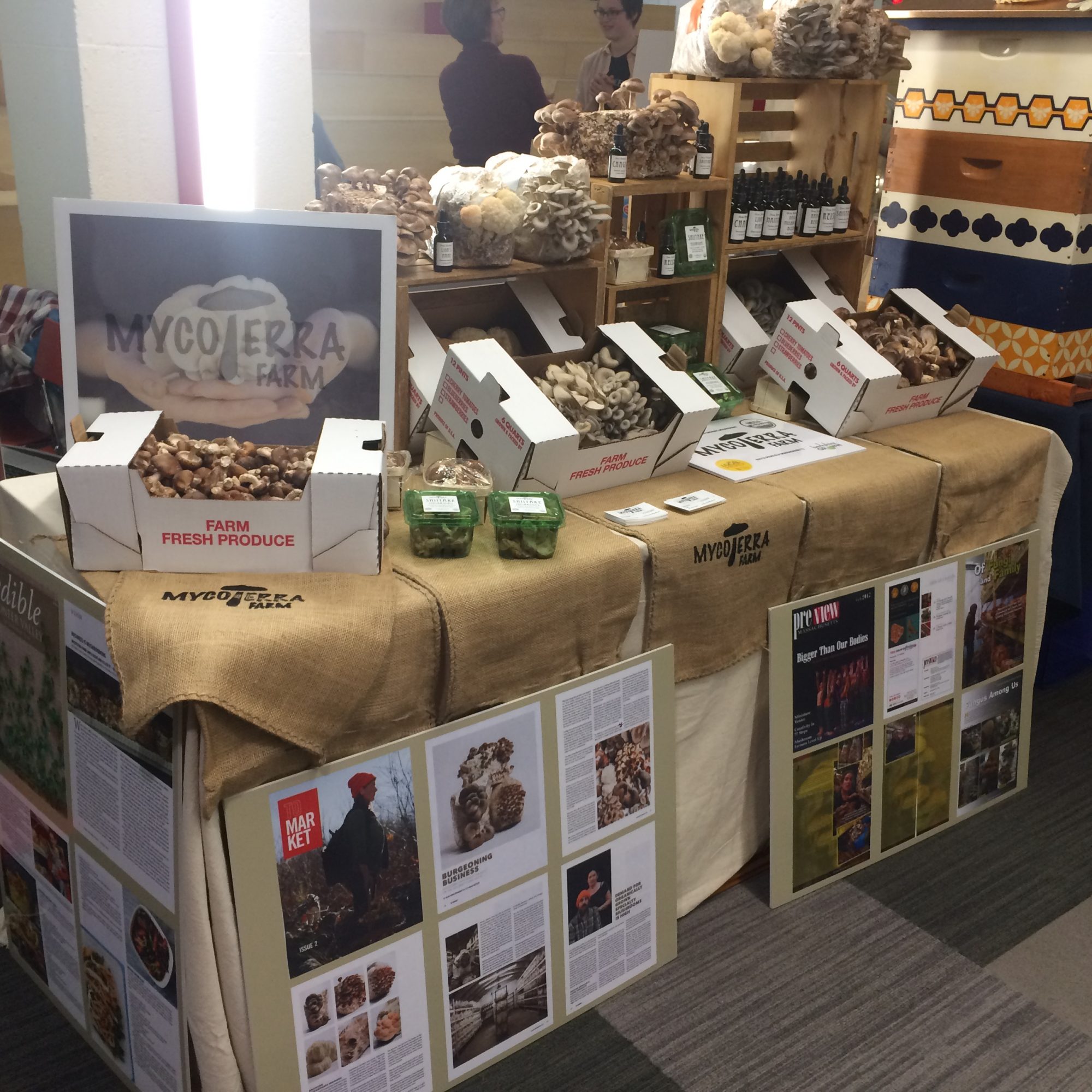
While we plan to continue to market directly through the farmers market and to restaurants, our new site hosts an efficiency of scale allowing us to expand into wholesale markets. Our farm is certified organic and we are unique in that we produce 100% of our products from start to finish, maintaining our cultures in-house and producing all of our own spawn. We are thrilled to now be able to offer our 100% MA grew mushrooms to a wider market.
Overall, has it been relatively smooth? If not, what were some of the struggles along the way?
None of the best roads are smooth. There’s just not enough hours a day. I’ve worked about 60 hours-plus weekly for 8 years now. Mushroom are high-maintenance, I relate the most to livestock farmers who just don’t get days off. Along the way, Chris and I had a daughter, Ila who is now 3 1/2. Juggling family and business is never easy.
Most of the hurdles are common business woes, financing, scheduling, communication, sleep. Those unique to mushrooms are shelf life, battling mycophobia, and maintaining sterile environments for the early stages of growth.
Please tell us about Mycoterra Farm.
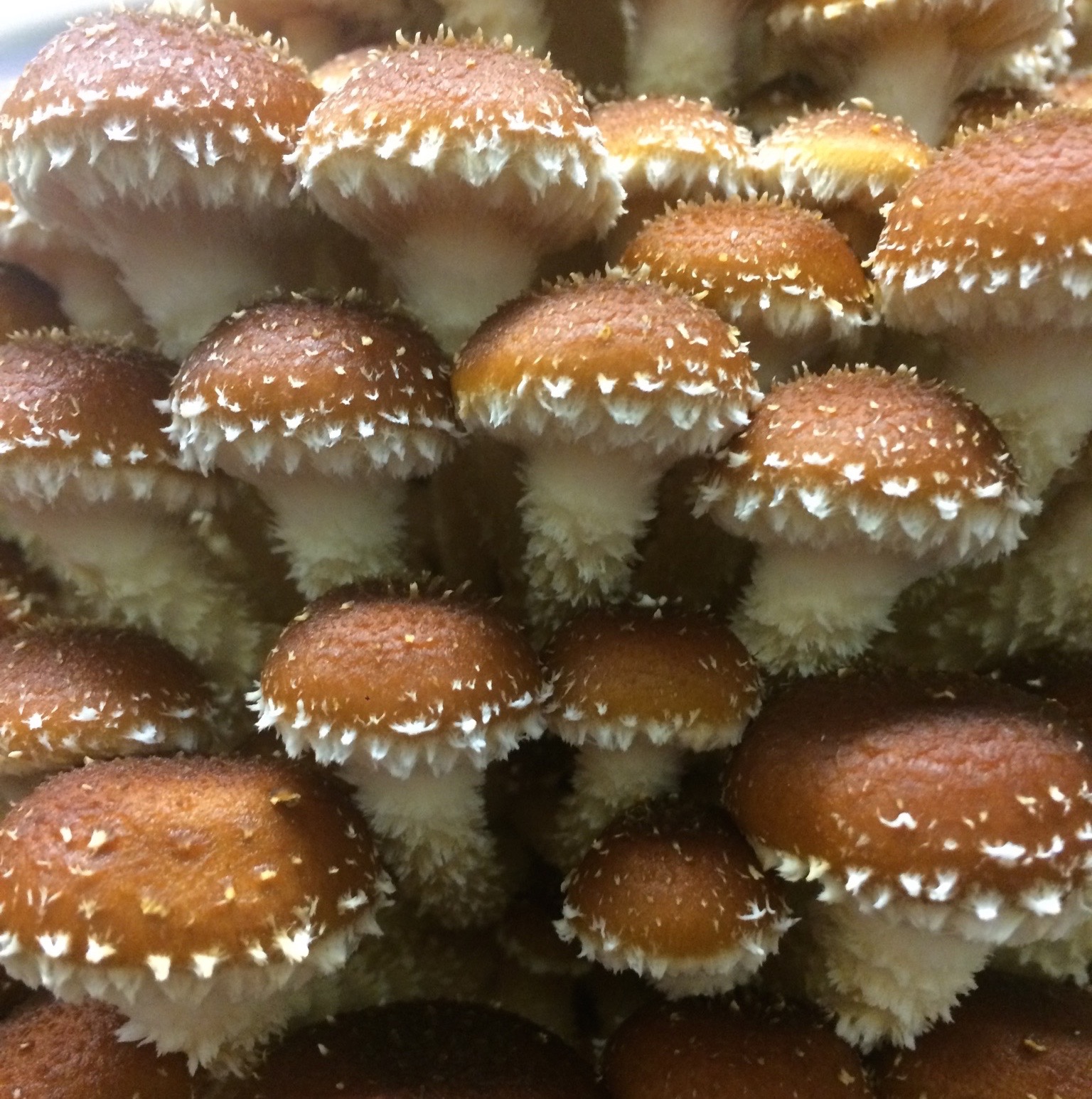
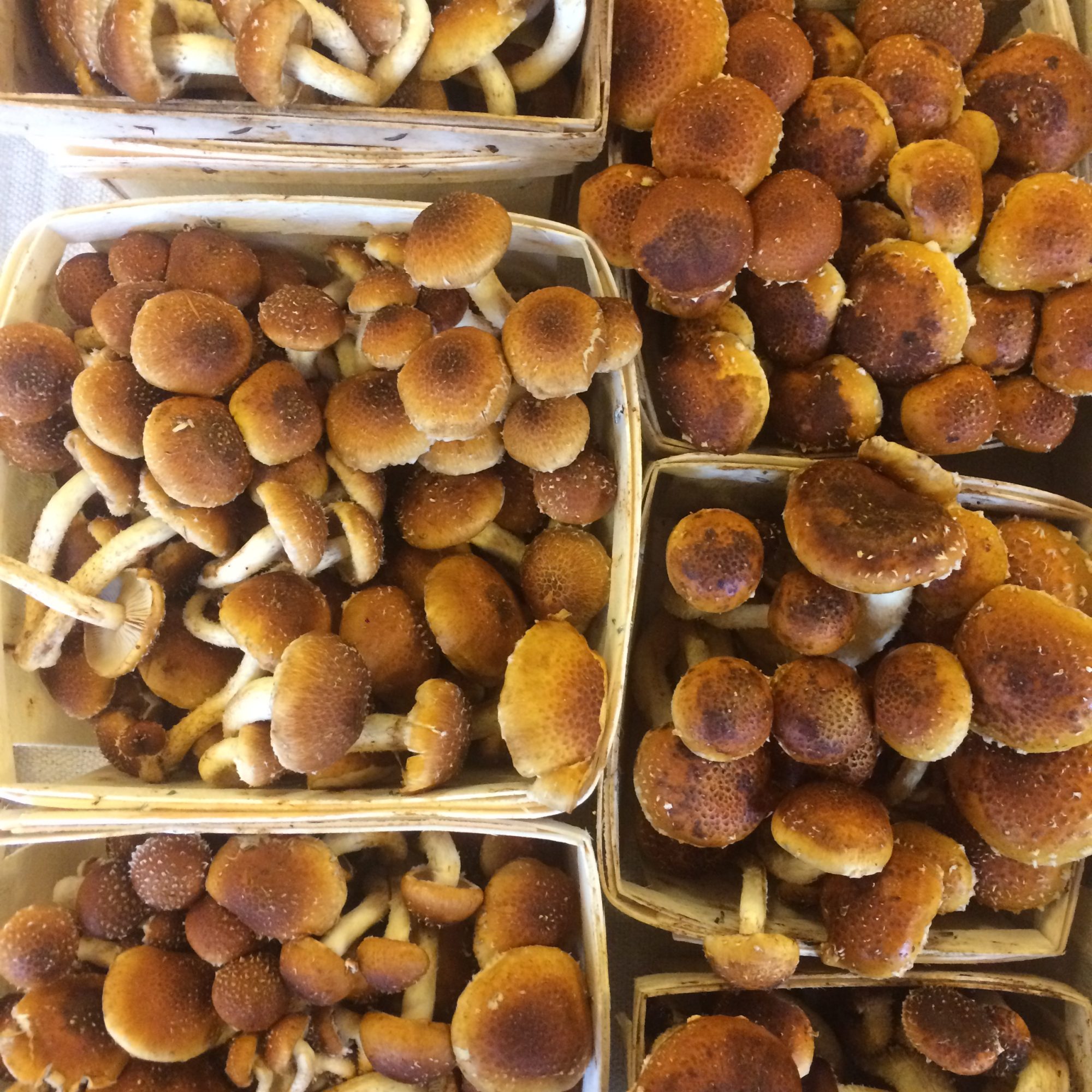
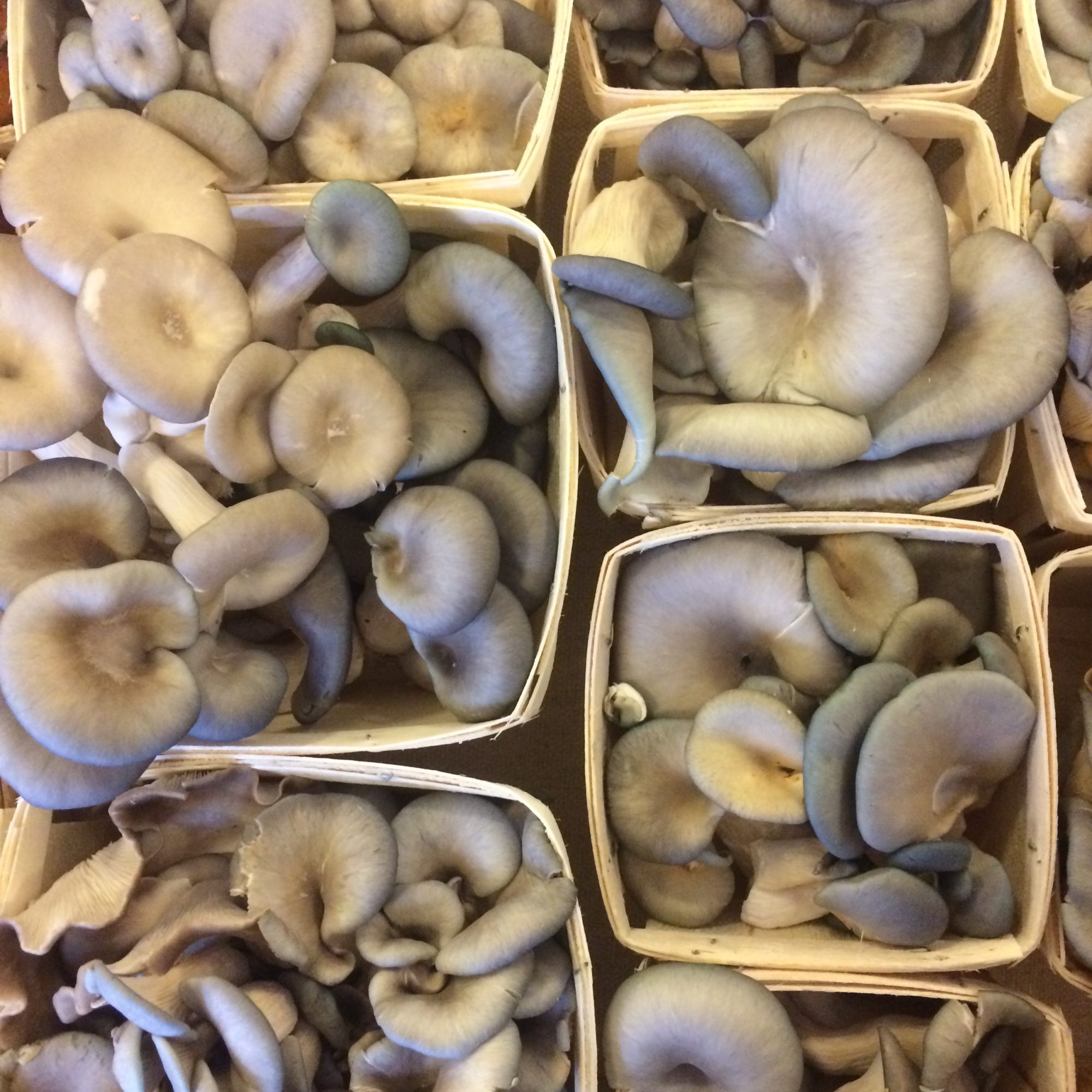
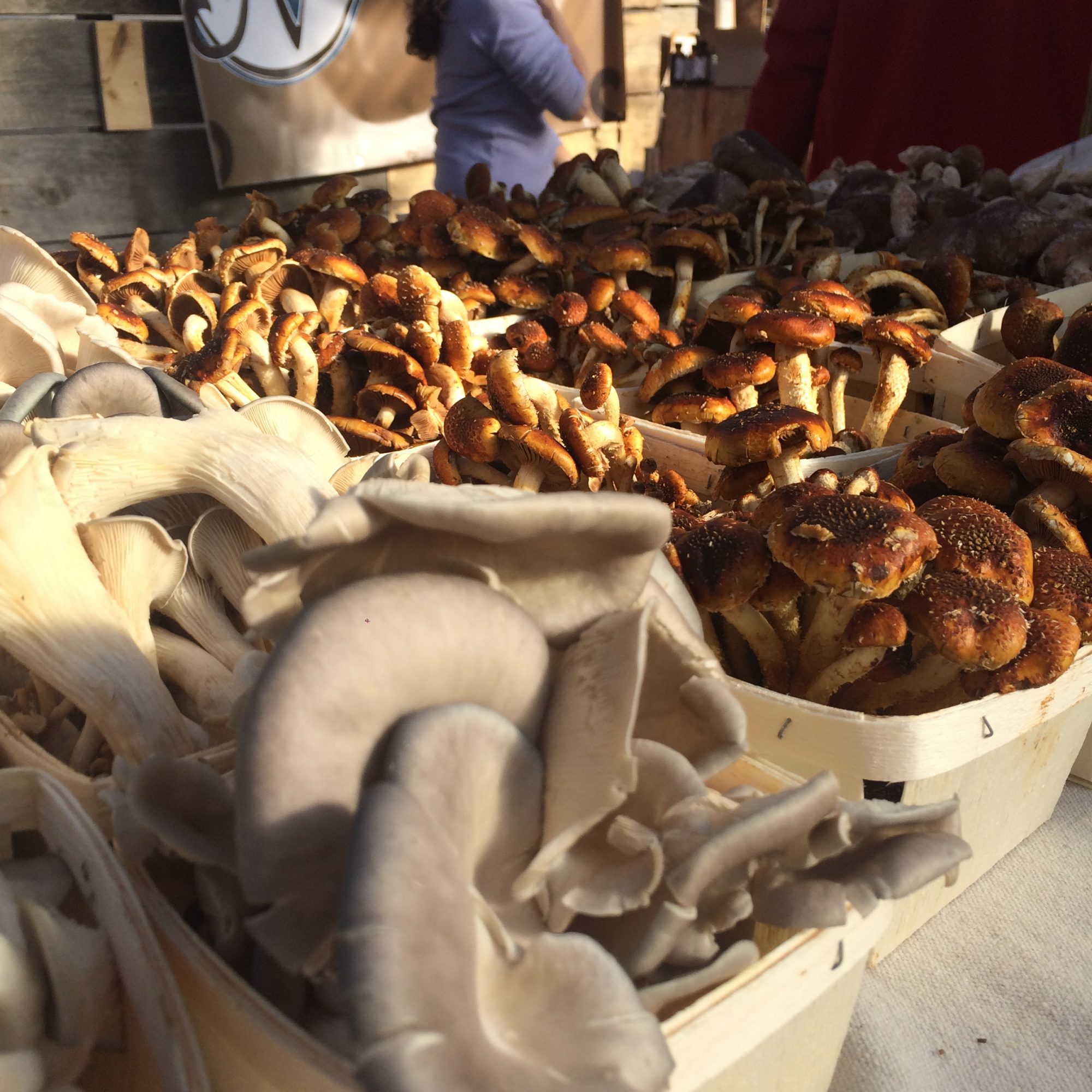
Mycoterra Farm grows a variety of specialty and exotic organic mushrooms including shiitake, lion’s mane, chestnut, nameko, reishi, enokitake, and others. We also offer spawn for other mushroom growers, kits for growing mushrooms at home. A few years ago I developed a mushroom-based skincare line, Mycoglow. Our soaps, lotion, toner, bug spray and scrubs use our dried mushrooms in every formula. We have many other new value-added products in the works too.
As the farm has grown, I’ve maintained a commitment to embracing a high level of integrity in the business. An important aspect of our quality control is our culture library and in-house spawn production. Mushroom production is based on a progressive scale-up of the mycelium, the living-growing “vegetative” stage of the mushroom life cycle. This is akin to dividing strawberries, it’s faster and more reliable that growing from spores (or seeds in the case of strawberries).
We maintain our cultures on agar media in test tubes in refrigerated storage; cultures can be stored like this for years. When we want to grow out a certain strain, we propagate it onto agar-filled Petri dishes. A colony forms, typically in a concentric circle on the dish. While each species or even strain has it’s own unique characteristics, we’ve gotten to know our strains well.
From the dishes on, before each subsequent stage of propagation, we inspect the material closely for any sign of contaminant. Each petri dish can be used to inoculate several bags of organic millet that has been pressure sterilized. Sterilization of our materials is important to kill competitive organisms like other fungi, mold, yeast or bacteria.
Each of these small bags can be used to inoculate 2-4 larger bags of millet. Each larger bag of millet can be used to inoculate 10 bags of sterilized sawdust, the final stage in spawn production for our hardwood loving mushrooms. For some varieties, we use the millet to directly inoculate our end substrate, a mix of hardwood sawdust supplemented with a proprietary blend of organic grains.
For other varieties, we use the sawdust spawn to inoculate our fruiting substrate. All of our spawn is incubated in a climate controlled sterile lab environment as is the fruiting substrate, for the first several weeks of growth. Again, this gives the mycelium a competitive advantage against other organisms.
However, once the fruiting substrate has incubated until the mycelium has fully colonized the substrate, it is sufficiently established to be moved from the sheltered environment of the lab into the grow room environment, where the fruiting process begins. Mushrooms are the “fruits”, the reproductive stage of the life cycle. While the early stages of growth can take several weeks to months, the fruiting stage can be quite rapid.
Once the mushrooms grow to maturity, they are harvested by hand and packed for market. Many mushroom farms, even farms much larger than us, buy spawn from commercial spawn suppliers. We are unique in that we produce our own spawn in-house. Also, while we are the largest mushroom farm in the state, we maintain an artisan quality product and a wide variety of species.
If you had to go back in time and start over, would you have done anything differently?
Not grown mushrooms in my garage. It’s going to get harder before it gets easier. Always anticipate for the worst case scenario, but keep the hope, it gets you through. If someone tells you “you can’t” (even yourself) prove them wrong.
Contact Info:
- Address: 75 Stillwater Rd South Deerfield MA 01373
- Website: mycoterrafarm.com
- Phone: 413-397-3654
- Email: mycoterrafarm@gmail.com
- Instagram: @mycoterrafarm
- Facebook: https://www.facebook.com/MycoterraFarm/
Getting in touch: BostonVoyager is built on recommendations from the community; it’s how we uncover hidden gems, so if you know someone who deserves recognition please let us know here.