


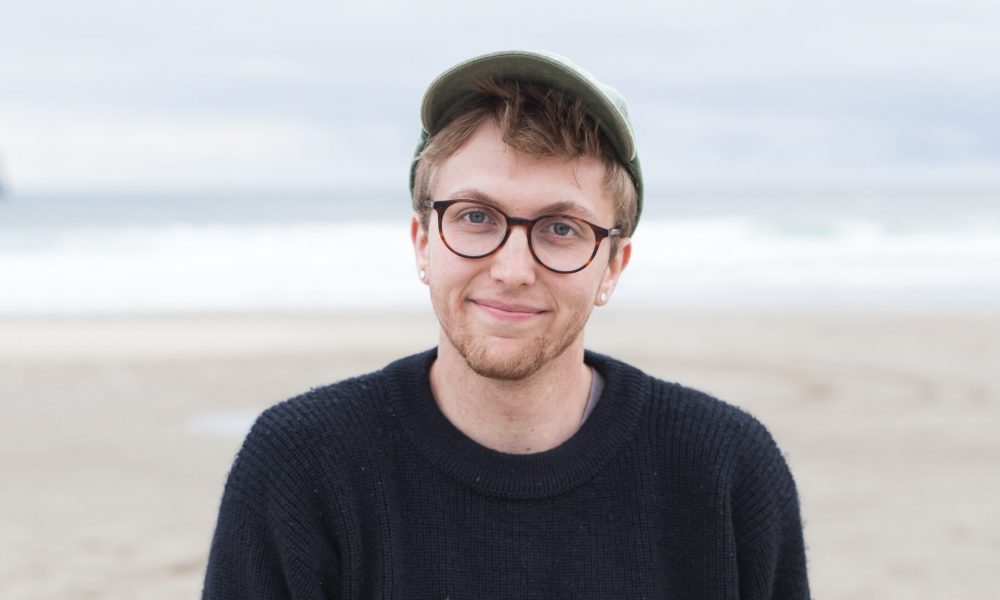
Today we’d like to introduce you to Evan Perkins.
Evan, we’d love to hear your story and how you got to where you are today both personally and as an artist.
After my family moved from my childhood home to Cape Cod, I soon became interested in this new idea of home. At first, it was blind discovery. I didn’t know the place well enough to have an opinion about it yet. During his yearlong stay on the Cape, author Henry Beston wrote, “Even men who have never been to sea have an instinctive turn for the sea and the ways of ships,” and I’ve begun to experience this same sentiment towards the sea.
I’m drawn to the sublime contradiction of the calmness and calamity of the sea which authors and artists have been inspired by for centuries. I’m fascinated by the consistency and mystery of the sea. Day after day, the waves will continue to break upon the shore; the tides will rise and fall, but what happens during that period of time is unpredictable. I’ve also been visiting the ocean at night, when its presence is more clearly heard than seen. When looking out to the horizon, the stars and night sky seem similarly inaccessible, equally as vast and unbounded as the sea.
The sea and the darkness of night are similar in which they veil their contents, requiring a further exploration to discover what they might be hiding. This is what I’ve been interested in photographing; pointing my camera towards the sea and the darkness of night and seeing what I can uncover.
We’d love to hear more about your art. What do you do you do and why and what do you hope others will take away from your work?
One of photography’s inherent traits that keeps me continually fascinated is its relationship to actuality. The medium began as a revelation to be able to record the natural world as it was, clearly and factually. As the technology became further used, it was realized that the medium was entirely dependent on duration. Photography was very soon closely tied to the unknown, the divine, and the unseeable and unnatural worlds. Spirit photography became popular, furthering the belief that photography could be a resource to something untapped by the limitations of human vision.
Even when used for “straight photography”, duration was still relevant. Early sitters for portraits understood this experience well, often having to sit for minutes to obtain the correct exposure. Even in landscapes duration was still apparent. Busy city scenes would be photographically recorded as empty due to the motion of the people in the streets, shown as calm and empty instead of full of life and energy. Photography’s earliest obstacle was to overcome, or at least understand, this limitation of duration.
This relation between duration and actuality is one that I’m looking to explore. As photographic technology has advanced, we can record images in hundredths of a second, seemingly allowing us to record fact. But does this shortness of time allude to fact or clarity? Could shortness of duration be just as manipulative as a longer passage of time being recorded?
The ability to record instantaneity is just as interesting as the ability to record duration. We’re able to freeze and record fast movement that isn’t visible through how we view it with our eyes. For example, we see the constant flow of a moving river as a whole, not as an accumulation of individual moments. In contrast, when making a long exposure of a seemingly still scene, we see it as an individual moment instead of the collective summary of moments it took to expose and record.
With the ever-present factor of duration, the actuality of photography will always be in question. I want to explore both ends of the issue, seeing how I can visual portray this idea through the artificial and natural worlds around me.
Artists face many challenges, but what do you feel is the most pressing among them?
Honestly, I think the biggest challenge we have to overcome is the instantaneity of how we consume information now. An uncountable amount of images are posted and viewed every day, and as artists, we have to somehow convince people to slow down and have a relationship with images and our work. The habit of mindlessly scrolling is unavoidable, and I struggle with it as well. How do we attempt to show art that penetrates through the saturation of photographic noise and cheap tricks? I believe it’s only going to get more difficult and we’ll have to be even more intentional and honest as we continue.
Do you have any events or exhibitions coming up? Where would one go to see more of your work? How can people support you and your artwork?
My work is visible on my website and Instagram account.
Instagram: @perklax
Website: http://evanperkinsphotography.com/
Contact Info:
- Website: http://evanperkinsphotography.com/
- Instagram: https://www.instagram.com/perklax/?hl=en
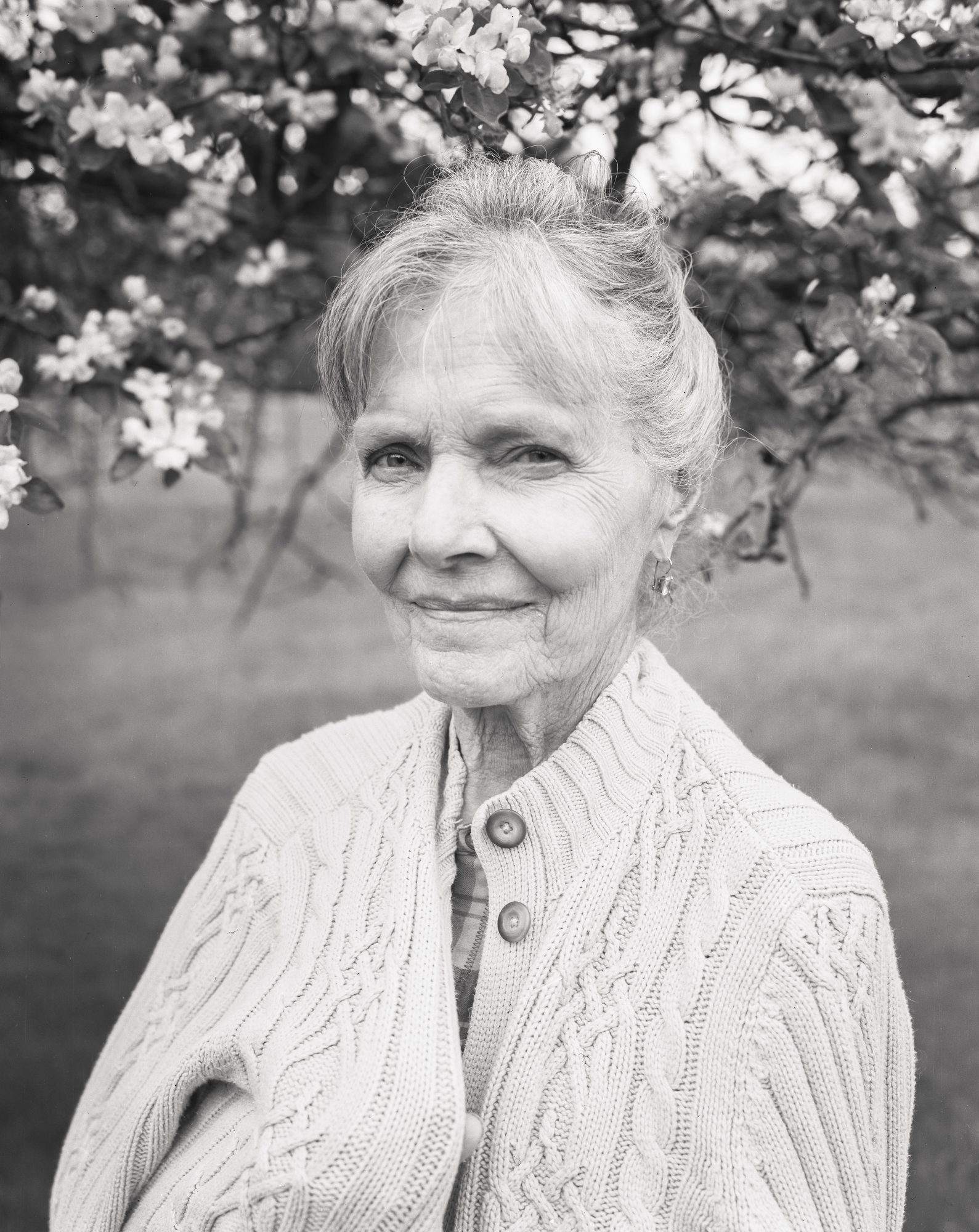
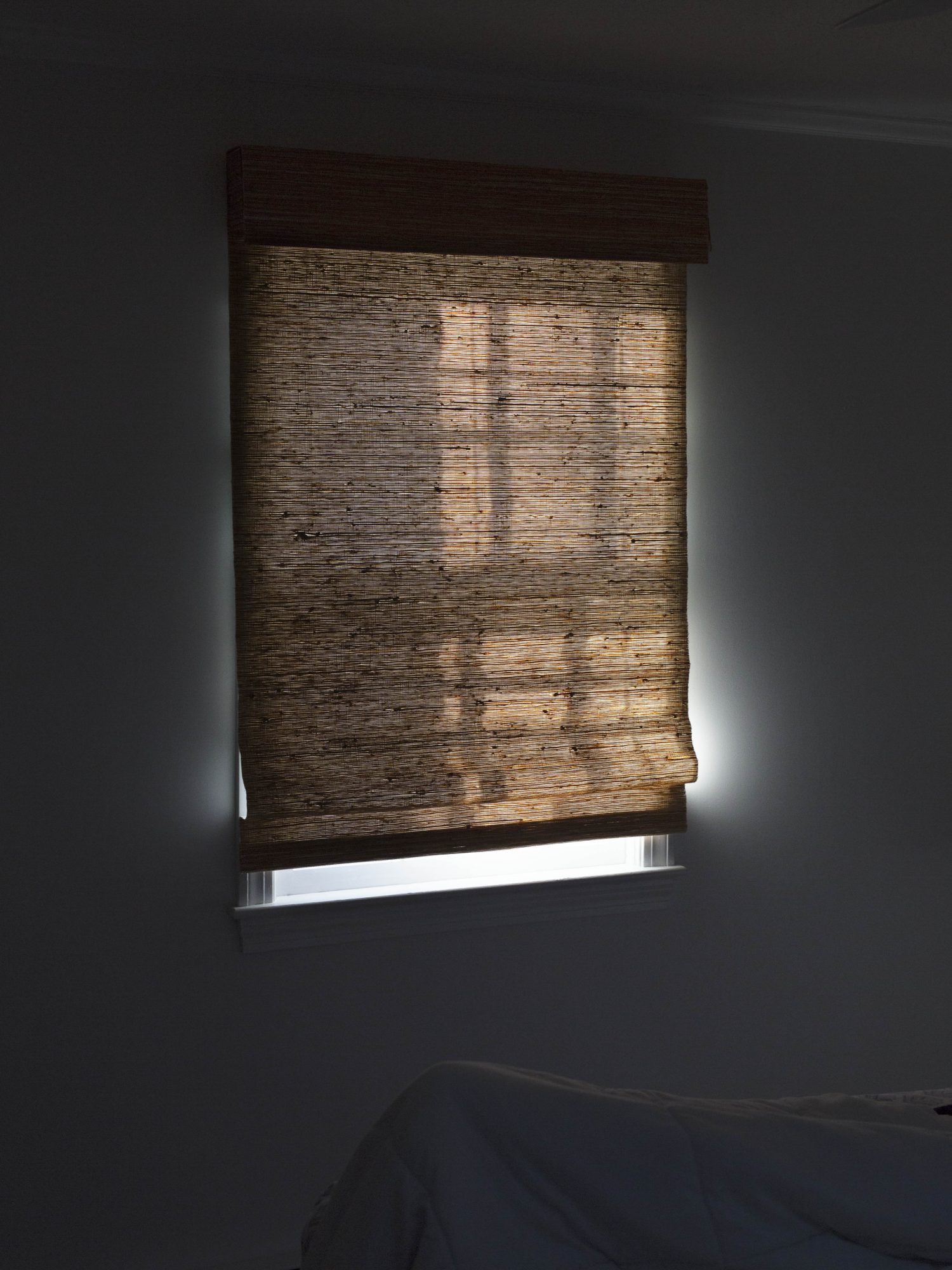
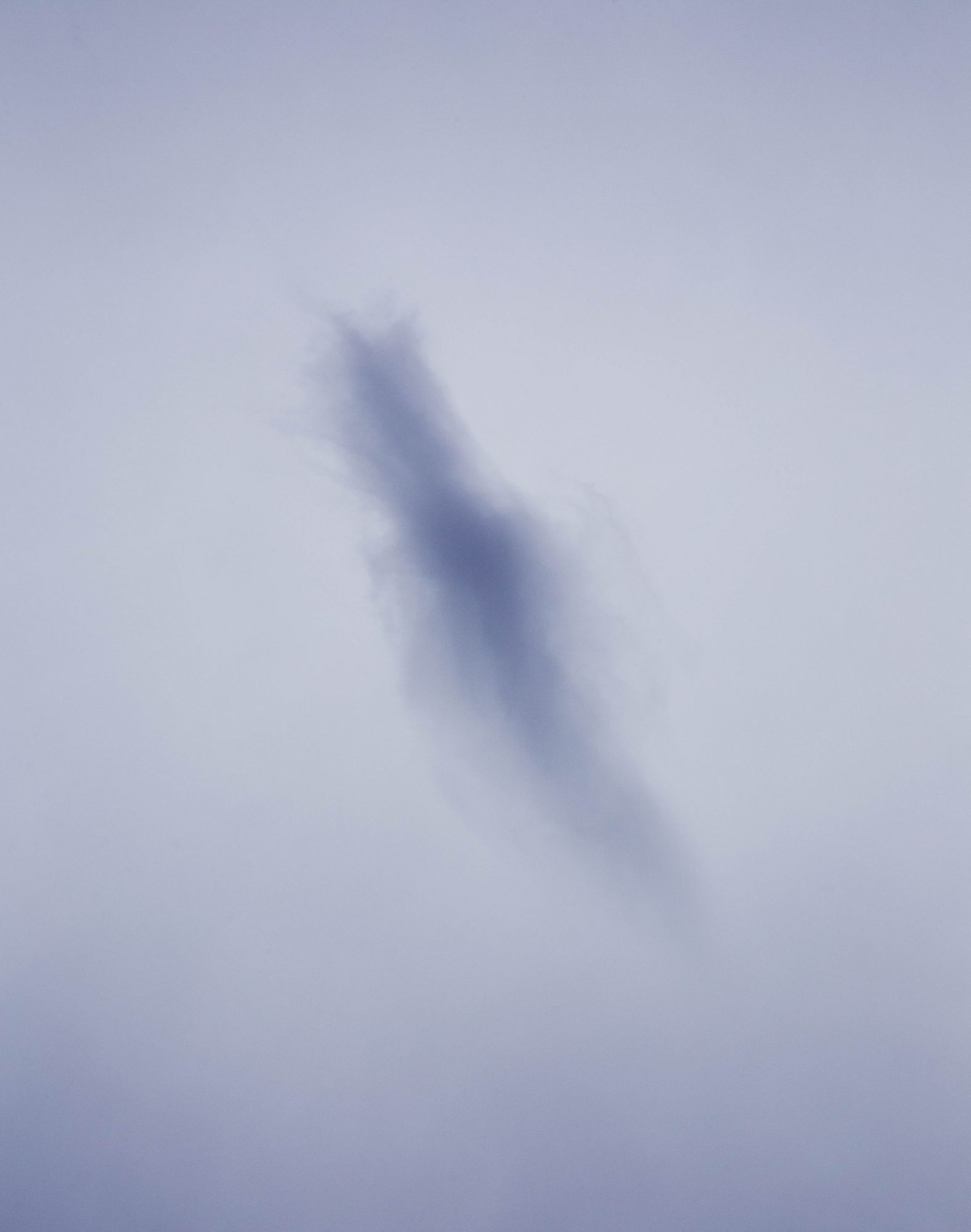
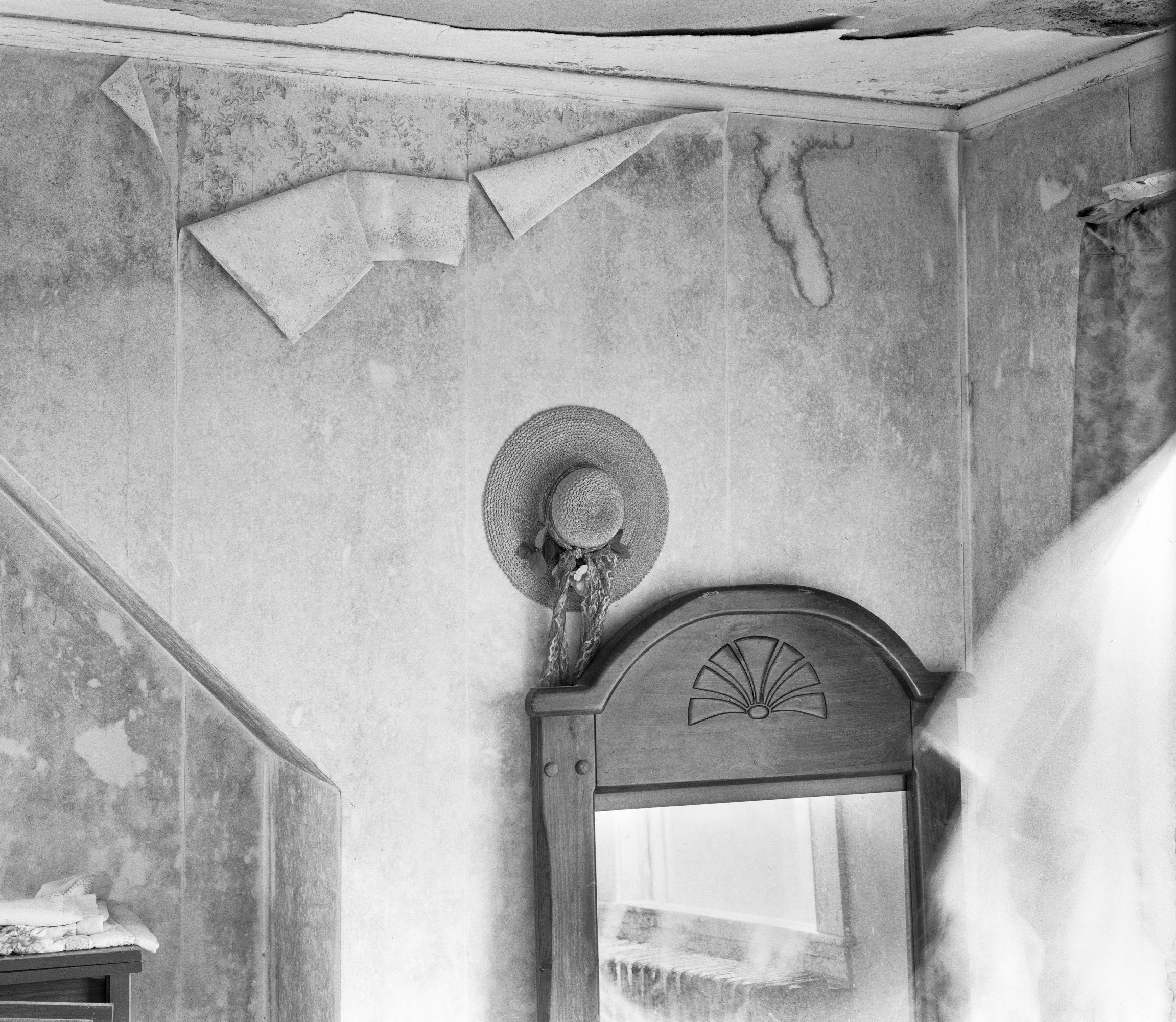
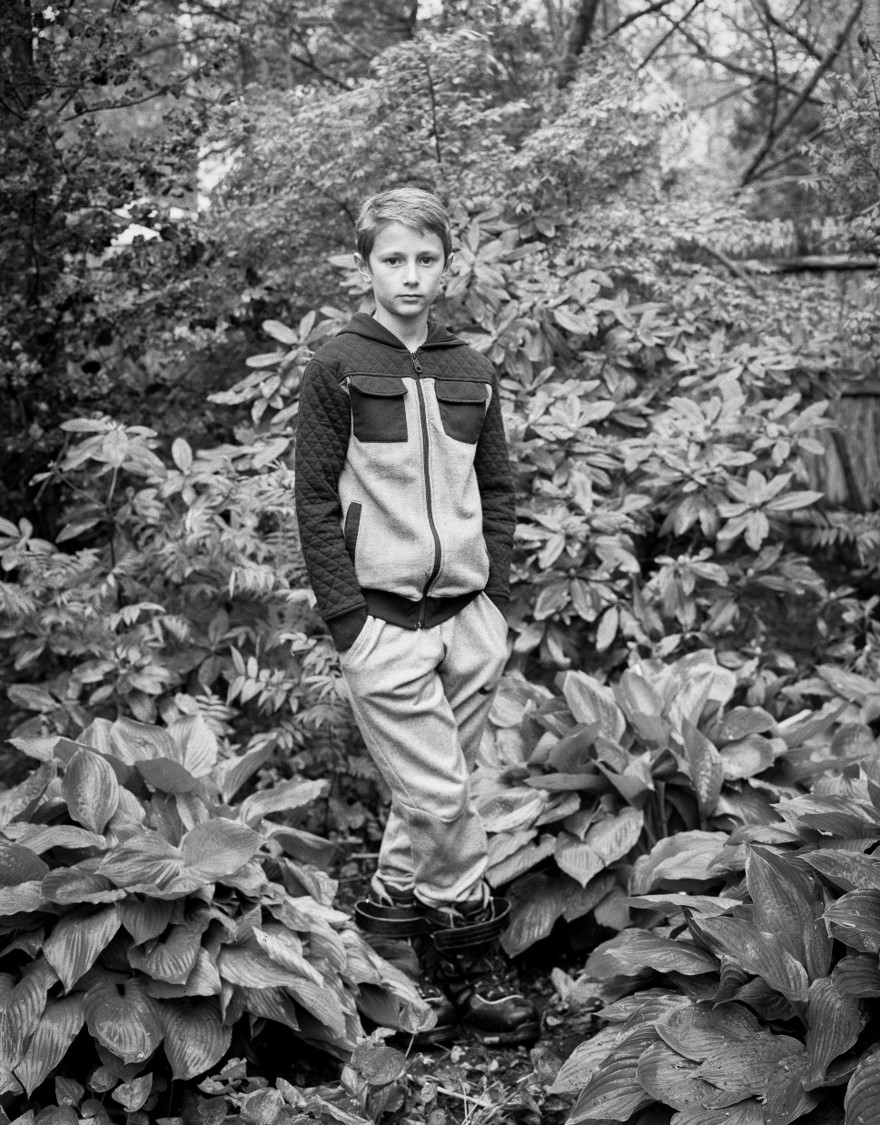
 Image Credit:
All pictures belong to Evan Perkins.