
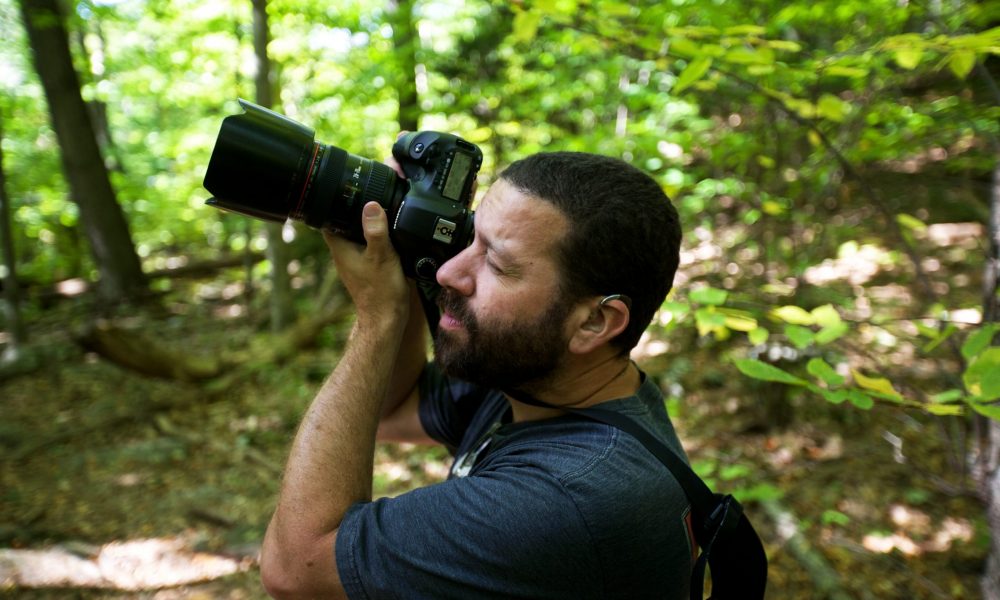
Today we’d like to introduce you to Gary Alpert.
Gary, can you briefly walk us through your story – how you started and how you got to where you are today.
I first picked up a camera in the late 1990’s, focusing my work mainly on nature and landscape photography. Learning how to use chemicals in the darkroom to make the photographs appear on paper was magic. I explored all types of film from Tri-X to Kodachrome — and I never grew tired of learning, making adjustments, and being surprised by what appeared along the way.
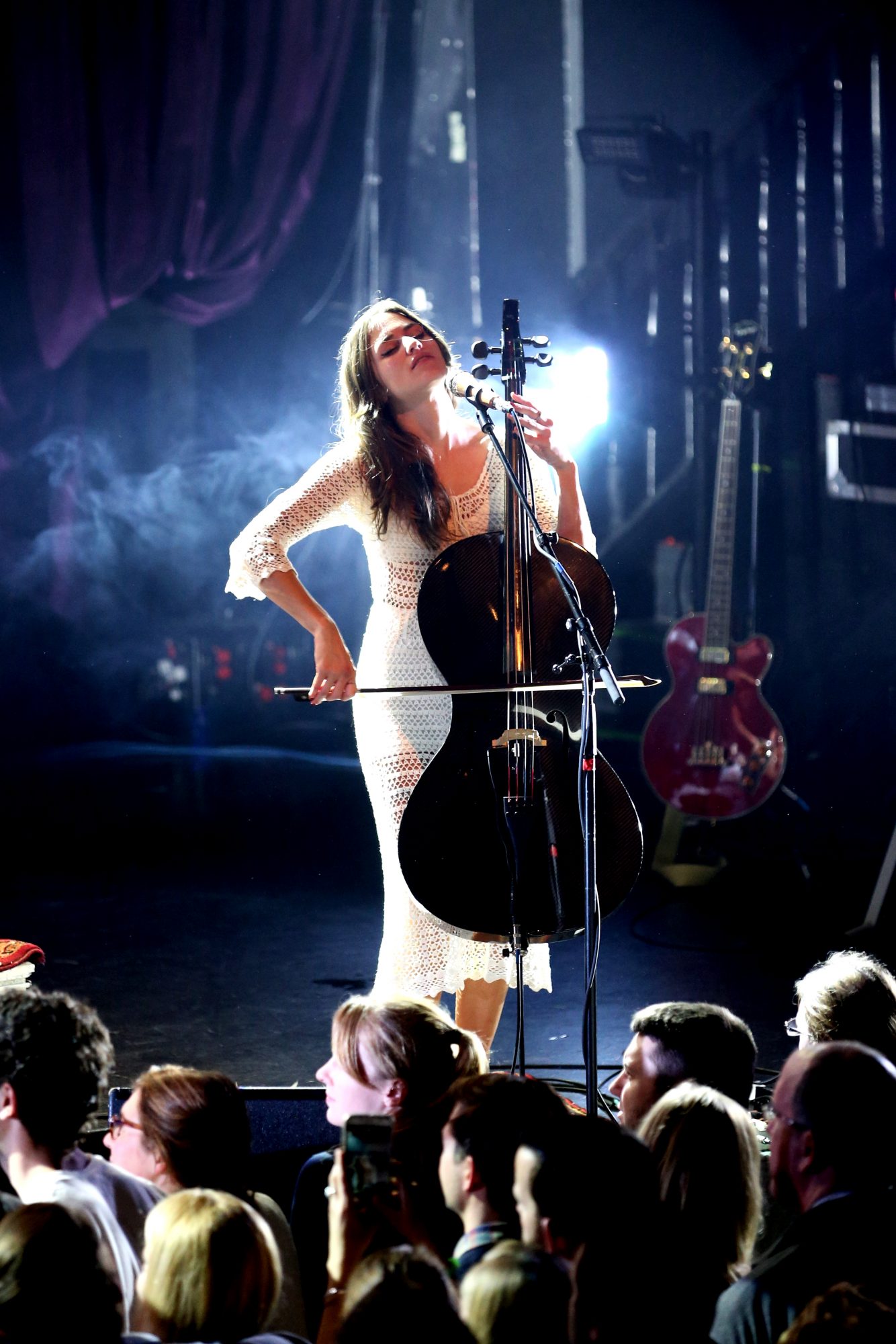
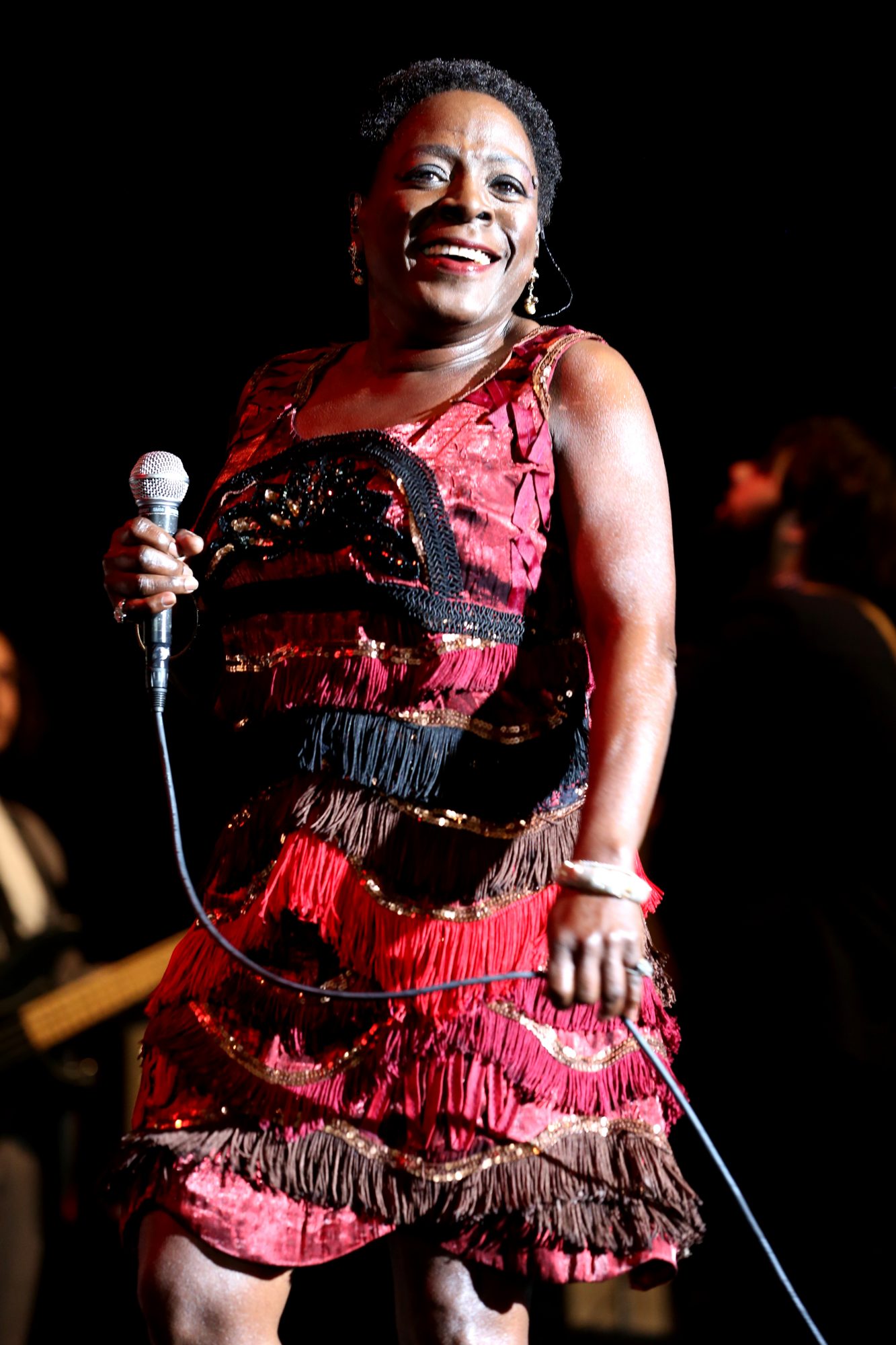
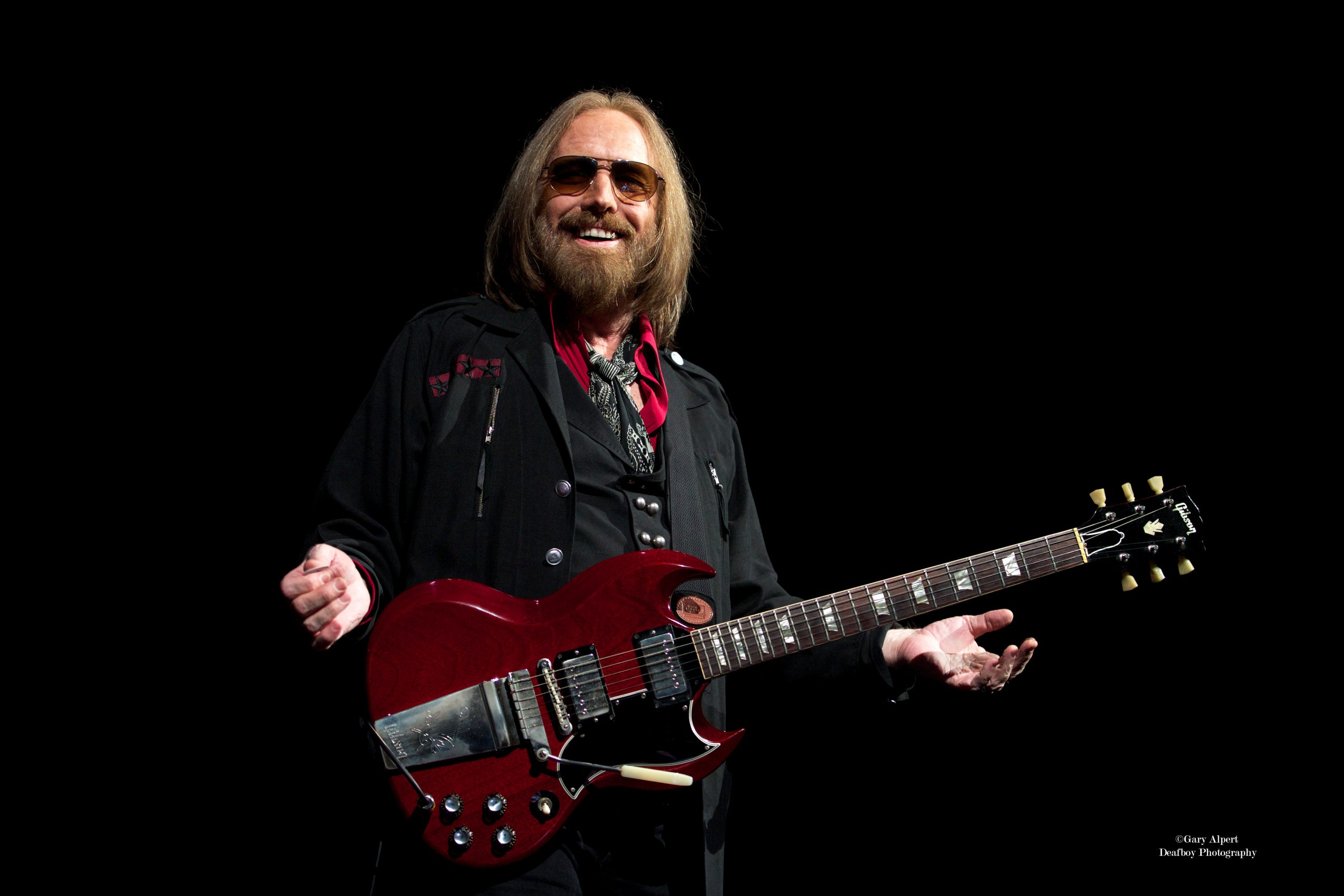
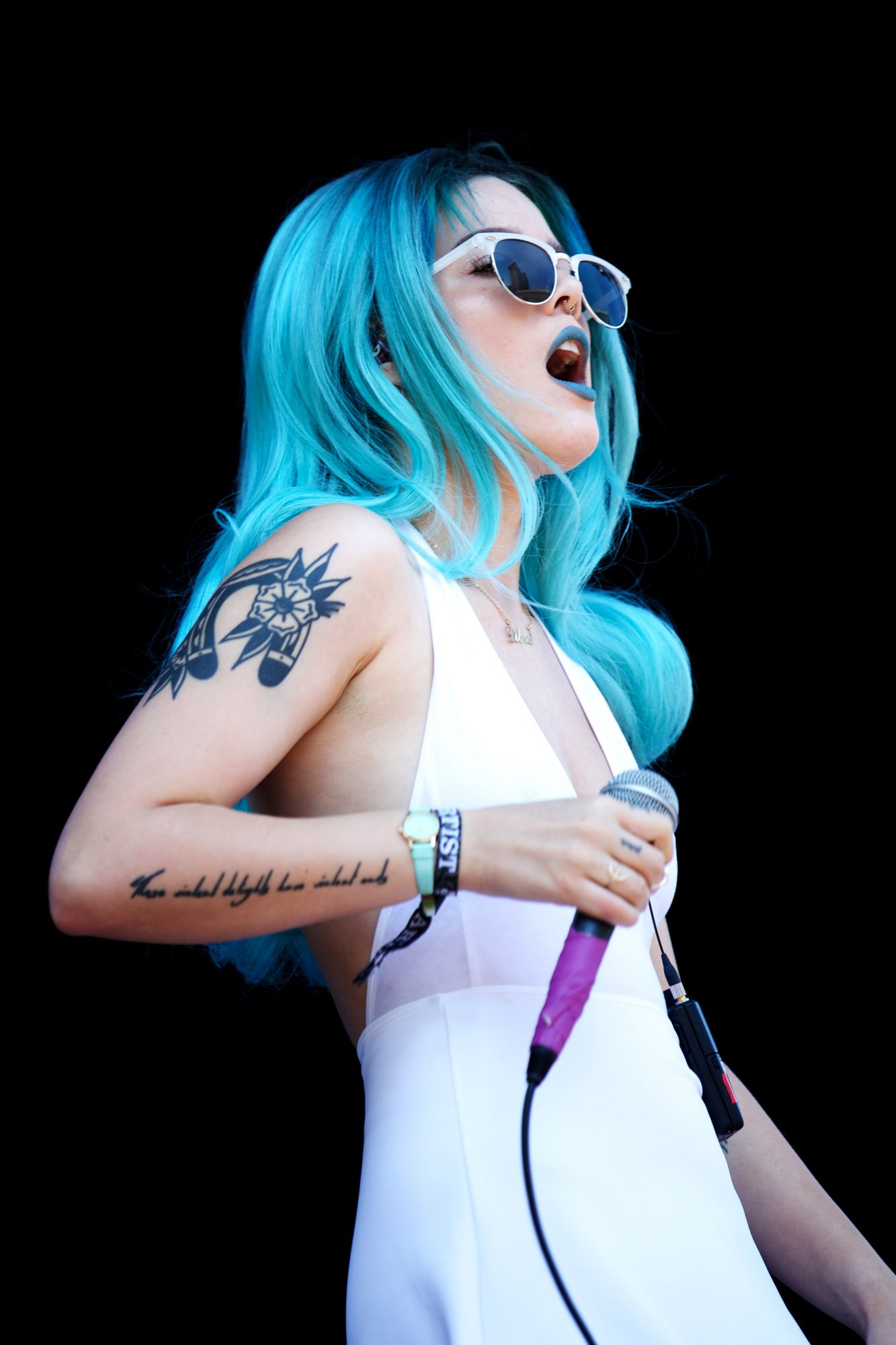
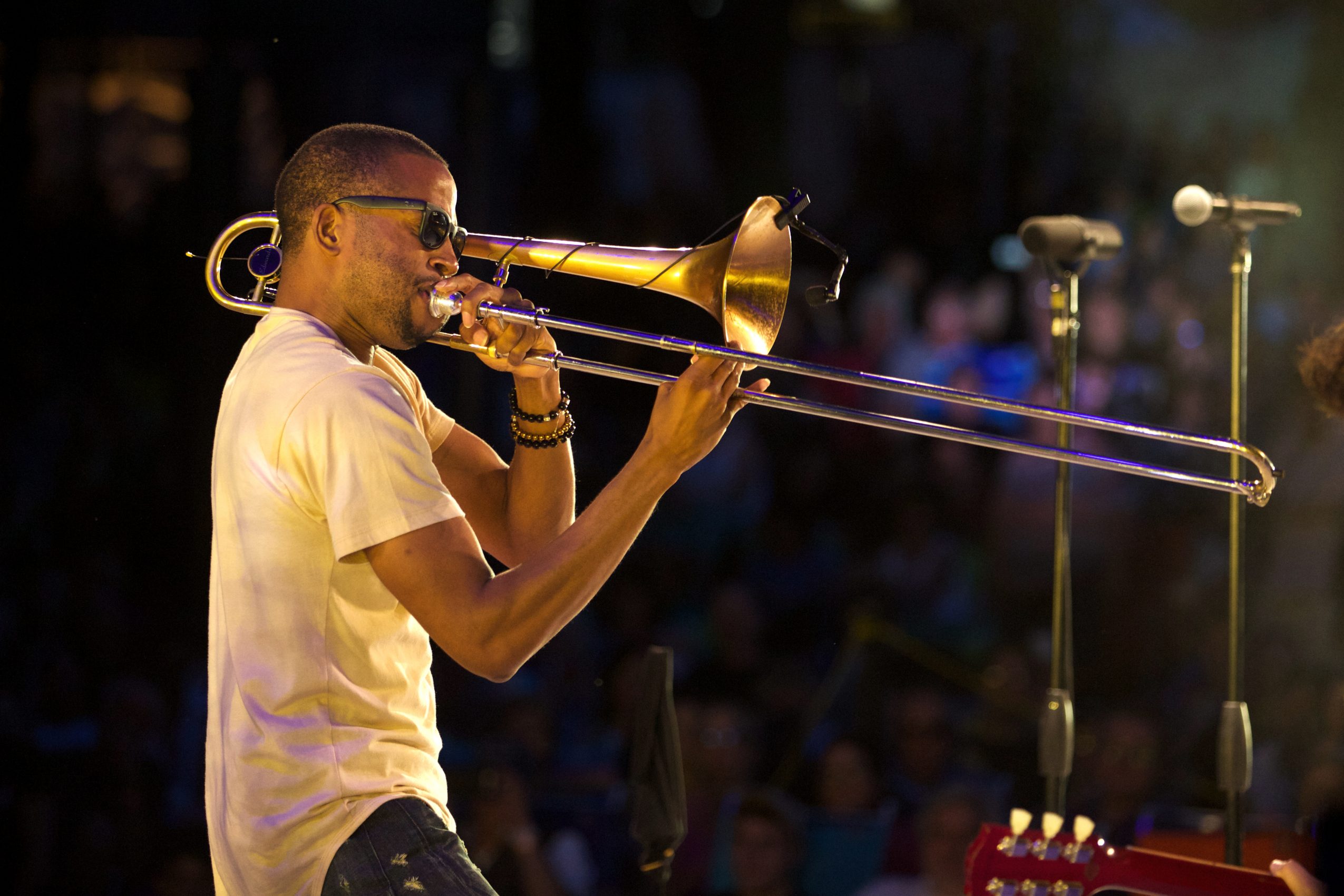
In addition to being a photographer, I have been a lifelong music lover. I’ve been attending concerts since I was a teenager, and I’ve always loved the experience of live music. In the early 2000’s, I decided to put my two passions — photography and live music — together. I started out photographing one or two shows and festivals a year, and I was instantly hooked. I loved the rush of being so close to the artist, and I relished the challenge of keeping one eye open in the viewfinder and another on the stage to see where the action might go.
In the last 15 years, we have seen many changes in the field of photography. Cameras have improved dramatically. Though it’s still available, the film has taken a backseat to digital and darkroom equipment and chemicals have given way to the computer and digital editing. The concert photography scene has changed as well. When I first started shooting live music, photographers could bring cameras into any show and/or festival and shoot the entire show.
Now, artists, venues, or festivals must approve photographers. It’s rare to photograph a whole show now, it’s typically the first three songs of a performer’s set. Despite these changes, the rush is still there to capture the raw energy of the performance with the light changes, the time limit, and often space limitation of being confined to the pit or soundboard. Since I started taking music photographs, I’ve shot hundreds of shows a year ranging from small house concerts of 20 people to stadium.
Great, so let’s dig a little deeper into the story – has it been an easy path overall and if not, what were the challenges you’ve had to overcome?
It’s rarely a smooth road in this industry! There are many things that go wrong, and we try to learn from them. It’s incredibly difficult to make a living from photography alone, and very few of us actually do it. I’m still not there, but it’s a goal of mine.
I’ve made the mistake of spending more on gear and prints than I take in from clients. I’ve had camera equipment, batteries, memory cards, film all fail in the middle of a show. I’ve been jostled, hit, kicked, and tossed around while taking photographs in the pit at shows. I’ve been turned down by publicists to cover shows, and taken photos for a publication that were later rejected.
All of these things have happened to me and countless others in the music photography world. Fortunately, there is a very tight-knit community of music photographers, and we all help one another through challenging moments. In addition, we offer one another tips for how to best photograph particular bands, where to stand at particular venues, which settings to use on our cameras, and how to edit complicated shoots.
I am incredibly grateful to all of my fellow photographers for all that they’ve taught me, and I strive to continue to learn from them and pass along any useful information I may have.
Please tell us about Deafboy Music Photography.
Deafboy Music Photography (DMP) specializes in live music photography. We strive to capture the emotions, the craft, and the stories the musicians are trying to convey. Our products include official band portraits, band promotional materials, album art, prints, and more. We are deeply proud of our work — but what sets DMP apart from others is our capacity to develop unique, attentive, and strong relationships. On any given day, we are in contact with artists, publicists, venues, security personnel, photographers and many more important people.
We listen to each person and respect their position and they, in turn, listen to us and our thoughts. Through this relationship building, we have gained trust and name recognition that has helped spread our work through word of mouth. Deafboy Music Photography customizes its work for each artist/band/festival so that each can feel they have received the attention they deserve for their products.
Do you look back particularly fondly on any memories from childhood?
Music was always played in my home growing up. One of my early music memories is my older sister placing an LP on the record player and laying on the living room floor with me. The album cover would be opened to the lyrics, and she would point to each word as the artist sang. Protective of her Deaf little brother, she took on the task of making sure I could understand what was playing.
It was important for her that I am able to follow along and know what words were being sung. Born Deaf in a hearing family meant a lot of focus was on me and my Deafness, from training me to use my hearing aids, sound recognition, speech therapy, lipreading, and more to ensure I would be a part of my family’s world. Without realizing it, my sister had a profound impact on the development of my lifelong love of music.
Pricing:
- $30-$90 for Matted Prints
- $150-$375 for Matted and Framed Prints
Contact Info:
- Address: 39 James St Newton, MA 02465
- Website: www.deafboymusicphotography.com
- Phone: 508-868-9833
- Email: deafboyphotography@gmail.com
- Instagram: @deafboyphotography
- Facebook: @DeafMusicPhotography
- Twitter: @DeafboyGary
Getting in touch: BostonVoyager is built on recommendations from the community; it’s how we uncover hidden gems, so if you know someone who deserves recognition please let us know here.