




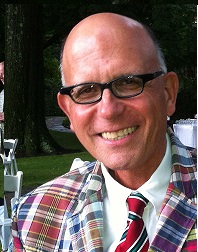
Today we’d like to introduce you to Bruno Marino.
Bruno, let’s start with your story. We’d love to hear how you got started and how the journey has been so far.
Planet Alpha Corp (PαC) has been in the making since my childhood. One day in the fall during the first grade, I looked out at an oak tree just outside my bedroom window and noticed a change from a canopy of green to one of red, yellow, and brown leaves. It occurred to me that the tree could be dying. At first, I was frightened; I did not understand. But after a moment, I began to comprehend and feel the power of nature. I gathered a large handful of fallen leaves and sealed them with an iron between sheets of wax paper to mark the event. Since that day, I have been driven and excited by connecting with nature, attempting to understand its complexity and the evolving imprint of humanity on our Earth systems. I had no idea then that I started a lifelong journey that would take me where I am now.
The first stop on the journey was learning about the impact of humans on the environment. I volunteered to collect water samples for dissolved oxygen determination in artificial ponds that received treated sewage. A high school science teacher, Beth Taylor, arranged the connection. The project, directed by H.T. Odum, was managed by the Institute of Marine Science, Morehead City, NC, one of my favorite places. The project studied the self-organization of field-scale model ecosystems that were engineered to receive treated sewage along with the introduction of diverse organisms. I knew the project area well from days of roving around the city on bicycles with friends. The project proposed that ecologically engineered ecosystems could be employed to study the influence of treated sewage effluent on the estuarine environment. The treated sewage ponds were studied to determine if they could adapt to the effluent creating an interface between anthropogenic waste and otherwise natural environments to benefit humanity. For the first time in my life, I was part of a scientific team contributing data to a real project. I spent all of my free time at the Institute hanging around the lab and learning as much as I could about how nature was impacted by human activity. As a young person, I was never happier than when I was involved in this project–it was full speed ahead for science.
The pond project taught me that the interaction of humans with nature was complex and even confusing at first glance with multiple and often unpredictable outcomes. I began to understand that the data for dissolved oxygen I retrieved from the treated and untreated ponds in the study could be deciphered at the molecular and ecosystem levels to learn about their response. The differing ponds reminded me of the leaves changing color in the fall and still do every year. I was troubled by the idea that the power of nature, however vast, could be altered by the influence of humans. The experience also taught me that field-scale experimental model ecosystems were hugely valuable in the study of anthropogenic impacts on nature. I followed the treated sewage pond project publications for many years. The pond results continue to inform my views on the impact of anthropogenic activities on nature.
The next stop on the journey was meeting Richard “Scotty” MacNeish while attending Phillips Andover. Scotty was Director of the R.S. Peabody Museum of Archaeology (on the campus of Phillips Andover). He elucidated the domestication of maize in Mexico through a series of groundbreaking archaeological expeditions. Scotty was always ready to engage students in discussion about archaeology. The impact of climate change on maize domestication and interaction with culture became my main interest and focus at Phillips Andover, one that led to a lifelong relationship with Scotty. Scotty encouraged me to pursue interdisciplinary climate studies involving the use of archaeobotanicals, an effort that would not be realized until much later. During my time at Phillips Andover, I spent my free time at the museum and worked in Pueblo, Mexico, with Edward Sisson, an archaeologist, and instructor at the museum. Moving along with the archaeological science pathway, I later worked with Scotty in the American Southwest and in Belize as a team member of the Belize Archaic Archaeological Reconnaissance project and worked with Scotty to establish the Andover Foundation for Archaeological Research. While working on these projects with Scotty the subject of climate culture interaction was discussed and debated frequently. It became clear to me that humans, in the past, had already exerted an influence on their environment creating ecological fragments and that studies of the past could be linked to the present and future.
Further studies in biology and biochemistry during my undergraduate years at Johns Hopkins (BA) were followed by graduate studies in archaeometry and biological anthropology at Harvard University (MA). While archaeology hinted that climate change was intertwined with cultural change and plant domestication across early civilizations, the molecular record of climate was not clear from archaeological studies alone. I transferred to the Department of Earth and Planetary Sciences to pursue the molecular basis of climate change recorded in archaeobotanicals, primarily in ancient remains of maize. I completed my Ph.D. thesis, entitled: Carbon, Hydrogen and Oxygen Isotope Ratios of Terrestrial Plant Cellulose as Indicators of the Past States of the Biosphere. Michael B. McElroy, Dept. of Earth and Planetary Science, Harvard University, supported the approach as my thesis adviser and colleague. Mike was a champion for the biogeochemical climate reconstruction work that I pursued and was instrumental in broadening my scientific perspectives to include the study of other planets. I was lucky enough to have a NASA Goddard Institute for Space Studies fellowship to support my work.
I was on an academic path after completing graduate work and remained at Harvard working as a Research Associate on climate change reconstruction. During that time, I was invited to apply for the position of Director of Research for Biosphere 2, a 3.15 acre hermetically sealed structure engineered to resemble selected ecosystems on Earth, located outside of Tucson, AZ. Biosphere 2 was financed by a single person, in my view an environmental visionary. Even though the project was initially ridiculed by the press, its promise of experimental and ecological sophistication was irresistible. In this case, the experiment involved humans as actors in a created world in which their every action, no matter how small, had consequences for the larger system. There was no natural buffer to absorb the actions of humans. At one point during the initial Biosphere 2 “closed missions” the atmospheric composition of oxygen dipped to potentially dangerous levels for humans. Although many attempts to mitigate the loss of oxygen by soil microbes were made, none worked, requiring injection of pure oxygen. Notwithstanding the differences between Biosphere 2 and Earth, the behavior of the Biospherians strikes me as reminiscent of our actions today to reduce greenhouse gas emissions. Despite diverse efforts ranging from activism to political engagement to manage atmospheric composition our collective efforts have been largely ineffective (e.g., concentrations of CO2 in the atmosphere continue to increase). The journey took a hard left away from academia with Biosphere 2. It was a branch point that really excited me and still does today. If a single person had the guts and motivation to support a project like Biosphere 2, why not aspire to create a unique company that applies fundamental science, biological growth of forests and capital markets to balance nature and human activity? I have been headed in this direction since that time.
While at Biosphere 2, face-to-face encounters with the mysteries of model ecosystems, or mesocosms, taught me a lot as did a two-week stint in the sealed structure with the last closed mission of the facility. Closure in the apparatus was illuminating even if confining. Biosphere 2 shared haunting features with degraded and fragmented ecosystems commonly observed across the planet today–in this aspect the project was a success in mimicking specific contemporary ecosystems . It reminded me of the ponds treated with sewage that morphed into intermediaries between nature and its human-made fragments. The engines of the carbon cycle and related greenhouse gases were the subjects of many experiments within the facility that could be hermetically sealed on a scale still not yet replicated.
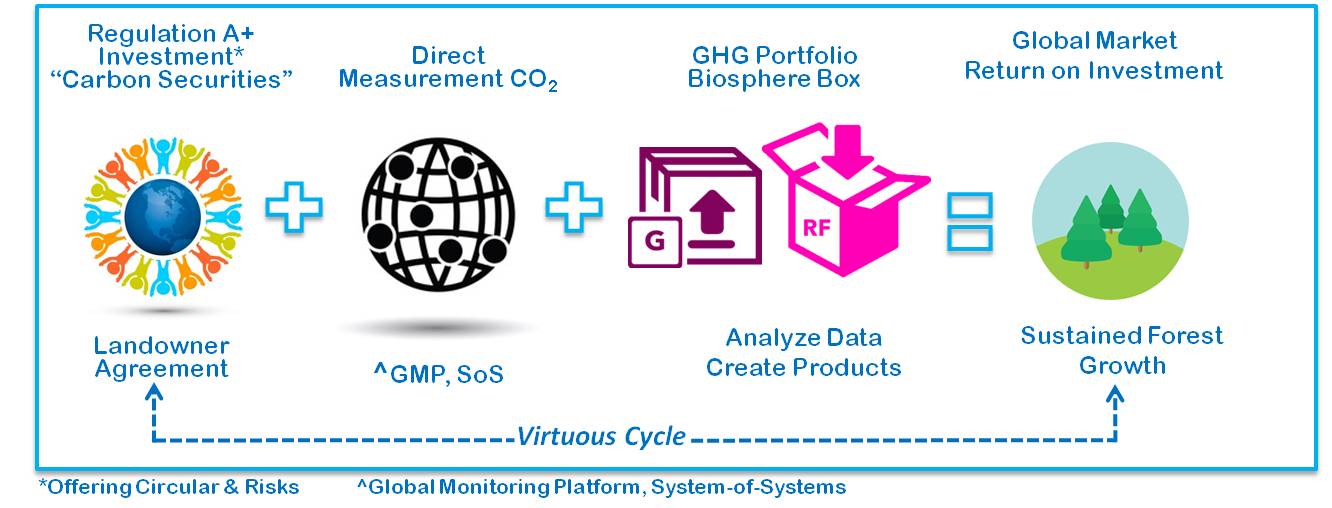
Managing the enclosed mini-world was something of a biotic chess game sharing some of the linear and non-linear features of our current biosphere and its response to human perturbation. Although the Biosphere 2 experiments were not directly applicable to Earth systems the project emphasized the dilemma of planetary stewardship: how do we manage intermediate states of the natural biosphere now and for the future? Biosphere 2 taught me that an illumination of the large-scale fabric of the biosphere with innovative measurement and observation of biological domains and their exchange of gases with the atmosphere held clues to planetary stewardship. That vision took root in Planet Alpha and continues to inform our direction towards planetary stewardship. Our approach is simple: measure, monetize, manage, repeat.
The lesson learned is that there is no biospheric action without a reaction. Even if the anthropogenic touch is small, such as occurs when small amounts of GHGs are emitted, the consequences are transmitted via the shared global atmosphere in surprising and unpredictable ways. If we truly understood Earth ecosystems, we could simply create them at will anywhere on the planet and observe the benefit of reductions in the atmospheric composition of GHGs. The polar ice caps would again grow, the heat waves would give way to cool breezes and the rain would create an abundance of food. But such reversals are not evident now or in the foreseeable future. What do we pursue in the meantime?
It is clear that we cannot yet create our natural world; however, it appears certain that we can now restore it. Small restorative changes over large scale can reconnect fragments of the fabric of life that support humanity and drive economic growth. The master variable of atmospheric composition and its consequences across time and space continue to offer management options for our planetary future. If we cannot manage the composition of the atmosphere, we will not be able to enable restorative changes to our planetary home for future generations. The mission of Planet Alpha is to support humanity by management of the planet. From this perspective, it is not the planet that is at peril, but humanity itself.
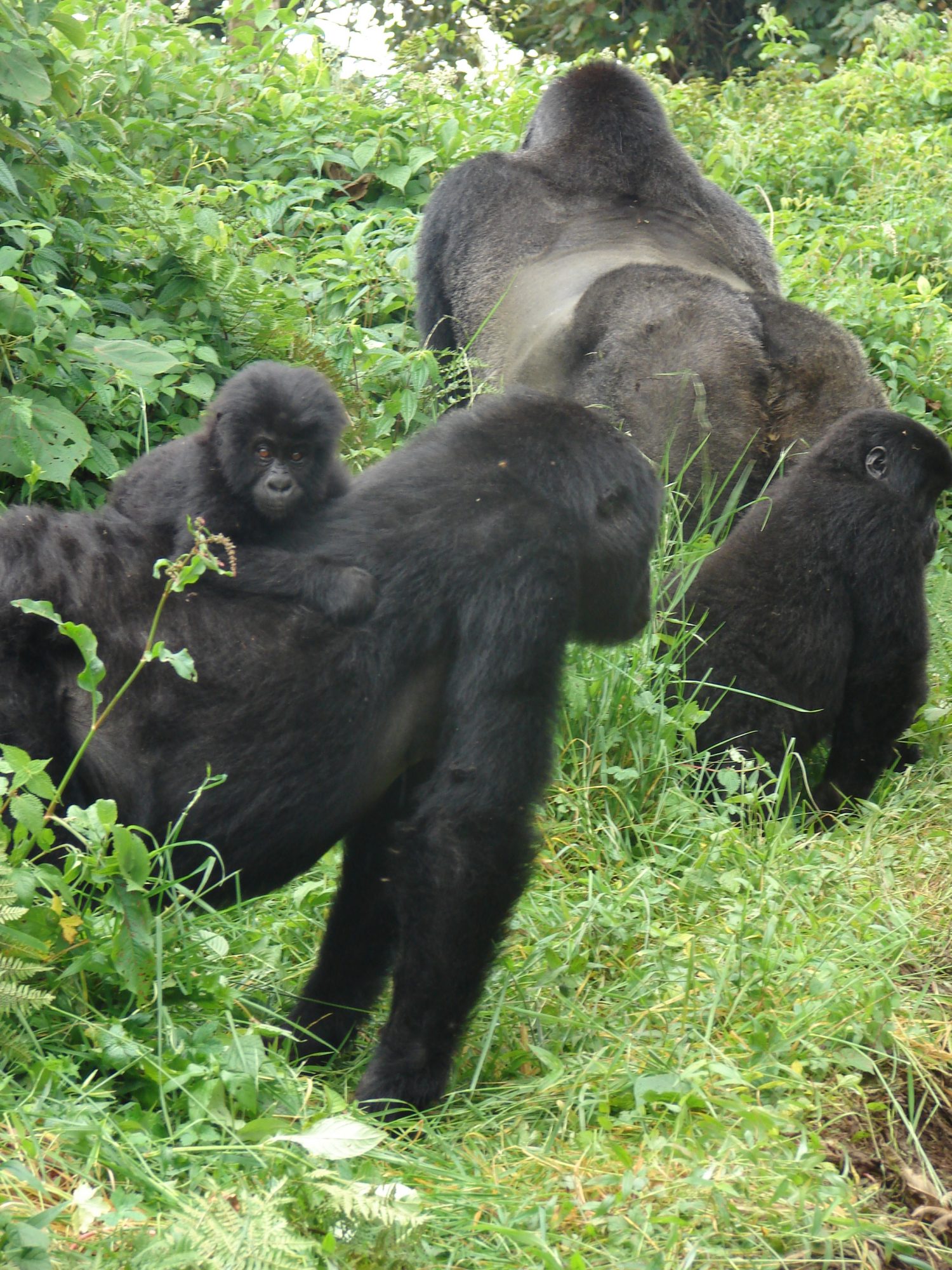
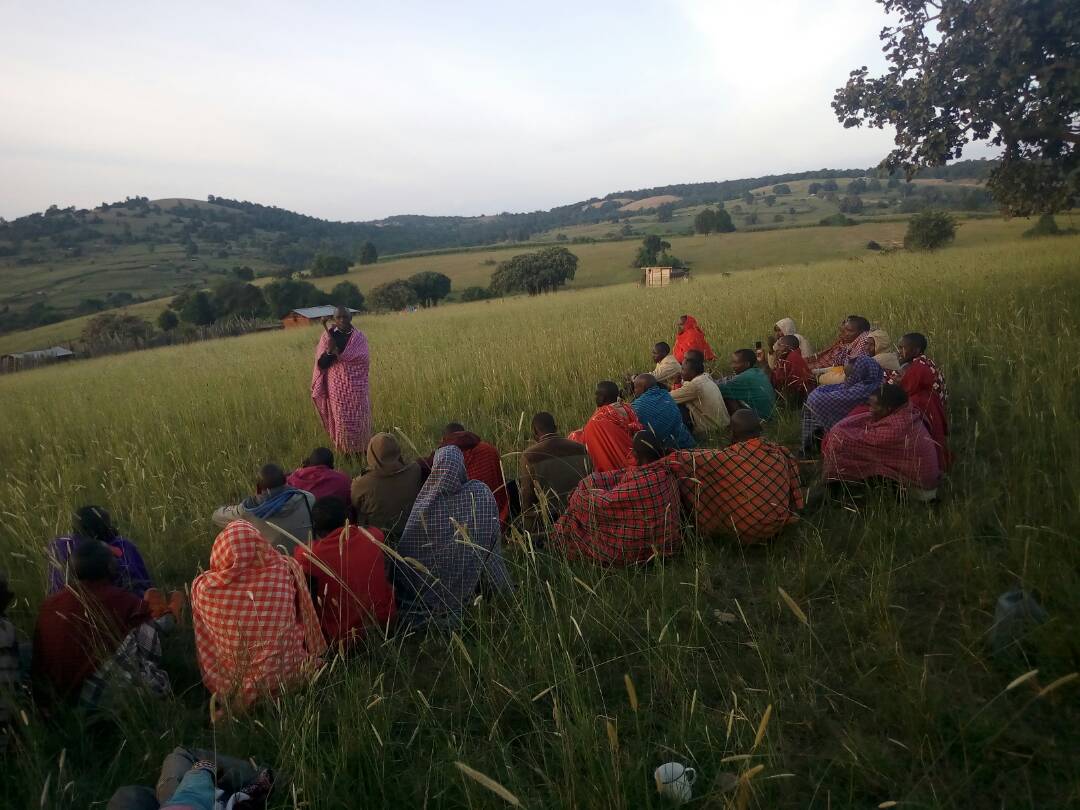
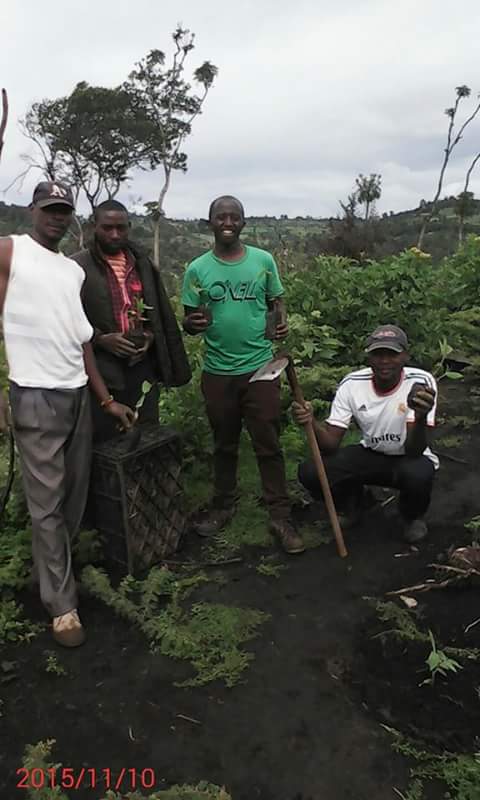
The collective experience thus far rings in my ear everyday: Despite the doom and gloom of climate change rhetoric, humanity has the means to effectively manage the biosphere now and for future generations, with substantial economic and social benefits. Just as the leaves on my favorite tree regenerated the following spring, so can we engender the regeneration of the Earth systems that we utilize and depend on, particularly forests and their Indigenous Peoples, and the flora and fauna that make them unique across Earth. There is time to learn how to manage our planetary biosphere and reverse deforestation while providing the necessities of life for humanity. Regenerating the forests of our planet will not solve the climate problem entirely, but it will engender and preserve the human need to connect with and experience nature. The simple action of re-connecting fragments of ecosystems will bring us closer to a biosphere that will sustain humanity for many generations. Planet Alpha extends the practice of biospheric improvement to the real world we live in now. It extends applications beyond the promise of action to the practice of biospheric improvement hand-in-hand with humanity.
Overall, has it been relatively smooth? If not, what were some of the struggles along the way?
The most significant struggle was deciding whether to migrate from academia. There is perceived security within an academic institution that comes with significant benefits but it is difficult to forge a path that is out-of-the-box within academia. The calculus was clear to me when presented with the opportunity to jump from Harvard to the Biosphere 2 project, a facility and program that was widely ridiculed during the initial years. Biosphere 2 shoves the tension between the promise and peril of a natural/anthropogenic balance squarely in your heart, mind, and soul. There was no comfort in facing the unknowns with the Biosphere 2 project. In addition, there was a struggle to define oneself as a business entity and as a trusted source of scientific methodology and information. Further, having taken the hard left turn away from academia there are unrelenting challenges ahead to establish a financially secure business (e.g., there is no check-in-the-mail) from scratch yet maintain high standards of excellence. Striking out from the academic ivory tower to brand yourself anew can be daunting and at times frustrating. In reality, all bets are off until you get there… to “know where”–that place you want to be–I think I’m there. Business relationships are essential along the way. For example, without an almost spiritual relationship with our patent attorney and firm, Wilmer Hale, Boston, we would not have survived to this day. Then there is the challenge of health during the journey of life. Six years ago I was diagnosed with late-stage oral cancer–that took a year out of my life and a year to get back on my feet after major surgery, chemotherapy and radiation. During that time I was thinking that my time may be shorter than I had presumed. All of a sudden, the pursuit of my dreams was urgent. I doubled down though and wrote several research proposals while having radiation treatments one of which was funded by the Department of Energy that also ultimately led me to Planet Alpha and where we are today. The most poignant business experience during this journey centers around the venture capital community. I have yet to meet a VC that understands, or wants to understand, the business opportunity around the biosphere and its function. In addition, VC’s by and large are happy to tell me how important our work is, but, end with: “Sorry, it’s not a fit.” Future generations will require more than a box of silicon and an inheritance to truly enjoy life. Our approach has been to eliminate VC’s from our equation for success.
Alright – so let’s talk business. Tell us about Planet Alpha Corp – what should we know?
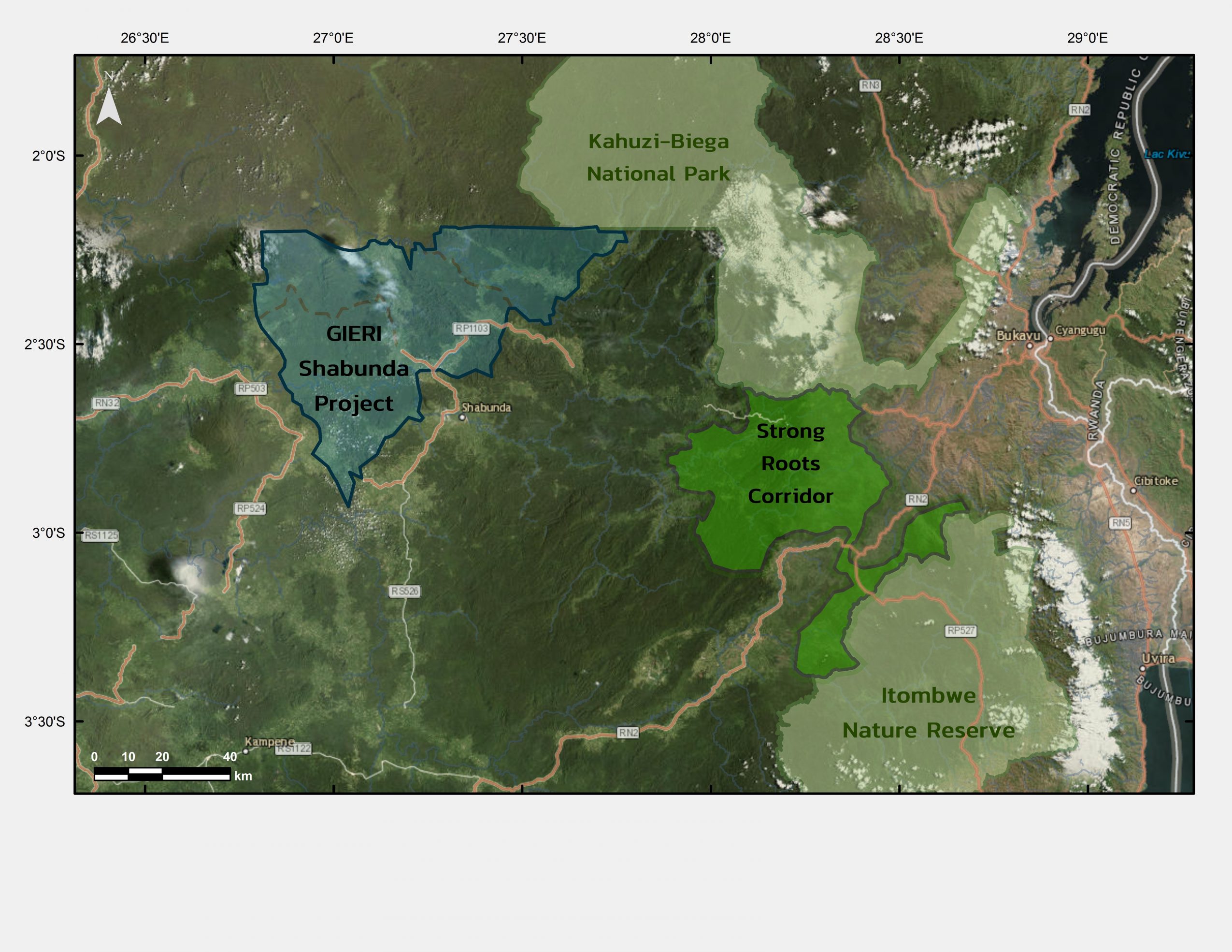
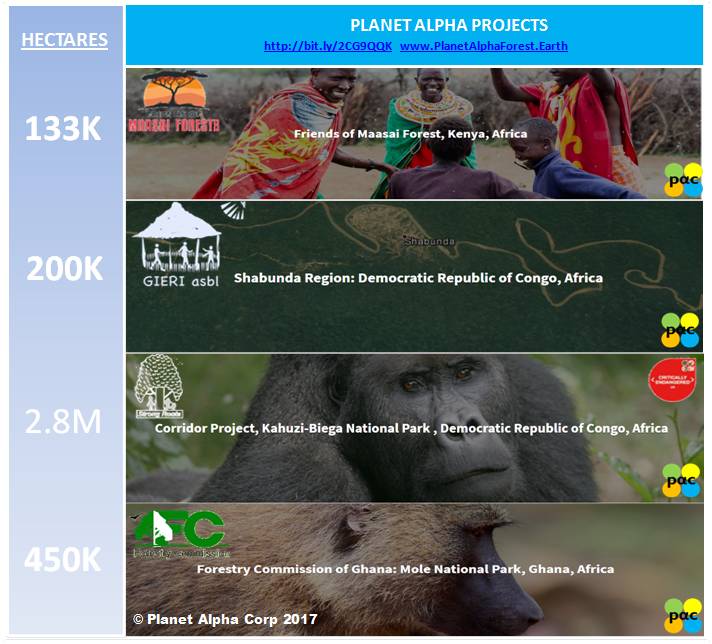
Planet Alpha was created to turn upside-down the ineffective system of carbon/GHG trading for voluntary and compliance markets. Baked into the upside-down Planet Alpha cake are: 1) the deployment of direct high precision and high frequency GHG measurement infrastructure across large project landscapes, 2) development of field instrumentation for 14CO2 measurement–the only direct tracer for fossil fuel derived CO2, 3) SEC regulated forest carbon securities, and, 4) direct support for forest landowners representing the vast and largely forgotten population on this planet that make the forest their home. We cannot begin to restore and manage forests on large scales without supporting and working with those who live in the forest. The icing on the cake is that we have developed a pathway to the future that supports humanity and the biosphere.
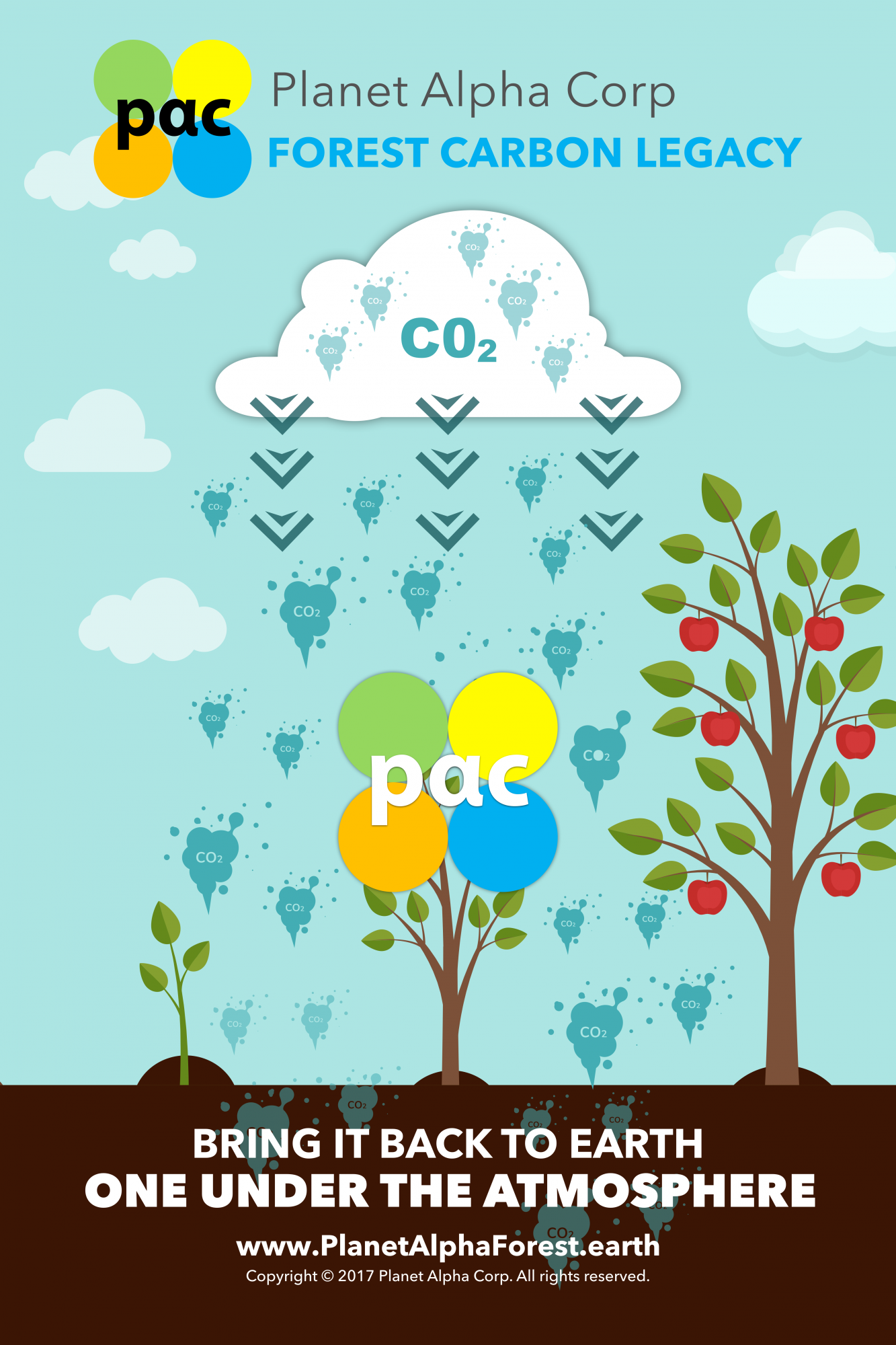
As a for-profit company in what is sometimes perceived as a non-profit endeavor, we strive to be seen as a signal of positivism for humanity. Our mission as a successful corporate business is to pursue lofty goals such as improvement of the human condition and the sustainability of the planet for future generations. Science (e.g., monitoring and analysis) will likely not save us but people making choices that restore and defragment nature have great potential to manage the Earth for future generations. Our core principle is embodied in leaving a “legacy” of forest sustainability and vibrant communities that manage forests. While Planet Alpha measures and monetizes GHG emission reduction, popularly recognized as a “carbon credit” we offer individuals, companies, non-profits, cities and governmental entities the opportunity to invest for the long-term growth and management of forests. I think of Planet Alpha as an updated corporate category, call it planetary technology (planet-tech) to be distinguished from clean-tech and geoengineering. We deal with the “atmosphere” as a rapidly mixed global resource for humanitarian purposes. Planet Alpha is developing planetary scale products that consumers want and will continue to want throughout life. We believe that humanity desires a planetary legacy of sustained natural resources and balance with nature for the future. For example, we use energy every day (e.g., filling up the car with gas) that impacts the biosphere immediately through potential global warming. As a countermeasure, we need mechanisms to also put the fossil fuel CO2 back in the tank immediately–the biosphere tank, or turn fossil fuel CO2 emissions into forest growth (see our Twitter feed @planetalphaforest). When forests are allowed to grow and are restored the natural and highly effective CO2 capture mechanism in leaves drawdown the added CO2. It is not a one-for-one exchange at the molecular level but it is a one-for-one action between you and the biosphere. If we took collective action in the transportation sector alone we can make a difference for future generations. It sounds easy. It is not. One of our goals is “easy” when it comes to reducing and avoiding GHG emissions for investors and consumers.
The GHG reduction products (e.g., offsets) that result from our forest carbon projects can be purchased by the public at large and by voluntary and compliance buyers. The goal here is to support long term forest growth that removes and stores CO2. The corporate sector needs verified GHG offsets to fulfill their role as planetary stewards. In our view, such offsets are lacking, not priced competitively, and are largely not based on direct observation of CO2 concentration. For example, a large corporation with an extensive supply chain will not likely be able to achieve quantitative carbon neutrality by only purchasing offsets. However, a corporation can invest in planting trees, supporting communities and managing ecosystems that will last as long as the company leaving a real and verified Corporate Legacy. Planet Alpha verified offsets can also be added to a corporate social responsibility program but the long term achievement is in long term biological growth. Planet Alpha, or Planet “α” (e.g., the symbol for alpha, the first letter in the Greek alphabet) signifies “now” as starting point, not end point (e.g., Omega). Gloom and doom scenarios regarding climate change impacts on humanity are not a plan or an action that we can take to ensure that future generations live in places that are similar to those of their parents. Corporations can demonstrate responsibility “starting anew” by participating in forest restoration and make a difference. Planet Alpha is developing new and verified GHG emission reduction products for the corporate responsibility market.
In our specific industry vertical, carbon/GHG trading, Planet Alpha is readily differentiated in that we create and deploy infrastructure for real-time, high-quality monitoring of GHG’s across specific project areas. THERE IS NO DIRECT COST TO THE LANDOWNER. We employ the “antithetical isotopes of CO2” one representing nature (carbon 13) and the other representing the anthropogenic perturbation to the natural system (carbon 14 derived from fossil fuel combustion). The three species of CO2 together provide the basis to track, trade and manage the backbone of planetary life and disassemble the agents of global warming as “carbon mansions in the sky” building since the industrial revolution.
All that said, “data trumps theory” enabling our real-time project data to address and verify local-to-global facets of the biosphere as we head into the future. Models are vastly more valuable when they are parameterized and tested with real-world data. We envision 50-year Planet Alpha programs up to 2100. There will be approximately 11+ billion people by 2100. Looking across the horizon now we see uncertainty around the impacts of climate change on societies. We are working to reduce the uncertainties and welcome collaborators of all stripes in our effort (https://planetalphaforest.earth/register-your-project/).
Our most recent accomplishment and one that again sets up apart from other companies in our space is that we have successfully launched a public equity securities offering through the Regulation A+ Tier II mechanism ($10/share, non-voting Preferred Series A Stock, 5% Annual Dividend (non-cumulative) Offering Circular and Risks: https://www.sec.gov/Archives/edgar/data/1703994/000114420417060090/tv479946_253g2.htm) . This approach allows a non-public, small company to issue a bona fide public security that can be purchased by everyday citizens and by accredited and institutional investors alike. Our purpose in pursuing this approach is to reach a “global public” audience and any entity who wants to participate in the solution to planetary scale problems. The reality is that without global public, corporate and governmental participation reversing the trend in GHG emissions and related climate change will become more and more challenging. While there is recognizable sentiment to “do something” about climate change, follow through with action is elusive. Our goal is to provide the “action” through our forest carbon securities investment and consumer products.
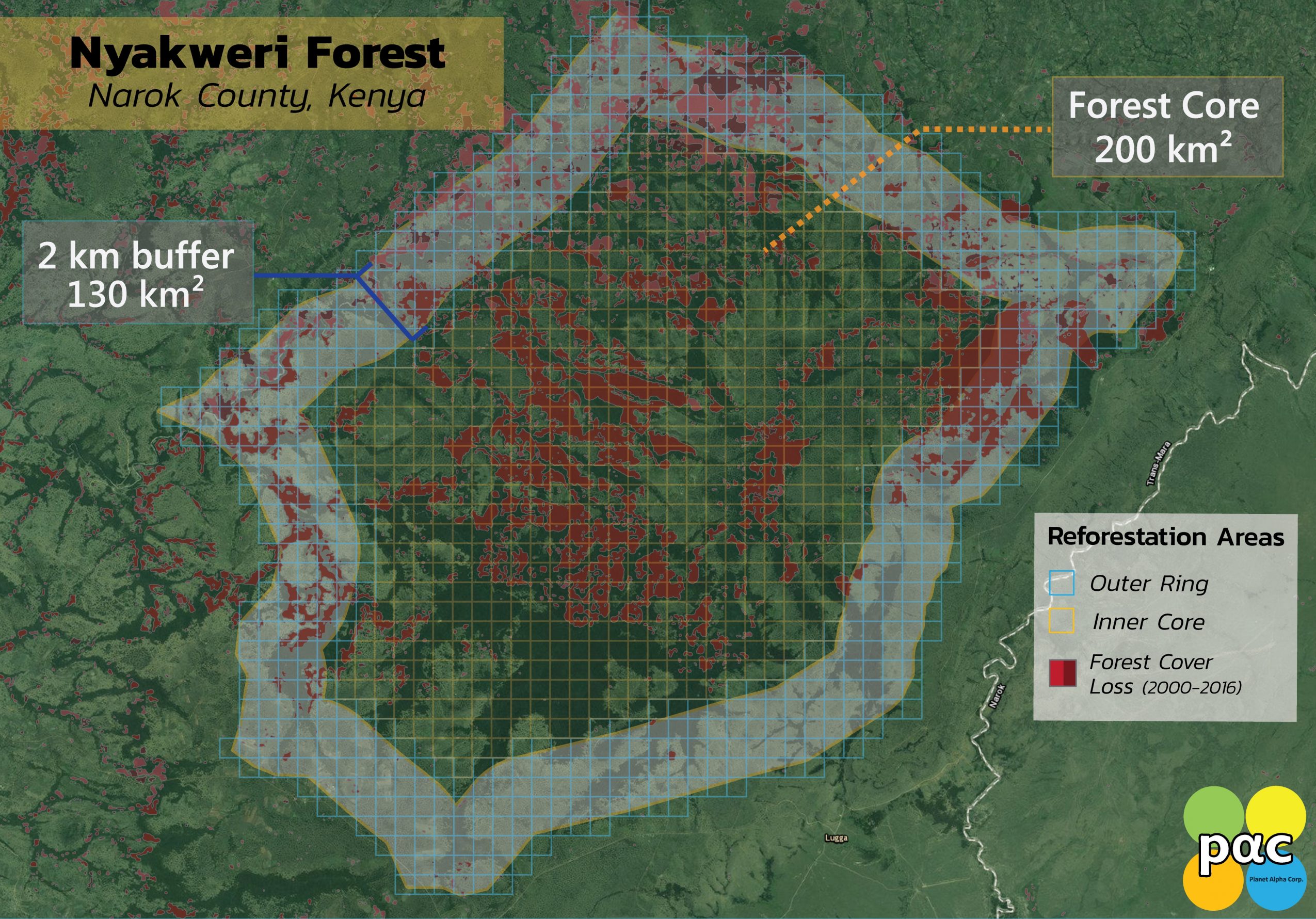
How does it work? Our securities approach allows investors to invest directly in Planet Alpha. Planet Alpha then develops forest carbon, restoration, and management projects anywhere on the planet. We then measure and monetize sequestered carbon that is available to buyers worldwide. Revenue from product sales forms the basis for profit and return on investment. Our approach directly supports forest landowners and those who live in the forest. There is no cost to the landowner–instead, we pay them for their services to restore, manage and protect nature. Ultimately, the transaction between Planet Alpha and landowners is a bridge from investors to some of the most impoverished places on the planet. The end result, we hope, is that the elusive balance between nature and the impact of humanity can be defined and managed for future generations. The Planet Alpha security provides an ecological-to-cultural-to-planetary good transaction with return on investment. Planet Alpha hosts a daily 10 am and 1 pm zoom internet open meeting to explain our forest carbon securities approach. There is no cost or obligation. Learn more: http://bit.ly/2mCMjs4
We are proud to bridge the divide between nature and business through our approach.
Lastly, looking down from 20,000 feet, our business is focused on restoration of nature across the landscape with anthropogenic impacts in balance. Looking into the sky away from Earth with a planetary perspective there is no need to go to Mars to preserve humanity. Earth, if managed to balance nature and anthropogenic activity, can support thousands of generations in the future. Of course, space exploration is essential but the idea of moving humanity to Mars as an escape from a failed Earth biosphere is a weak argument deflecting positivism and denying planetary solutions that are yet to be fully developed and deployed. Put simply we need to take care of our planet and humanity now and for the long term. If we can’t restore forests across the planet on our own today, what future is there for all of us on another planet with no trees?
Any shoutouts? Who else deserves credit in this story – who has played a meaningful role?
There are numerous individuals that provided waves of inspiration to me along this journey. They have been mentioned in the first part of the story. Scotty MacNeish deserves particular credit for taking me on as a high school student and literally opening the doors to the Peabody Museum to me as a student. Scotty, Director of the Peabody Museum at Phillips Andover, became a lifelong friend and colleague and was never at a loss to dispute accepted theory and argue with dirt or an artifact that his way of thinking was plausible. As a student at Phillips Andover, Scotty fueled my interests in unraveling the influence of climate change on cultural development–this is an underlying theme in Planet Alpha. Scotty was incessantly talking about comparisons between the first complex civilizations, their development and collapse. It took me some time, over numerous bowls of chili with Scotty, to understand what happened to early complex societies based on the archaeological record. Surprisingly to me as a student, the first complex civilizations did not fare well as we looked back at them through the archaeological record since these pre-industrial empires are now largely known through archaeological and anthropological studies. Scotty employed every scrap of the artifact, particularly preserved plants, to study their relationship with cultural development. The macroscopic plant record was not enough, however, so Scotty pushed on to the molecular record if climate recorded in plants, and within the molecules laid down like paving stones in plant cellulose
Some were of rare isotopic forms that could be linked to aspects of the climate system and defined the cultural response to climate change. To pursue this approach Scotty proposed that I work in a lab at UCLA where Michael DeNiro had employed isotopic analysis of ancient maize and of the corresponding isotopic composition of archaeological bone (fauna and human) to quantify dietary patterns. The UCLA DeNiro lab results challenged Scotty’s “macroscopic” estimation of diet but there was more to learn and to analyze for clues. So, off I went. I took a bus to UCLA from Boston. I didn’t have a place to live initially and worked in the lab 24/7 for two years straight. Sometimes I baked my dinner in the lab drying oven. I wanted to always be the first into work. None of the work I had pursued on archaeobotanicals would have been realized without an understanding of the climate system. In that regard, I would not be where I am today without my mentor and colleague, Mike McElroy, Dept. Earth and Planetary Science, Harvard. Mike invited me to migrate from the Dept. of Anthropology to EPS to analyze the results of isotopic studies on archaeobotanicals and to explore links to the climate system of the past primarily using data from ice cores.
Planet Alpha is now taking shape by attracting driven and experienced professionals in diverse fields including about half of the team residing in Africa. Our team reflects the breadth of work across larger goals including those the UNFCC Sustainable Development Goals. Recent additions to the PAC team include Susan Murcott, of MIT’s D-Lab whose work in Ghana provides low-cost ceramic water filters to address water, sanitation and health (e.g., WASH) issues and Jim Niquette, who as Country Director for the Carter Center in Ghana, set out to eradicate guinea worm. Water, sanitation and nutrition are part of the support we endeavor to bring to all of our project participants.
Contact Info:
- Website: www.planetalphaforest.earth
- Email: info@planetalphaforest.earth
- Facebook: @planetalphaforest
- Twitter: @planetalphacorp
Getting in touch: BostonVoyager is built on recommendations from the community; it’s how we uncover hidden gems, so if you know someone who deserves recognition please let us know here.