


Today we’d like to introduce you to Roy Perkinson.
Every artist has a unique story. Can you briefly walk us through yours?
My father was an artist, and it seemed that the smell of oil paint was always present in our house. I remember that when I was only 8 or 9 years old, my dad took me out with him to do some painting. He had given me a set of watercolor paints, and I was to try to use them. We sat ourselves down on a levee overlooking the Trinity River, which cuts through Dallas, Texas. (I was born in Dallas.) He showed me a few things about how to use the paints he had given me. After painting for a while, he said, “Let’s get something to eat.” We got in the car and headed down the road a way, pulling off at a small wooden shack. At this shack, we bought a couple of plates of fried chicken — about the best I’d ever had! — with some pickles, biscuits and, I remember this well, some honey. What a wonderful memory!
Many years later, I went to college at MIT, but in search of something (myself, I suppose), I left for about a year and a half, to return to Dallas, where I enrolled in a private art school taught by Chapman Kelley, a graduate of the Pennsylvania Academy of Fine Art. There, I soaked up a lot of the knowledge and craft of painting that I hadn’t yet been exposed to. That really was a life changing experience. While in that art school, I had been living in a room on the second floor of an antique shop not far from the studio where I was studying. I also had a job working with the guy who made frames for Kelley. He had a shop in the back of the studio building, and there I was taught how to carve wooden frames, as well as do gold- and silver-leafing. Great experience!
Eventually I went back to MIT to finish my SB degree, and subsequently worked at the MIT Instrumentation Lab, now Draper Laboratory, where I worked on a project relating to guidance systems for rockets, which was funded by the government’s Gemini Program. While working there I took post-grad courses in art history at MIT (yes, they had some terrific art historians teaching there, including Wayne Anderson, who was a magnetic and inspiring teacher. (He arranged for me to have an interview with Jacques Lipchitz, the great sculptor.)
Over the intervening years, I’ve always been drawn back by the magnetic pull of making art. Evening classes at the School of the Museum of Fine Arts, Boston, were a big help. I took classes in printmaking, sculpture, and anatomy in the evenings, while working a day job at the MIT Instrumentation Lab.
I thought that perhaps art history would be a good career to pursue, so I was admitted to the MA program in Art History at Boston University. At the same time, to make some money, I worked at the Museum of Science teaching what they called the “Science Explorers” program and giving gallery demos of various things like the great horned owl, “Spooky,” a gila monster, a six-foot long anaconda, and a porcupine. That was different!
I was fortunate, in time, to meet someone at the Museum of Fine Arts, Francis W. Dolloff, who, in 1929, had founded what was to become the Paper Conservation Laboratory. He thought I had the necessary background in studio art, art history and science to be trained in the emerging field of art conservation. That was great job! It brought me close to the art every day, challenged me to use skills and information I had acquired through my unusual background, and was, for me, the best day job imaginable. But I continued to try to squeeze art making into my days, blessed with an understanding wife, and while we brought into the world two splendid sons.
Eventually I was pleased and gratified to become head of what is now the Virginia Herrick Deknatel Paper Conservation Laboratory at the Museum of Fine Arts, Boston. But I continued to make art outside this wonderful day job, often working on location at various places in the beautiful landscape around Boston and in New England.
Now I’m happy to say that my only job is making art! And I’m fortunate to have my work shown in various galleries in the area, and viewable online via my website, www.royperkinson.com.
Please tell us about your art.
How and why do I decide to make a specific painting? There is an instant of recognition that something I’ve observed could and must become a painting. These instants come as unexpected gifts, as if I suddenly found a pearl lying on a beach. I’ve come to realize that what arrests my attention in this way has several ingredients, but the most important is a quality of light that evokes an emotion akin, perhaps, to feelings that can come from poetry. Also, I am drawn to a scene that has an underlying sense of geometry and combination of colors that I judge to contain the possibility of delicious harmonies.
Then comes the process of distilling and refining these elements while trying to use the special properties and personalities of the medium itself, whether oil, pastel or watercolor. In making a painting I want to allow the medium to have its own voice, but I try to imbue the medium with the moods, memories, and visual delights I found in that original instant of recognition.
Some of my work is created on location, but occasionally I revisit certain ideas in the studio, where I may develop a new painting, often in a medium different from a prior version. I love working in oil, with its great range of textural and coloristic possibilities. I enjoy pastel because of its efficiency and directness when working on location, but I also relish the challenge of working in watercolor.
I grew up in Texas so it is not surprising that many of my pictures try to convey a sense of open spaces and often include attention to the sky, with its various moods and atmospherics.
Choosing a creative or artistic path comes with many financial challenges. Any advice for those struggling to focus on their artwork due to financial concerns?
I have made an effort to learn about how to publicize my work via newspapers, the web, Instagram and Facebook, as well as by simply remembering to hand new acquaintances my business card. There is no magic to any of this, and it’s a challenge to balance the time required for “getting the word out” and actually making art! But I know that regardless of the financial returns, I’ve got to keep doing the art. It’s just too important not to.
How or where can people see your work? How can people support your work?
Much of my work can be viewed online at www.royperkinson.com. But I’m also represented by Powers Gallery in Acton, MA (http://www.powersgallery.com), and at other galleries listed on my website.
Contact Info:
- Address: 365 Weston Road, Wellesley, MA 02482
- Website: www.royperkinson.com
- Phone: 781.534.8584
- Email: royperkinson@mac.com
- Instagram: https://www.instagram.com/perkinsonpaintings/
- Facebook: https://www.facebook.com/Roy-Perkinson-Artist-430667320337632/?ref=hl
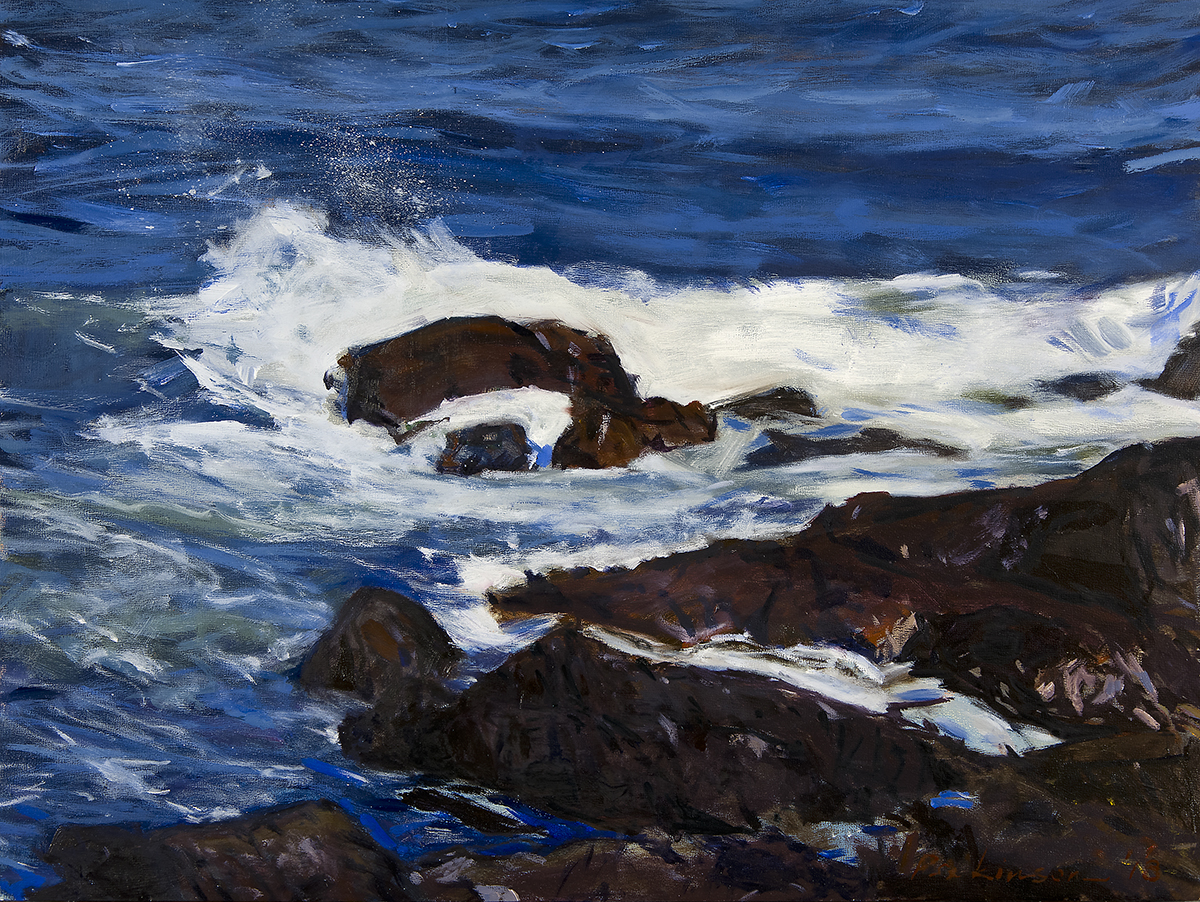
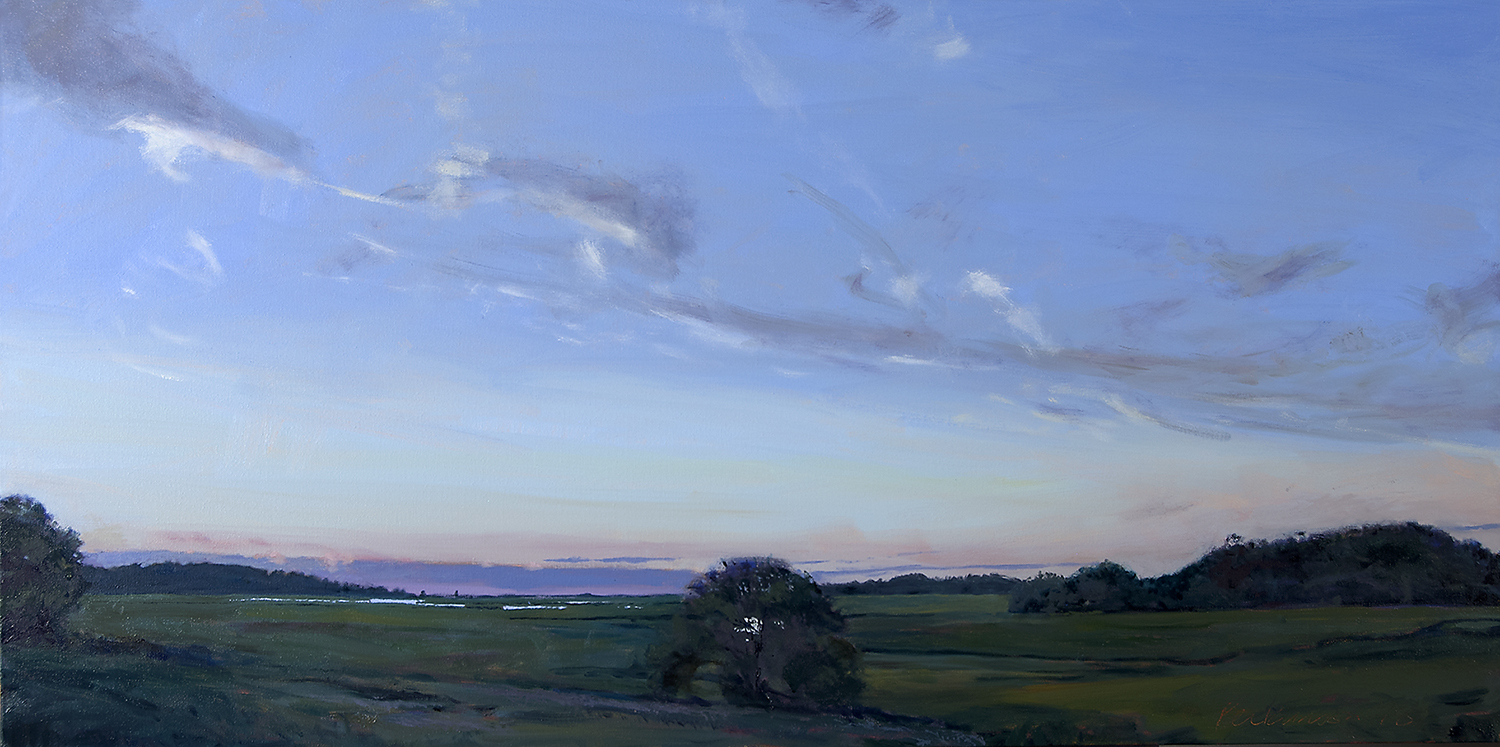
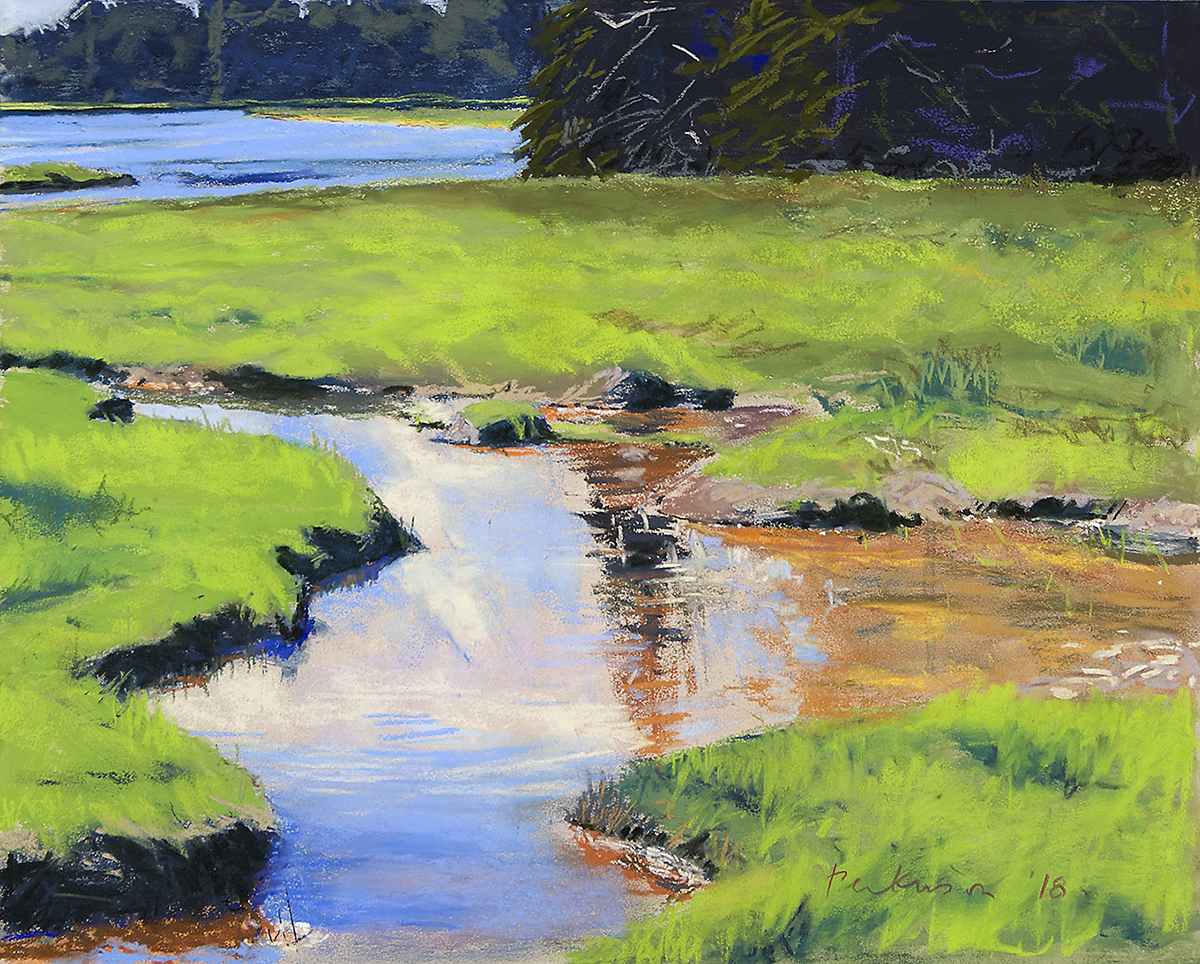
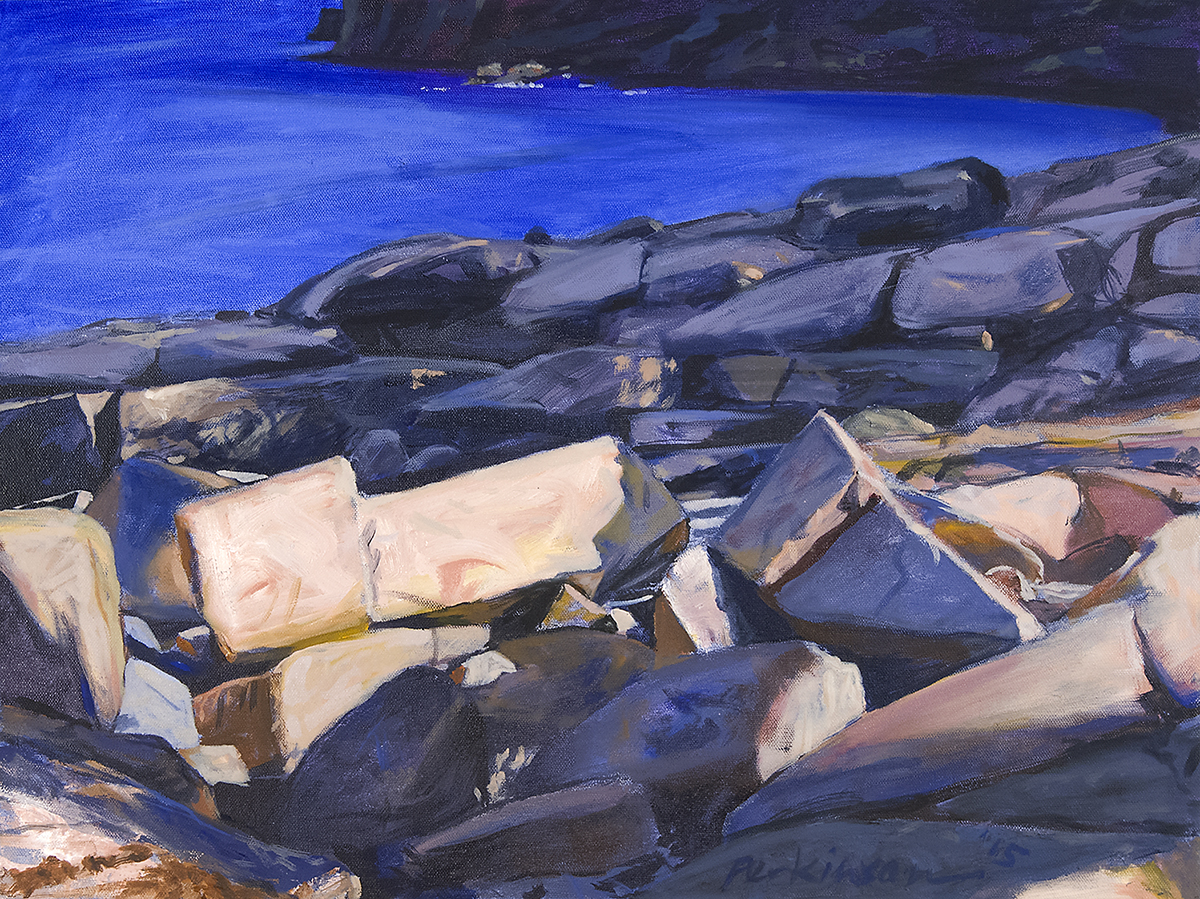
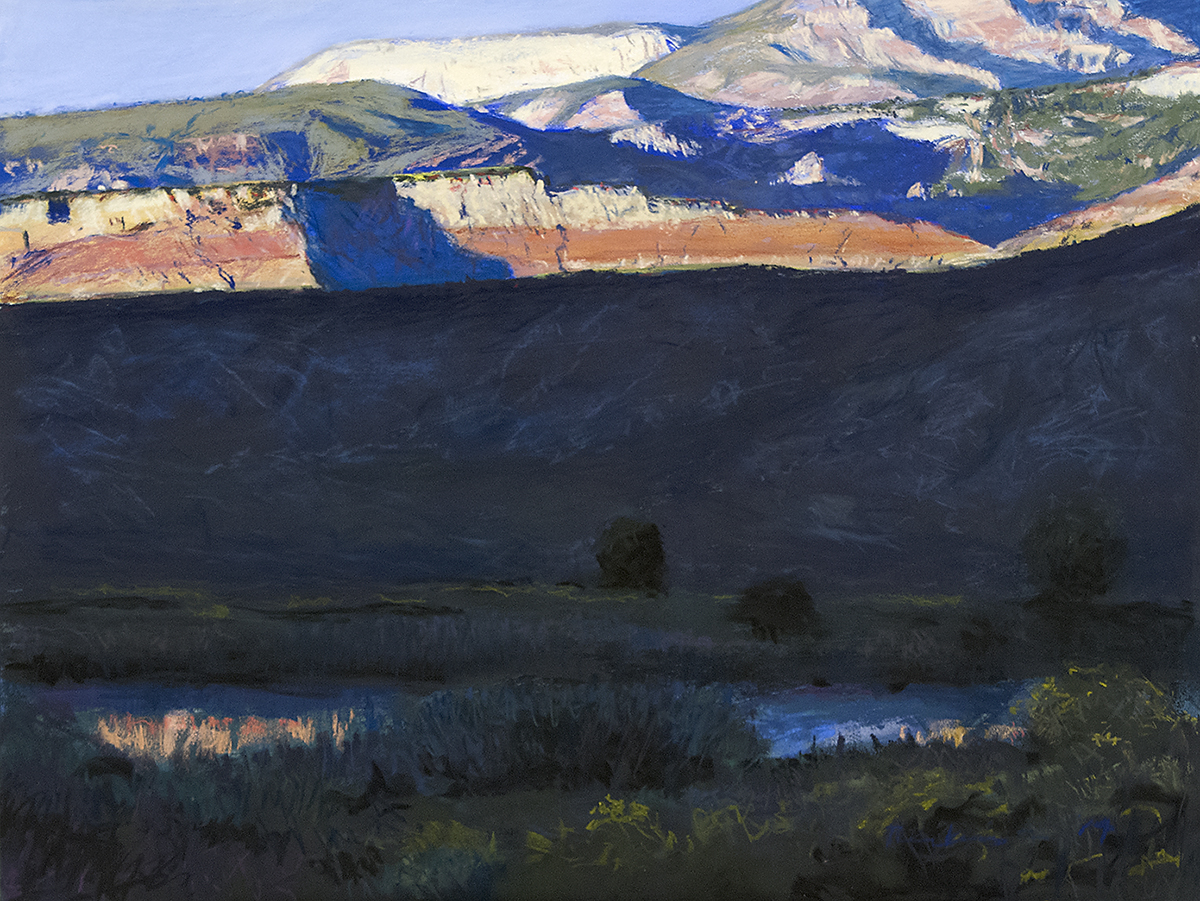 Image Credit:
All photos by Roy Perkinson