


Today we’d like to introduce you to Marisa Adesman.
Marisa, please kick things off for us by telling us about yourself and your journey so far.
I grew up on Long Island outside of New York City. My parents tell me that since I was old enough to sit up on my own, I had a creative instinct and a lot of patience for my “art.” They say I would sit for hours on the floor organizing the carpet lint by color. I started taking local art classes at a very early age and continued to do so all throughout high school. As a teenager, I was so excited to go each week to the Huntington School of Fine Arts where I learned to paint, draw, and sculpt from the live model. At my public high school, I made sure to take all the art classes that were available to me – even at the expense of a lunch period and perhaps compromising my social life, as my guidance counselor warned. But it was through the artistic extra-curriculars that I was both able to find myself and a new network of friends.
For my undergraduate studies, I attended Washington University in St. Louis, where I majored in both Painting and Psychology. I was fortunate to attend a school that had such a strong art program within an exceptional liberal arts university. After receiving my BFA, I took some time off to make sure that I would maintain a diligent studio practice outside of the academic world. I took up various odd jobs to help support my practice, from making coffees as a barista to working at a haunted house as a makeup artist, to the creative director of a restaurant in Brooklyn.
I went back to school in 2016 to get my MFA at the Rhode Island School of Design. My two years in this rigorous program were pivotal for my art practice. I began to bring other disciplines into my painting, such as performance, video, and printmaking, which ultimately helped clarify and deepen the conceptual focus of my work. Given how much was packed into those two years countless studio visits with faculty and visiting artists, peer critiques, artist talks, and more, I am now looking forward to taking the next year to digest, consider, and question all to which I was exposed. I am excited to keep the MFA momentum going for the next year at the Hub Bub residency hosted by the Chapman Cultural Center in Spartanburg, South Carolina.
Can you give our readers some background on your art?
As I mentioned earlier, I am coming from a background of traditional oil painting on canvas. It wasn’t until I got to graduate school that I begin exploring across other visual media. No matter the medium, I have always been interested in the body and themes of the grotesque, and I am now using these recurring ideas to create visual narratives that disrupt restrictive ideas of gender, social identity, and femininity. Through painting, performance, and video, my work questions the ways in which the grotesque body conflicts with our visual glossary for beauty and health, as promulgated through pop culture and commercial media. My work confronts experiences of consumption of media, food, and one’s own image by examining societal constructions of femininity.
I have recently been very focused on domestic spaces related to the production and consumption of food – namely the kitchen and the dining room. Food is a powerful measure and reflection of who we are cultural, socially, economically, and politically. As such, this has been a rich subject for artists to explore and unpack throughout the years. Explicitly and implicitly, food has the ability to convey powerful gender-coded messages that have an impact on our society and can highlight cultural constructions of femininity. Second-wave feminist artists from the 1970s, such as Martha Rosler, Judy Chicago, and the artists of the Woman house project, have dedicated their practices to questioning and critiquing prevalent philosophies that conflate domesticity and womanly virtue, and often do so through investigating the semiotic potential of food and dining. Drawing on this long lineage of feminist artists, my work explores specific practices that work to further encode this gender trap. I explore how visual disorientation of the domestic space can work to unmoor and destabilize ingrained assumptions that have been historically limiting or socially constraining for women.
In my current series of works, I am focusing on the view of a glass dining room table as seen from below. Many of these images visually operate against the laws of gravity and spatial logic, using inversions and reflections to create a slowing of recognition and a rupturing of formality. By challenging the sense of gravity, the objects on the table seem at once weightless and unattainable; the glass table becomes a barrier, a glass ceiling if you will, to what exists on the other side potentially separating the viewer from sustenance and the world above.
I have also been making my own YouTube video tutorials, which are at once whimsical and satirical. With these works, I examine the unsettling ways in which our ideals of perfection can go haywire. By merging food and beauty tutorials, my videos highlight both the allure and repulsion of the body and emphasize the grotesque aspects of preparation, decoration, and preservation of one’s food and one’s self.
It has been rewarding to work collaboratively with other artists because it has allowed me to work creatively outside of my own comfort zone. One collaborative piece was a durational performance that explored themes of reciprocity and emotional exchange within relationships, especially as they relate to the performance of femininity. I am also currently working on a video-installation piece with another painter, so we are learning quite a bit as we go! I think it is really wonderful for artists to challenge themselves and not limit themselves to one medium, but rather be open to using whatever medium will best express their ideas.
Any advice for aspiring or new artists?
My advice would be to stay open to opportunities to collaborate with other artists. I have learned so much through my various collaborative projects. It is easy to get deeply absorbed into your own studio practice as an artist, but sometimes, this focus comes at the expense of experimentation and risk-taking. For this reason, collaborating has offered my studio practice a breath of fresh air and has fueled creative exploration. I have been able to get out of my comfort zone and try new techniques and practices that I would have never imagined doing on my own.
What’s the best way for someone to check out your work and provide support?
I am in the middle of a few projects at the moment, one of which is a collaborative video installation piece that will be exhibited this coming spring at Elephant West Gallery in London. This piece will be a magical-realist interpretation and modernization of the classic fairytale, Bluebeard. I will also have some paintings displayed at Jala Studio in Providence this coming winter. Also, this year, I am one of the two artists in residence at the Chapman Cultural Center in Spartanburg, South Carolina. Throughout this residency, I will have weekly open studio hours – so if you find yourself in Spartanburg, please stop on by!
You can always follow my studio progress and find out about my upcoming exhibitions and projects through my Instagram: @marisaadesman. I am very open to all kinds of projects – so if you have an idea and want to collaborate or commission a work, please feel free to reach out to me by email: marisaadesman@gmail.com. And of course, many of my paintings posted on my website (www.MarisaAdesman.com) are available for purchase.
Contact Info:
- Website: www.MarisaAdesman.com
- Phone: 5162338802
- Email: marisaadesman@gmail.com
- Instagram: https://www.instagram.com/marisaadesman/
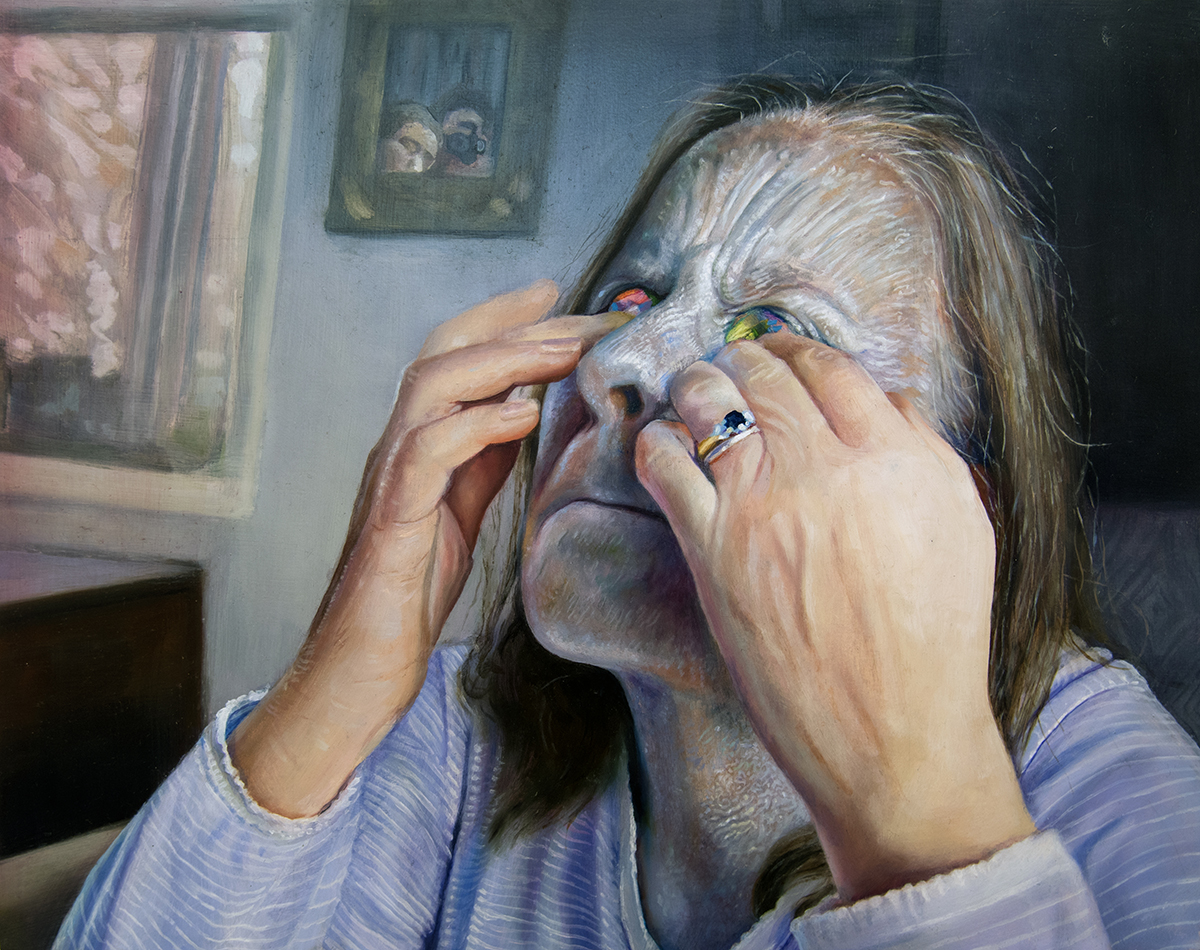
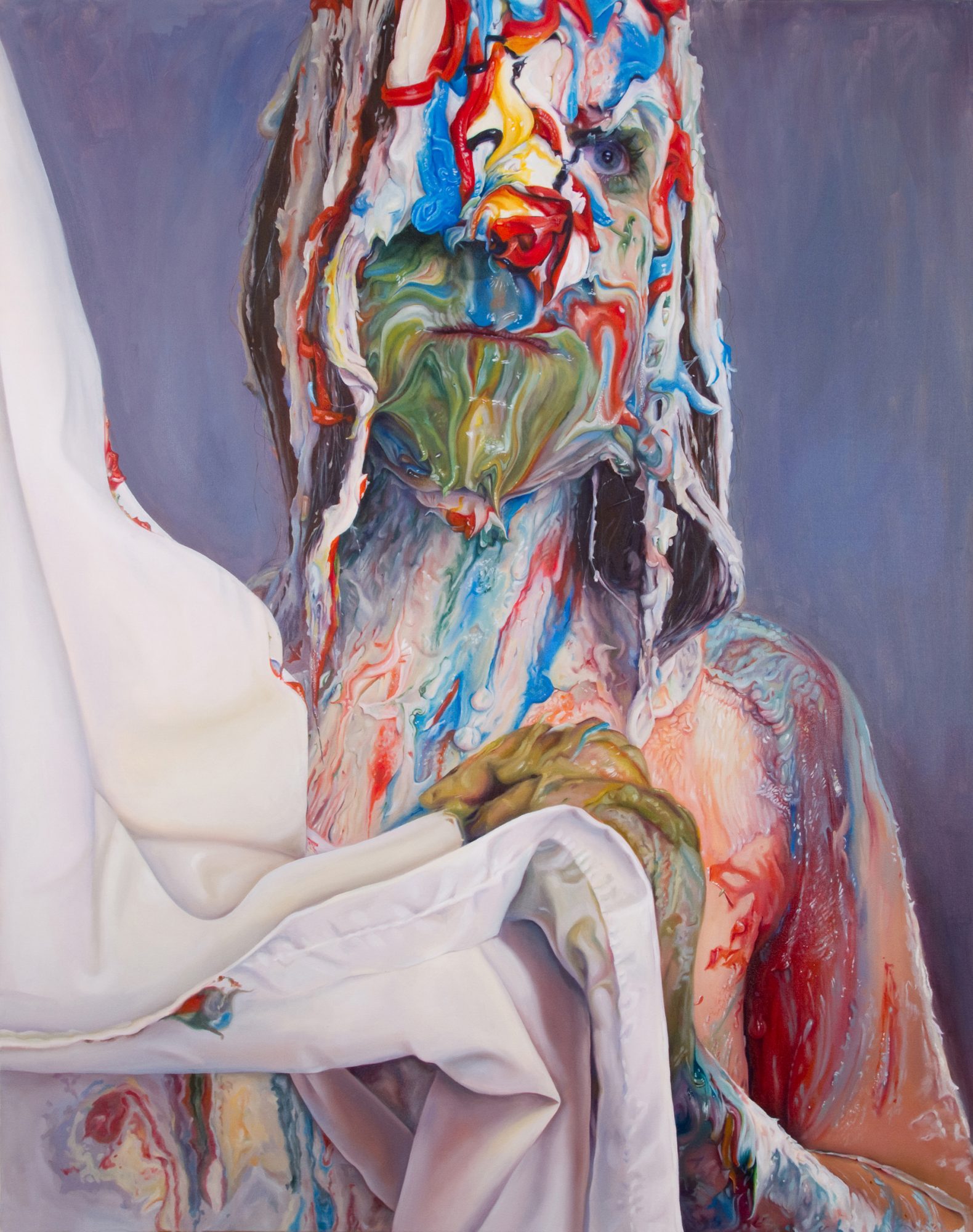
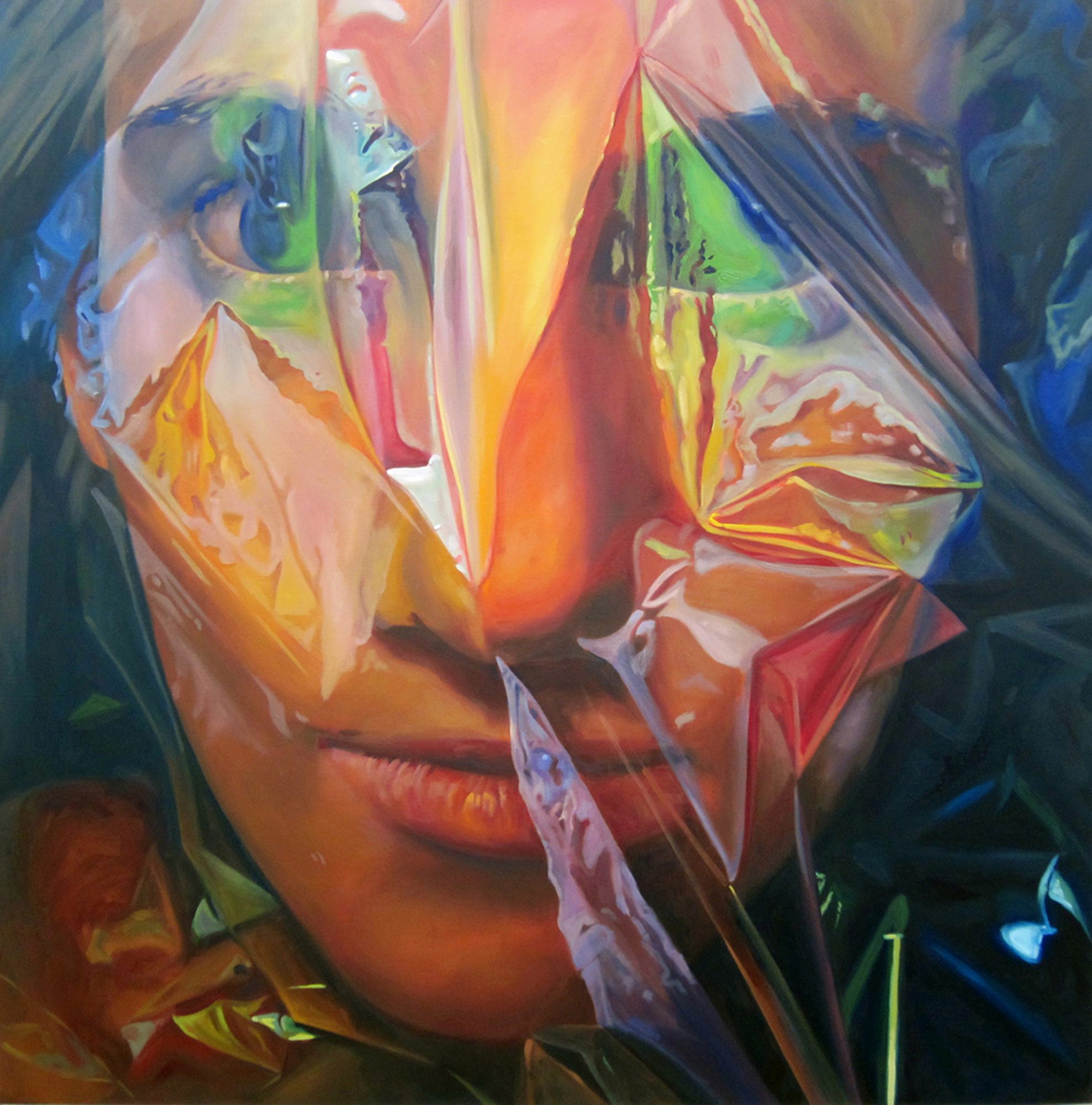
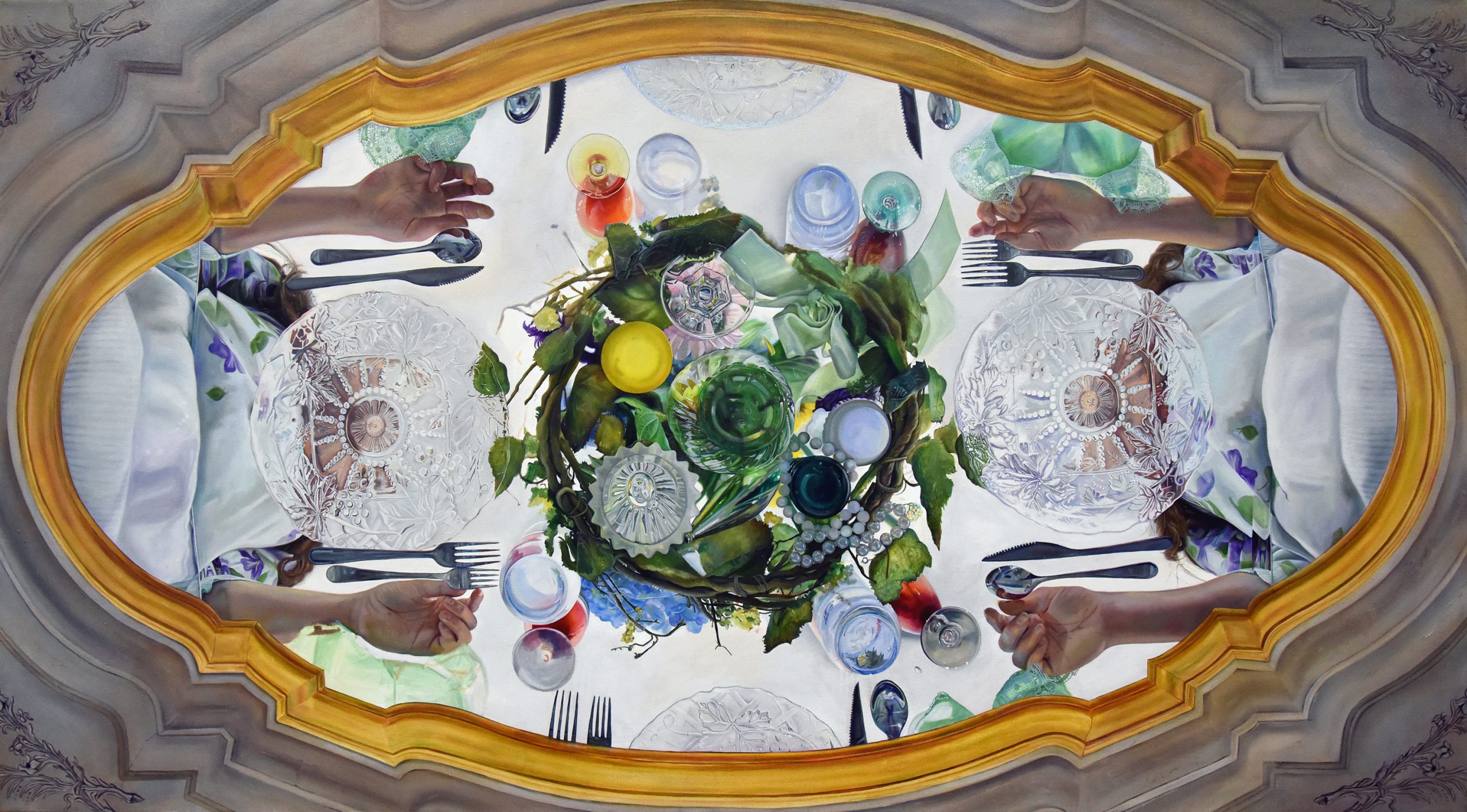
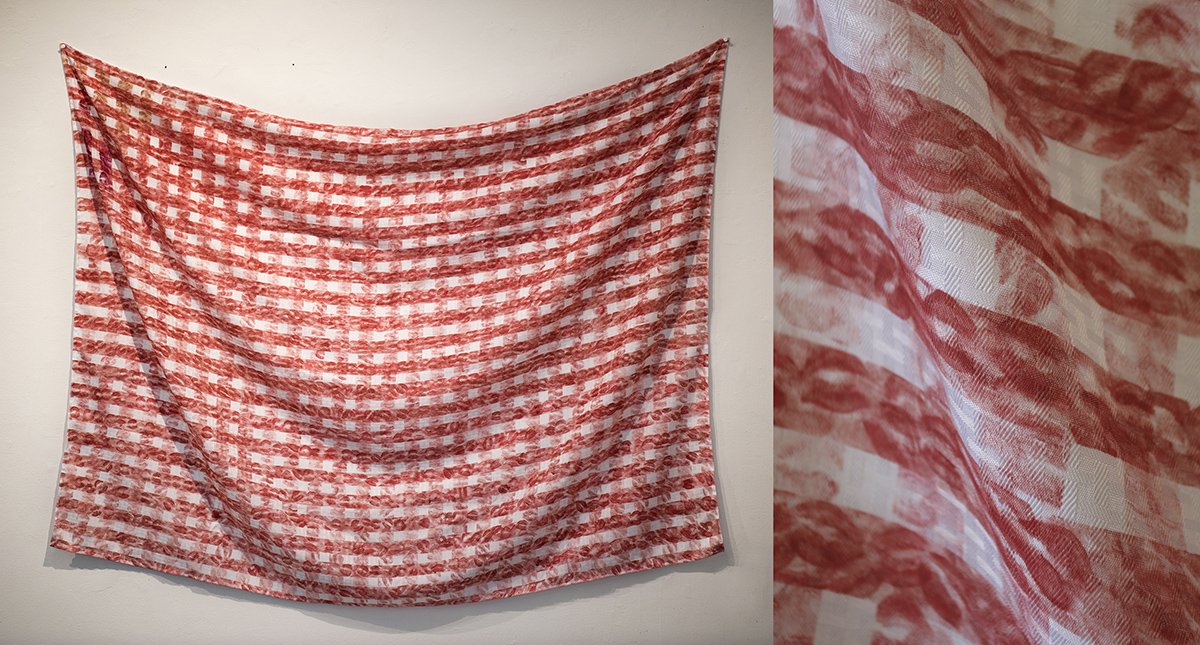
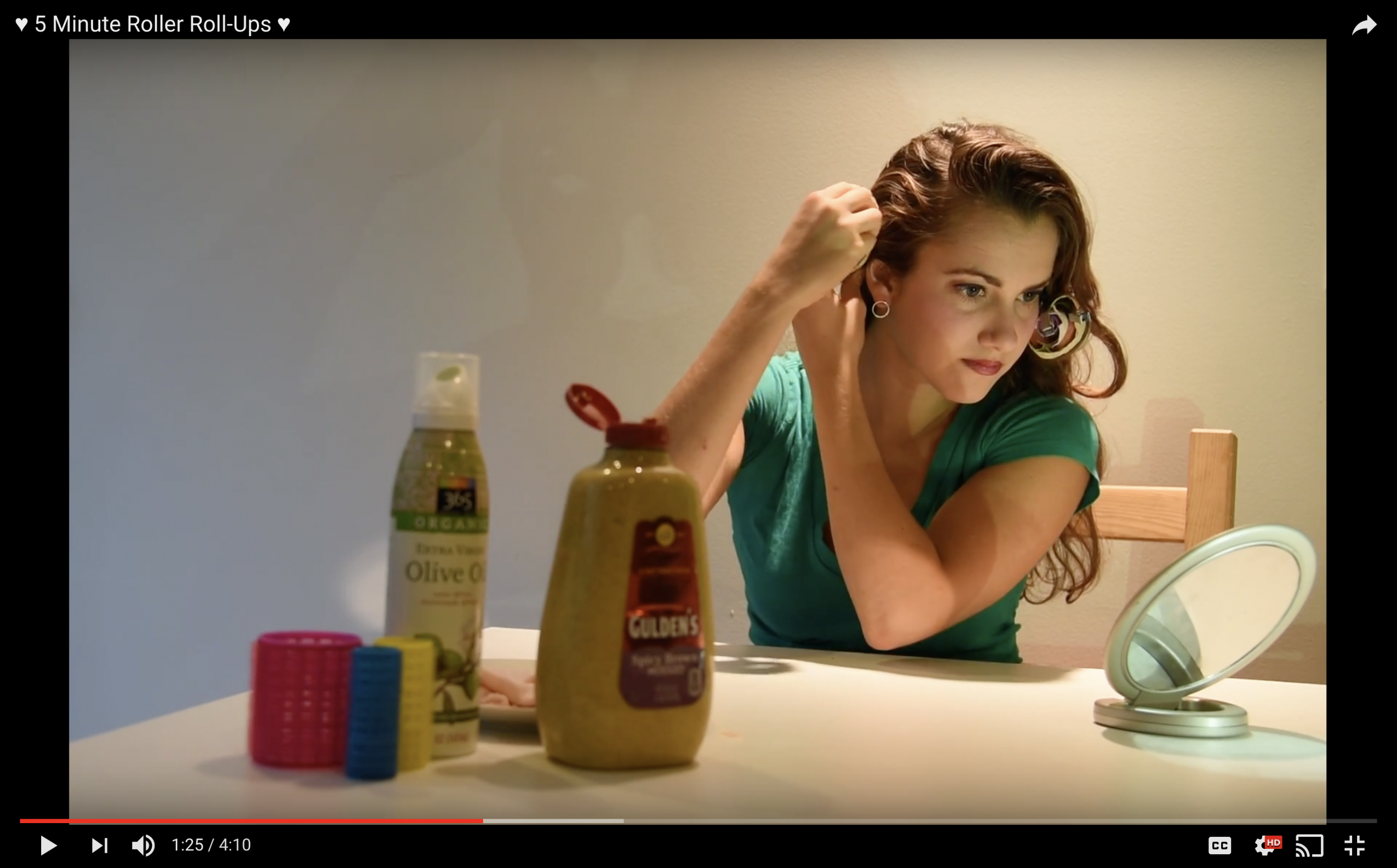
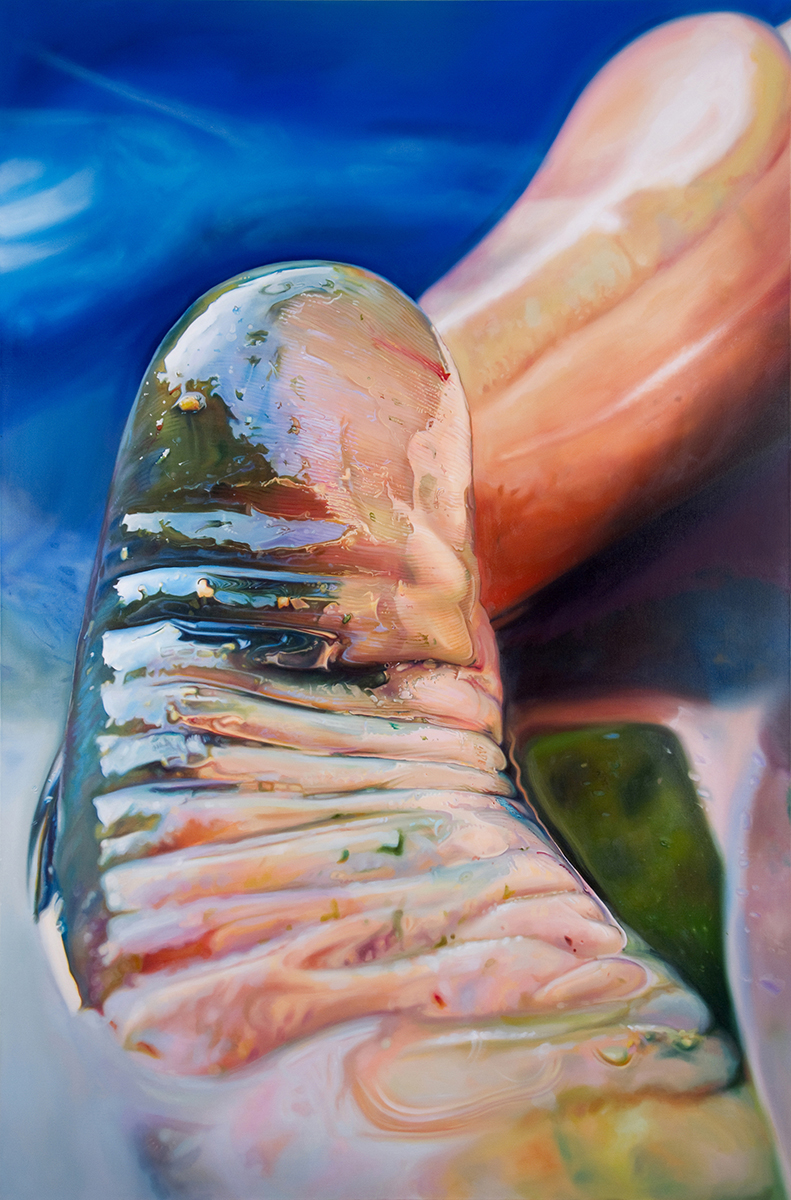
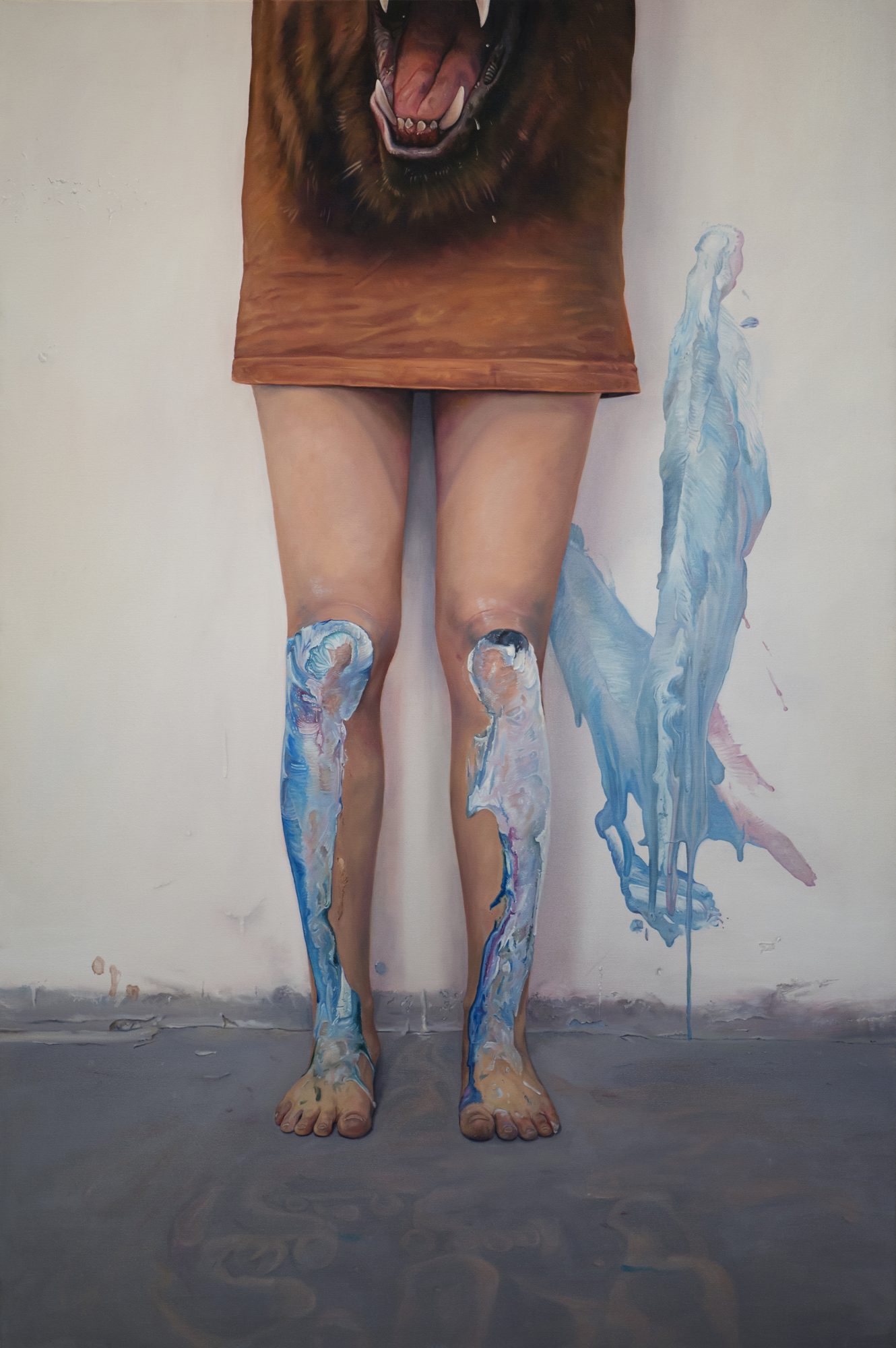
Image Credit:
Adesman_1:
Hortus Inconclusus
Oil on canvas
84″ x 46″
Adesman_2:
Setting the Table
Lipstick on fabric
70″ x 50
Adesman_3:
5 Minute Roller Roll-Ups
YouTube video
Adesman_4:
Uprooted
Oil on canvas
48″ x 72″
Adesman_5:
Overbearing
Oil on canvas
48″ x 72
Adesman_6:
Charon’s Remedy
Oil on panel
14″ x 11″
Adesman_7:
Vertumnus’ Bride
Oil on canvas
48″ x 60″
Adesman_8:
Veil
Oil on canvas
48″ x 48″
Getting in touch: BostonVoyager is built on recommendations from the community; it’s how we uncover hidden gems, so if you know someone who deserves recognition please let us know here.