





Today we’d like to introduce you to Matthew Phaneuf.
Thanks for sharing your story with us Matthew. So, let’s start at the beginning, and we can move on from there.
Over 29 years ago, I began my scientific research career investigating the complications caused by materials used in medical devices at the BI Deaconess Medical Center. Although devices have been effective in improving patient lives, I observed first-hand how materials can compromise the efficacy of devices and therefore the quality of life for patients. This experience motivated me to develop better materials. In 2003, My wife Tina and I founded BioSurfaces in Ashland, MA.
BioSurfaces has spent 15 years and over $10 million in competitively sourced research funding to develop an electrospinning technology to produce nanomaterials (Bio-Spun). The primary sources of this non-dilutive funding have been several small business grants and contracts from the National Institutes of Health and the National Science Foundation. The Bio-Spun materials promote healing by enhancing cell tissue integration and prevent rejection from fibrosis and inflammation by reducing foreign body response.
The materials also can deliver therapeutic agents at the disease site. In summary, BioSurfaces proprietary Bio-Spun materials have broad applications in medical devices and for delivery of therapeutics. The unique biological properties of our Bio-Spun material were recognized by Takeda Pharmaceuticals for novel applications to treat gastrointestinal disorders.
In June 2017, BioSurfaces and Takeda signed a three-product co-development and co-commercialization agreement (See https://www.biosurfaces.us/news). While those novel applications represent a significant opportunity, Bio-Spun materials have even greater potential in established medical device domains.
Overall, has it been relatively smooth? If not, what were some of the struggles along the way?
Setting up and maintaining a research and development company has not been easy. A majority of biotech companies fail within the first five years after formation. With Tina and I both being scientists with no business experience, we had to learn the basics of opening and running a company.
We had to incorporate this along with developing our technology. Bringing in funds is also a major challenge. When we were receiving federal grants and contracts, issues such as shutdowns, sequestration, and bureaucracy affected company operations by delaying time to receive funds. Reduction in government funding reduced opportunities.
Limited funds also reduced the amount we could pay potential employees as compared to large companies. Health care costs also dug into the operating costs. There were times over the past 15 years where we were personally funding the company to keep it afloat.
Lastly, the amount of time spent to keep and develop the company has been a struggle. It is likely that we could have made more money entering the private sector, but we enjoyed the people we were working with and what we were doing, which made it worthwhile.
Please tell us about BioSurfaces.
Since its inception, the focus was to develop cutting-edge proprietary nanotechnology that would overcome the inadequacies of conventional device materials. Our innovation was that it was not the material composition but its structural dimensional properties that needed engineering; electro-spinning technology could be used with conventional FDA approved polymers to produce fibers that matched the biological properties of naturally-occurring extracellular scaffolds.
The Bio-Spun technology, in extensive preclinical testing, has been shown to heal better than current implantable materials, reduce inflammation and foreign body complications and have the ability to target drug delivery.
These unique attributes reduce adverse side-effects significantly while improving treatment effectiveness. Our Bio-Spun materials can be used in many medical devices: heart valves, closures for holes in the heart, treatments for gastrointestinal problems, access grafts for hemodialysis, sutures, hernia repair mesh, skin (dermal) substitutes and orthopedic devices.
Benchtop and preclinical studies using Bio-Spun materials by potential partners have shown that these materials have wide application for many existing types of medical devices while providing improved healing. BioSurfaces is in discussions with several medical device companies for co-development and commercialization agreements for a number of products in different areas.
Companies (outside of Takeda) and institutions which have technical and business teams actively assessing and testing our material include Edwards Lifesciences, Medtronic, Fresenius and the National Institutes of Health.
If you had to go back in time and start over, would you have done anything differently?
We would have definitely taken some business classes in college to learn more about operating a company prior to starting one. We never had any plans to start our own company, so this would have been a nice complement to our science background. The lack of initial business knowledge required a steep learning curve. We have been fortunate to have excellent advisors and support throughout our time in business.
This would also have provided us a background to the various pathways for raising capital as well.
Contact Info:
- Address: 200 Homer Avenue, Unit 1P Ashland, MA 01721
- Website: www.biosurfaces.us
- Phone: 508-881-8860
- Email: info@biosurfaces.us
- Facebook: https://www.facebook.com/BioSurfaces/
- Twitter: https://twitter.com/biosurfaces?lang=en
- Other: https://www.linkedin.com/company/biosurfaces-inc
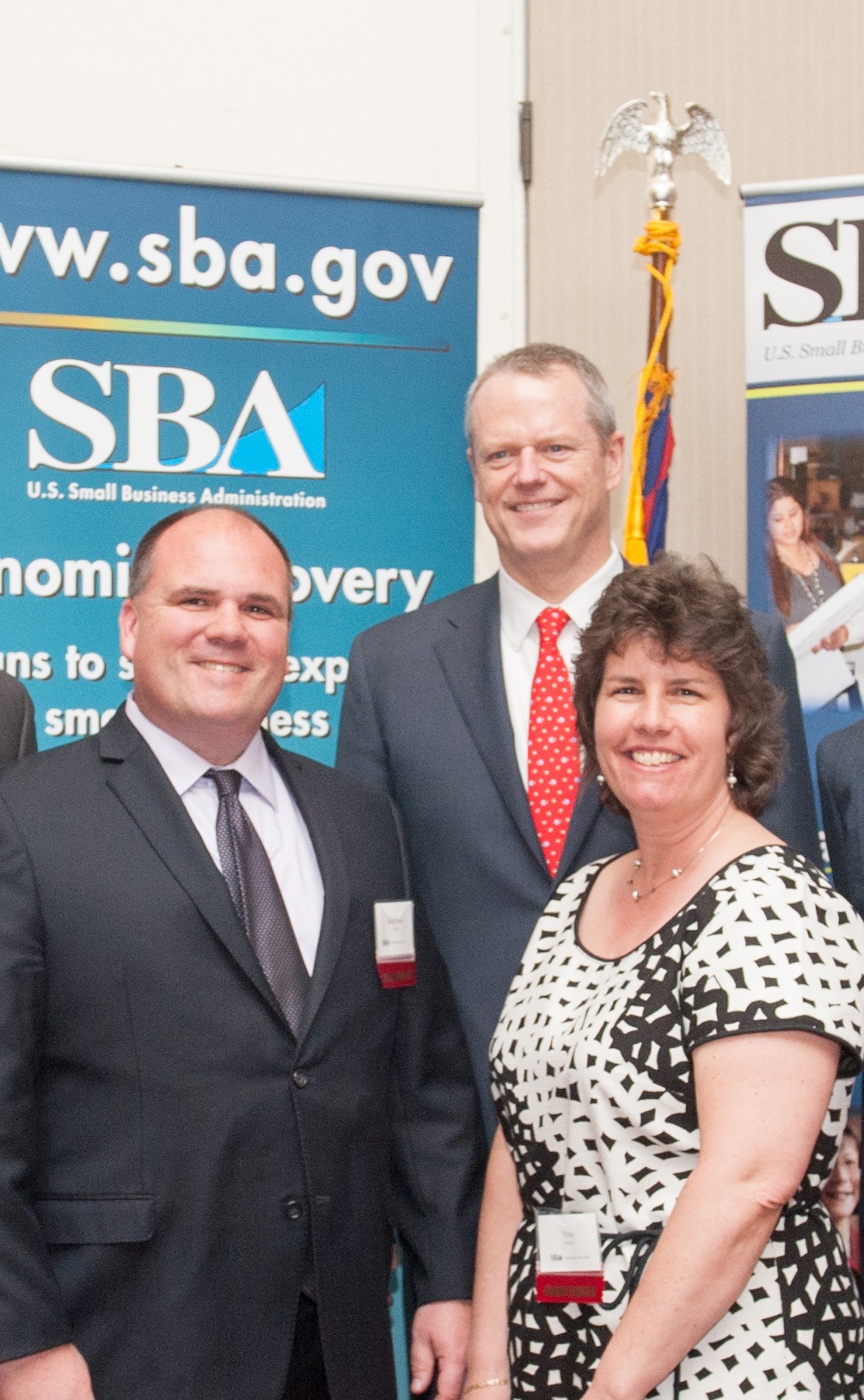

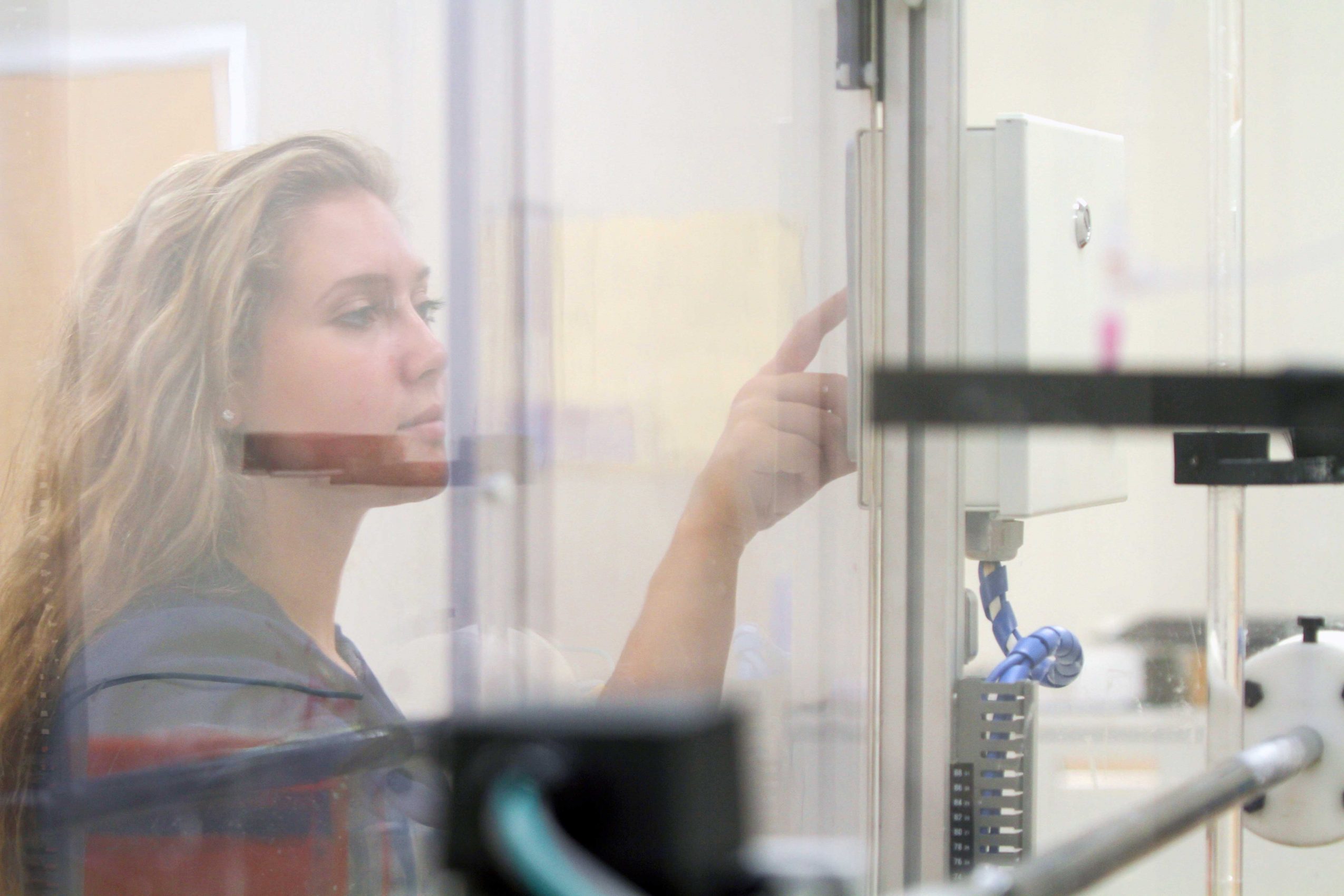
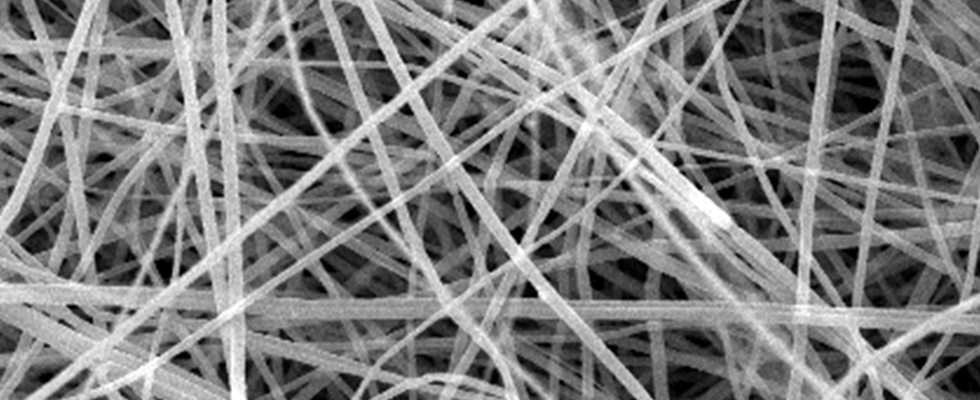
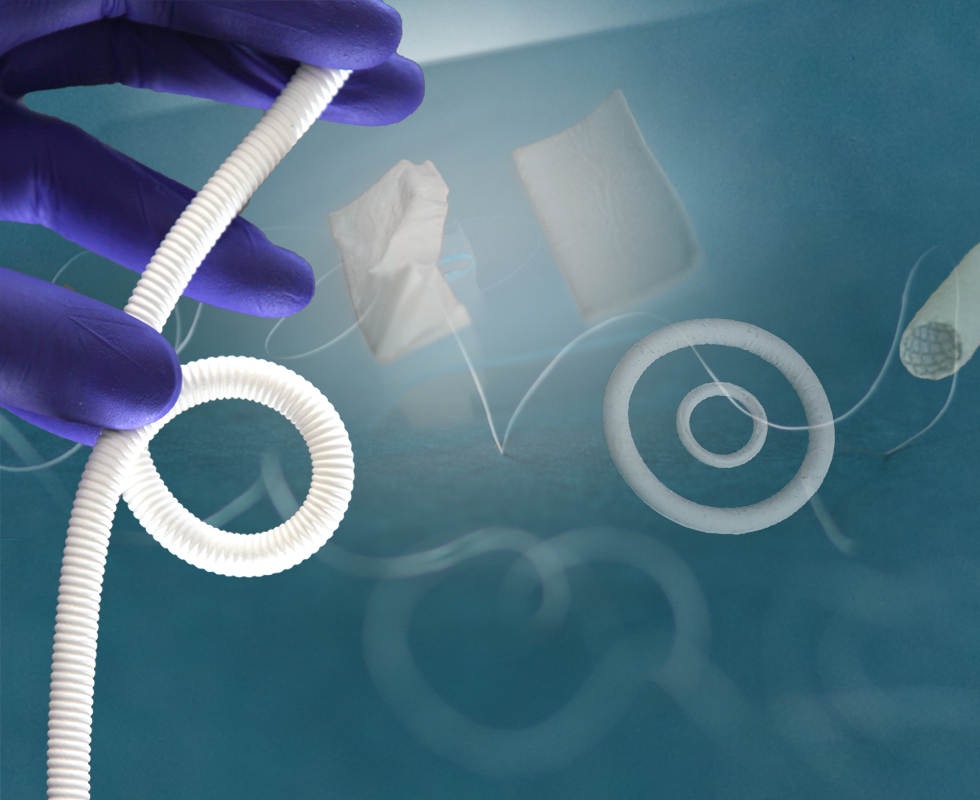
 Image Credit:
Artisitic Images Studio, Wed Adventures
Getting in touch: BostonVoyager is built on recommendations from the community; it’s how we uncover hidden gems, so if you know someone who deserves recognition please let us know here.