




Today we’d like to introduce you to Elin Noble.
Elin, please kick things off for us by telling us about yourself and your journey so far.
My father was in the Army and I was born in Munich, Germany. Growing up, I lived many places in the US, and between the age of nine and eleven, in Okinawa. Moving frequently, and experiencing different countries, broadened my appreciation of the richness and uniqueness of foreign cultures. Wherever we went, my mother embraced and explored her new surroundings and shared it with us.
My love of textiles started at an early age. I loved touching and playing with the lengths of cloth my mother had bought – before they were cut and sewn into clothing, pillows, or curtains. When I was around 10 years old I began sewing myself. I made stuffed animals – elephants, rhinos, lions, penguins, hippopotamus’, bunnies, and eventually bears – which I sold or gave to friends. I did embroidery on many of them.
At different periods of time during my childhood we lived in Seattle, WA. There I was close to my great-aunt, who was a painter and had studied with Mark Tobey. Her influence was pivotal in my awareness of art. She would talk to me about painting and sculpture, and it made me aware of how she looked at things from a different and fascinating perspective. She would take me and my brothers to museums and to cultural events.
At the beginning of my third year of college at the University of Washington – majoring in biology – I transferred to the art department, where I studied with Jacob Lawrence and George Tsutakawa. They were both very important in teaching me how to see the world through color, shape, line, value, and texture. When I work I can sometimes still hear their voices and suggestions.
I moved to New Bedford in the early 1980’s. In the mid 1980’s I met Barbara Goldberg, a professor of textiles in the Artisanry Program at University of Massachusetts Dartmouth. While I did not study with her formally, she became a close friend and was my first mentor in the exploration of shibori, a type of dye process rooted in Japan. Eventually I studied indigo and shibori dyeing with Hiroyuki Shindo. Shibori is still a major part of my artistic practice.
Can you give our readers some background on your art?
I primarily work with cloth and dyes. I usually work in series, and within a particular set of parameters within each, and I often work on many series simultaneously. One series is “Fugitive Pieces,” a series of mostly large whole-cloth quilts. A whole-cloth quilt is made from one piece of cloth and is not pieced together. My approach is not unlike working on a painting, I repeatedly dye and remove color until I am satisfied with the result. Then I quilt it on a long-arm machine, which is a sewing machine on wheels. The quilt is stretched taught between rollers and I can easily move the machine to where I want to stitch. This allows me to “draw” with thread on the dyed cloth. The stitching adds an additional dimension to the imagery.
“Vox Stellarum,” is a series of black and white dyed silk panels that hang floor to ceiling, creating an installation. In each new venue it is installed so that the space is activated. In subtle ways I guide the viewer through gentle shifts of color and form. My goal is to create a meditative space.
“A Grain of Sand,” is a series of black and white marbled, circular, patterns that establishes imagery suggesting a microcosmic and macrocosmic view of our world. Another series is called “Leipziger Suite.” It is a series of cloth collages made out of black and white pieces of marbled cloth. The series was done while living in Leipzig, Germany for three months in 2012-13. I created one work during each week of the stay.
The inspiration for each of these series is different. They are always inspired by the process itself, but also by my surroundings, especially by the poetry or books that I am reading. Some of my most recent work focuses on the use of natural dyes. For some years I have been moving towards sustainably sourced plant dyes, mostly from an awareness of the impact synthetic dyes have on the environment.
Do you think conditions are generally improving for artists? What more can cities and communities do to improve conditions for artists?
Artists have always had to be resourceful in terms of where their income comes from and almost all struggle to carve out time to do their work. As an artist you also need to devote valuable time to the promotion of your work.
There are many more artists today than there were say, 25 years ago. There are, however, many more exhibition opportunities today than ever before, but making a living on your art is generally extremely difficult especially in the current economic climate. I feel lucky that my work bridges the fine art world and the craft world, providing me with more opportunities to exhibit.
What’s the best way for someone to check out your work and provide support?
I have exhibited in galleries and museums throughout the United States, as well as internationally. In 2013 I had a retrospective exhibition at the New Bedford Art Museum, and in 2015 I had a one-person exhibition of “Fugitive Pieces” at Visions Art Museum in San Diego, CA.
The “Vox Stellarum” series has been installed twelve times in various locations in the US and Canada, and will be shown in January-February 2019 in Wyoming at the West Wyoming College Art Gallery. I regularly exhibit at the Dedee Shattuck Gallery in Westport, MA and also at Museo in Langley, WA. My work can also be seen in my studio during the Hatch Street Open Studio event the weekend before Thanksgiving. I also post upcoming exhibitions on my website.
Contact Info:
- Website: www.ElinNoble.com
- Phone: 508-287-6258
- Email: elin@elinnoble.com
- Instagram: elinnoble
- Facebook: https://www.facebook.com/Elin-Noble-Textiles-165256376837732/
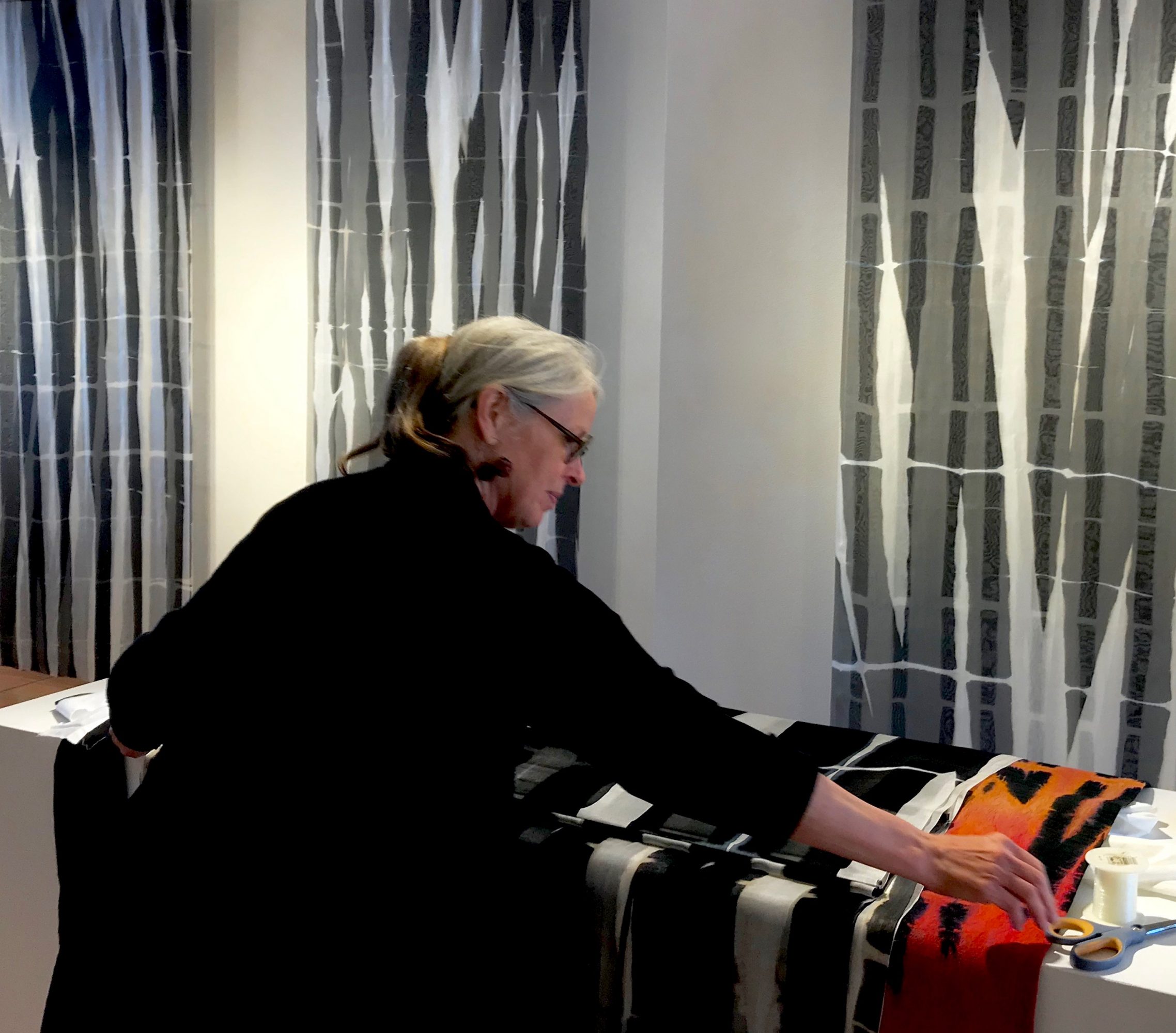
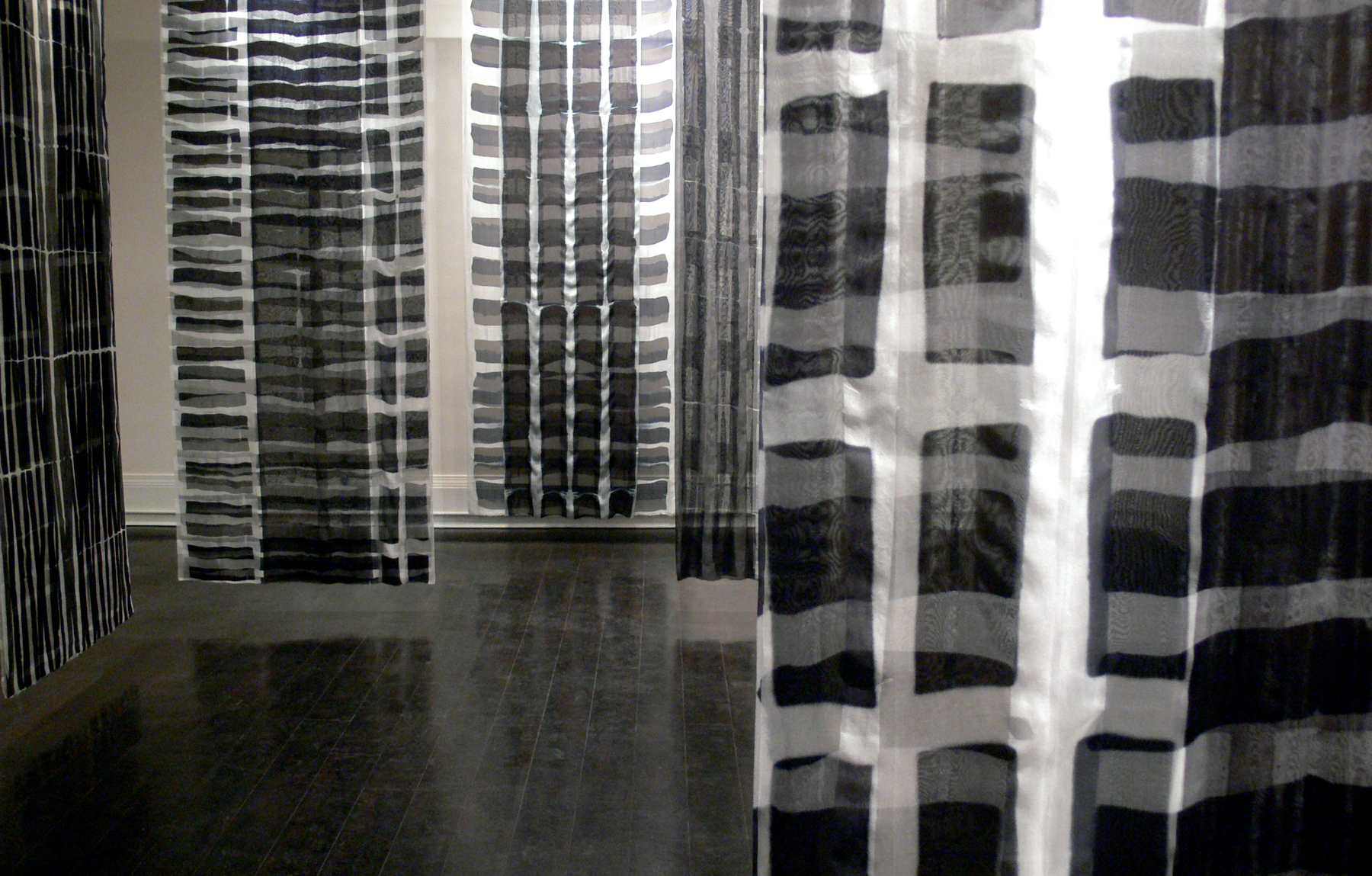
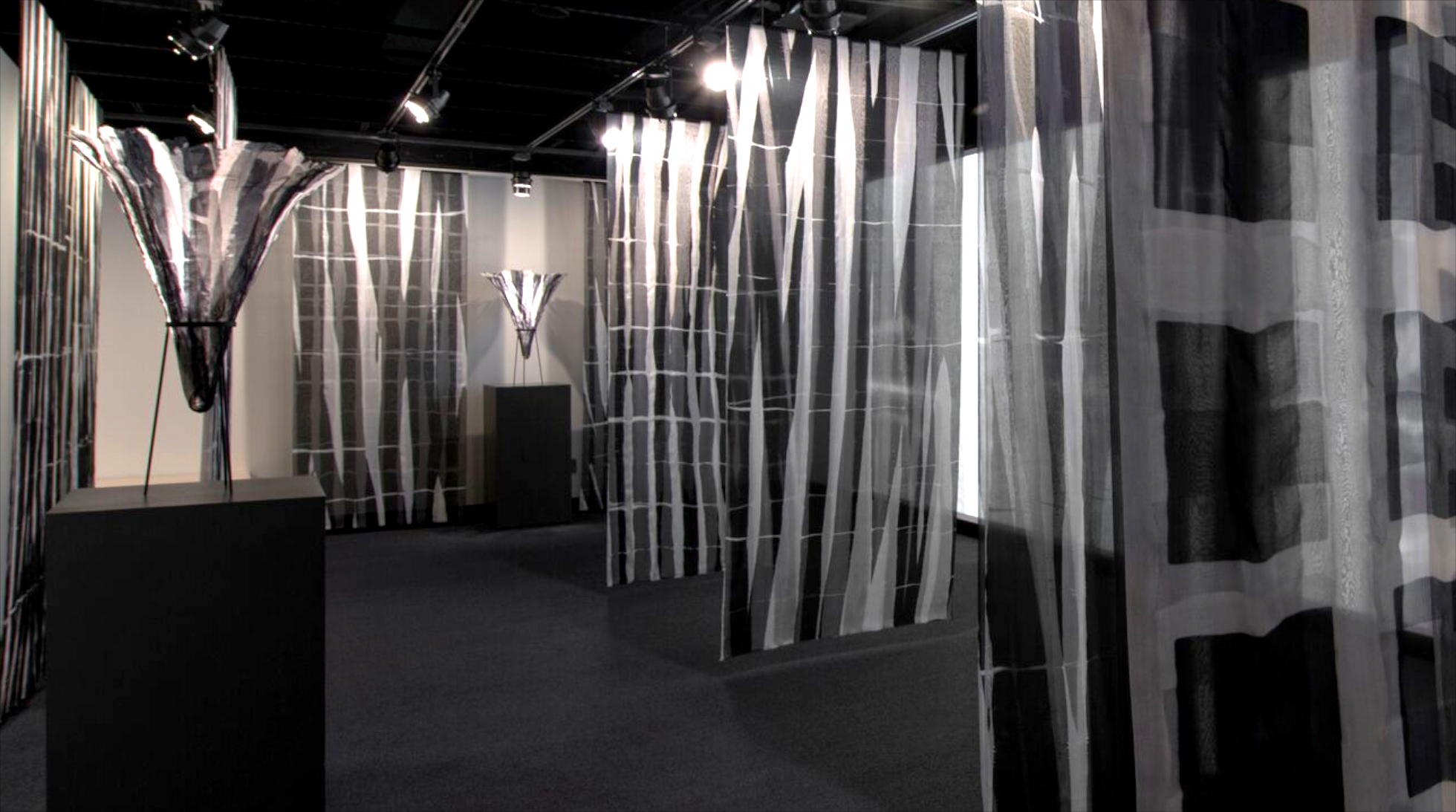
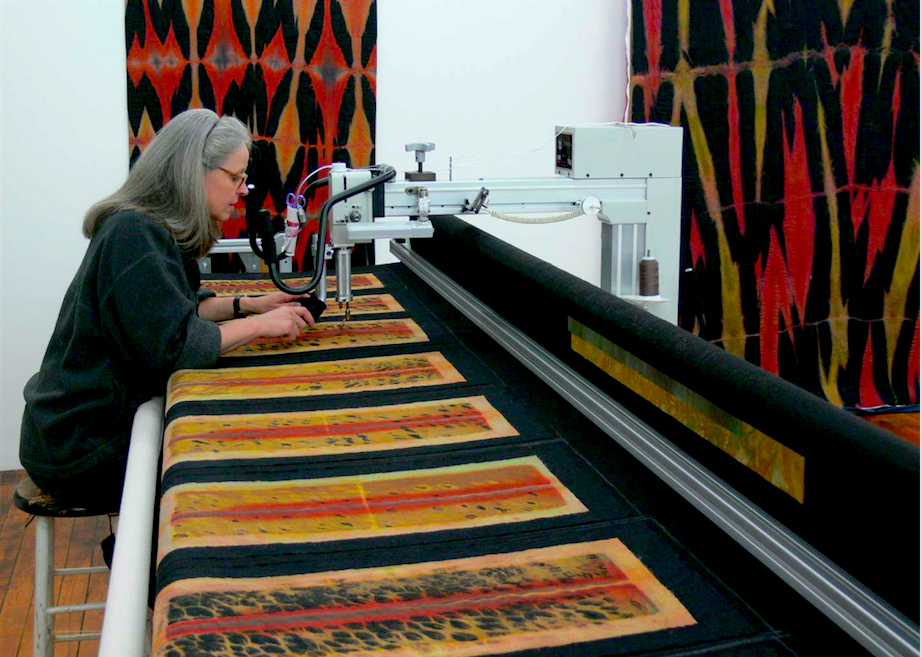
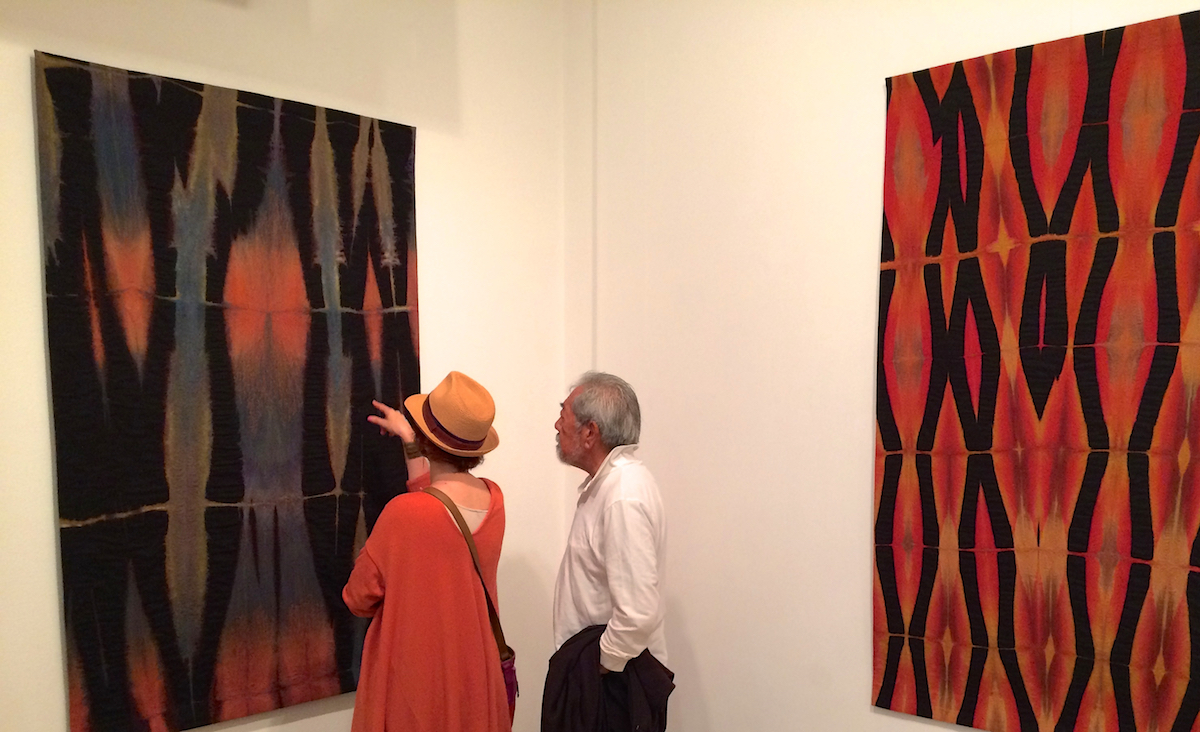
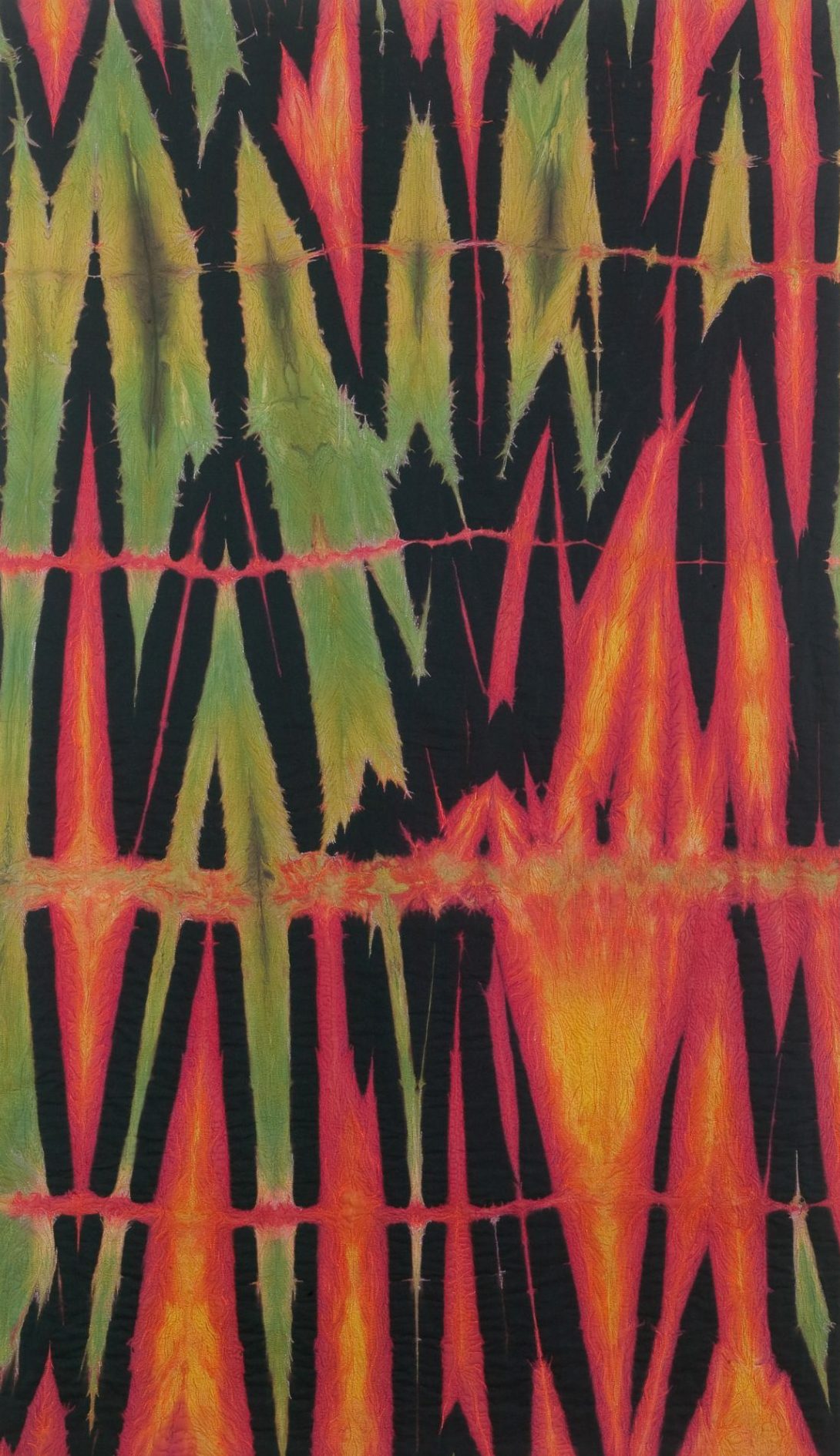
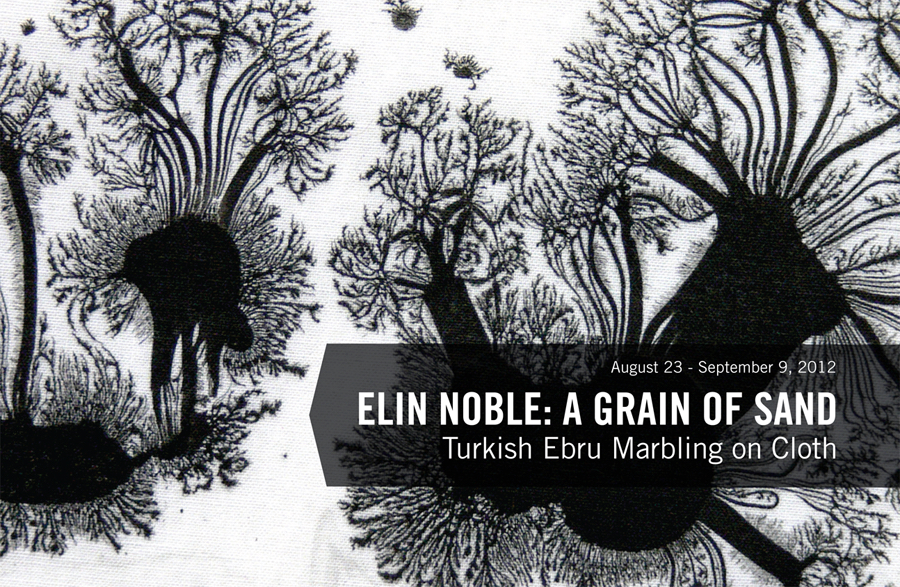
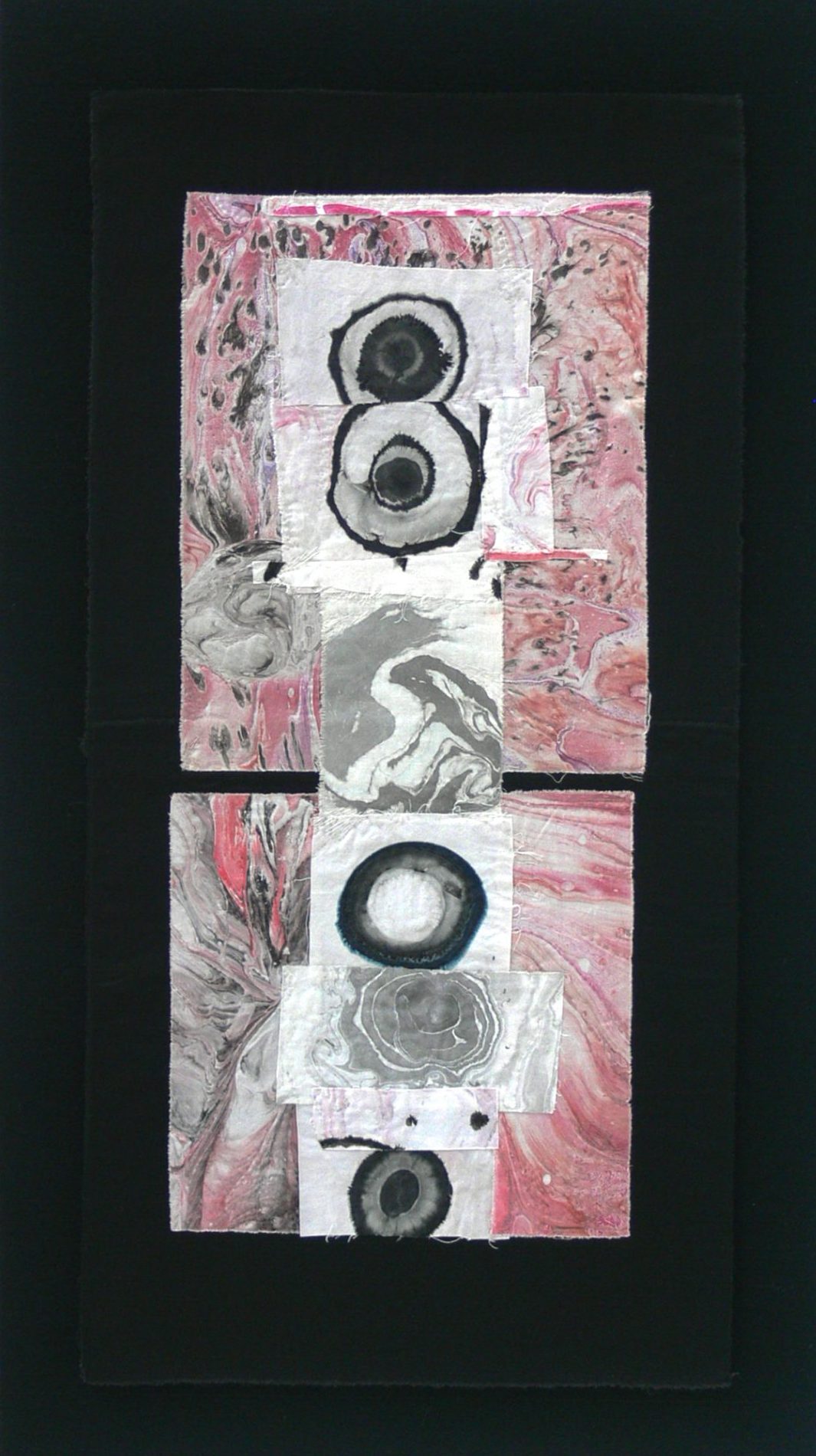
Image Credit:
Elin Noble
Getting in touch: BostonVoyager is built on recommendations from the community; it’s how we uncover hidden gems, so if you know someone who deserves recognition please let us know here.