






Today we’d like to introduce you to Preston Trombly.
Preston, we’d love to hear your story and how you got to where you are today both personally and as an artist.
My artistic life began in the fourth grade. One day a tall lanky man with a pencil mustache came in to our class and asked if anyone wanted to play either the clarinet or the violin. To this day I don’t know why, but my hand shot up and I said “clarinet”. Mr. Johns gave another classmate, Barry Krause, and me clarinet lessons all that year. Barry dropped out but I kept going, studying and performing all through high school, college, grad. school and well in to my adult years working as a professional musician. In college I also began composing music and focused on that for a number of years.
After completing my Master of Musical Arts degree at Yale School of Music I moved to New York City and worked as a composer of concert music. My works were performed frequently and some were recorded. I was fortunate enough to receive a Fellowship in Composition and Conducting at the Tanglewood-Berkshire Music Center, a Guggenheim Fellowship, several resident fellowships at the MacDowell Colony, along with commission grants from The NEA and the NY State Council on the Arts among others.
In my thirties there was another “I don’t know why I said it” moment, parallel to the one in the fourth grade. I was having lunch one day with a friend of mine, NYC and Provincetown artist Arthur Cohen, after which we went to his studio to see some recent paintings. I myself had never thought about painting or drawing or working in the visual arts. I don’t know where this came from and without any forethought and seemingly out of the blue I said, “Arthur, I always wanted to learn how to draw”. Without blinking an eye, he said, “Sure. I’ll show you.” He then demonstrated by doing a 60 second ‘gesture drawing’ of my head. I timed him as he constantly moved his pencil and never lifted it from the paper, while looking intently at me and never looking down at what he was drawing.
After 60 seconds, I looked at what he had done, and said it doesn’t look anything at all like me. He said, “That’s OK. I’ll just do another one”, which he did with the same result. Then he said, “You try it”, which I did. After 60 seconds he looked at my first drawing and said “Terrific, but what are those two lines?” “Oh, I tried to draw your eyes”. He said, “draw my whole head at once. Don’t focus any one particular feature.” “That’s nuts!” I said. I thanked him and headed home. Little did I know that was my first art lesson, but it got me drawing.
A week later I called him up and said I’d done some more drawings.
“How many?”
“Oh about a ream’s worth.”
“Don’t go anywhere. I’ll be right over!”
After looking at each of my drawings he asked, “Why didn’t you draw on the back?”
“Well, what if one came out really good?” His response was my second lesson:
“That’s OK. Draw on the back because you can always do another one.”
A few days later I went to the Art Students League on W. 57th Street in NYC and signed up for a life drawing class with Marshall Glasier. I studied at the League off and on for a number of years after that, and it took me another twenty years to devote myself to working in the visual arts.
I didn’t realize it at the time and it wasn’t until some years later that I began to see similarities in the two endeavors. As a visual artist I work with colors, materials and shapes in space. As a composer I was working with musical notes, sounds, shapes and instrumental colors and combinations over time. The materials are quite different but the processes of creating are quite similar.
Even though I no longer work as a musician, I keep my connection to the musical world as the long time host of SiriusXM Satellite Radio’s “Symphony Hall” channel, weekdays from 12-6pm ET
We’d love to hear more about your art. What do you do you do and why and what do you hope others will take away from your work?
I find writing and/or talking about my own work difficult, mainly because making music and visual art pieces are expressions of pre-verbal content. Gustav Mahler said that “If I could say what I had to say any other way I would, because composing music is so damned hard.”
With that in mind, I’ll begin. Along with life drawings and some ‘realist’ paintings, I began making abstract collages and assemblages. A large number of those were made using parts from an old piano which I called “Sonatas”, “Nocturnes” and “Sonatinas”. They were my ‘bridge’ between music and art.
Since then, I have been focusing on abstract drawing and painting. My current work is about turning initially vague, fleeting and amorphous ideas into solid, concrete and comprehensible works of art. The act of painting or drawing turns a physical gesture in to an actual object (ie. paint on canvas).
Recently I’ve been combining the mass and volume of painting (using various mark making tools) with the fluidity of drawing. Together these elements capture on canvas the fleeting temporal moments of the energy of life and the art-making experience itself.
These recent larger paintings (and smaller drawings) express power and action with bold rhythmic marks and use of texture. The physicality of these works is intensified by pulsating brush strokes, drips, rubs, calligraphic elements and bold color washes.
I gravitate toward the use of dark tonal effects that contrast with brighter more saturated colors. Found objects, pieces of metal, wood, fabric, and artist pigments are the raw materials of my collages and assemblages. Brush strokes and gestures with various art making tools on paper or canvas are the materials of my paintings.
How do I start a painting or an assemblage? Each piece begins when a particular juxtaposition of elements intrigues me enough to start working on a piece. How do I know when a particular work is ‘done’? At the point when the addition of even one other element will ‘destroy’ the work, and the subtraction of even one single element will leave it incomplete, the piece is finished.”
Some time ago a teacher of mine at The Art Students League in NY, Bruce Dorfman, said, “Don’t worry about expressing yourself. You can’t help it.” So, I don’t worry about it. I just paint, draw, or put things together and react to what I’ve done and continue working until a piece is “finished” (see above).
What do you know now that you wished you had learned earlier?
The hardest thing for me is to clear my head of the ‘stuff’ of daily life so that I can be in the moment and ‘just paint’. In so doing, I try to leave concepts of ‘should’ and ‘perfection’ behind, along with the question ‘is it good?’ or ‘is it good enough?’. Because none of that matters. What does matter is doing the work. Putting the paint down. Drawing the line. Arranging the elements in a collage or assemblage to your liking.
Knock yourself out. It’s not about saying to others “Hey, look at what I did” but rather saying to yourself, “Wow look at that. Now it needs this over there.” And only you know what the ‘this’ is. You have to like it. That’s what counts.
Do you have any events or exhibitions coming up? Where would one go to see more of your work? How can people support you and your artwork?
There is a solo exhibition in New York soon of some of my recent larger paintings and small drawings at The Prince Street Gallery 530 W. 25th St., in New York City’s Chelsea neighborhood from Tuesday, October 2 through Saturday, October 27, 2018. There is an opening reception on Thursday, October 4 from 5pm to 8pm.
Two paintings are permanently displayed in the main lobby of The Victoria building, 7 E. 14th St., NY, NY. On the West Coast, my works are at Gallery903 in Portland, Oregon. Even though I no longer work as a musician, I keep my connection to the musical world as the long time host of SiriusXM Satellite Radio’s “Symphony Hall” channel, weekdays from 12-6pm ET.”
My work can also be viewed online at www.instagram.com/preston.trombly, www.prestontrombly.com, www.gallery104.com and www.saatchiart.com/prestontrombly. In addition, works can be purchased directly by contacting me at info@prestontrombly.com
Contact Info:
- Website: www.prestontrombly.com
- Email: info@prestontrombly.com
- Instagram: www.instagram.com/preston.trombly
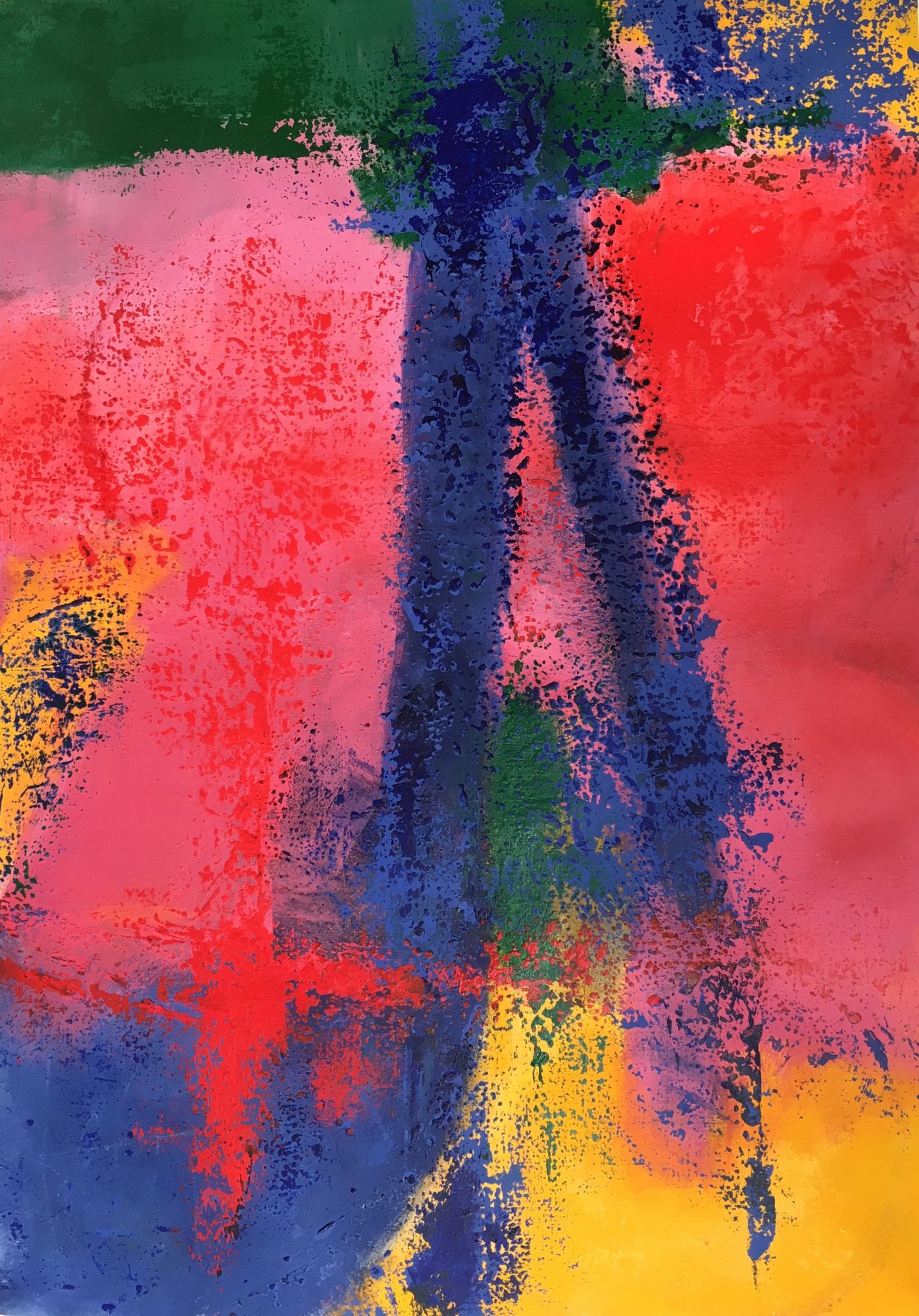
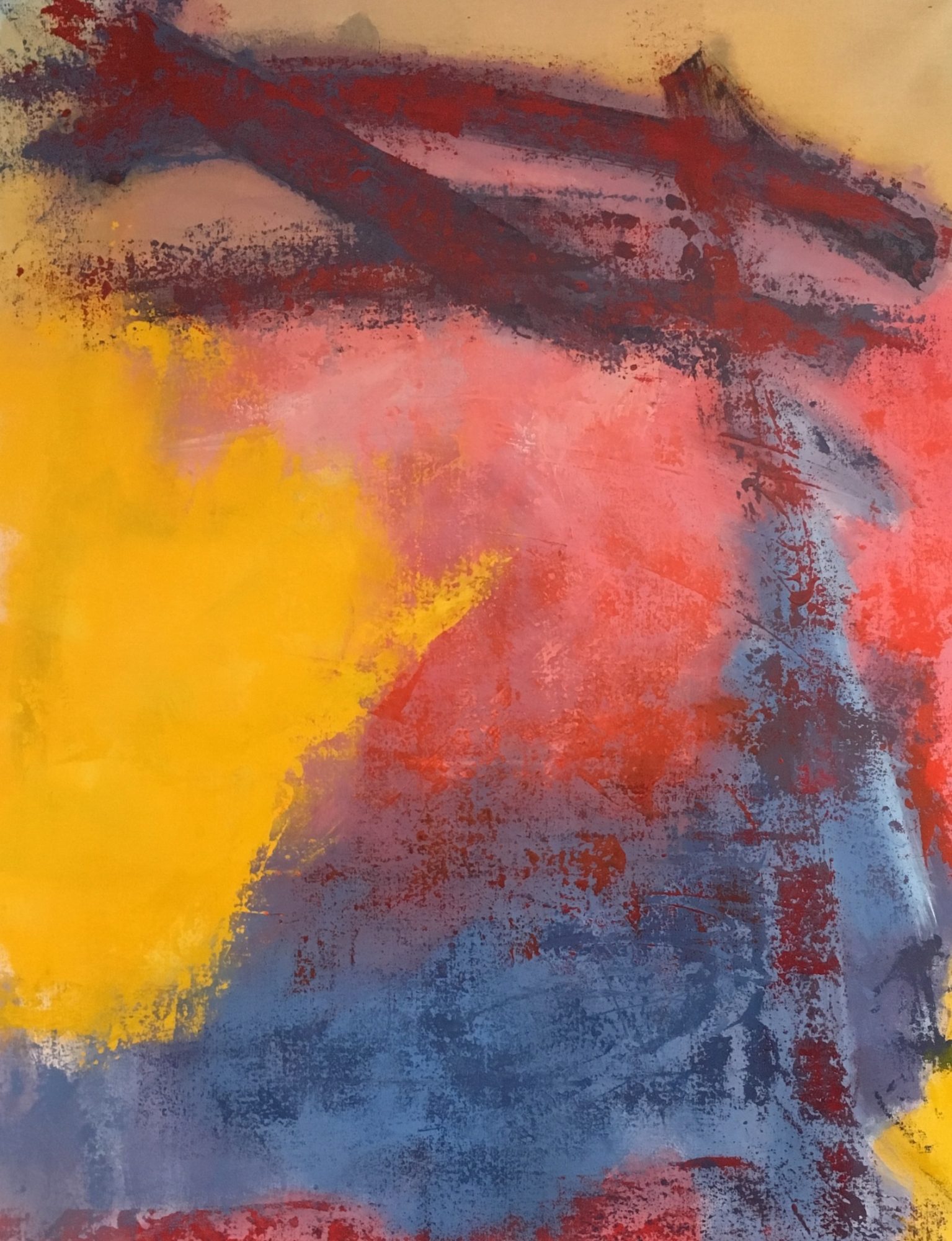
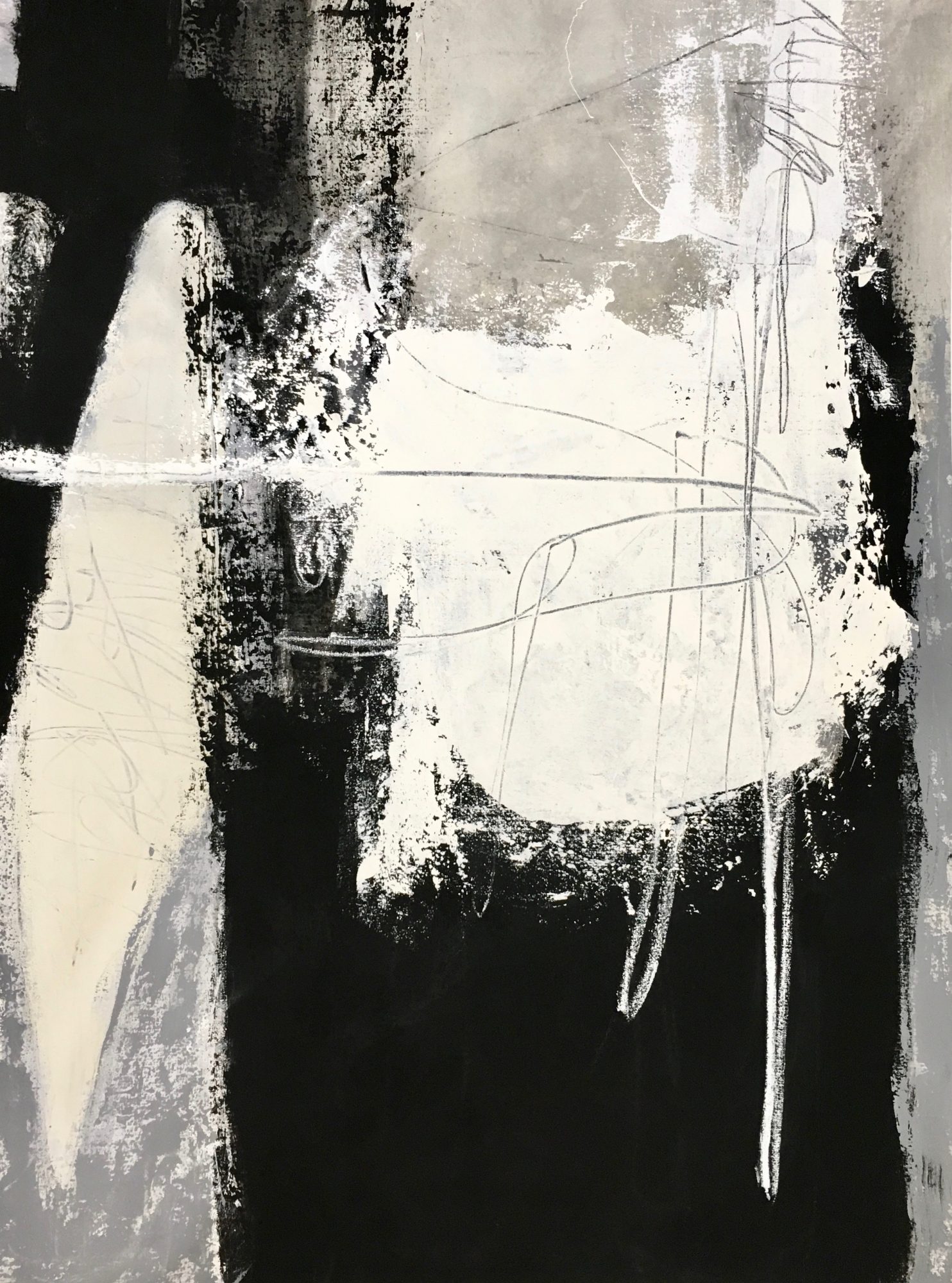
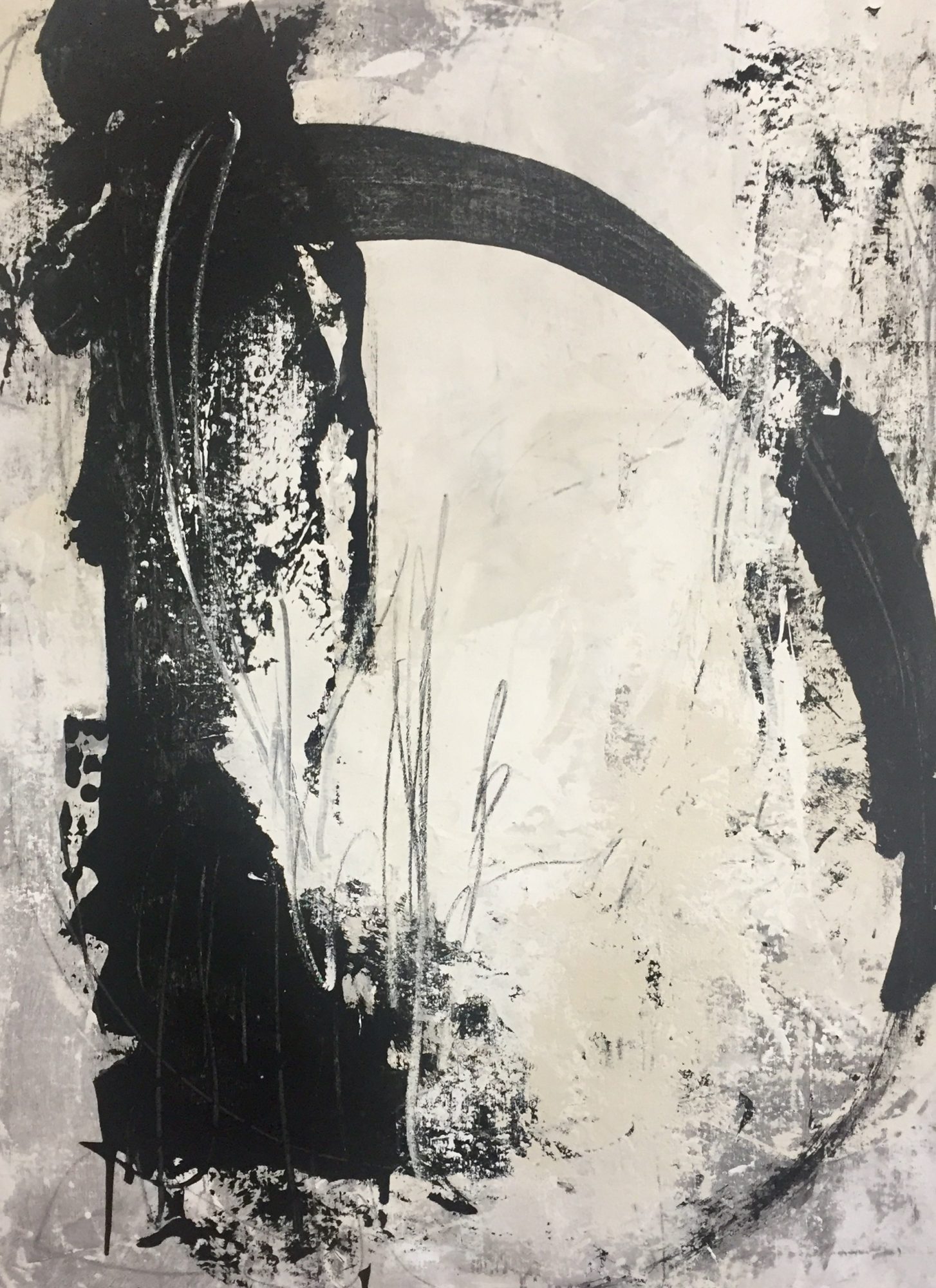
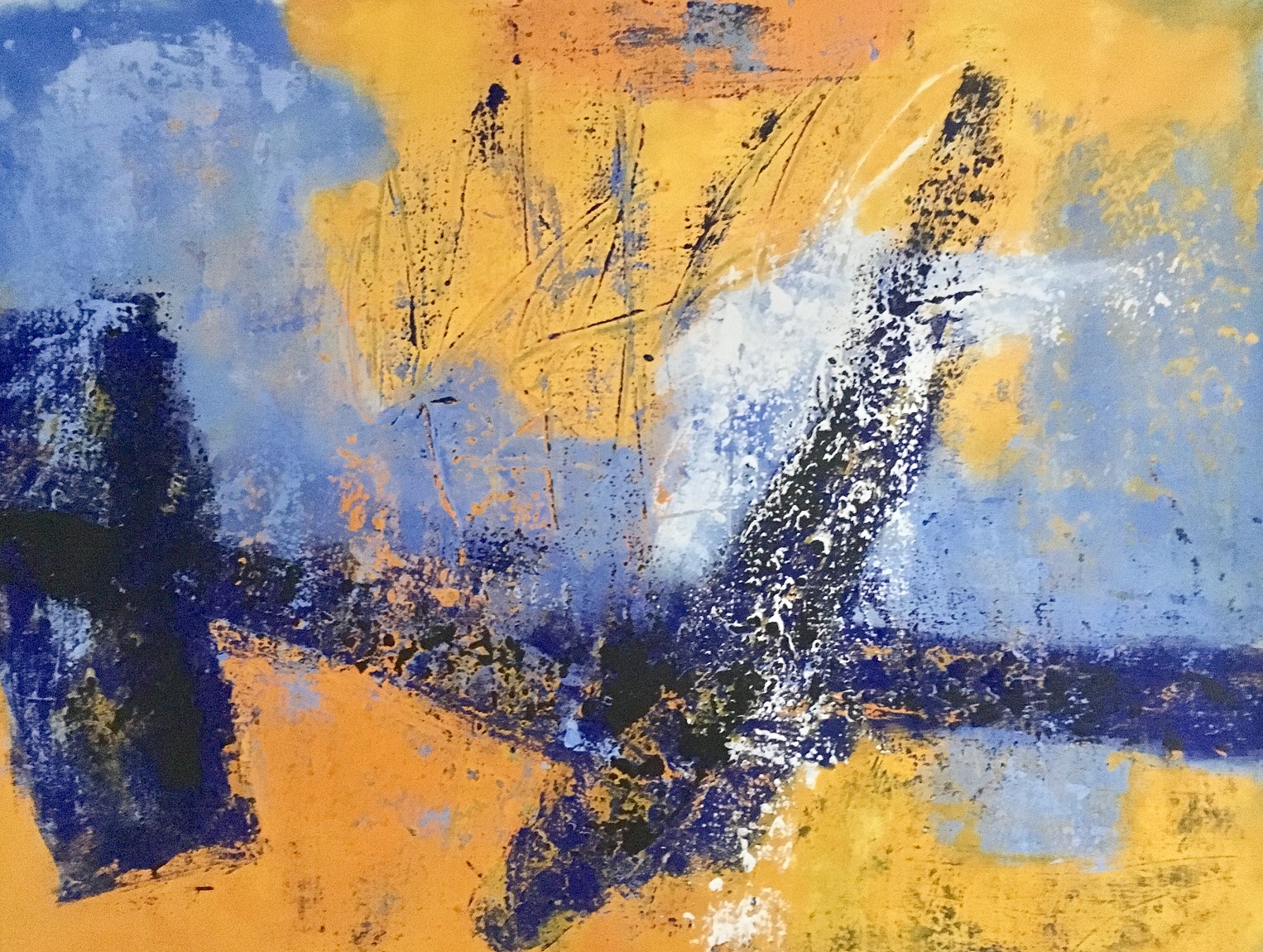
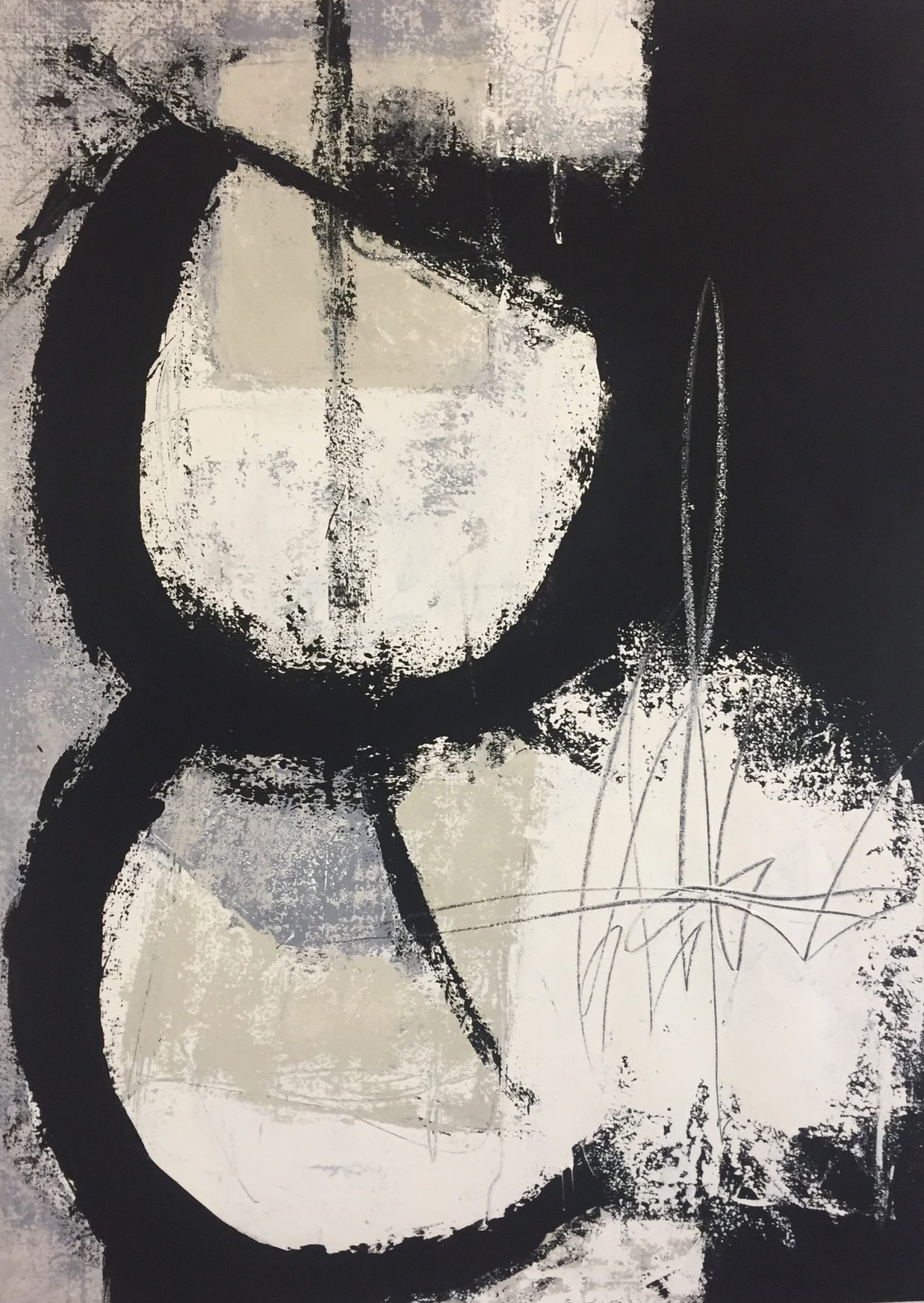
Image Credit:
Preston Trombly
Getting in touch: BostonVoyager is built on recommendations from the community; it’s how we uncover hidden gems, so if you know someone who deserves recognition please let us know here.







Margaret
September 17, 2018 at 6:36 pm
Loved this article. Very comprehensive look at an artist’s development.