

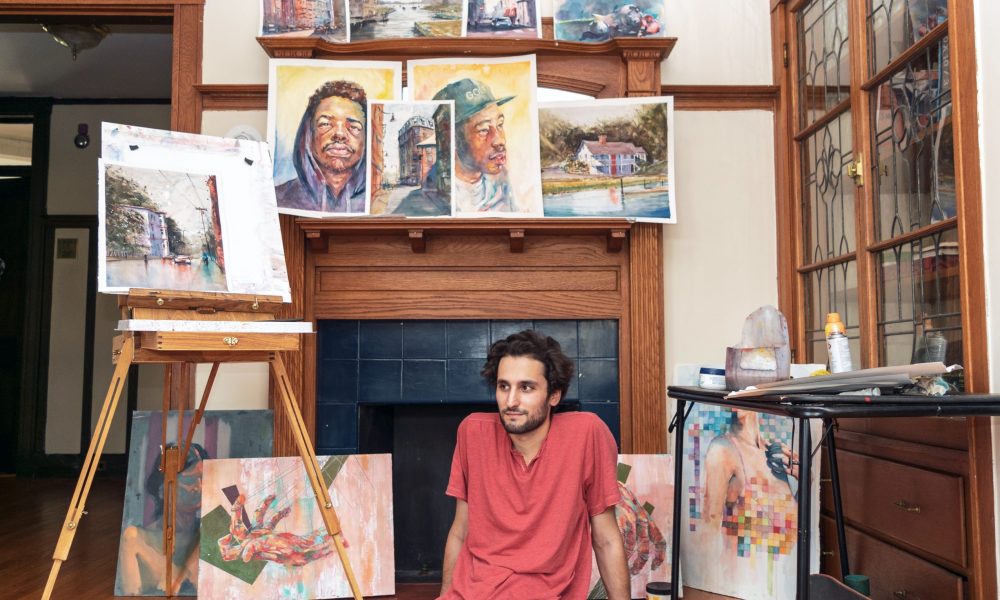
Today we’d like to introduce you to Frank Koran.
Every artist has a unique story. Can you briefly walk us through yours?
For my whole life I have always loved to draw, just like everyone else. Everyone loves drawing when they’re children. I’d become obsessed with subjects and draw them into oblivion. When I was two I loved dinosaurs, so naturally I drew those on everything I could find. I guess that probably went on until I started watching Dragon Ball Z. That show straight up changed me. Everyone at school wanted to be able to draw the main character, Goku. I practiced hard until I could draw him perfectly. I’d sneak onto my parent’s computer and print out all the main characters and spend that children free time copying pictures. I think a drawing of Goku actually won me an art award in the fifth grade. I even gave out lessons on how to draw Goku for fifty cents per session, you know, to buy Magic cards and stuff like that. I was “that kid that could draw”, until high school. I could still draw, but my interest in it started to decline. All the “real world”, “college”, and “your future” talks really beat it out of me.
Finally, I graduated, and it was time for college. I figured I would try architecture because it is technically art… but it makes you money. Boom, I could do what I love and still get paid. Except that it wasn’t true at all. After a year of architecture school at Keene State in New Hampshire, I realized I hated everything about it. All these straight lines! I stayed for two years before pulling the plug, building a portfolio, and transferring to Massachusetts College of Art and Design.
Mass Art was good to me. I’m more of a fine artist, but I studied illustration for the course rigor. I started to paint after being exposed to color, which was something I had never done at the time. I actually used to say that color was a waste of time. I was mostly an acrylic painter getting into and learning my way around oils, but decided to take a class in watercolor as an elective. I was trash. Like, seriously bad. I wish I had some of my early watercolor stuff to show but man did I suck. I simply did not understand the medium.
My professor, Irena Roman, basically took me aside one day and told me right to my face how much I sucked. Not literally, but more like, “you aren’t going to pass this class if you keep doing what you’re doing, so start doing”, which was good enough for me to throw myself at it. Later in the year she pulled me aside again and said I was “starting to turn corners”, which was great validation. The rest is honestly history. I took Irena’s watercolor class again the following year and painted 6 super large watercolors based around Aldous Huxley’s novel, “Brave New World” for my thesis. I just really wanted to be good at something I thought I was very bad at. And the mystique of watercolor continues to delight me. It’s unlike any other kind of paint. It’s hard. It’s unforgiving. It will make you cry and bash your head against the wall. But, once your breakthrough and start to see progress it all becomes worth it.
Please tell us about your art.
I am a watercolor artist focusing primarily in landscapes and portraiture. Watercolor is a very “Zen” medium, in that you must be in the now when painting. Each wash and stroke are timed and placed at just the right moment. It’s a constant push and pull in terms of analyzing and responding to what I see and feel and what marks and colors I use to represent that. I’m after the momentary experience. That’s why I love watercolor. It has an ethereal quality to it. I’m trying to get better at unlocking that quality within my own work.
These days I usually do all of my paintings in one sitting, whether it be outdoors on site or in the studio. There is something about being present from start to finish in a work of art. I’m forced to make game time decisions before I can leave. I aim to capture the fleeting nostalgic essence of my subject; the emotional quality versus the literal physical quality. I used to draw and paint every little detail but since taking up watercolor, my work has severely loosened up. My watercolors explore the dichotomy between these worlds – physical or not – and the momentary access we have as dual citizens. I am still growing as an artist, so my techniques are always evolving.
What do you think about conditions for artists today? Has life become easier or harder for artists in recent years? What can cities like ours do to encourage and help art and artists thrive?
When has it ever been easy for the artist? A tube of watercolor paint costs me around $20. That’s for a singular tube.
It certainly is easier now with the advent of digital technology and social media. I’m able to get my work out in front of thousands of people, which always includes a handful of buyers. The “artist” as we know it is dead. We’re all entrepreneurs now. There are no Medici families to come save the artist from ruin. It comes down to marketing yourself and getting out there. I know that’s very counter intuitive for the artist types, but I really don’t know where
I would be without it. It’s my least favorite part of the process, but a necessary evil.
One thing that comes to mind in terms of helping artists is to have more live-in artist studios. I have an artist certification from the city of Boston to grant me lower priced housing for artists, but I have yet to see any available. It’s not like we don’t exist. Getting the certification was easy, but it hasn’t really done anything for me. Create more affordable studio space for the fine artists that are graduating to keep them inside the city. Otherwise they’ll go elsewhere.
How or where can people see your work? How can people support your work?
I’ve got a bunch of places I post my work. I post regularly on Instagram, which includes my process and workflow. My handle is @darjarri, You can also see my work on my website: www.frankkoran.com. This may be obvious, but, people can support my work through commissioning a piece from me or buying prints from my website. Commissions usually take around two weeks to complete depending on the complexity of the project. I work pretty closely with the clients to make sure I’m capturing what they want. I stay in touch throughout the entire process.
Contact Info:
- Website: www.frankkoran.com
- Email: Contact@frankkoran.com
- Instagram: www.instagram.com/darjarri
- Facebook: https://www.facebook.com/koranfrank/
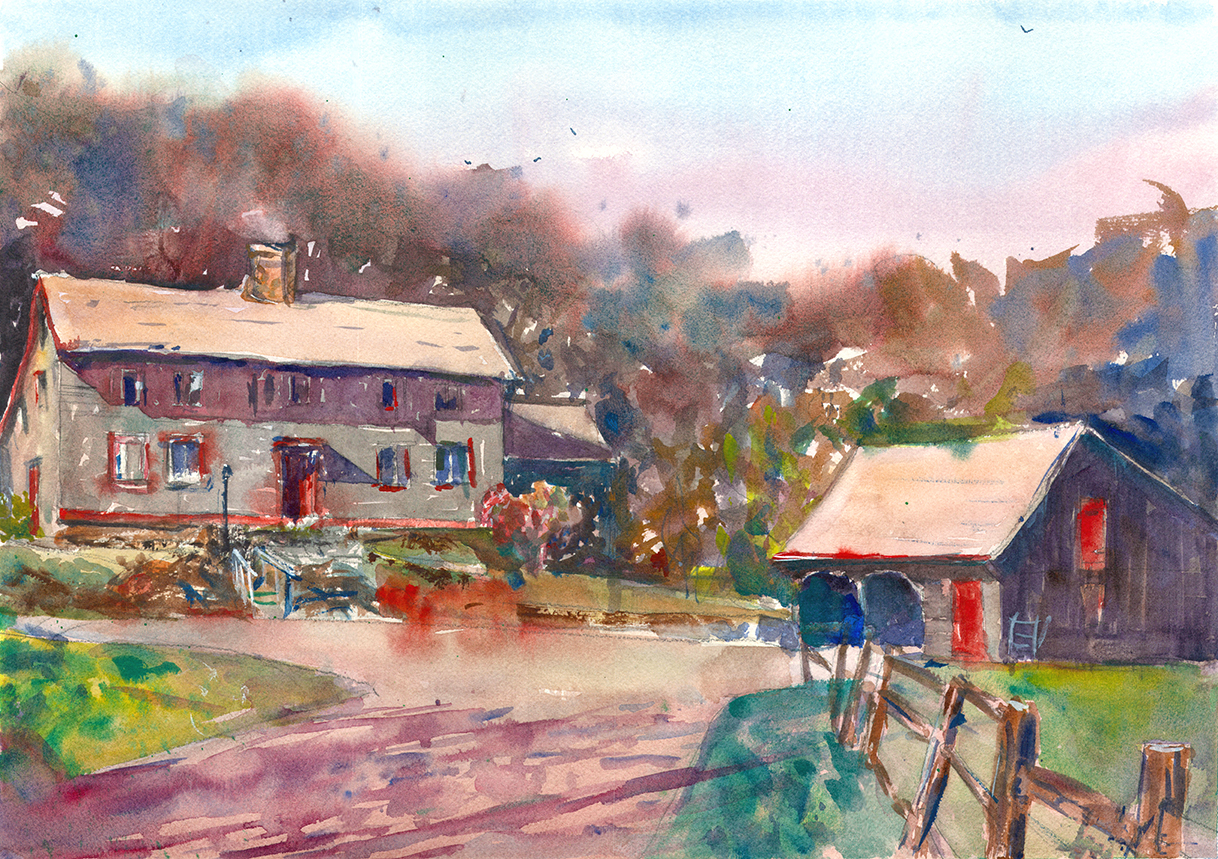
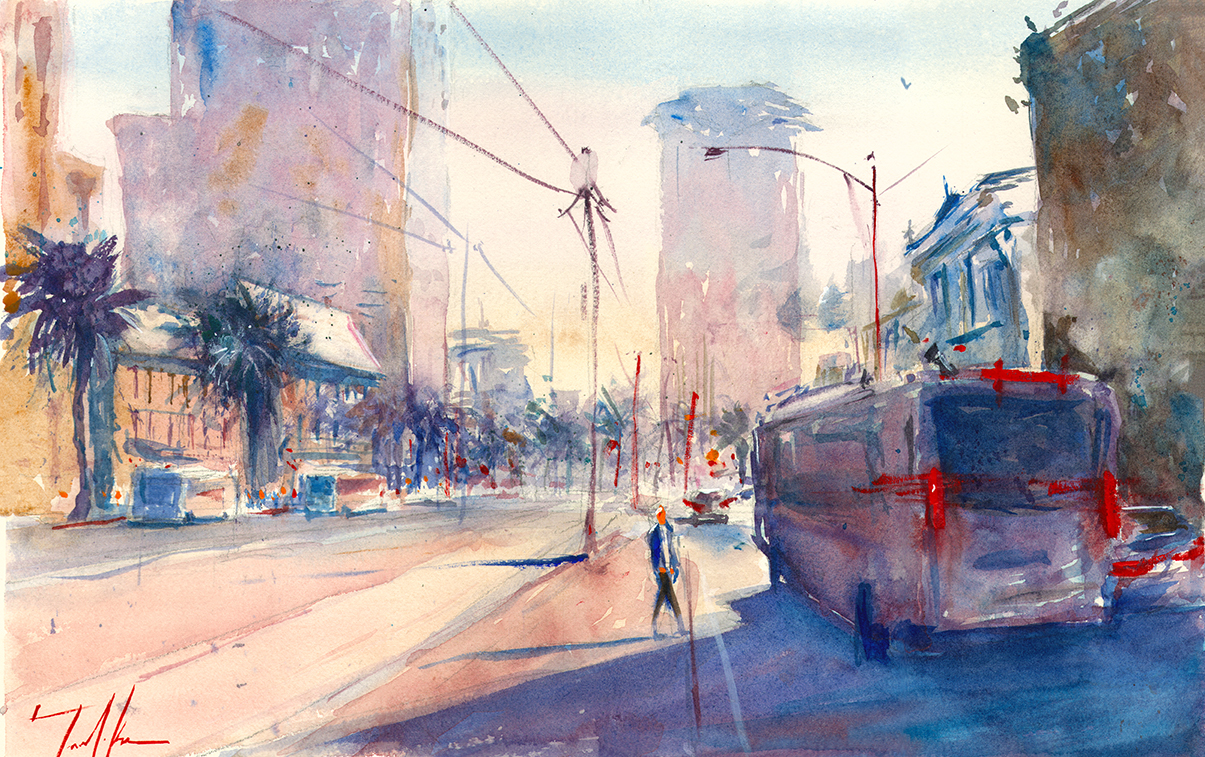
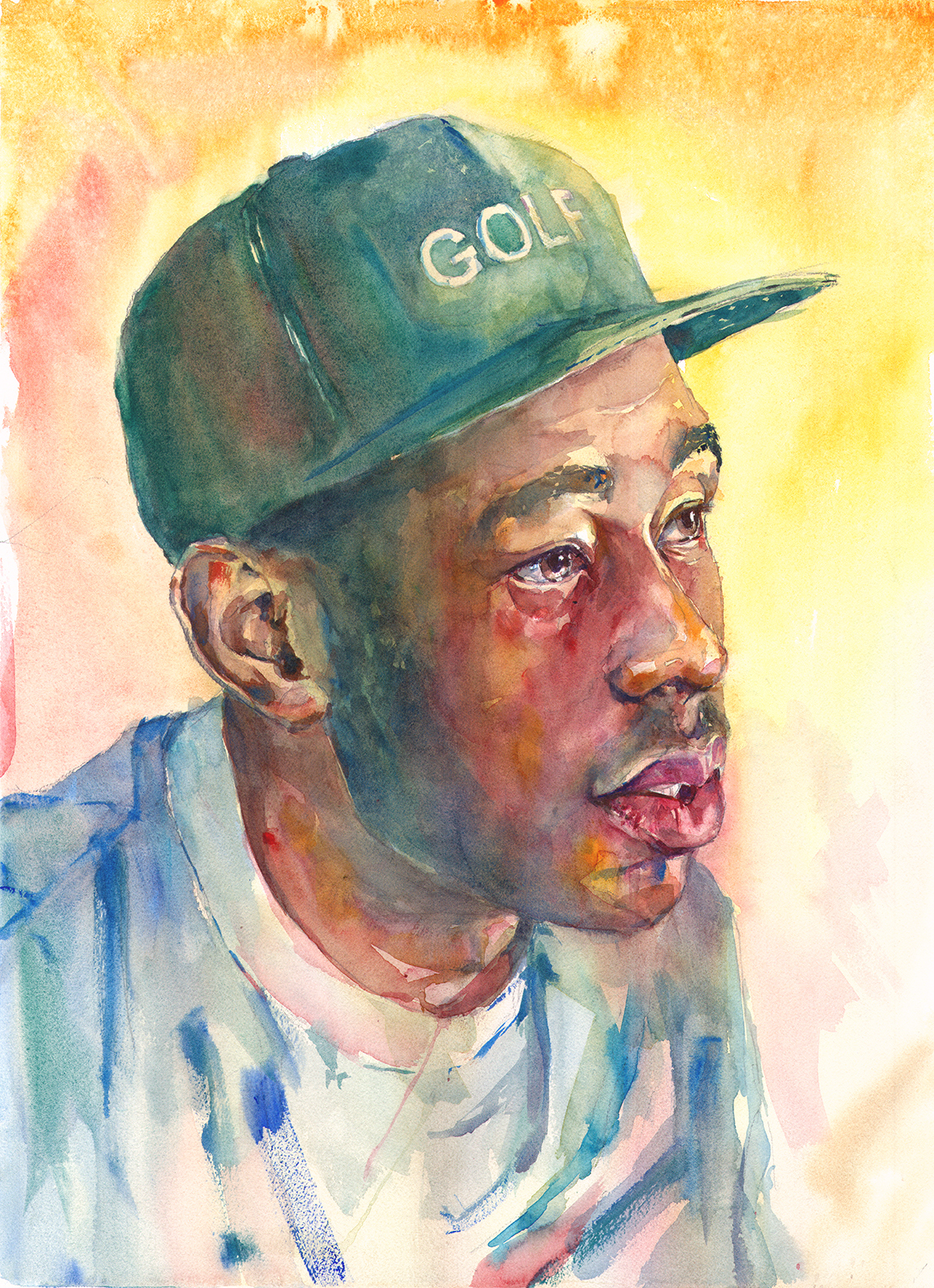
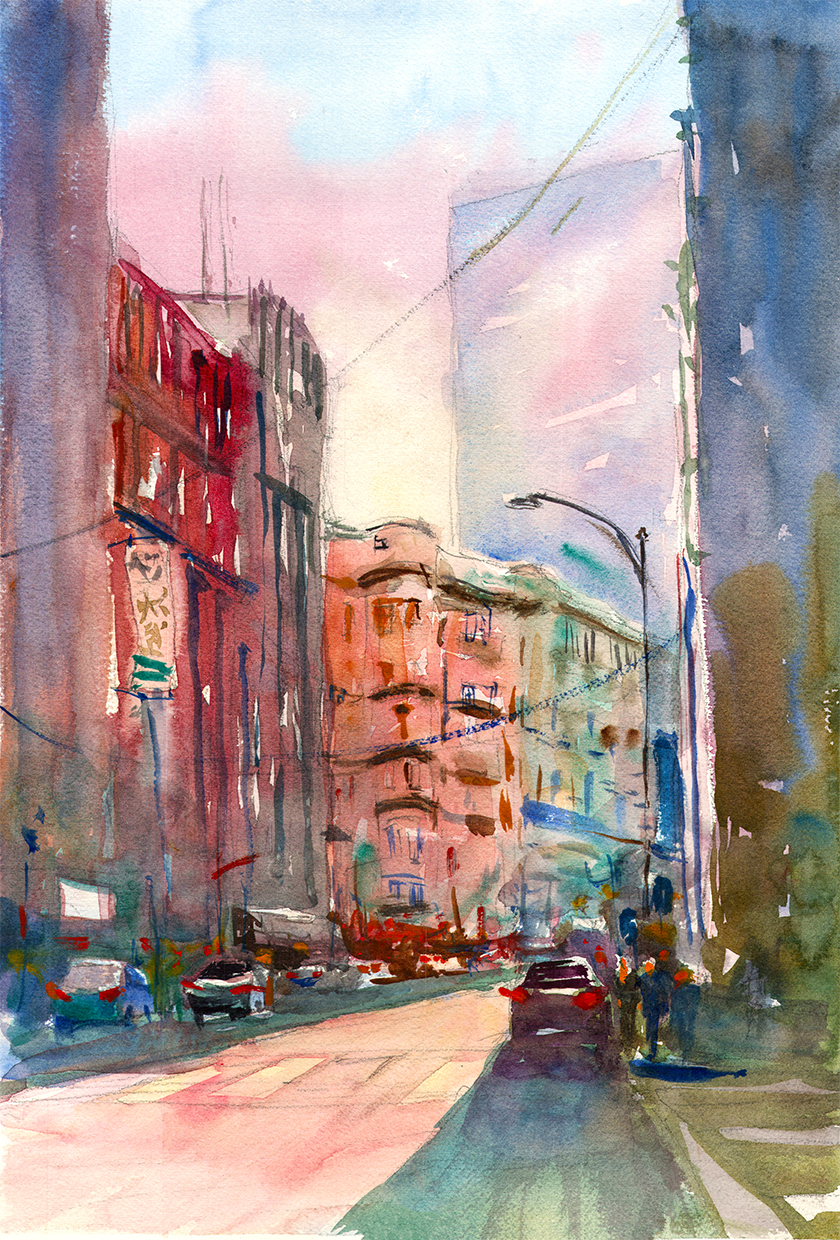
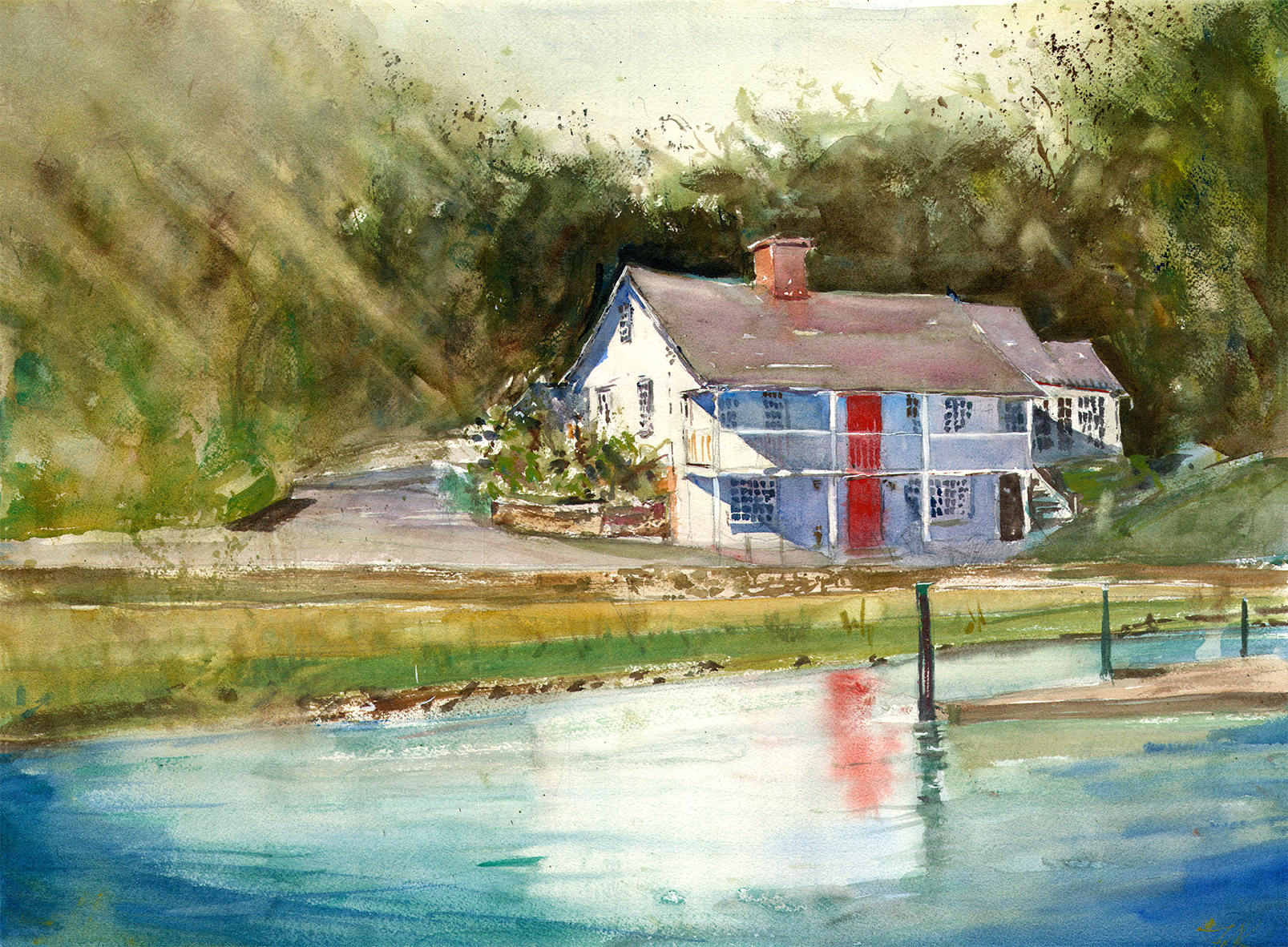
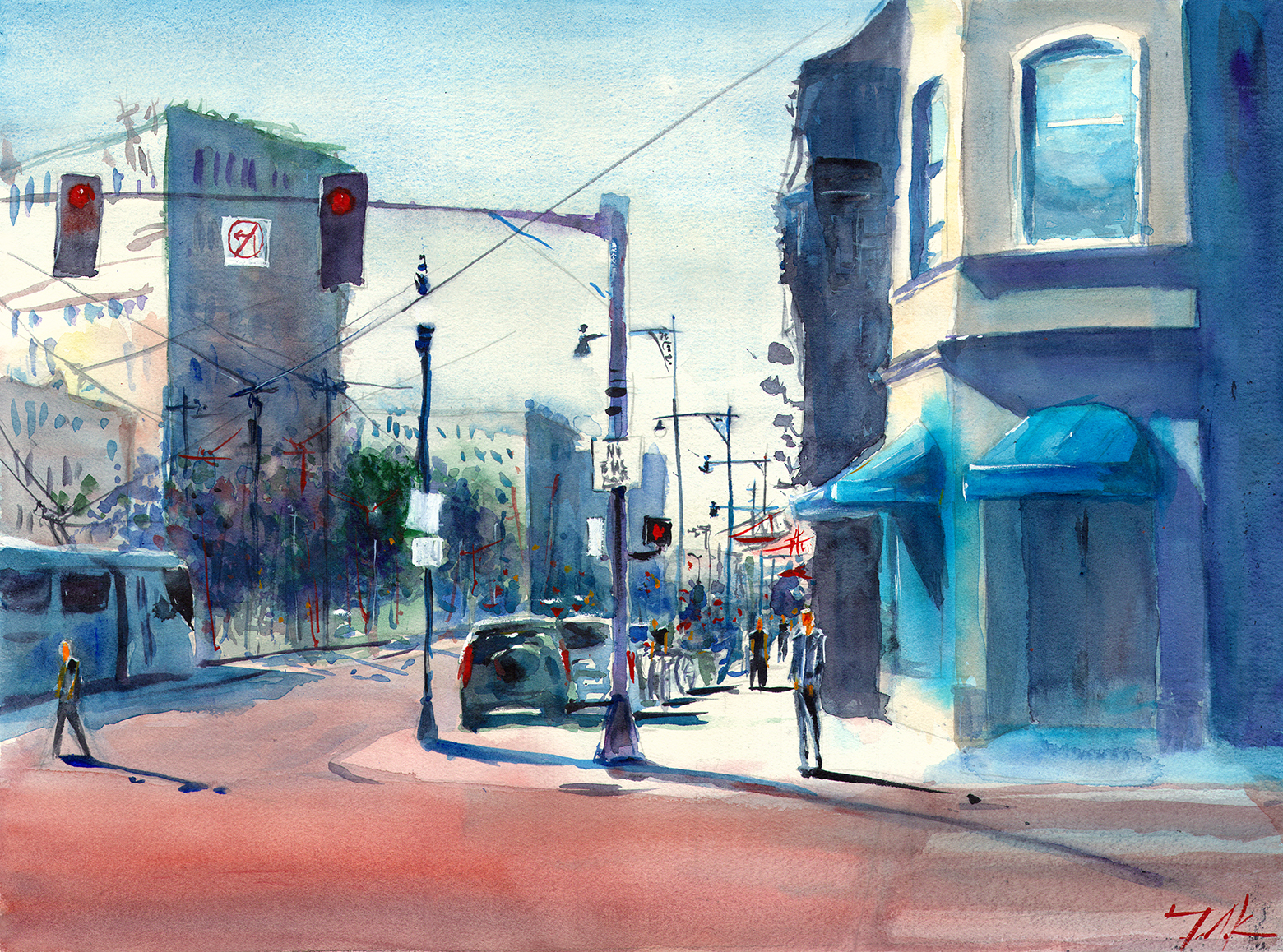
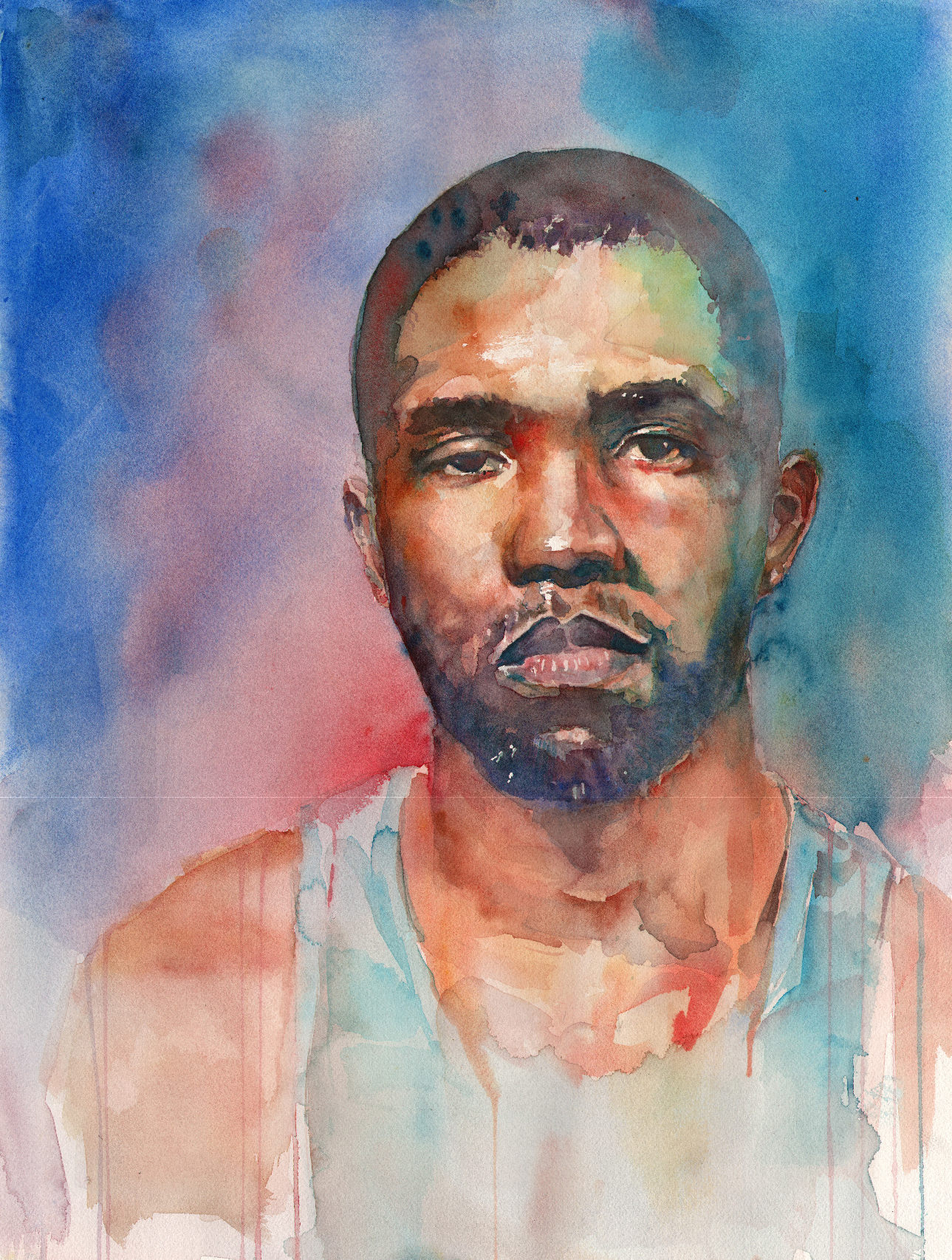
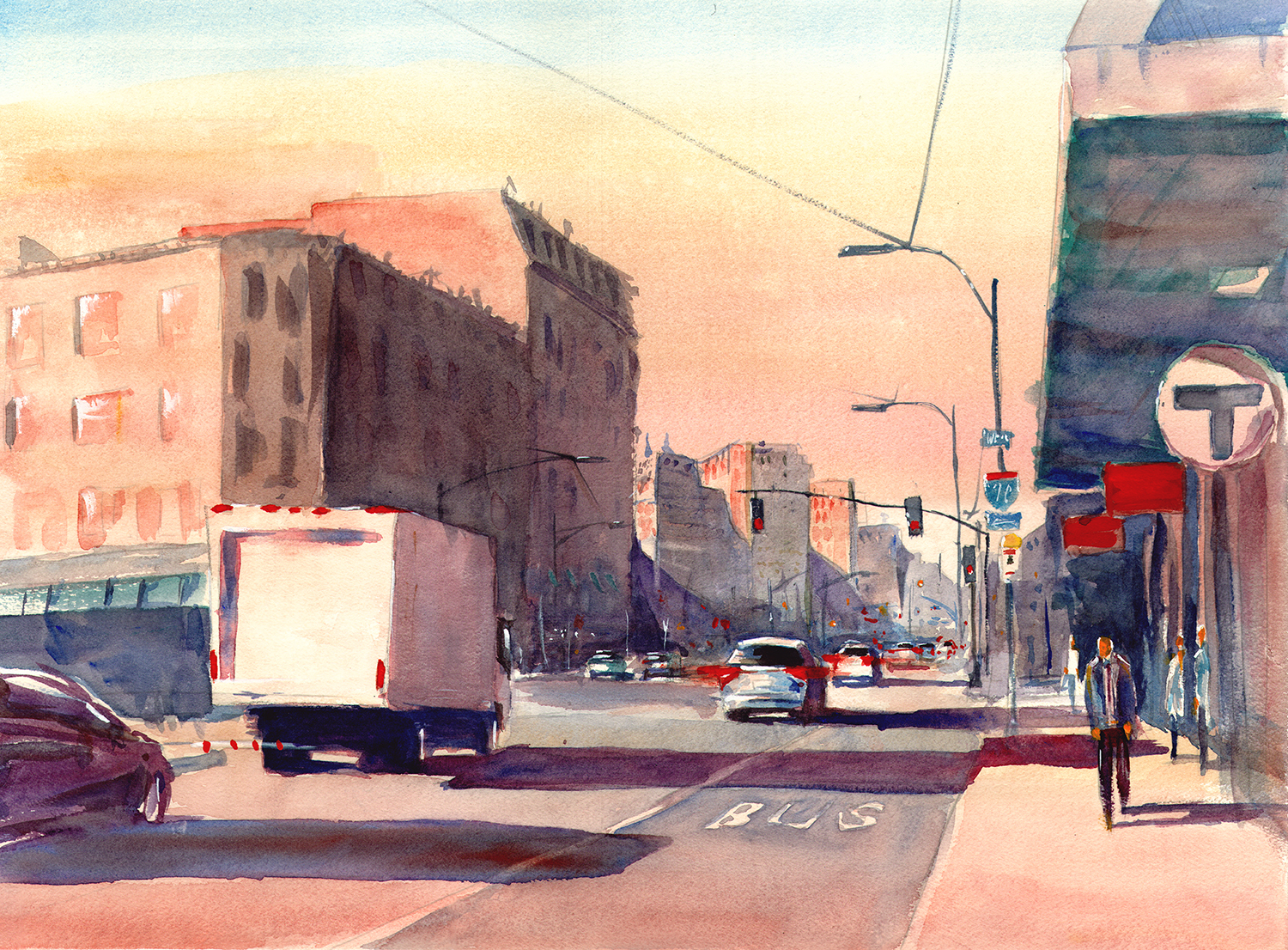 Image Credit:
Photo credit: Nick Berghane
Getting in touch: BostonVoyager is built on recommendations from the community; it’s how we uncover hidden gems, so if you know someone who deserves recognition please let us know here.