


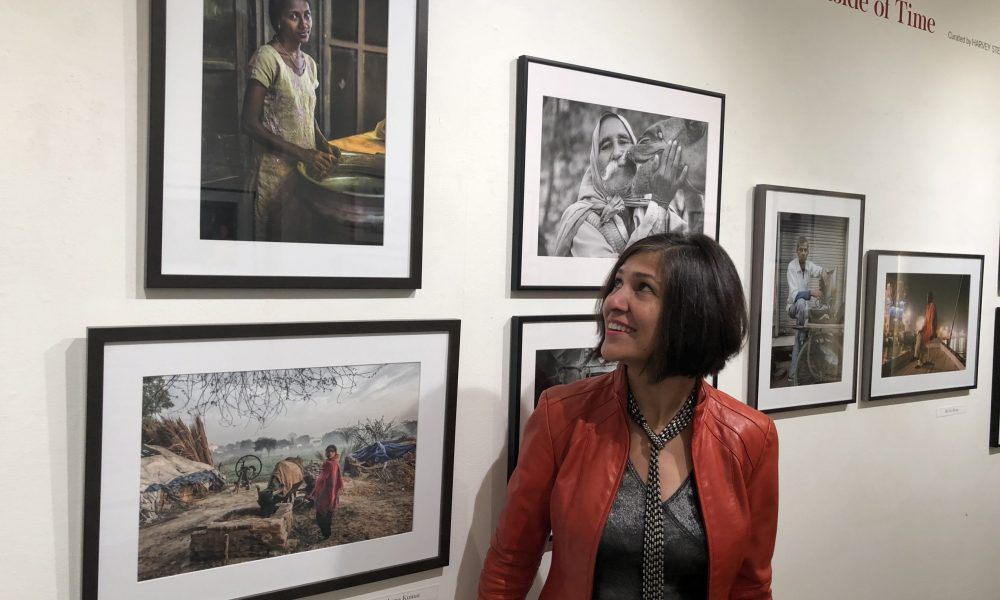
Today we’d like to introduce you to Archana Kumar.
Archana, we’d love to hear your story and how you got to where you are today both personally and as an artist.
I grew up in the populous, vibrant and chaotic city of Bombay (now Mumbai) in India. In a society where girls were expected to be obedient not ambitious, my mother instilled in me a quest to go beyond the obvious and a refusal to accept boundaries. While other children learned A for Apple and F for Fish, my mother taught me A for Alligator and F for Flamingo. I also inherited from her an innate love for people and a curiosity to know more about them, and to see their inherent goodness. That’s the lens through which I make my images.
We were lucky to go for long summer vacations to the foothills of the majestic Himalayas- Kashmir, Manali, Simla, Dalhousie, Nainital. My father had a box camera and documented all our travels, but by the age of 10, I wanted to be behind the lens, and soon took over as the family photographer.
With my love of photography came the desire to travel and find interesting places and people (especially people) to photograph. Fortunately, I found a like-minded partner in my husband of 30 years, and together we’ve explored the world, living in Delhi, Bangalore, Cairo, Dubai, Toronto, before making our home in the ultimate global village- New York City. Immersing myself in new cultures has been a constant source of inspiration for my photography.
I’m inspired by Henri Cartier-Bresson’s photography, and the love and respect with which he shot the aftermath of Mahatma Gandhi’s assassination in India. I’m a huge admirer of the 17th century Dutch painter Vermeer, and try to emulate his use of natural light in my images. I love David Alan Harvey’s vision, and like him, I ‘feel that I can experience something better if I’m photographing’.
My images have been selected in various juried exhibitions- to name a few- the Umbrella Art Gallery in New York City, the online and exhibition galleries of PhotoPlace Vermont and just recently three of my images were selected for the Salmagundi Art Club for their exhibition in New York City. The Chromatic Photography Awards recognized one of my images; the same image was on the cover of a Photography book published by Umbrella Arts Gallery.
In addition to being a photographer, I produce Photography Workshops in India. I’ve produced 5 Photography workshops in India in partnership with the renowned street photographer Harvey Stein. This year I will be launching my own initiative called Photos for Humanity; our mission is: Photos in exchange for making the lives of the people we photograph just a little bit better. The idea is that a percentage of the workshop fee will go towards the welfare of the people we shoot. The first workshop in October-November 2018 will hopefully send a few village girls to college.
We’d love to hear more about your art. What do you do you do and why and what do you hope others will take away from your work?
A key part of my job as a Brand and Communications Strategist is to get a deep and intuitive understanding of people in their personal context, or what we call “glean insights”. I think of my Photographs as Visual Insights- an attempt to capture the quintessential quality of being human through gestures, fragments and moments.
When I began my photographic journey many years ago, my images were firmly rooted in the narrative and very subject-driven and documentary in nature. I have now become more impressionistic in my approach and bring a new and intensely personal perspective to my images.
I try to shoot with a curious eye, open to all sorts of visual possibilities. When I’m drawn to a scene, often even before it even becomes a scene, I shoot a few frames, and then wait for the scene to unfold. That’s when the magic happens. The magic of spontaneity and unexpectedness over studied postures. Although photography is a still medium, I like motion and dynamism in my images.
My goal is not to tell the whole story in my image. I want the viewer to be drawn into the image, I want them to be vested in it, to have a stake in what’s going on, to feel for the characters, and through all those emotions, I want the viewer to complete the story.
My portfolio is a constant Work in Progress. I have several ongoing projects around different themes: Play, Karmayogi – (the doer), Ode to Light, two is Better than One.
My most recent project is called Threshhold. Every moment we change, grow and evolve into new beings. In this project, I focus on the soft in-between spaces and moments before our new selves are concretized. Suspended in this slightly uncomfortable place, between two worlds, these moments are infused with ambiguity, doubt, discomfort, maybe confusion and a lot of latent possibilities. In Anthropology, this concept is known as Liminality (Limen-Latin for threshold). My pictures dwell in thresholds… between inside and outside, between man and woman, between child and grownup, between happiness and sadness, and of course between life and death. These moments of transition are essential for the growth that invariably follows.
I shoot with a full-frame Nikon D610 and my iPhone X, which functions as my second camera, the one that’s always with me. I do most of my serious photography on my travels; in India, as well as in Havana and Viñales, Cuba, Oaxaca, Mexico, Bali, Indonesia and Buenos Aires, Argentina.
What do you know now that you wished you had learned earlier?
Life has always been hard for artists and will continue to be so. That’s because, (if we believe in Maslow’s Hierarchy of needs) one doesn’t need art in the way that one needs food, clothing and a roof over the head. So, there’s always more art produced than there are people who want to pay for it.
It’s always been hard to make a living from your art, unless of course you commercialize it. Artists like Van Gogh and Paul Gauguin who stayed true to their vision, lived a life of penury and hardship, and only found success posthumously. Henri de Toulouse-Lautrec, the eminent post-impressionist Montmartre artist, broke through because of his Moulin Rouge commercial poster during the Paris Exposition in 1889. It’s the rare artist who can remain true to their art and be a commercial success.
I’m lucky that I don’t have to depend on Photography to make a living. I like being an ‘amateur’ in the true sense of the word- a lover of photography, rather than what the word has come to mean- someone unskilled at something. It’s my creative release, with no pressure to be commercially successful, or worse, to be untrue to my vision.
The advancement of technology has both enabled and disabled photography. Social media has provided a platform to create wide awareness of an artists’ work, the likes of which the Impressionists never had. However, by making it easy to take technically strong pictures, it has perpetuated the myth that everyone can be a good photographer as long as they have a good camera and a few followers.
Do you have any events or exhibitions coming up? Where would one go to see more of your work? How can people support you and your artwork?
People can see my work on my website https://www.archanakumarphoto.com/ or on my Instagram feed https://www.instagram.com/archmehra/?hl=en
I want my images to make people feel something, and I will only know if they are working if I get feedback. I would love for your viewers to visit my website and follow me on Instagram, and give me feedback on which images move you, and which do nothing. Once we have Photos for Humanity up and running, I would like people to support not me, but the people we shoot, who will be the beneficiaries of the initiative.
Contact Info:
- Website: https://www.archanakumarphoto.com/
- Email: archmehra@gmail.com
- Instagram: https://www.instagram.com/archmehra/?hl=en
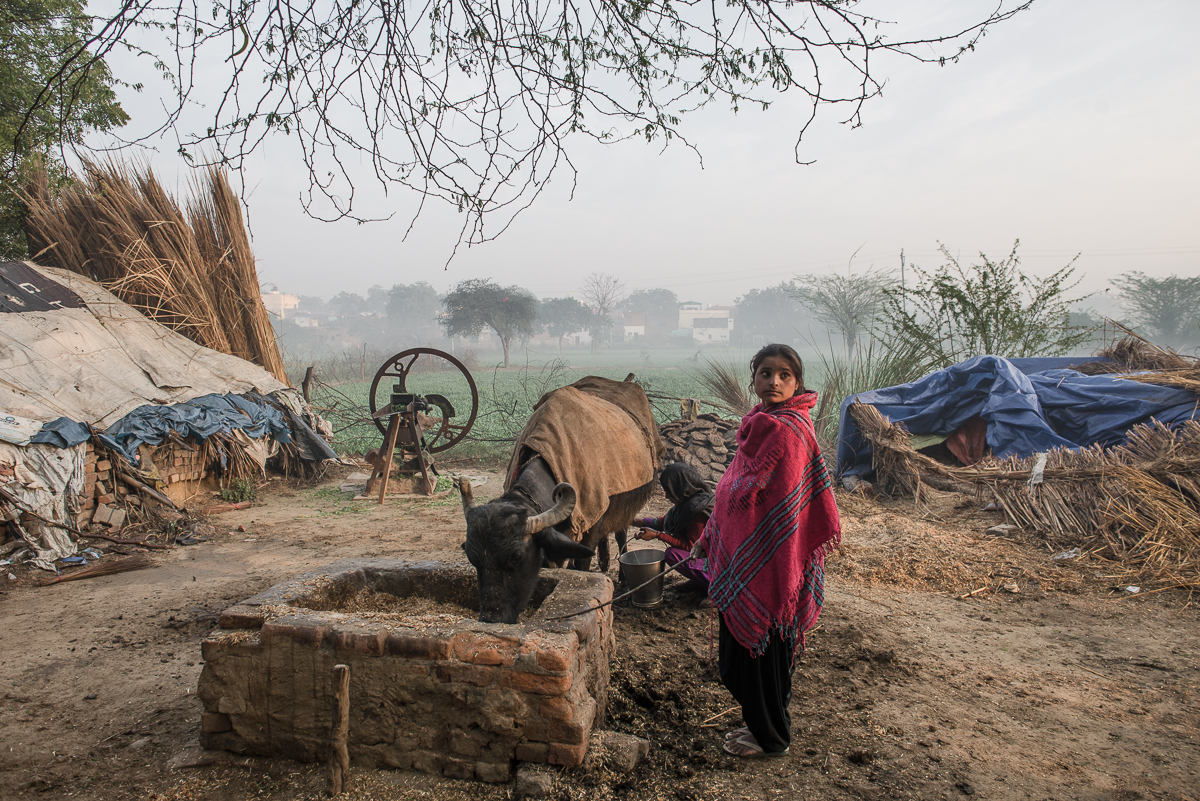
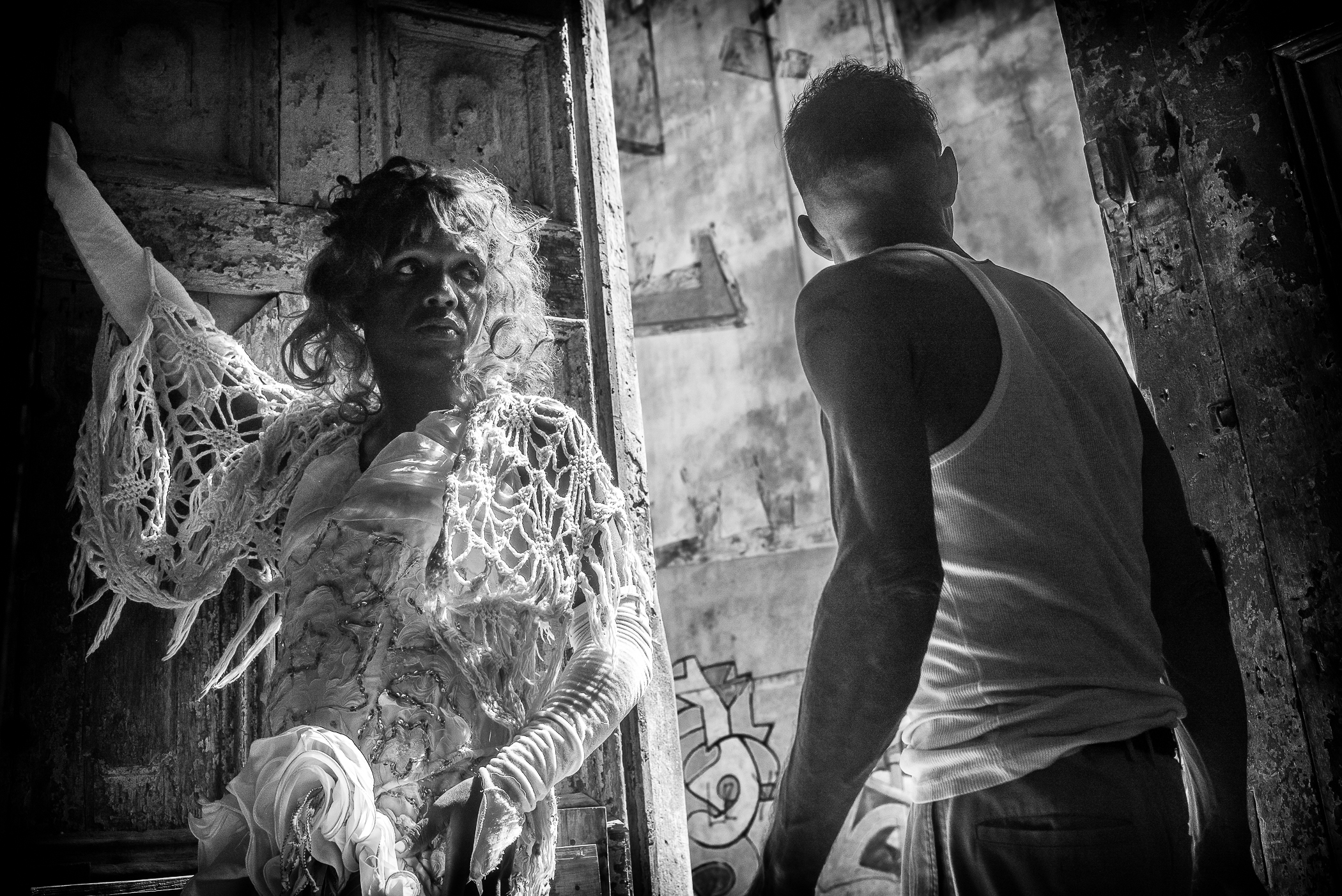
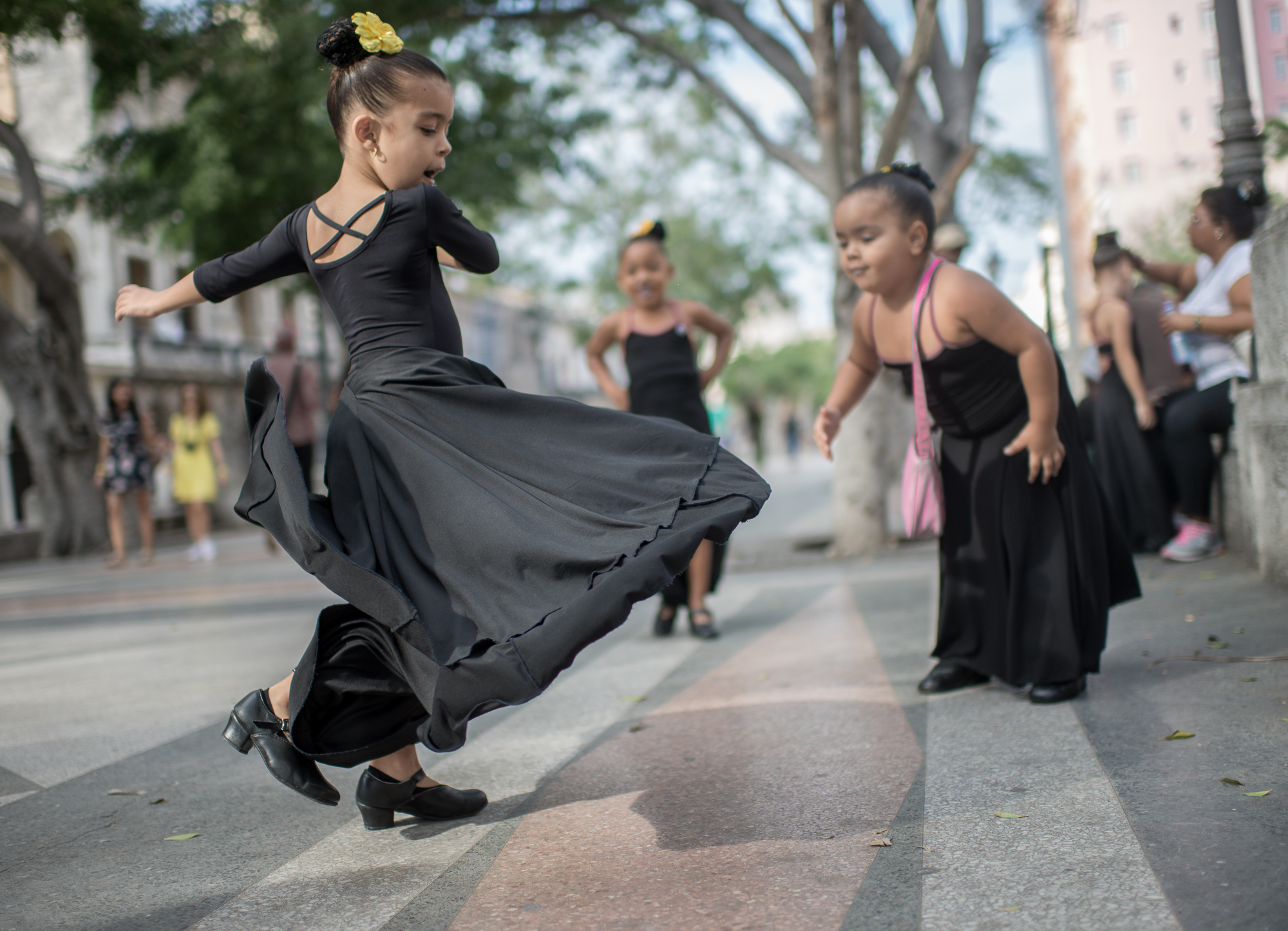
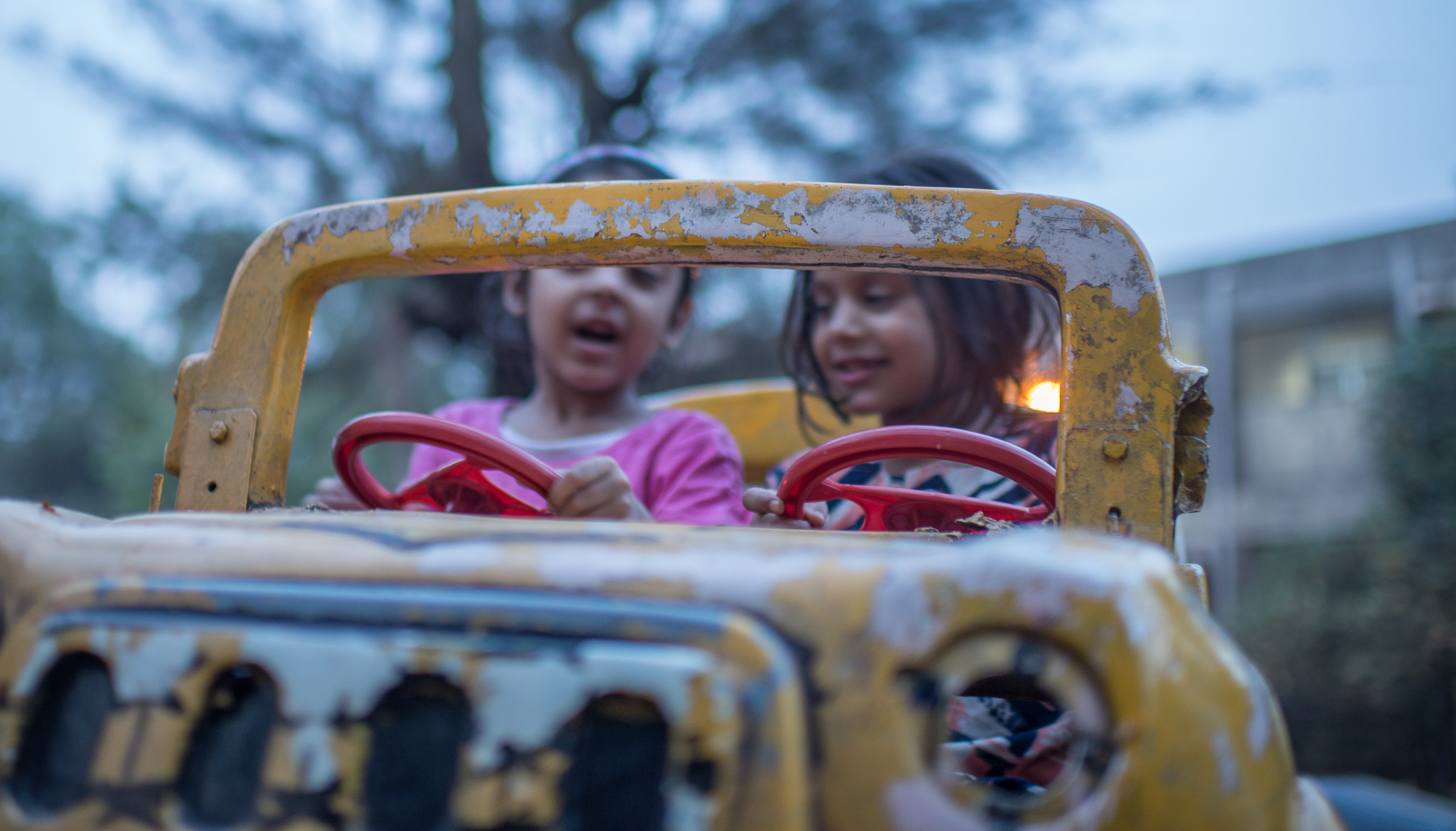
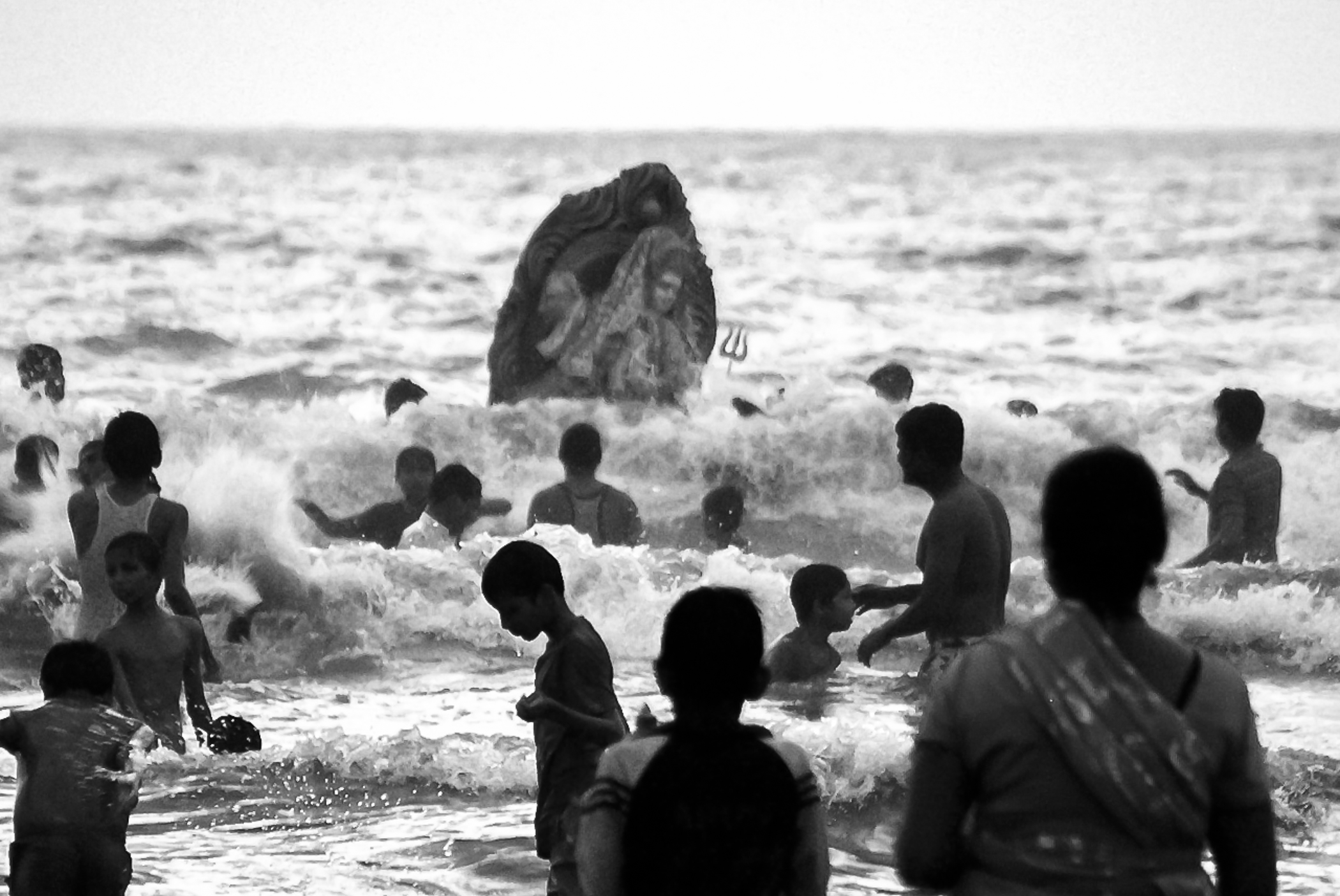
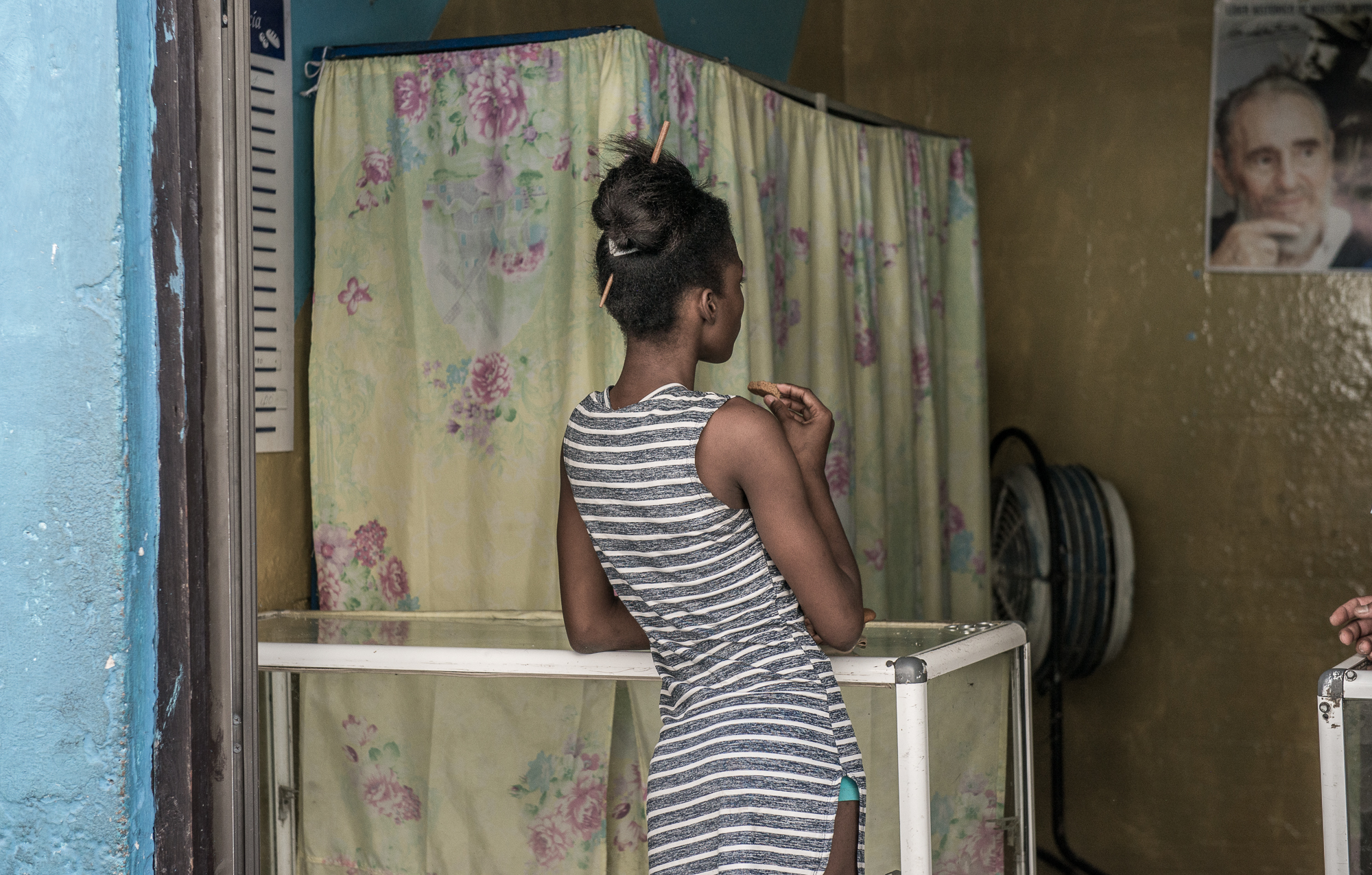
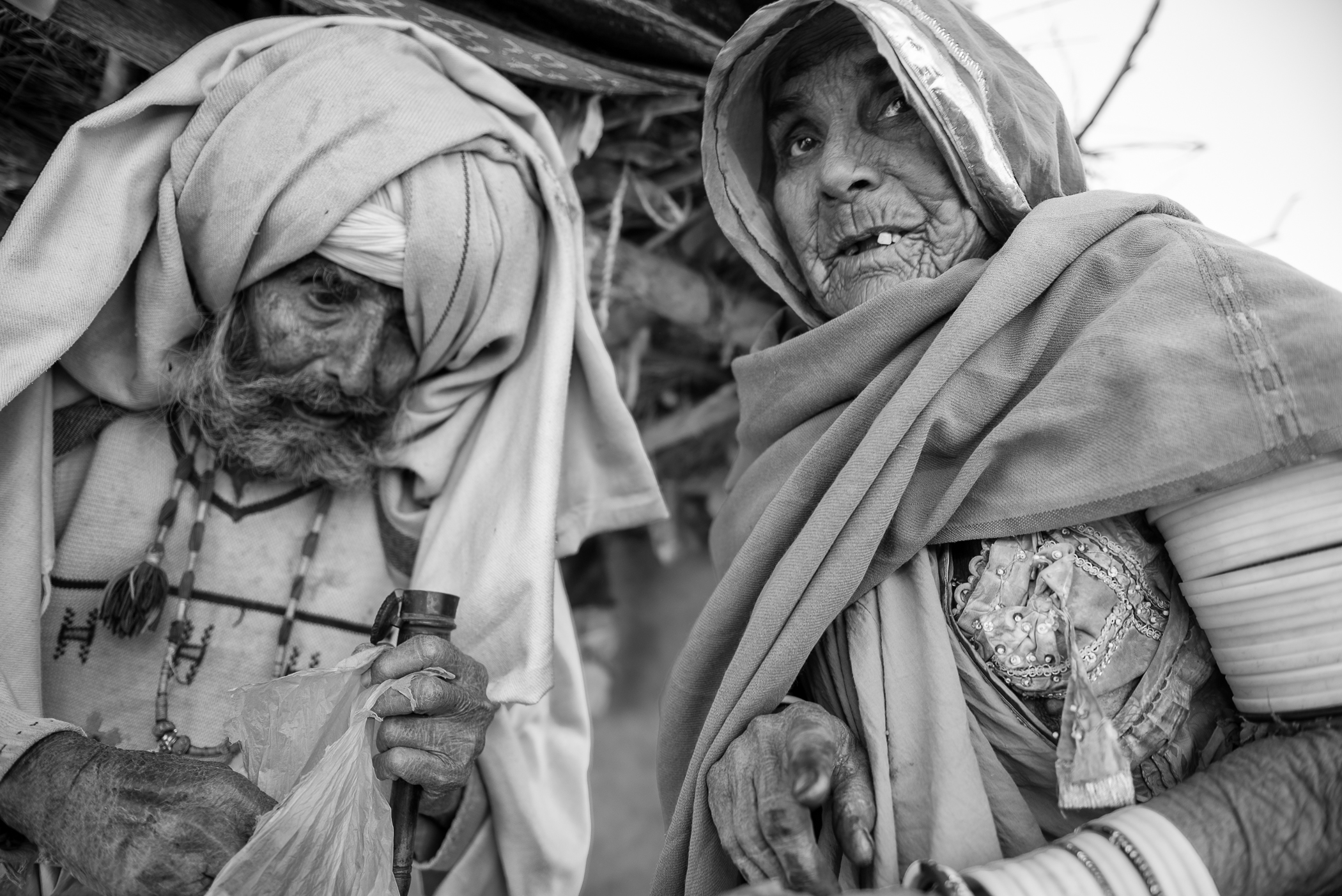
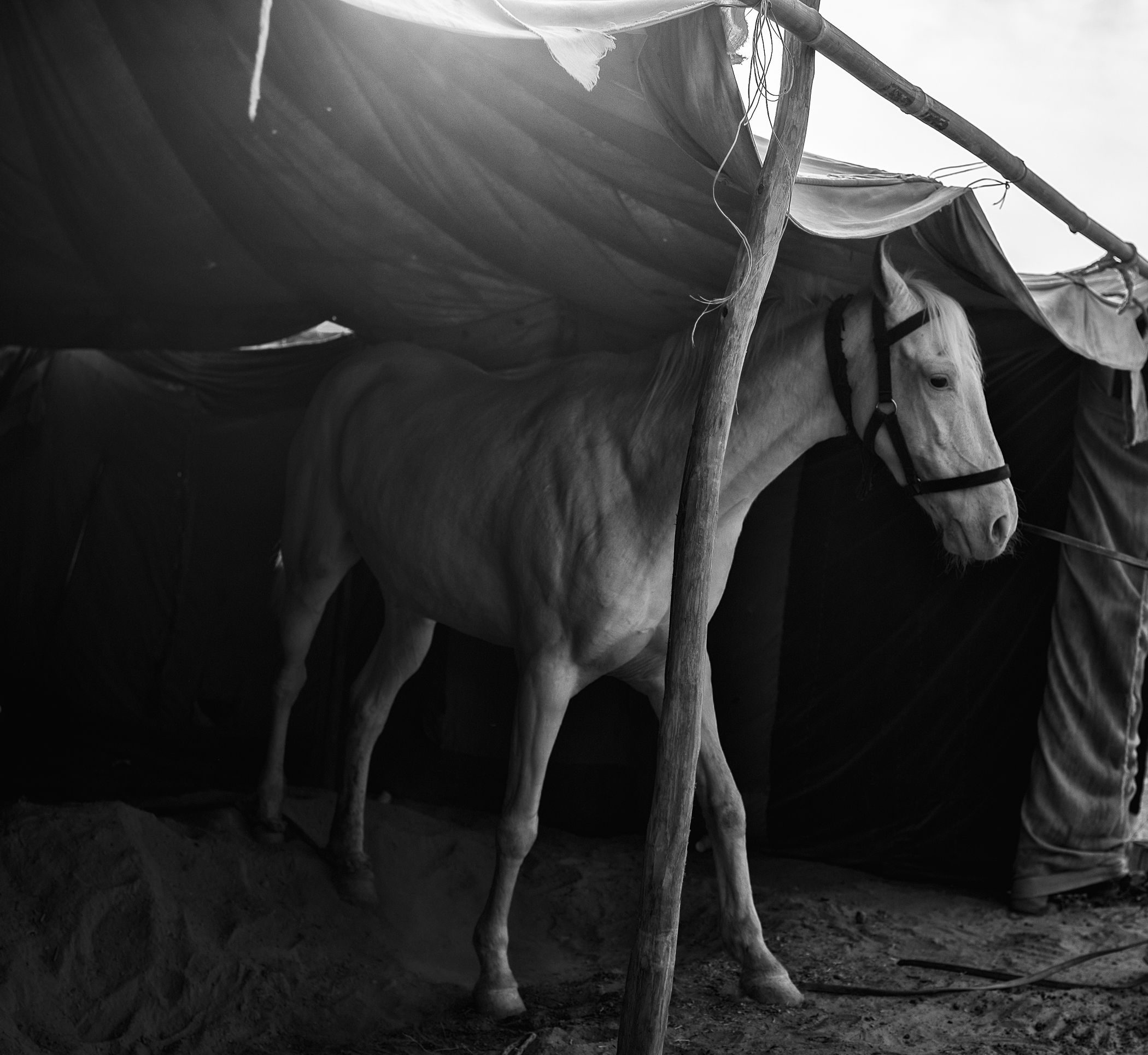 Image Credit:
Archana Kumar
Getting in touch: BostonVoyager is built on recommendations from the community; it’s how we uncover hidden gems, so if you know someone who deserves recognition please let us know here.