





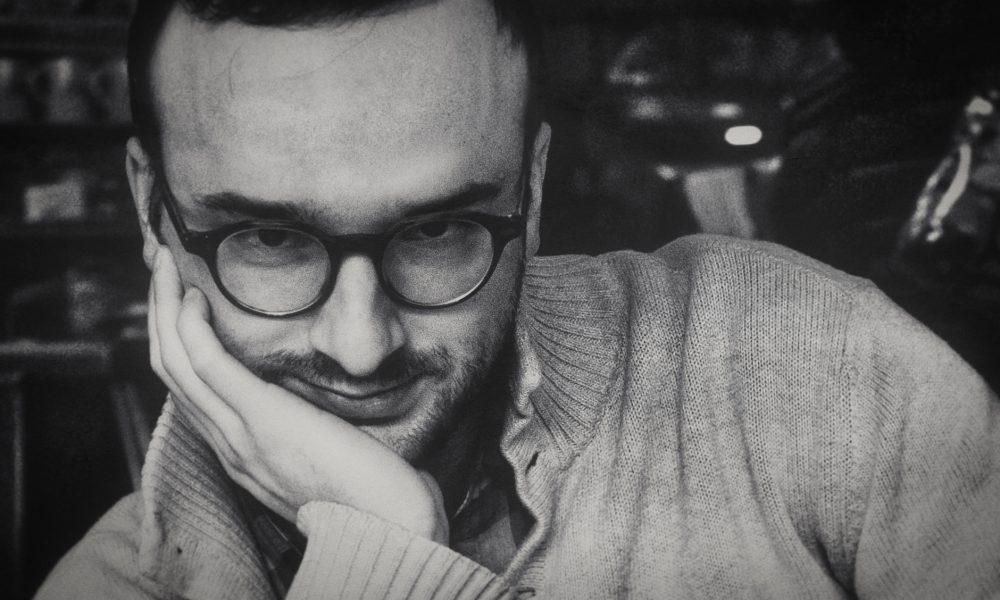
Today we’d like to introduce you to Daniel Kurganov.
Daniel, can you briefly walk us through your story – how you started and how you got to where you are today.
My mother tells me that when I was just a toddler I would hum back the beautiful Russian songs she would sing to me. This was about the time we arrived in the United States, having fled the Former Soviet Union seeking asylum here. My parents dropped everything and took a chance for the sake of my brother and me. Though I was too young to remember those events, my parents’ ultimate courage is something I always keep close to me. Little did I know then that I would later need the courage to become a professional violinist with a ten-year handicap.
One thing is clear: music has persuaded and continues to persuade me to follow my enthusiasm down unexpected places, to not be afraid of embracing radical changes and to emulate those I admire in the continual negotiation that is building one’s own identity. I studied piano as a kid—something predictable enough under the compounded cultural interest of growing up in a Russian and Jewish home. I would sit in a trance sometimes, experimenting with the keyboard, memorizing music so that I would not have to read notes.
Around age 12, I saw Jimmy Hendrix on VH1 and immediately shifted my attention to the guitar. I was fascinated by the virtuosity and charisma of classic rock guitarists. Maybe there is a pattern here, as the great violinists of the 1800’s were analogous in that regard. As I studied more complex music, I was led right back to classical music and classical guitar became my passion for several years.
The most pivotal moment came when I was 16. I was deeply inspired after seeing Roman Polanski’s film The Pianist, and the event became a sort of catalyst, invigorating my passion for classical music more than ever before. I still have a vivid memory of Chopin’s 1st Ballade amidst the rubble of war-torn Poland—one of the more powerful scenes in the film. I decided right then and there that I would return to the piano and become a professional musician. I started practicing piano for many hours, learning the music of great composers. However, I had no desire to play scales, to the chagrin of the piano teachers we began to cycle through.
My final piano teacher, Alla Danichkina, was also a violin teacher and brought a violin with her to one of our lessons. Naturally curious, I wanted to try it. I started to play some melodies, not really knowing what I was doing, and Alla told me “you are a violinist”. She gave me her violin to play on while I found one to rent, and just like that, we started serious work. I really fell in love with the instrument immediately. I knew I had found my calling, even though from every practical angle, it was not realistic. People start violin when they’re 4, not when they’re 16. Within a month or two I was playing complex music and joined my high school orchestra.
We began looking for a next-level violin teacher and, by chance, discovered that violinists Ilya and Olga Kaler had moved to Chicago. Ilya is one of the most celebrated living violinists and was already a violin hero of mine. I tried my luck, and they accepted me as a student. A year later, I entered the conservatory and eventually went on to study in Switzerland with one of my other heroes, Rudolf Koelman. The rest, as they say, is history.
Looking back, it’s surreal how everything happened so quickly, and I still can’t believe that my parents believed in my passion and ability enough to let me study violin professionally. I am eternally grateful for that.
Has it been a smooth road?
I think anything worth doing will involve suffering and failure. To me, that is actually vital feedback in disguise. The world is telling you that you need to get stronger and more competent. One moment, in particular, stands out to me as the most important failure. I was in Germany for an audition for a highly selective position. It was the only audition I decided to take at the time, which was itself a gamble, as my resident status would depend on it.
In the middle of the audition, I realized that my repertoire choice was all wrong, my technique was not actually solid, my nerves were not under control, and that my confidence was quite fragile and misguided—the opposite of what I had felt during my preparation! I was rejected outright and it destroyed me psychologically and physically. I thought there would be no way of breaking through. I stopped playing for about a month with a sense of disgust. The audition brought me face-to-face with my deepest anxiety: the ostensibly insurmountable handicap of starting violin so late.
I decided to fight on and made a plan for completely overhauling my playing. I wanted to strengthen myself to the point where it couldn’t be taken away and wasn’t an illusion. I moved back home and spent the next several years deconstructing and rebuilding my technique, absorbing more knowledge about theory and history, and analyzing more deeply my experiences at the conservatory.
In the process, I learned how to teach myself and feel I am on the right path now. In short, I wish failure and “rock-bottom” for all of my friends. I couldn’t have broken through without it.
We’d love to hear more about your business.
I perform as a violinist in a variety of settings—duos, trios, larger chamber ensembles, as a soloist, and sometimes in orchestras. My background in improvisation and a passion for exploring a variety of styles takes me in non-classical directions as well. Basically, I am excited by any scenario where the musicians are passionate, the music is inspiring and the audience is curious. Currently, I play a lot with Constantine Finehouse—a brilliant Boston-based pianist and a dear friend.
We just recorded a CD (my official debut) and have a number of concerts in Boston this coming season that you can be read about on my website. In terms of specializing, I would say that I have focused intensely on the expressive styles pioneered by early 20th-century violinists such as Fritz Kreisler, Jascha Heifetz, George Enescu (search for their work on YouTube) and others as well as the sonic values of the Italian Baroque-era violin schools. The virtuosos of those days playing with a light, transparent and dynamic sound, and a strong sense of pulse and right-hand expression.
In addition to performing, my passion for teaching grows every day. I have a small studio of private students and also coach professional violinists and music students around the world via video chat. One advantage of starting violin late is that I clearly remember how I first learned to play, as well as how I re-learned later. So I am always trying to find a way to explain and demonstrate that people on varying points of development can understand and integrate. Some of my students call me a “violin doctor”. Fine by me.
My greatest desire is to arm students with inspiration, help them learn how to think and give them the tools they need to grow on their own. I want them to become Individuals, and in a way, I want to make myself obsolete as a teacher. I also love teaching because I learn a lot! The responsibility of guiding someone else forces me to properly vet my ideas and methods. In fact, I am in the process of publishing some literature on new ideas involving violin technique. I believe in the power of technology to enhance the way we learn and access resources—even in the oldest art forms.
With the help of my father, I am designing an app/website that I think will harness exactly that and be of great benefit to violinists and violin teachers. It’s called Arco.
Let’s touch on your thoughts about our city – what do you like the most and least?
I like that Boston has a rich tradition of cultivating the arts–especially music. Of course, it’s a relatively old city, and I seem to gravitate to this naturally. Maybe it has to do with living in Europe for a few years.
I grew up in Chicago, another great city, but somehow I feel that Boston’s classical music scene is more vibrant, even though the city itself is much smaller. I also love the seafood here, naturally. As for what I like least–the rent prices, of course.
Contact Info:
- Website: www.kurganov.io
- Phone: 617-870-4113
- Email: theviolin@outlook.com
- Facebook: www.fb.com/dkviolin
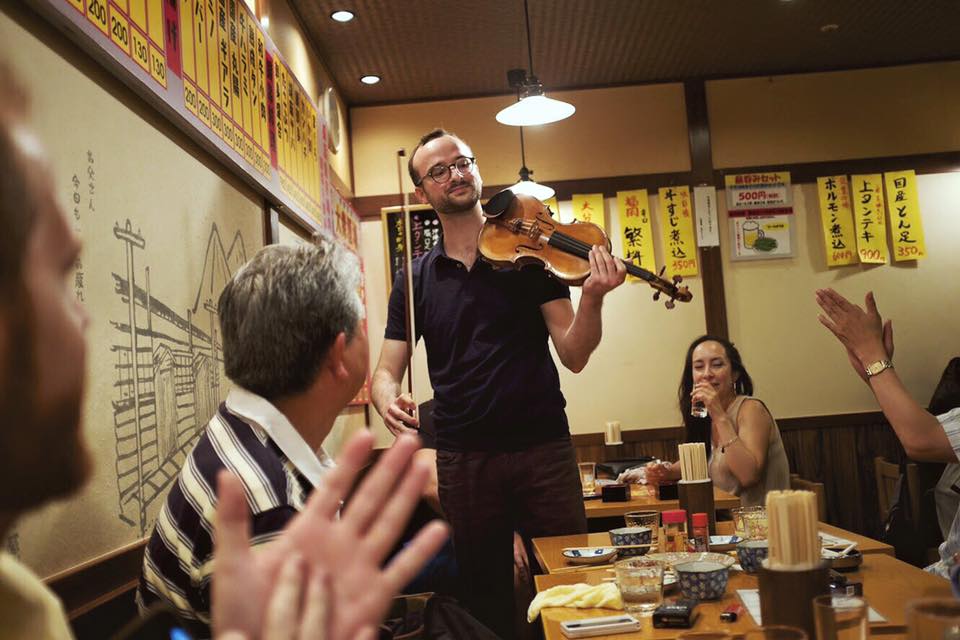

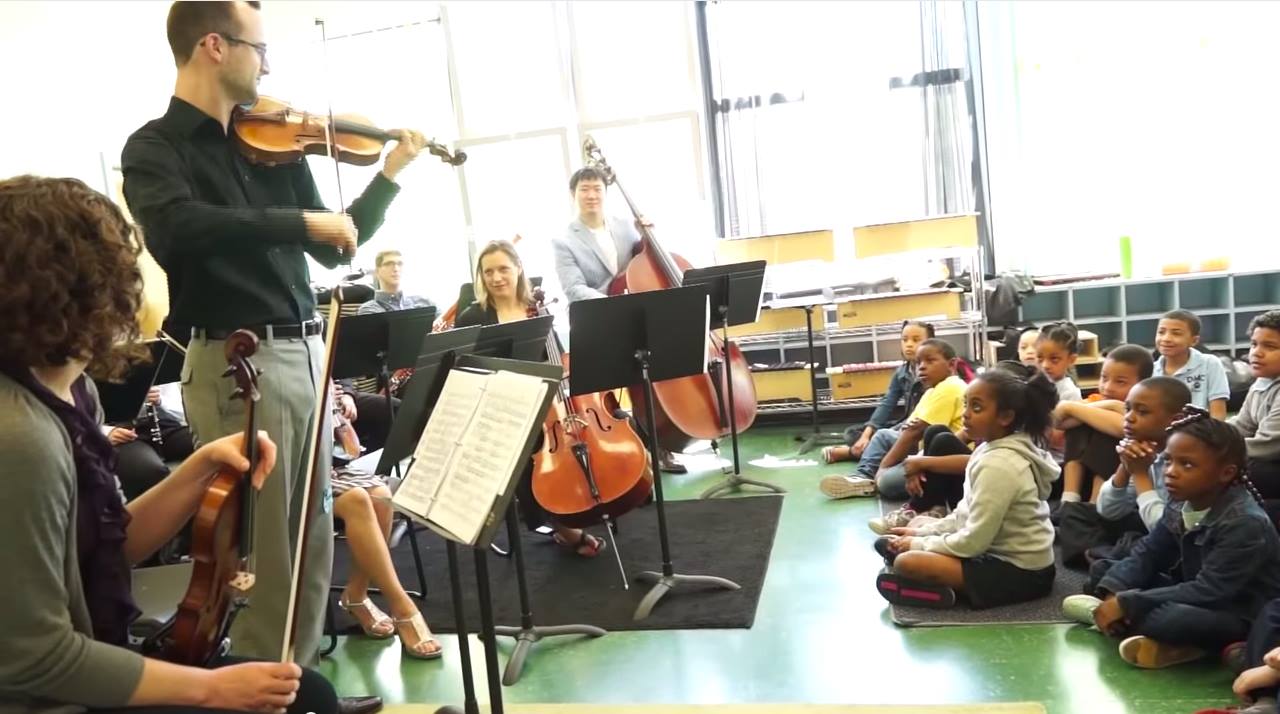
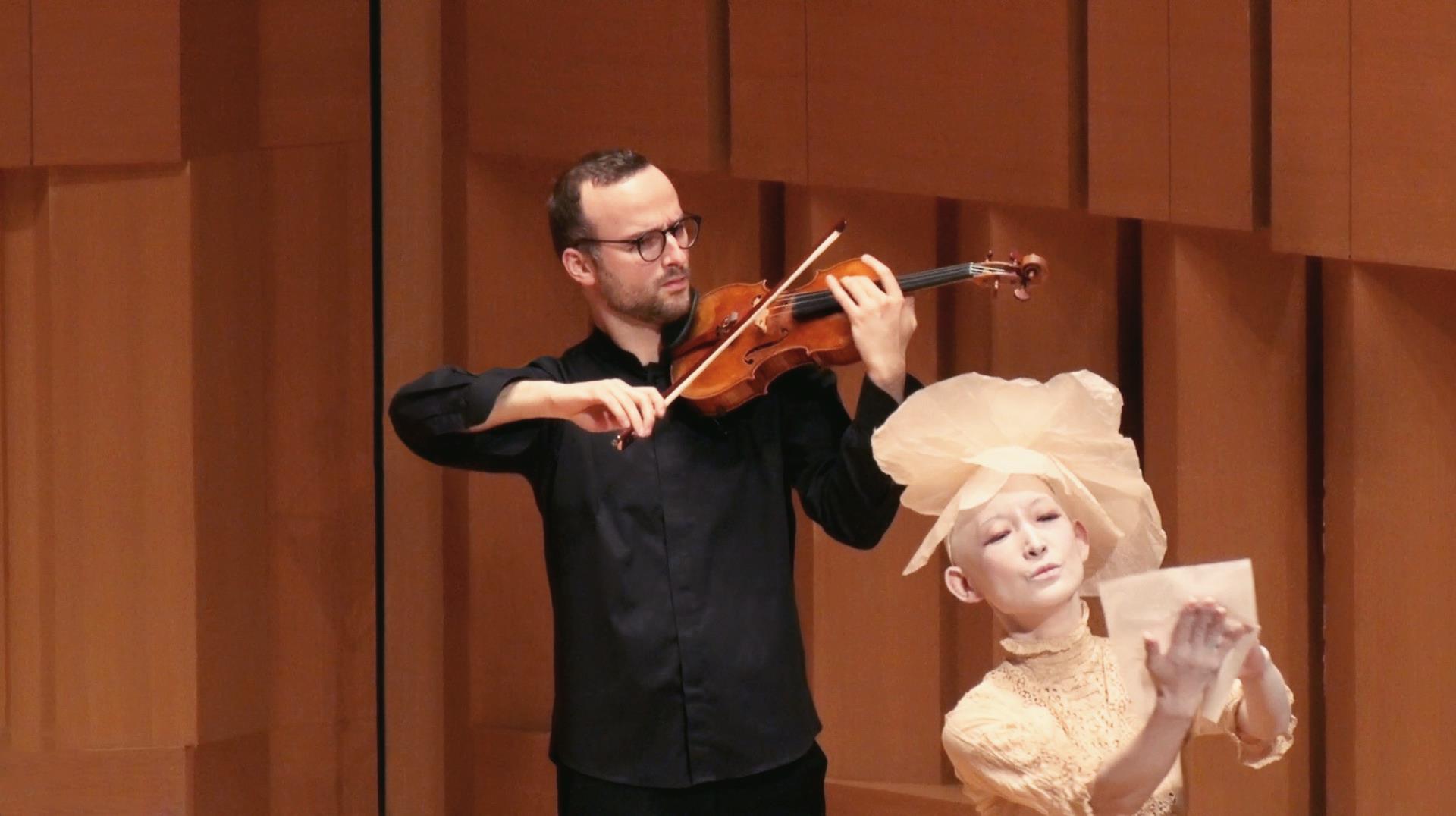
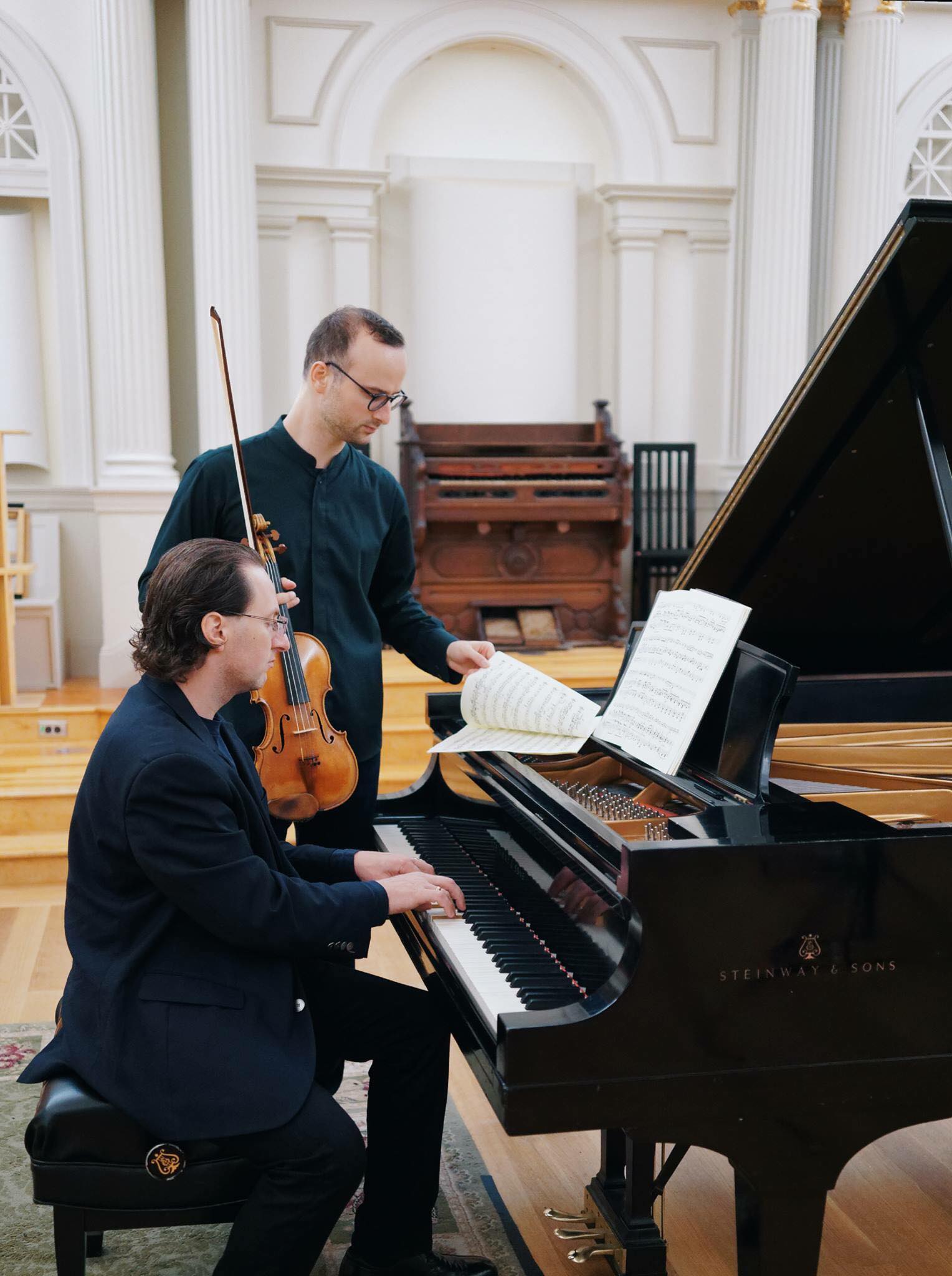
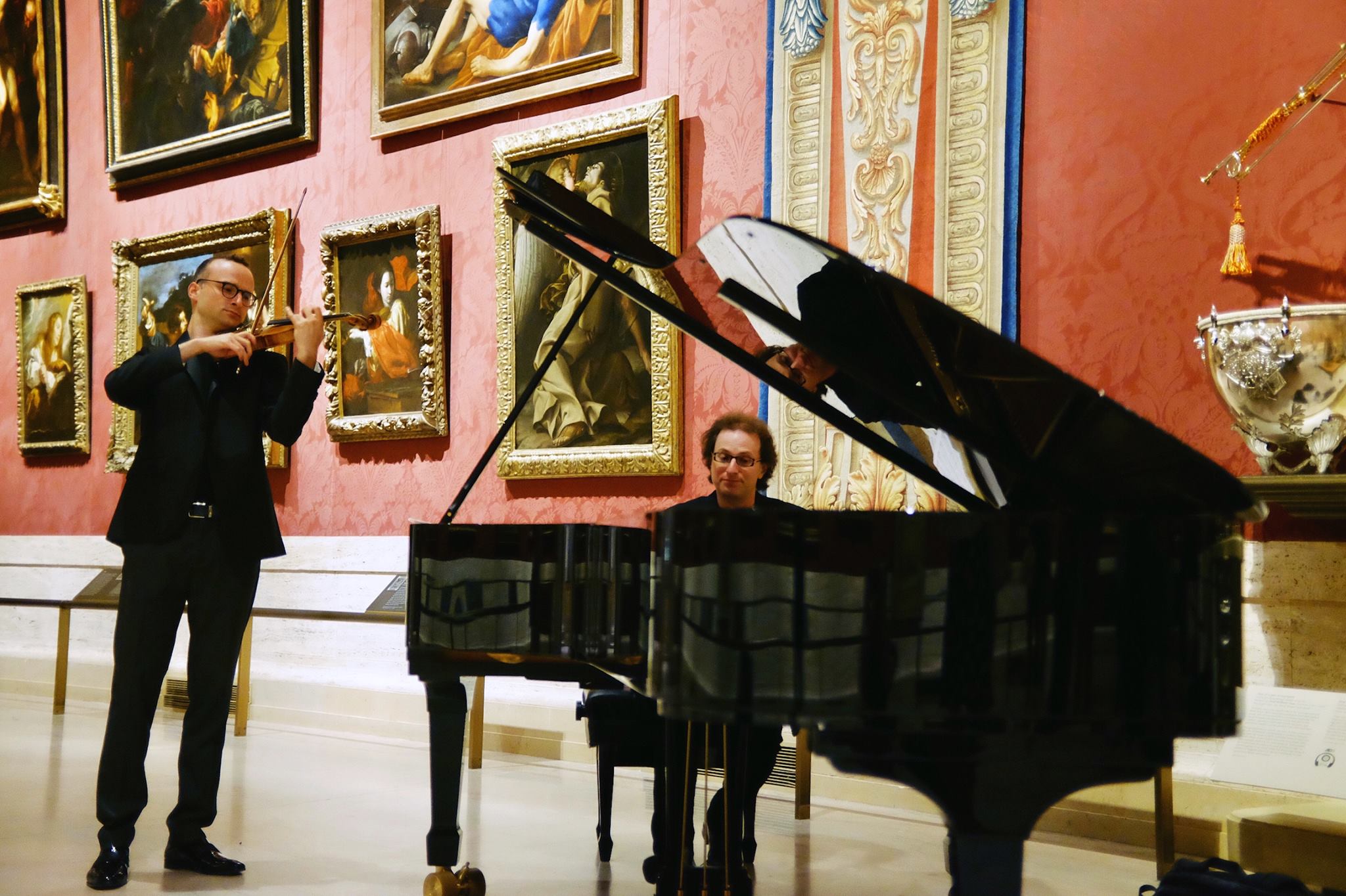
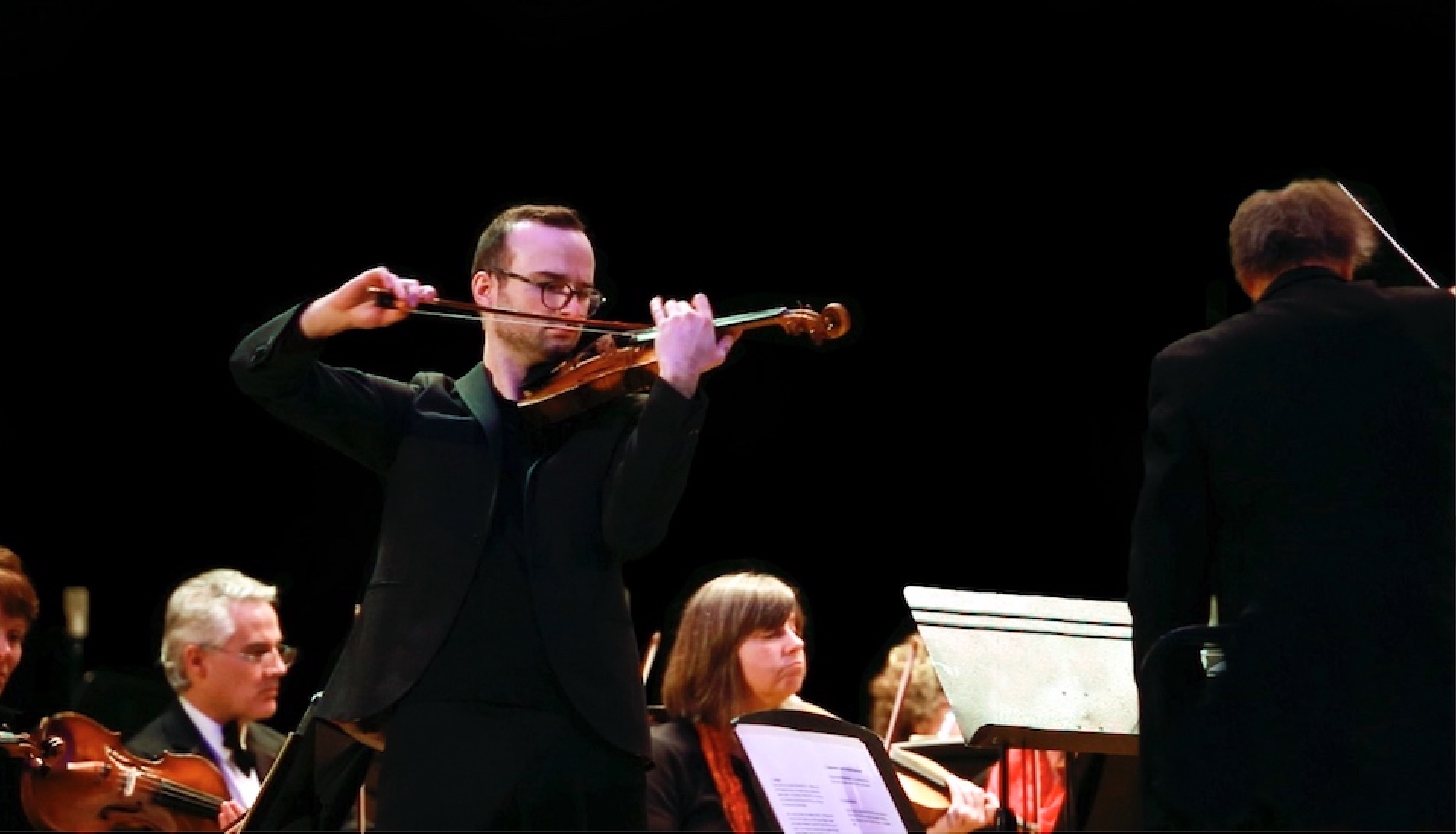
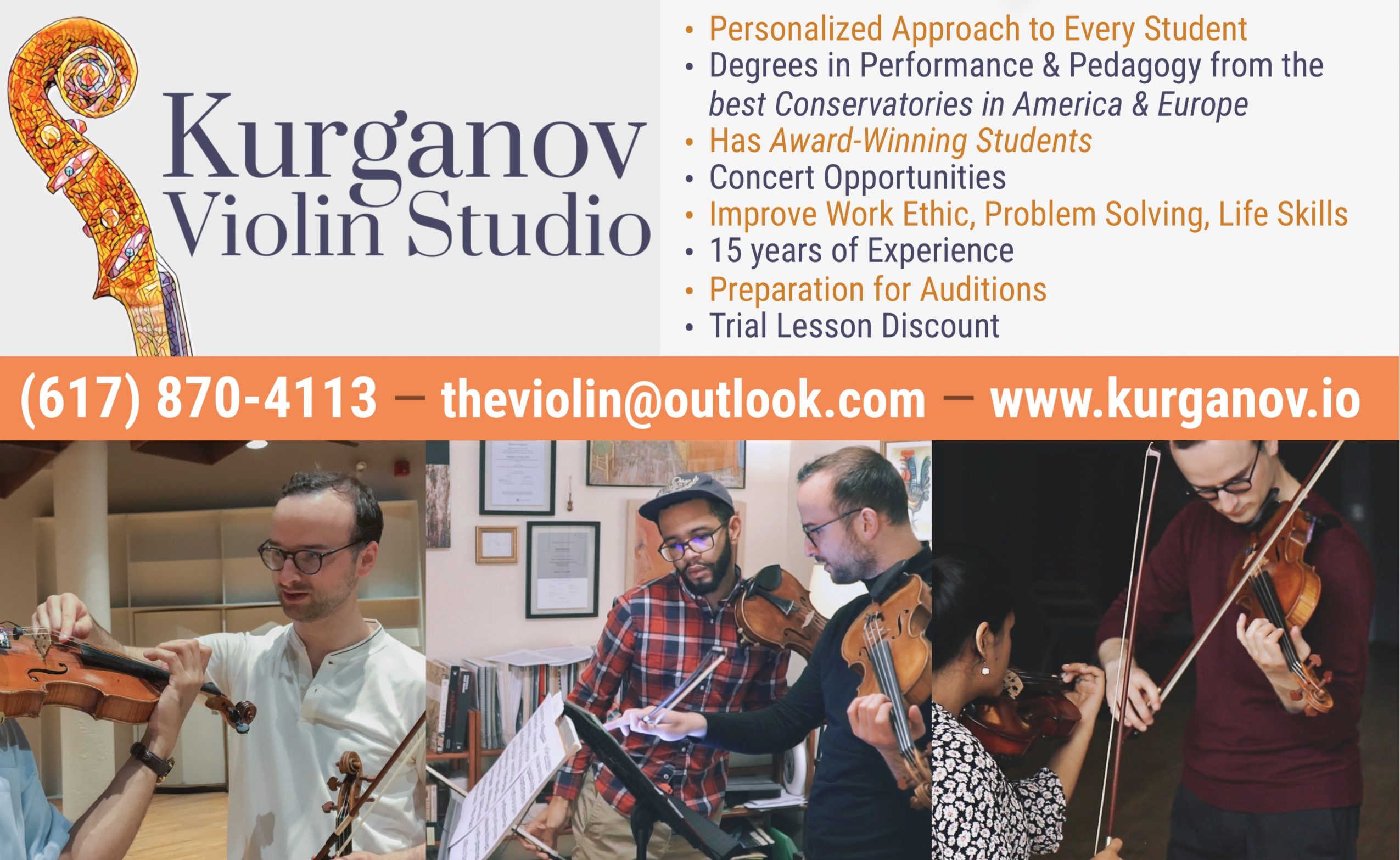 Image Credit:
Edvard Lee, Peter Woo, Seiji Takahashi
Getting in touch: BostonVoyager is built on recommendations from the community; it’s how we uncover hidden gems, so if you know someone who deserves recognition please let us know here.









Clark Chaffee
September 11, 2018 at 5:47 pm
Nice article Dan.
Glad to see that you are doing so well & that your teaching priorities are well made. Proud of you!