




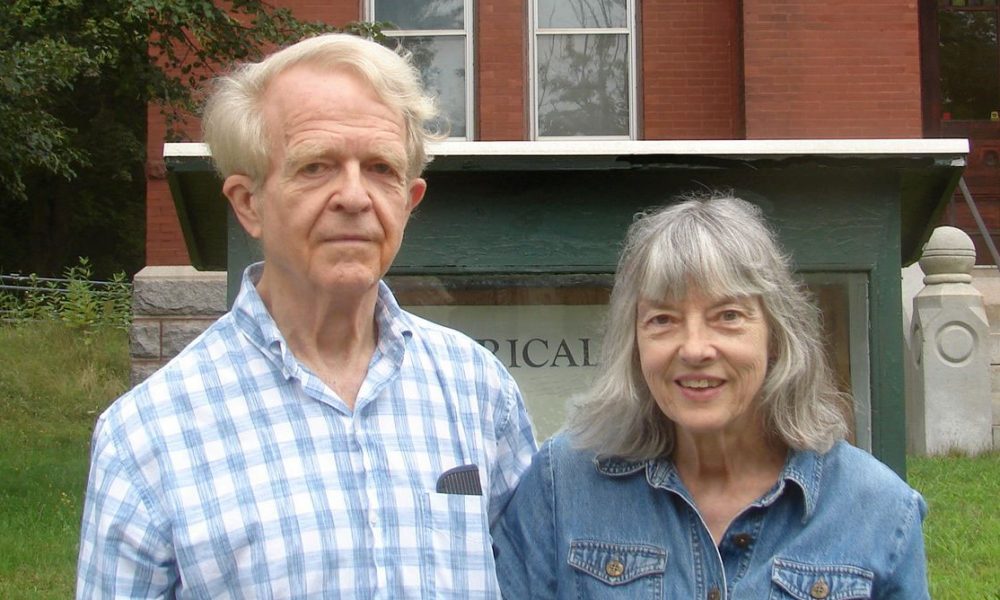
Today we’d like to introduce you to Patricia and Edmund Michael Frederick.
Thanks for sharing your story with us Patricia and Edmund. So, let’s start at the beginning and we can move on from there.
I grew up in Symphony Hall, Boston, where my dad, Laning Humphrey, was Publicity and Public Relations agent; Program Annotator for the Boston Pops and Esplanade; Archivist; and Curator of the Casadesus Collection of antique musical instruments. I began picking out tunes on the piano as soon as I could talk. I went to the Newton public schools, enjoying their rich music program, then to BU, majoring in Music Education. I taught grade school music in Newton for five years before marrying Edmund Michael “Mike” Frederick.
My husband, a history major, had a passion for music, as well. He built two harpsichords while a student at Harvard, working “from scratch” (not assembling kits), from museum plans of historic instruments. Harpsichord builder/historian Frank Hubbard, seeing Mike’s serious interest and ability, let him build his second harpsichord in a corner of Hubbard’s shop.
When we got married, the historical gap between his harpsichord and my piano inspired us to explore what kinds of instruments had been available to the composers of the standard piano repertoire. We began importing 19th-century pianos by major makers from England, France and Vienna, matching makes and dates to composers’ lives. Mike restored the pianos to fine playing order. We started our Historical Piano Concerts Series in Ashburnham, MA in 1985, at the visually and acoustically appealing Community Church.
After negotiating with the Town, we were able to restore and rent the former town library building for a Piano Study Center – not a “museum”, but a hands-on resource for musicians and music lovers to hear and play the makes and vintages of grand pianos known to the great composers. The collection presently includes 26 grand pianos, built from around 1790 to 1928 in Paris, Vienna, Leipzig, and London – also a New York Steinway and a Chickering of Boston.
The Frederick Piano Collection is recognized as the leading resource of its kind in the United States and has a modest international reputation. Pianists come from all over the world to discover the characteristics of pianos like those that shaped the composers’ music. Now in its thirty-fourth year, the concert series at the church has grown from four or five concerts a year to over a dozen, with smaller, off-season concerts at the Piano Study Center.
Audience members come from greater Boston, the “five colleges” area, and from New Hampshire and other New England states. We have to warn people that once they have heard the music in its original colors, their ears may be spoiled … the modern piano is really not well suited to represent Classical and Romantic period music, either in tone or in touch.
Overall, has it been relatively smooth? If not, what were some of the struggles along the way?
Before we had access to the old library building, living with a crowded houseful of grand pianos was a bit awkward, especially for hosting tour groups. And moving pianos out of the house for concerts at the church was like the kind of puzzle, arranging numbers or letters in a frame – one or two pianos had to be moved aside or taken down to get another out past them.
Bringing up two kids in a house filled with grand pianos was interesting, too, especially with the thermostat kept at around 55 degrees in winter, to keep the humidity level up for the pianos. We learned to “dress like a cabbage”, in layers. After the pianos were moved into the old library building, we had a brief struggle when a Town official took a dislike to us and threatened to break our lease and throw us out of the building. He eventually left, and things settled down.
All-in-all, things have gone pretty smoothly. The concerts and Study Center have always managed to run “in the black”, supported by freewill donations from individuals, and a few corporate sponsors. Perhaps a “good” problem is that more musicians want to play concerts here than we can possibly accommodate; we are typically booked a couple of years in advance.
Alright – so let’s talk business. Tell us about Historical Piano Concerts – what should we know?
We specialize in preserving an endangered species of music, and musical instrument.
Other piano collections sometimes exhibit pianos for their visual beauty – ornately decorated cases; for their provenance – having belonged to some famous person; for their weird patent devices that never went into regular production; or just because someone donated the piano to them. Some of our pianos are visually handsome, but that, or their previous ownership is not as important to us as their musical beauty.
We have been told that our pianos are in better working condition, and sound more beautiful than pianos in other collections. And of course, our pianos are to be played, not just looked at. We are proud that while some excellent musicians have always been eager to play here, more and more of them have heard about us from their colleagues, and are turning up at the Study Center with concert proposals.
One virtuoso pianist from China, who received his music degrees in New York, will play his ninth concert here this fall. He spent one whole day several years ago making a video about the Piano Collection, which was broadcast in six installments of his weekly show on China Public TV. His concert this season will be in conjunction with a recording session with an 1846 Viennese piano. His three-CD album of Chopin’s music with our 1840 Pleyel piano of Paris has been selling well. So far, we have a dozen CDs by various pianists, and four more recording sessions scheduled this fall.
People sometimes describe the experience of visiting the Piano Collection in terms like “life-changing” and “a revelation”. We also take pride in just seeing people’s faces light up as they discover the music in new ways.
Any shoutouts? Who else deserves credit in this story – who has played a meaningful role?
I credit my father for teaching me by example how to publicize a classical music organization, do fundraising for it, and format attractive program booklets, brochures, etc.. He also taught me that old instruments can be brought back to playing condition and that their function should be to be played and heard, not just to be exhibited in a glass case.
Both my parents believed in encouraging their children’s personal interests and helping them develop their individual skills and talents. My husband’s chief mentor was Frank Hubbard, the harpsichord builder and historian.
Our piano concerts and Study Center have been supported by a whole network of musicians, music lovers, and people who value what we do. The neighborhood men who move our pianos for concerts take great care with them and are proud of their teamwork.
Our recording engineer not only records all of our concerts, he also helps with formatting the program book and does our e-mail announcements of concert season schedules. Our webmaster does a skillful job of keeping the website up to date and making us look good.
The local news media give us good events coverage. Also, there are willing volunteers to help get out our mailing to some 1200 addresses, and others who cater our post-concert receptions, which are more like light suppers than just snacks. One couple willingly provides B&B accommodations for out-of-state musicians.
And many of the musicians who play here seem like extended family. I know about two-thirds of our audience members by name because they have been coming to our concerts for so long. We get lots of hugs from lots of people.
Pricing:
- Admission to concerts is $15.00, children and students, free of charge
- CDs for sale are $15 for single, $20 for double and $25 for triple discs per album
Contact Info:
- Address: 15 Water Street, Ashburnham, MA 01430 (Mailing address)
30 Main Street (Rte. 12) (Piano Study Center)
84 Main Street (Ashburnham Community Church) - Website: www.FrederickCollection.org
- Phone: 978-827-6232
- Email: piano.fred@juno.com
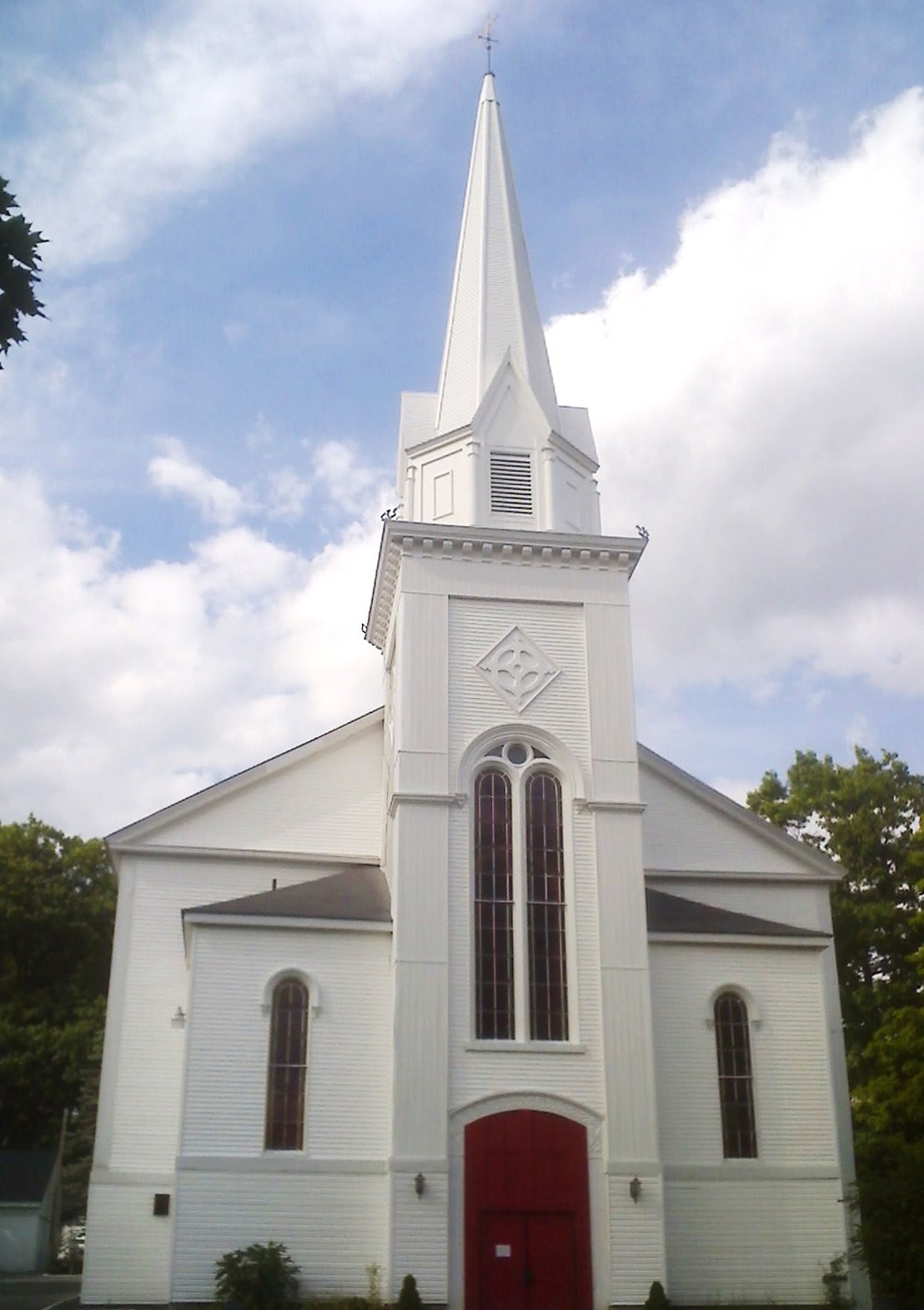

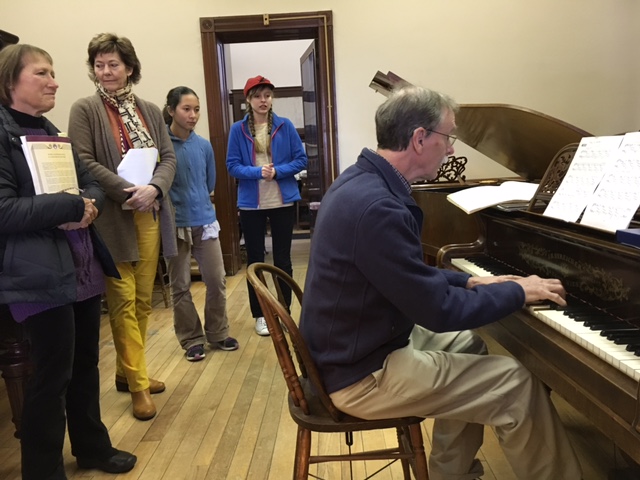
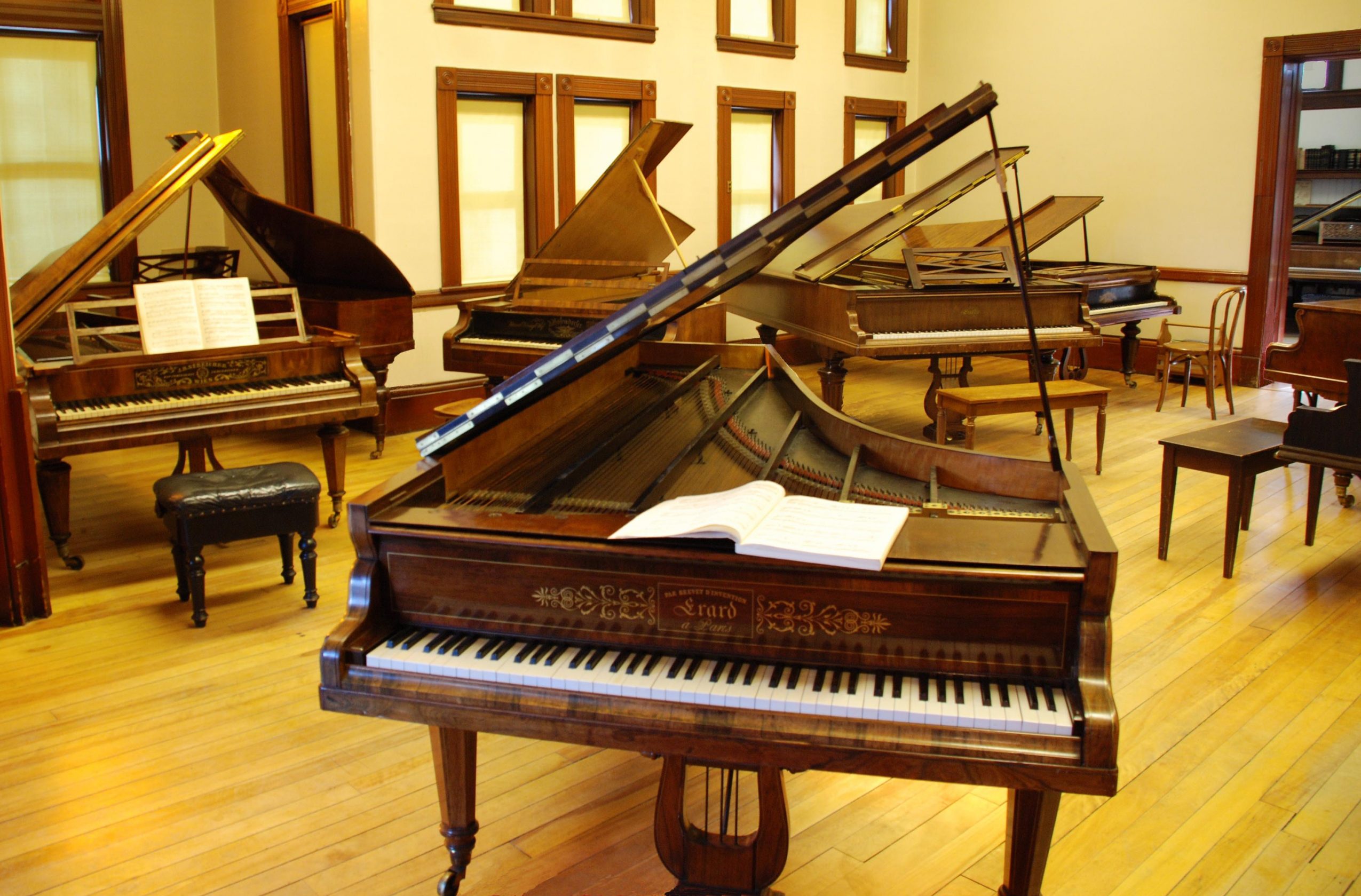
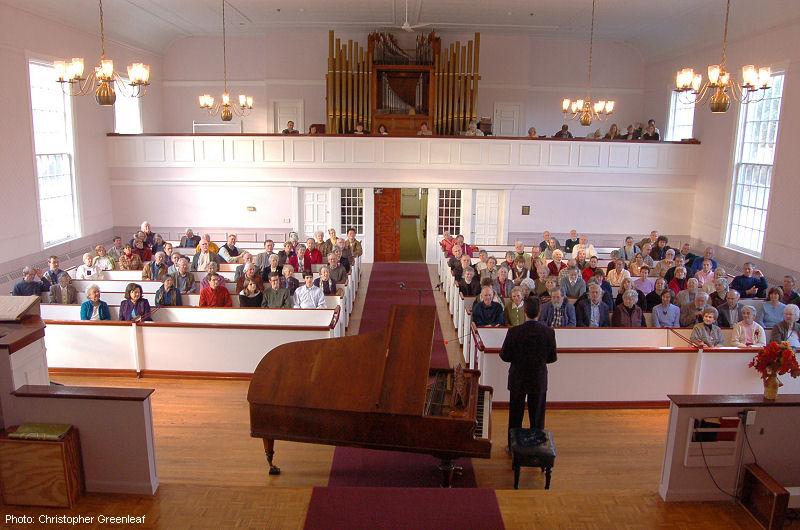
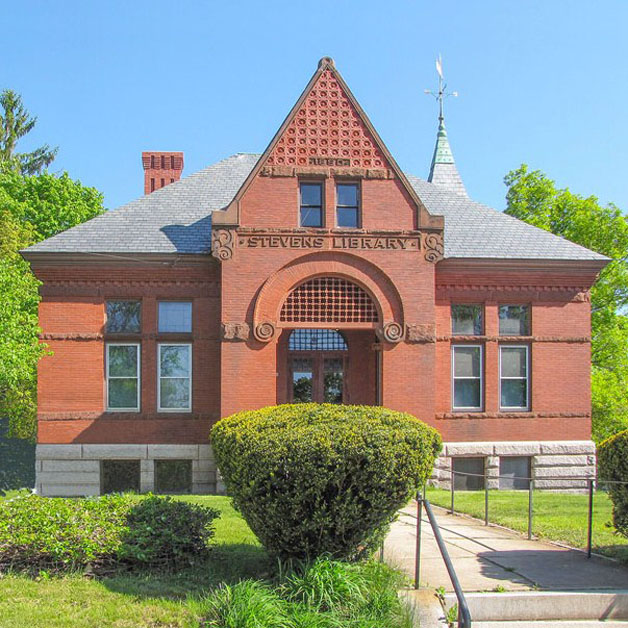
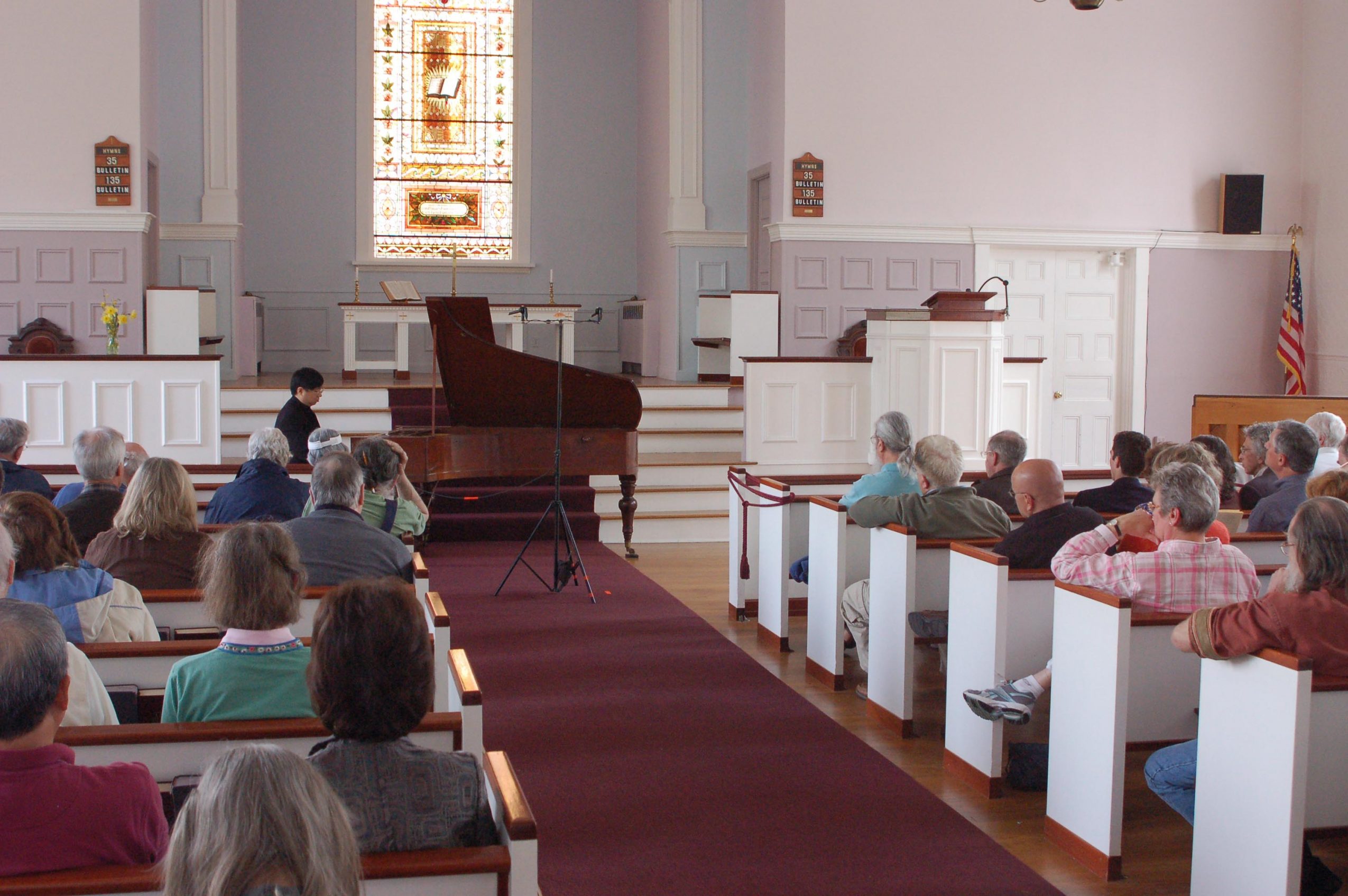 Image Credit:
Christopher Greenleaf, Betsy Dillbeck, Kevin Sletten., Patricia Frederick, Charles Gardiner
Getting in touch: BostonVoyager is built on recommendations from the community; it’s how we uncover hidden gems, so if you know someone who deserves recognition please let us know here.