



Today we’d like to introduce you to Jenny Herzog.
Jenny, please kick things off for us by telling us about yourself and your journey so far.
I grew up with a dream of being a Broadway star. I loved to sing, dance, and perform; I was a ham. I was in a show from fourth grade through high school. The woman who ran the theatre guild at my high school was horrible–clicky, telling directors to cast her favorites, and so on. In hindsight, I’m thankful: she provided me with an early insight into the mind games and politics of the theatre world. That was the end of my musical theatre career.
When I got to Vassar College, the music department was mostly classical. So there I was, studying opera, singing Massenet and feigning a dramatic death in opera workshop. Opera made me horribly anxious. What if I sang the wrong words? What if my diction was wrong? I move a lot when I sing, and my high school choir director had told me I looked far too casual for opera. The whole thing was traumatizing, and I quit that too. At this point you might think I’m a quitter, and you might be right. I was restless and frustrated and felt confined.
My dad is a jazz pianist, so I grew up listening to Thelonious Monk, Coltrane, Anthony Braxton, and the like. As I got older, I started singing and improvising with him. I loved to improvise; unlike theatre, where I had to do the same thing over and over every single night, I was free to take risks and create on the spot. I was hooked. I had also gotten hooked on rhythm tap dance. I was lucky enough to find a woman in Ann Arbor, MI (Susan Filipiak!) who had studied rhythm tap from the New York greats. Tap dance and jazz are inextricably linked–both fueled by rhythm, swing, and improvisation. It was so much more me than musical theatre or opera.
I transferred to the Gallatin School at NYU, because I wanted to live in New York City and my parents were forcing me to finish school. Having grown up doing what I was supposed to do, and coming from a super academic family, I just wanted to do something different. I felt totally stifled in the college setting, I was tired of singing in Italian, French, German, tired of reciting the same lines over and over. I just wanted to run around the city and experience what might lie on the other side of the dreaded “E” word: Expectation–with a capital “E”. I created a major called “Navigating Chaos and Structure: In Pursuit of Freedom and Art” that combined philosophy, political theory, music, and dance. I wanted to see how things were created and destroyed, and who defined which boundaries should be where. In the meantime, my life became an absolute case study in chaos. Biking around the city, sleeping on the floor in an apartment of Bangladeshi men cooking lamb stew, and more or less losing my mind.
I graduated, and realized maybe I should start taking something seriously. Like music. I applied to the Contemporary Improvisation Department at New England Conservatory, where I would have the freedom study various genres of music, to tap dance, and to experiment with different forms of improvisation. I moved to Boston and did just that for two years. I wanted to quit–and it took a good dosage of Zoloft–but I made it through.
I’ve been out of school for two years now. I produced and directed “Moving Stories,” a live, full-length production made up of a cast of previously incarcerated women, and women in recovery. The women told true stories from their lives, and stories were interwoven with music and dance. The show addressed the epidemics of opioid addiction and over-incarceration within our community. We sold out two shows at The Dance Complex, one at Third Life Studios, and went on to perform at Wellesley College and South Middlesex Correctional Center, an all-female minimum security prison in Framingham. Now, I’m leading music and movement workshops at Edwina Martin House, a women’s halfway house in Brockton.
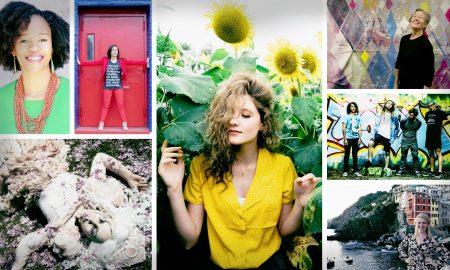
I continue to gig around the greater Northeast as a jazz singer and tap dancer. I compose original songs, and sing standards. I was Artist-in-Residence at Surel’s Place in Boise, ID, where I composed original music and presented an evening of song and dance at a local jazz club. I performed at Boston Center for the Arts as a cabaret singer with Peter DiMuro’s Public Displays of Motion. I was a Catalyst, or Choreographer-in-Residence, at the Dance Complex, where I co-created a 20 minute piece which used original compositions of mine. I have sung and tap danced at Dixon Place NYC, Maureen’s Jazz Cellar, Arts at the Armory, Waltham Museum of Industry and Innovation, Music on Norway Pond, Magnolia Loft, among many other spots.
I continue to freelance as a jazz singer, tap dancer, poet, and painter.
Can you give our readers some background on your art?
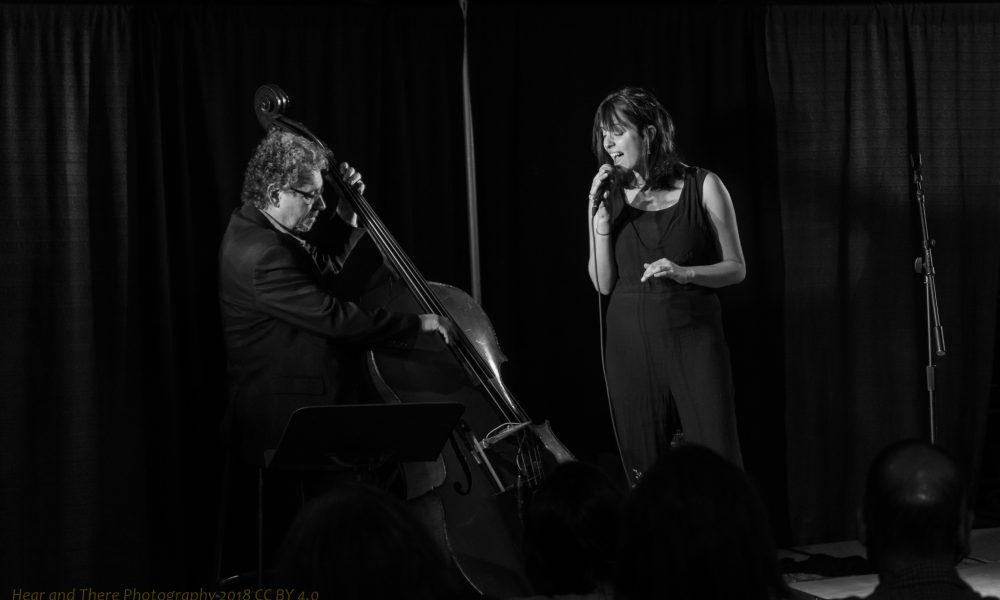
I am primarily a jazz singer and tap dancer. Tap dance and jazz worked together throughout much of history, with dancers touring with big bands, dancers and musicians bouncing ideas off of one another, and so on; I am interested in continuing this relationship. Rather than focusing on speed and tricks, my focus is on musicality. I’m interested in the phrasing of the dance, and approaching the dance melodically: playing melodies with my feet. As an improviser, I often take voice solos and tap dance solos. Sometimes I trade back and forth between voice and feet, and other times I scat what my feet are dancing. I have been lucky to play with wonderful musicians: Jacob Hiser (piano), Umar Zakaria (bass), Alex Gasser (bass), Jim Guttmann (bass), Chris Covney (guitar), Heather Cornell (tap master), Jim Donica (bass), and many, many more. Can you tell I like playing with bass?
I think my main desire is to elicit some kind of human connection in a room full of strangers. There’s a lot of waste and a lot of ego in the arts, and perhaps especially in the performing arts. I’m not above it: I get a total rush from being on stage. I love to sing, I love to improvise, and I have discovered that it’s physically impossible to be unhappy while you’re tap dancing. But beyond that, I get totally high off of somehow facilitating a connection in a room full of strangers. So much of our lives are spent isolated, alienated, lonely, depressed, and anxious. And to be honest, often times I’m in a total funk before I walk out onto the stage. But once I’m there, getting lost in the song and dance, I get lost in it. If you’re present in the music, it’s impossible not to smile, not to connect. If some song and dance can draw us out of ourselves for even a moment–if it can turn a room full of strangers into friends, respecting one another and sharing a common experience–then we should take advantage of it while we can.
I also write children’s poetry, a la Dr. Seuss or Shel Silverstein (though decidedly not at that level). I think kids are brilliant, and I love hanging out with them. They haven’t yet been totally brutalized by expectation or socialization. They still speak their minds, and (usually) are not yet drowning in pools of insecurity and self-loathing. I can be myself around them. Most of my poetry grapples with existentialism through goofy, blatant, provocative verse. I hope children and adults alike can identify with my poetry. They are meant to point out–again–the common experiences we all have, and to poke fun at them. Perhaps if we can laugh, and see how absolutely absurd it all is, it won’t be quite as hard.
Finally, I paint. I work with acrylics and oil pastels. I mostly paint female figures, because they’re gorgeous. I use bright colors and broad strokes. My paintings aim to celebrate the beauty in the everyday.
How do you think about success, as an artist, and what do quality do you feel is most helpful?
I used to just want to perform. Now I’ve performed in enough situations to realize that performing alone doesn’t mean you’re succeeding. Nowadays, I feel much more successful if I am able to define an artistic project that feels interesting and challenging to work on. I need to be able to focus. Whether it’s a new composition, vocal quartet arrangement, painting, or poem, I want to be able to tune out the rest of the world, and get lost in the work. I want to love the work alone–not the end product. Maybe no one else knows about it, and maybe it never sees the light of day. But if I can spend the day working on it, challenging myself, and ending up with something that feels beautiful and important to me–that is success.
If you create something that facilitates an experience of connection and joy in someone else, or among a group, even better! That’s an added bonus. But other people’s opinions should never be the end-goal. You’ve got to love the work for the sake of the work, you’ve got to get totally lost in the process, before you can get to a point of presenting it to anyone else. That process is success.
What’s the best way for someone to check out your work and provide support?
You can see my work on my website: www.jennyherzog.com
If you need live music for a party, wedding, Bar Mitzvah, or the like, contact me! I have a jazz quartet, trio, and duo.
I teach voice and tap dance lessons. I teach classical, folk, musical theatre, and jazz voice, and rhythm tap.
Keep an eye out for my first book of published poems, coming soon. I’ll also be creating an “art” section of my website, where you can shop my paintings.
Contact Info:
- Website: www.jennyherzog.com
- Email: jennyherzogmusic@gmail.com

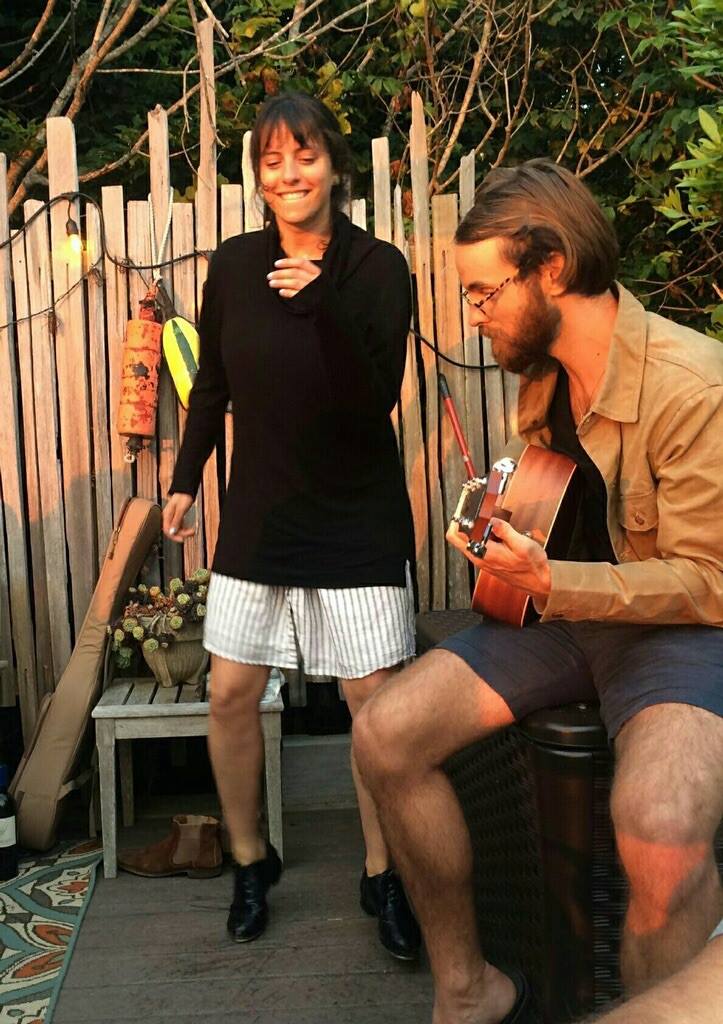
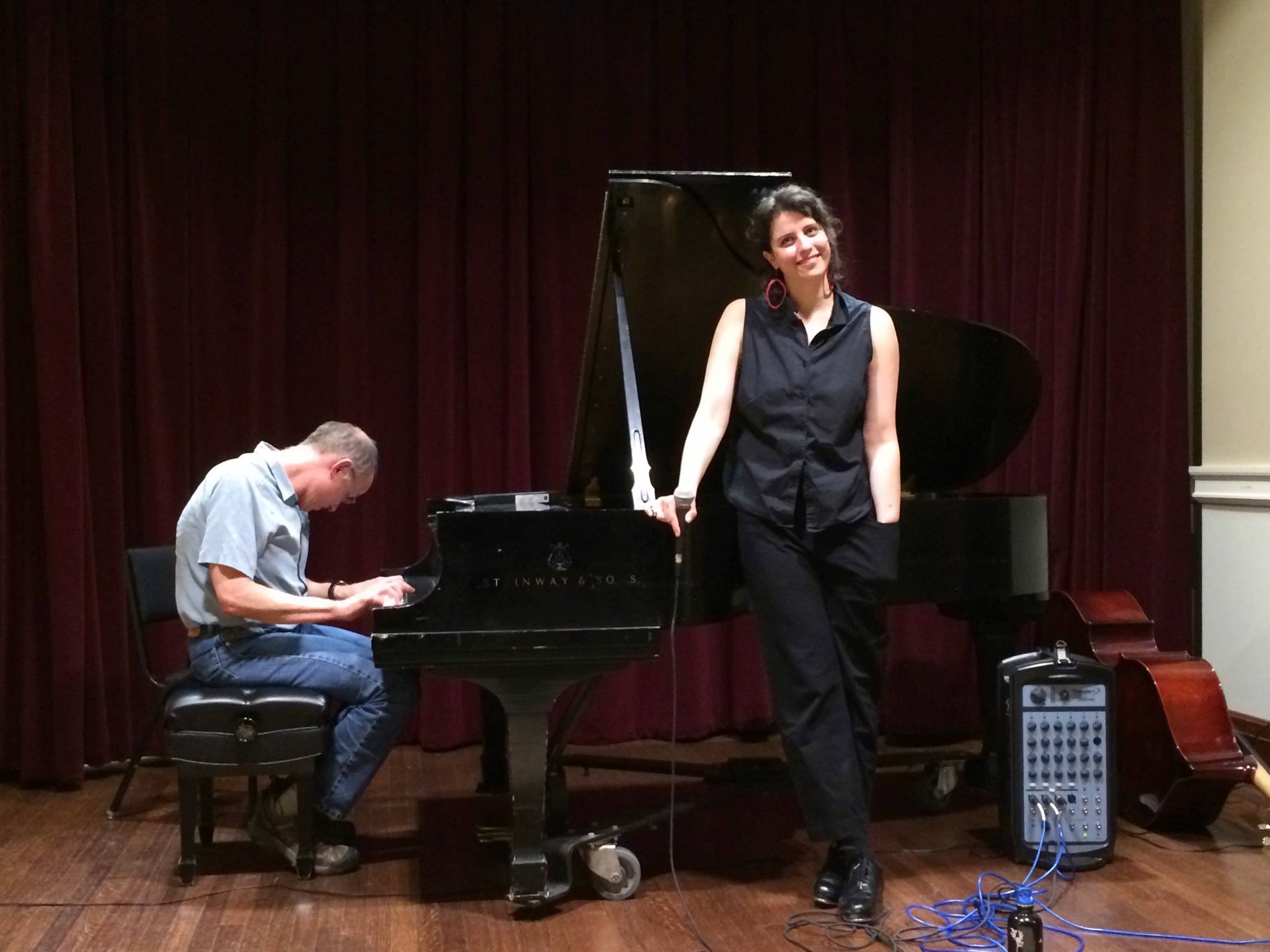
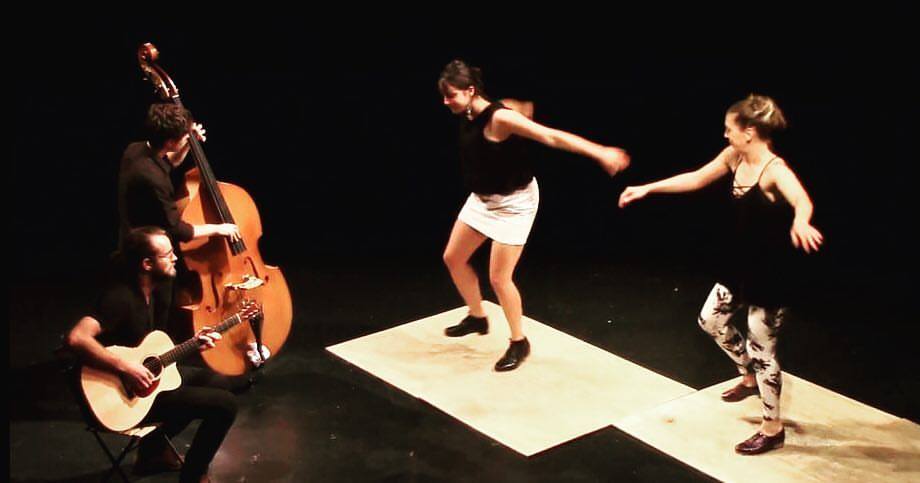
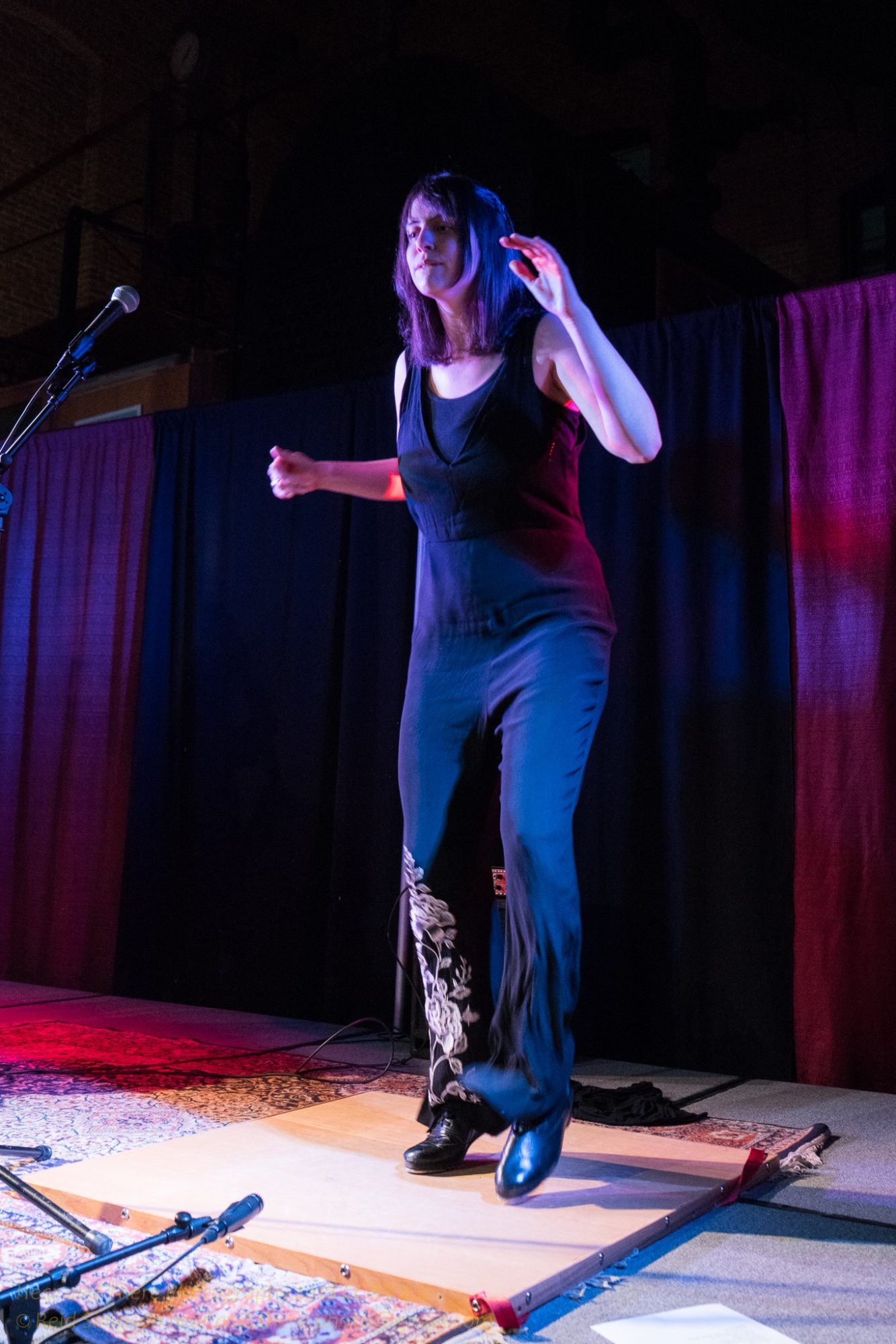
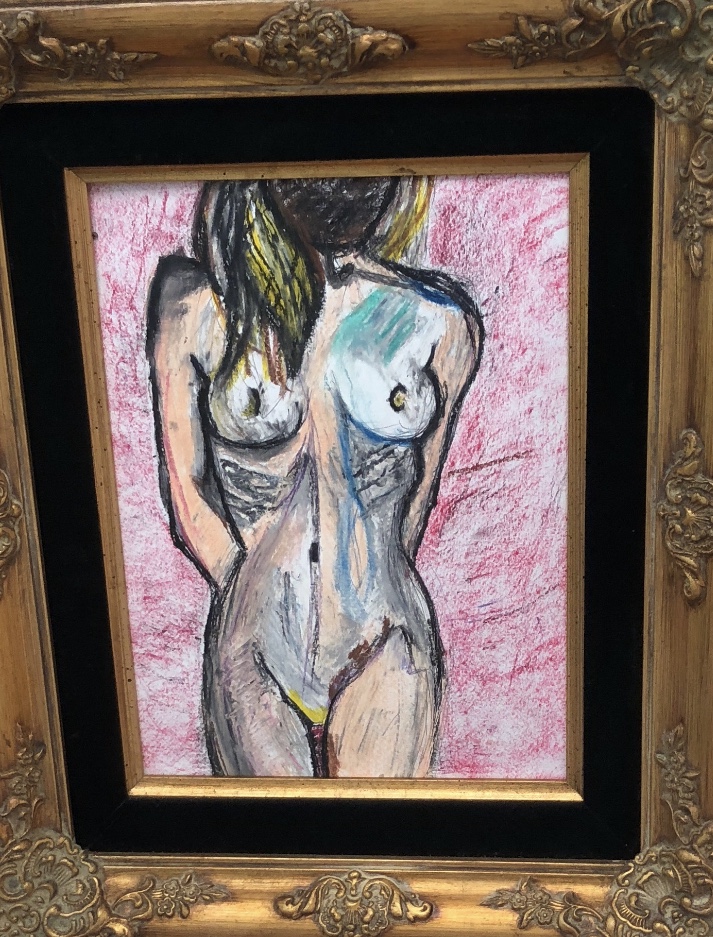
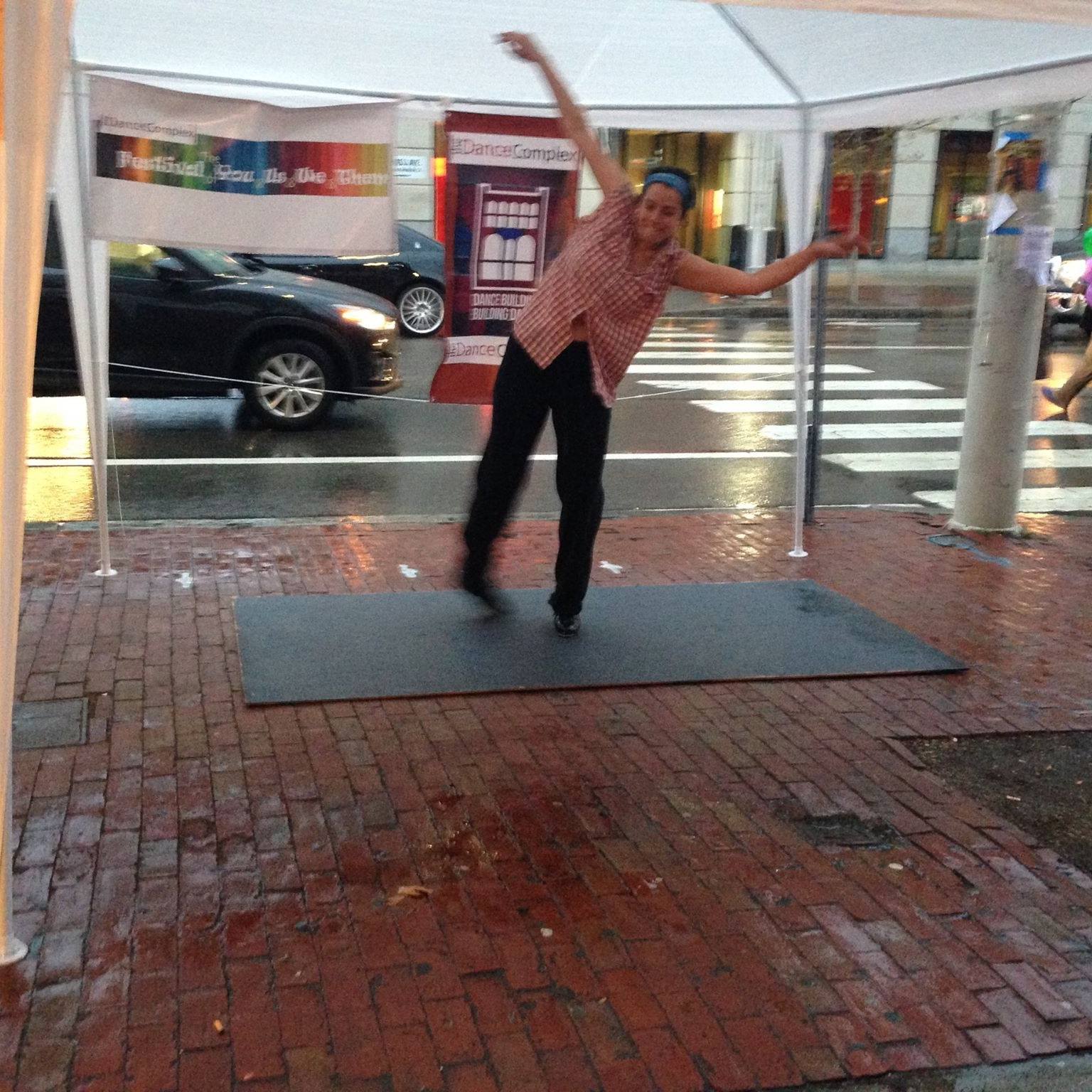
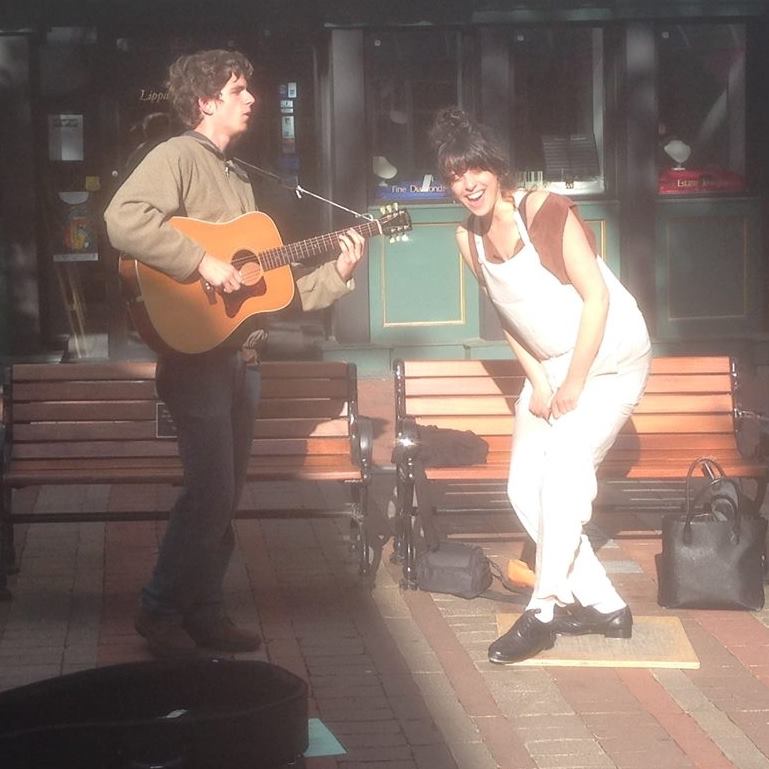
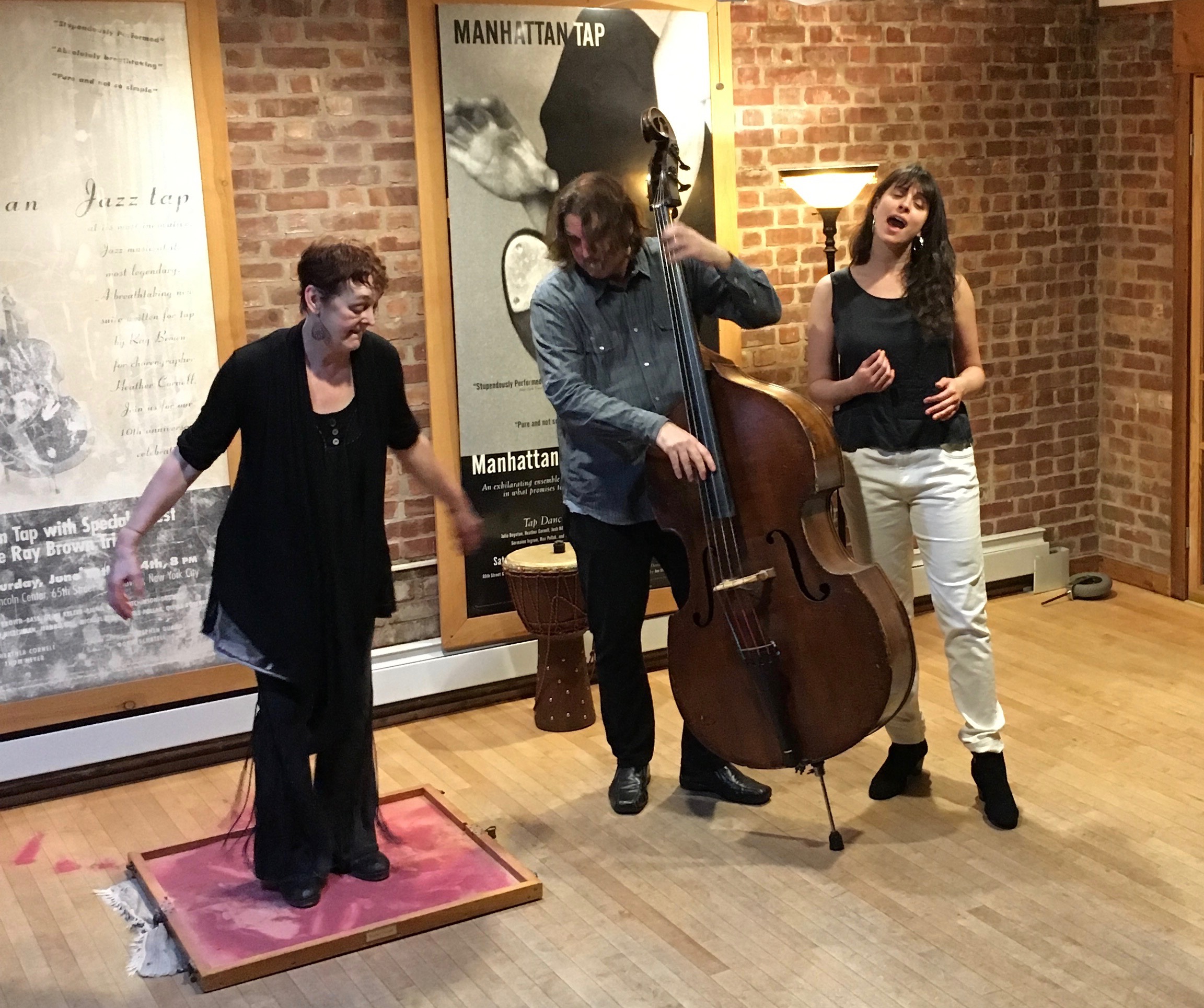 Image Credit:
Raj Zambre, Hear and There Photography
Getting in touch: BostonVoyager is built on recommendations from the community; it’s how we uncover hidden gems, so if you know someone who deserves recognition please let us know here.