


Today we’d like to introduce you to Marsha Nouritza Odabashian.
Can you briefly walk us through your story – how you started and how you got to where you are today. You can include as little or as much detail as you’d like.
One spring morning, when I was three years old, white stars had spilled from the night sky and formed a random constellation of bright colorful stars on the sidewalk in front of my house. I was rapt in wonder by this magical occurrence during the night and was double spellbound when I discovered that an older child had dispersed the gold, silver, blue, green and red foil stars. This early memory is a cornerstone of my curiosity and imagination.
The environment in which I was immersed as a child impacted the aesthetic choices I made throughout my life and continues to emerge consciously and unconsciously in my art. Down the street from where my family and I lived in Boston there was a meadow of wildflowers and grasshoppers. I spent countless days amidst the tall grass with my closest friend exploring beautiful, prickly and camouflaged weeds and insects. Milkweed was one of my favorites, because of the sound of the name and the way the fine silky tendrils would fly out of the pod.
I recall days watching my grandmother and her friends washing, pulling and stitching wool into “yorghun,” a type of winter blanket from the homeland, Western Armenia or current day Turkey. My other grandmother, a gifted storyteller, recounted Aesop’s Fables and spoke of brave women and girls outsmarting perpetrators during the genocide of the Armenians. She had been a fashion designer in Istanbul before she fled and passed her creative flair onto my mother. The sewing room where my mother would design and sew was her haven and where I would sort, match and categorize buttons, zippers, ribbons and fabric by pattern, color, shape, texture and mood. Also, I played in the vegetable, flower and rock gardens, which my father carefully cultivated and always reminded me of “the old country” in a suburb of Boston.
I grew up in two cultures – Armenian and American. Armenian was the language I knew first. English was the language I learned when I began school. For snacks I was given walnuts wrapped in dates instead of packaged cakes and chips. Art and social studies were my favorite subjects, because I was eager to learn about faraway and long ago places and times. As much as I longed to learn about the land of my ancestors, Armenia was never mentioned. Because I was imaginative and loved to draw and paint, I excelled in art. I knew at a young age that I was an artist.
As a third grader, I clearly remember struggling to unsuccessfully draw an imaginary girl from a frontal view in a playground scene. I was exhilarated when realized that by embracing a “mistake,” I could discover something new that would add vitality to a drawing. I was able to draw the girl so that she could simultaneously be seen from a frontal and side view and variations in between.
Music, ballet, girl scouts, camping trips were all a part of my early life. I learned to play the violin well enough to play first violin in a youth orchestra.
Throughout my high school and college years, I drew incessantly from memory, imagination and from real life. I even brought sketchbooks to dark movie theatres so that I could draw the actors on the screen. My years at the University of New Orleans and the University of Wisconsin were critical to developing my drawing and painting skills and learning about art history. During this time I worked on my Bus Stop series, in which I explored cycles of isolation and social gathering revolving in time through drawing, painting and photography.
The allure of the New York art scene led me to the Art Student’s League, where I focused on large-scale figure drawings and discovered the city.
Eventually I returned to Boston where I taught in preschool centers. The wage was barely enough to survive; however the atmosphere of play, exploration and discovery influenced my art process beyond measure. During this time, I enrolled in continuing education courses with Gerry Bergstein. His patience, good humor and never ending support allowed him to overlook the many times I flooded the floor with acrylic paint and water at the Museum School as I drenched enormous canvases to get just the right blurry background for my abstract paintings.
I began graduate school with my Hopscotch series, which investigates the concepts of randomness and chance within a grid and the cycle of beginning, middle and end through children’s games. By the time I received my MFA from the Museum School/Tufts I had completed Celestial Pantomimes, a series of 6’x6’ or larger paintings, which challenge the conventions associated with black velvet paintings by dropping and splashing gesso onto the velvet from the top of a ladder and other heights.
Subsequent series Palimpsests, In the Shade of the Peacock and Half- Perceived: Stalking the Peacock draw upon medieval manuscript iconographic traditions to explore themes of modern and historical identity, dislocation and memory.
More recently EXPUNGE, Reliquaries and drawings, I rely upon ancient, medieval and contemporary sources along with specific materials such as compressed cellulose sponge, onionskin dye and children’s modeling compound and acrylic paint to evoke strength and fragility, destruction and preservation of cultures and identities.
My work has been exhibited in Galatea Fine Art, The Armenian Museum of America and other galleries and museums in Massachusetts, New York, Rhode Island, California, Louisiana and Armenia. It has been and reviewed in Art New England, ArtScope, ArtSlant New York, The Boston Globe, The Providence Journal, and Armenian Art Magazine (published in Yerevan, Armenia).
Currently I am working with onionskin dye, which I will describe in greater depth later in this interview.
Has it been a smooth road? If not, what were some of the struggles along the way? Any advice for other women, particularly young women, who are just starting their journey?
The road has been smooth at times and tumultuous at times. My struggles have been around mostly around having the time, money, and space to create. Finding a way to have money, time and space to create can be extremely frustrating if not agonizing. In my case, I delayed going for a Master of Fine Arts degree out of fear of being in debt and then not having the time to be creative because I would be too busy paying off student loans. Fortunately, I had already received a teaching certificates and a Bachelor’s of Science in Education for Kindergarten through grade 12, which I thought I would never use. However, shortly after receiving an MFA from the Museum School/Tufts, I had a very strong urge to teach art at the elementary school level and found a teaching position, which I loved and found fulfilling until I was able to paint full time. My students were inspiring and I discovered and explored new artistic techniques and materials, that I would not have had the opportunity otherwise. (Three of the bodies of work that I exhibited at Galatea Fine Art in SOWA include materials that I discovered as a result of teaching children. I used Model Magic, wire and paint to create hybrid creatures and plants in “The Exegesis of Frosted Cake” and also in “Reliquaries.” After a long day of teaching, I began doodling with a pen on a compressed cellulose sponge, which expanded into another series, “EXPUNGE.”) My advice is to remember that if the urge to create is strong, then it will find you. At the same time, use every opportunity you have to engage yourself in art.
I have also struggled with the definition and preconceived notion of success imposed upon me by myself and by others. My ideas around success have changed throughout the years. Unlike in many professions, success in art does not always follow a linear progression or timeline, but rather in circles and spirals. For me, success is in the moment that I am creating. My advice is to relinquish rigid preconceived notions of success if they are no longer helpful and to allow yourself to rewrite your definition of success.
I also urge artists to work cooperatively and to form reciprocal friendships with other artists and others through whom each of you can grow. Be kind and help each other to succeed!
We’d love to learn more about your work. What do you do, what do you specialize in, what are you known for, etc. What are you most proud of as a brand, organization or service provider? What sets you apart from others?
I am a painter, and the media that I use are onionskins, dye, acrylic and oil paint, ink and a wide variety of drawing materials. Often, I am asked, “Why onionskins? Painting for me is magical and my earliest experiences with painting involved my mother using onionskins to dye Easter eggs. I was always fascinated that white or brown eggs thrown into a pot and boiled with yellow onionskins would come out bright maroon. I was haunted by the history of the tradition and the ritual.
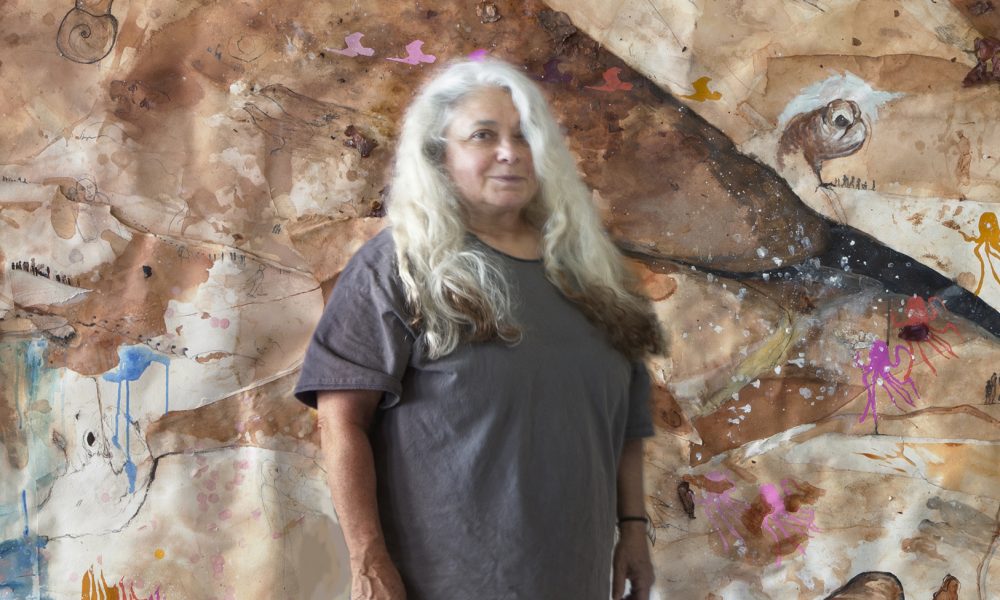
Onions also have a pungent odor, which can be inspiring or off-putting, and the residue when dropped on a surface such as paper or canvas creates a miasma from which hidden narratives can emerge. My work discovers universes of varying degrees of reality and wonder in the stains of onionskins.
First, I boil the onionskins, which disintegrate into solids and liquid colored red, red-orange and maroon. Then I throw, drop, drip and pour the mixture onto canvas, paper and/or compressed cellulose sponge.
When I begin the dying process, I bury the canvas or paper in the onionskins or soak it in the watery dye and let it dry. Some of the onionskin falls off when it dries and some of it sticks. I incorporate imagery into the dried skins and/or residue and vice versa. The onionskins are a means or tool to create imagery and to stir imagination. The imagery and materials used in my work may be interpreted in multiple ways.
Each result is unique, a miasma of layered textures, shapes and stains, which I coax, cajole and tease into plants, animals and humans in varying degrees of hybridity, development and completion. Vignettes of characters placed in isolation or in clusters are often disjointed in relationship to history and location. Indefinable landscape/ interior settings merge and contradict one another harboring hints of secret narratives. I exploit size and scale to invoke uncertainty, absurdity and humor.
Ideas and inspiration comes to me from everywhere: Paleolithic cave paintings, Botticelli, Fra Angelico, T’oros Roslin, Hannah Hock, Leanora Carrington, and Magritte and children’s book illustrations, Maurice Sendak, fairy tales, conversations with friends, the news, and the meadow.
My primary interest is giving prominence to artistic traditions ignored in mainstream culture with a personal emphasis on feminism and my Armenian ancestry. My primary interest in life is to keep on painting!
Which women have inspired you in your life? Why?
I am very fortunate to have been inspired by an extremely long list of women and wish that I could name everyone.
Elaine Spatz Rabinowitz is an artist whose powerful paintings and sculptures have moved me since the early 1980s when I first saw her installation Sudden Difficulties at the ICA in Boston. Since then, I have looked up to her as a superb role model and thoroughly appreciate the encouragement and support she gives me.
I had the good fortune to study with Magdalena Compos-Pons as a graduate student at the Museum School. Her generosity and insightful discussion of my work have had a lasting effect and could only come from as accomplished an artist as Magda. She understands and has helped me overcome some of the challenges facing artists today.
Art history professor at Tufts University Christina Maranci’s sharp intelligence and her exuberant delivery of information on medieval Armenian architecture and art inspires me inordinately. A genuine friend, she has given me the opportunity to transform my fear into adventure by example and by including me on one of her many research voyages to our ancestral homeland.
My mother Zabel Odabashian, named after an Armenian queen remains beyond doubt an unparalleled source of inspiration. Her talent for bringing people together in her warm, “hrametsek” (welcome in Armenian) manner; for her unconditional love I absorbed especially as I busied myself in her sewing room while she, in her own words, “made a dress in a day;” and for the creative atmosphere that surrounded her and allowed me to release magical stories hidden deep in onionskins.
Contact Info:
- Website: www.marshaodabashian.com
- Email: mnodabashian@gmail.com
- Instagram: Marsha Nouritza Odabashian
- Facebook: Marsha Nouritza Odabashian
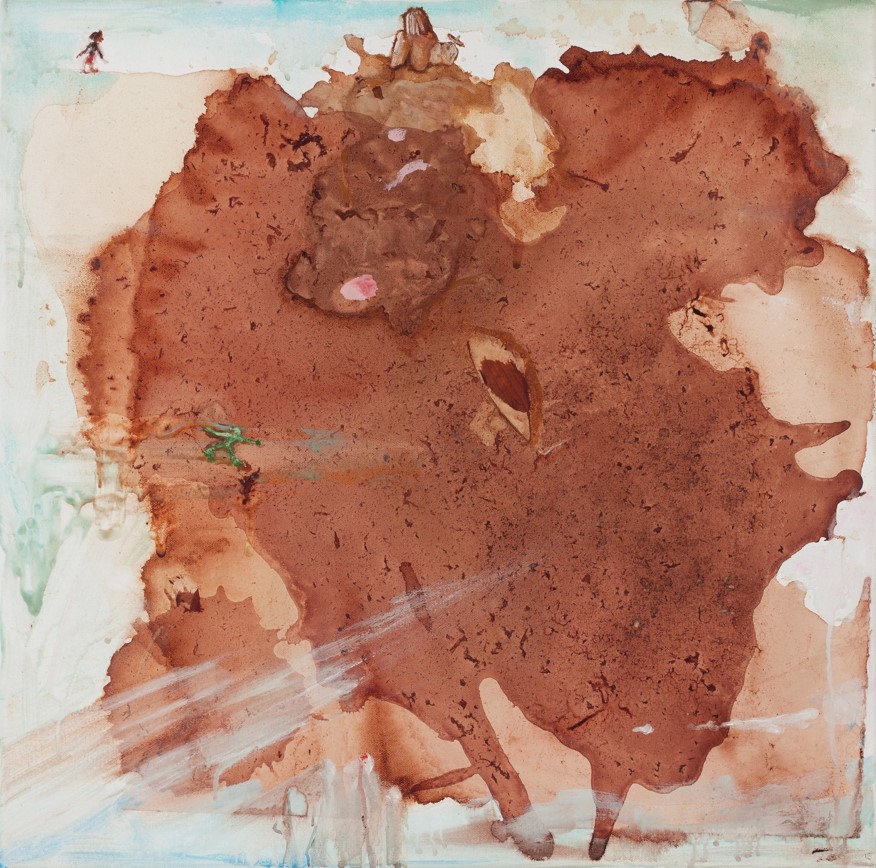
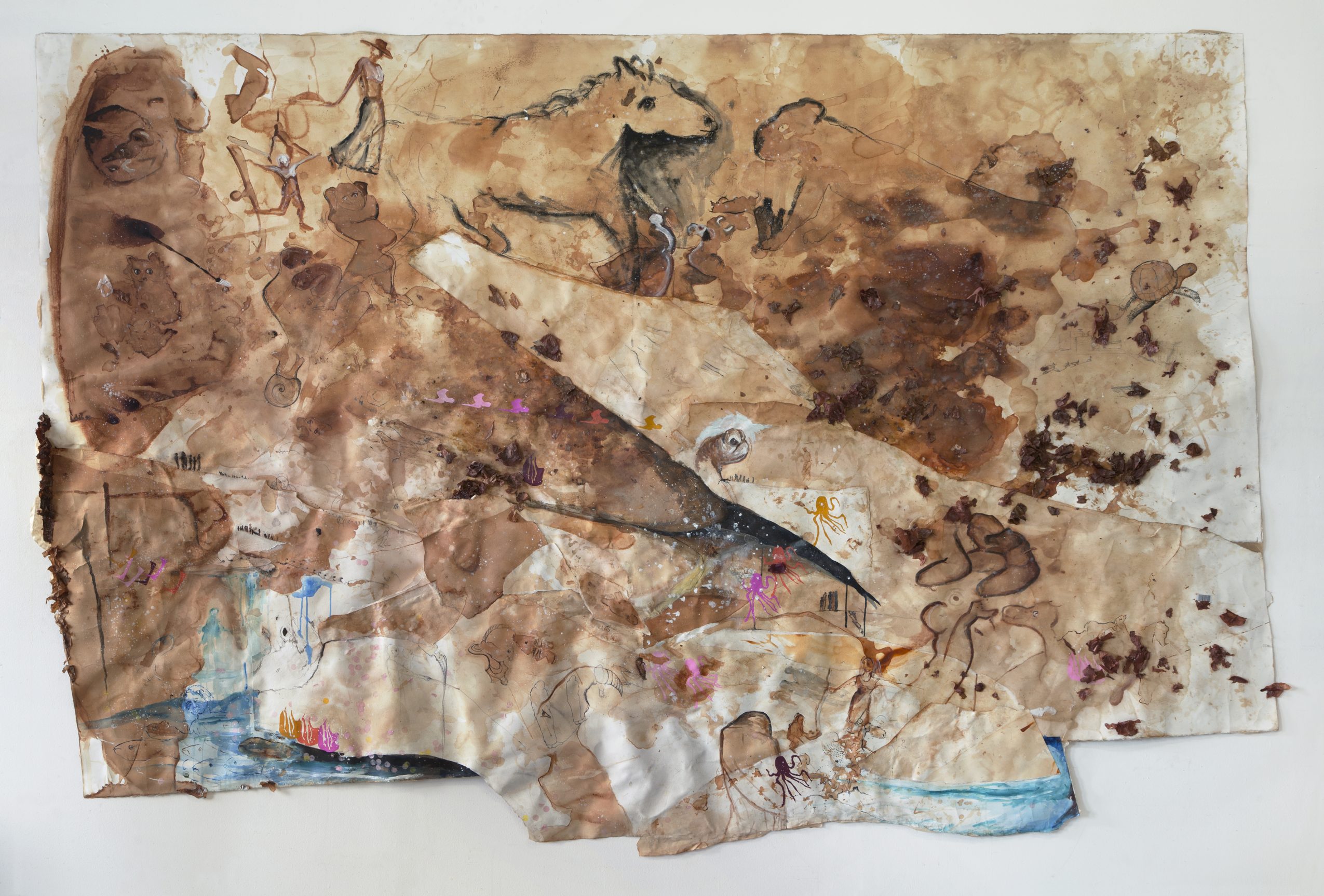
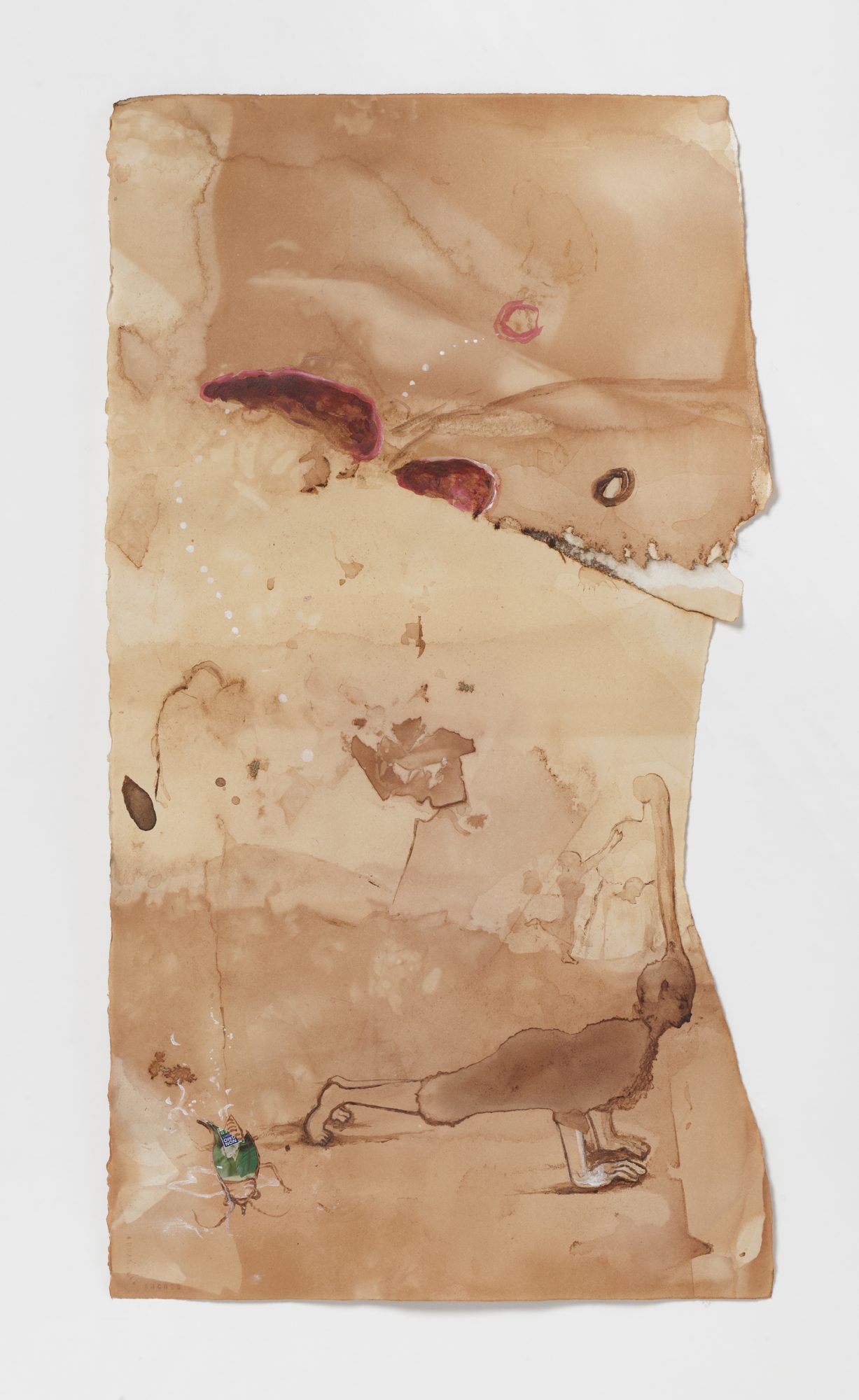
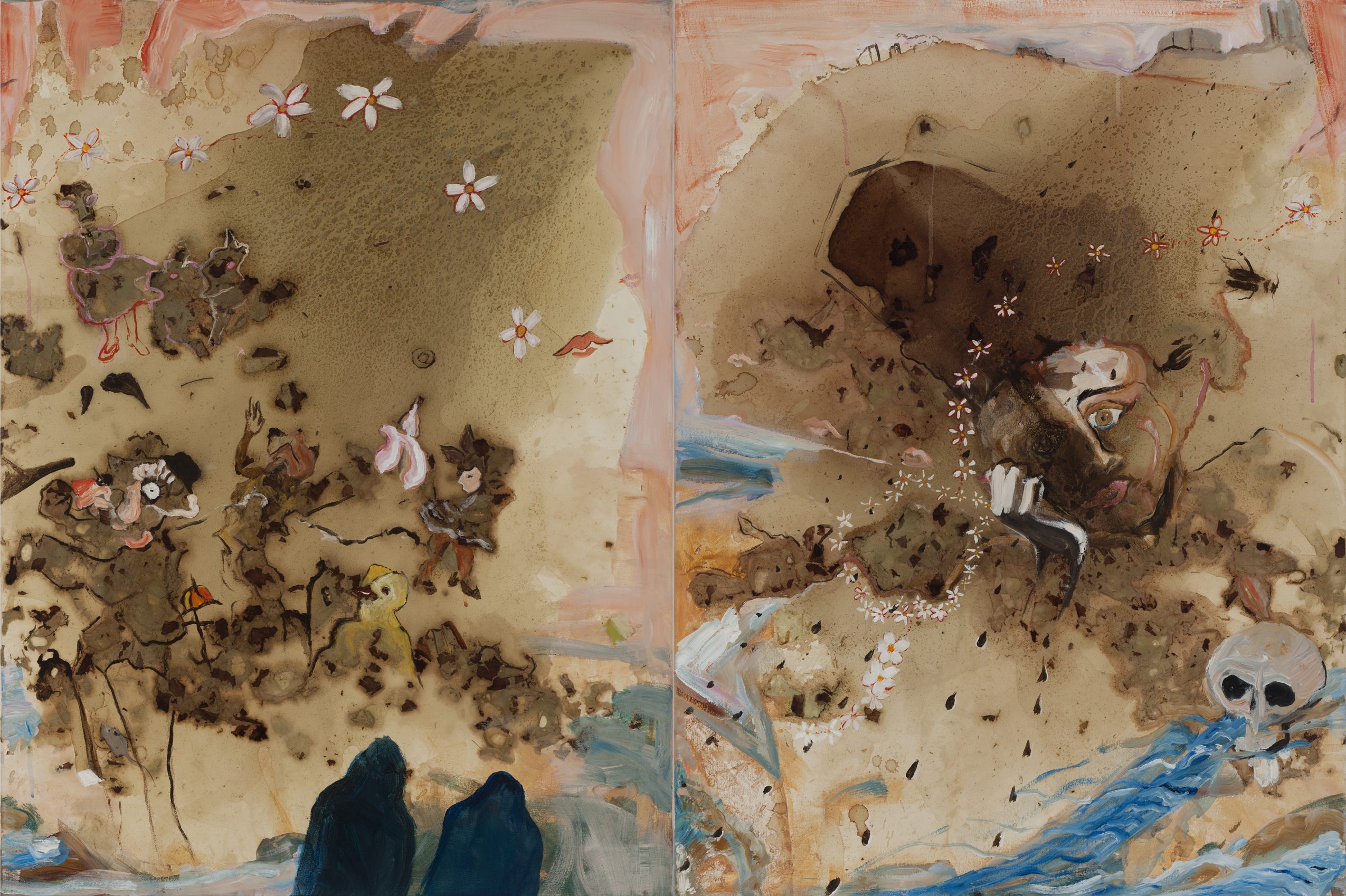
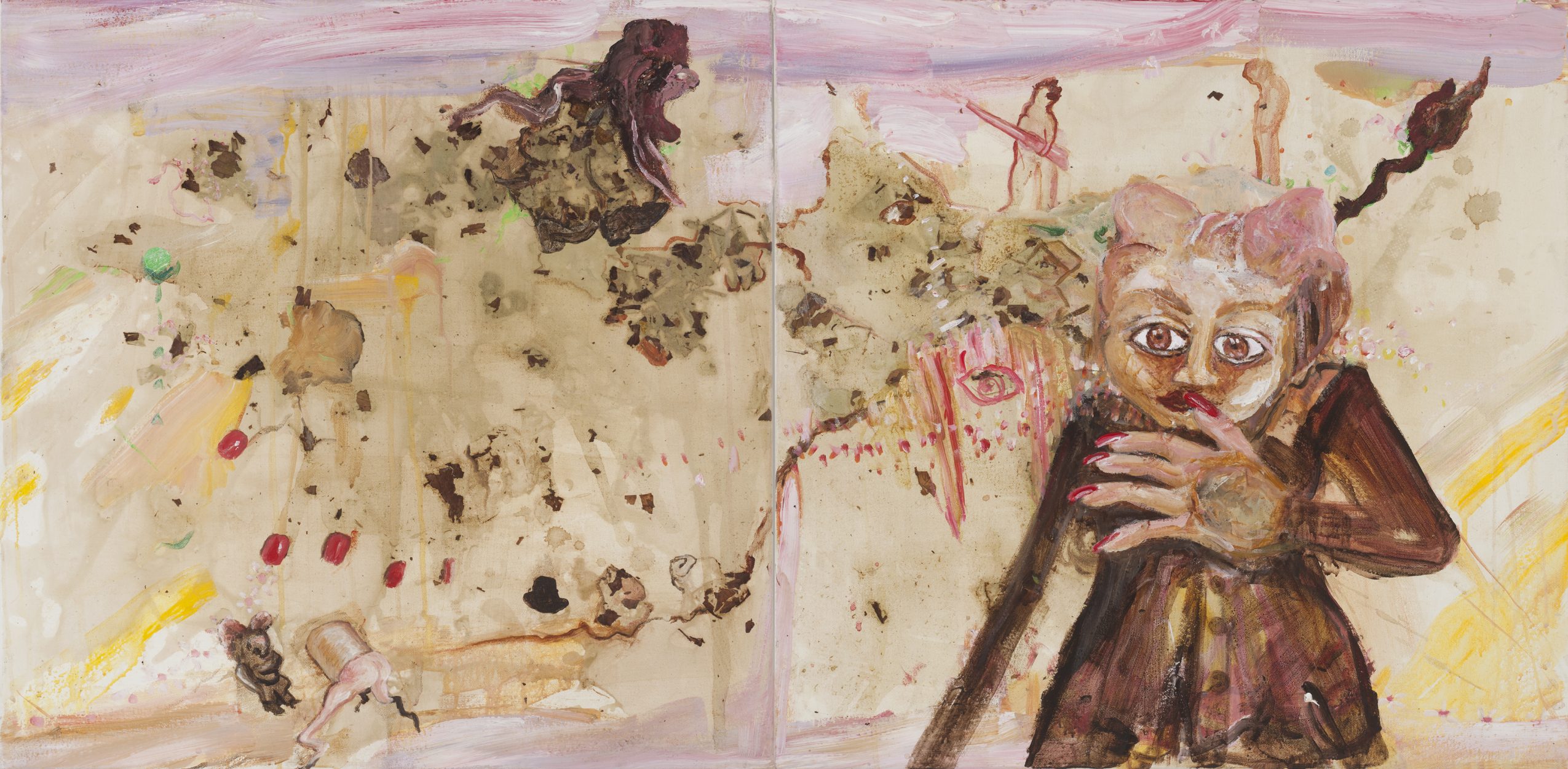
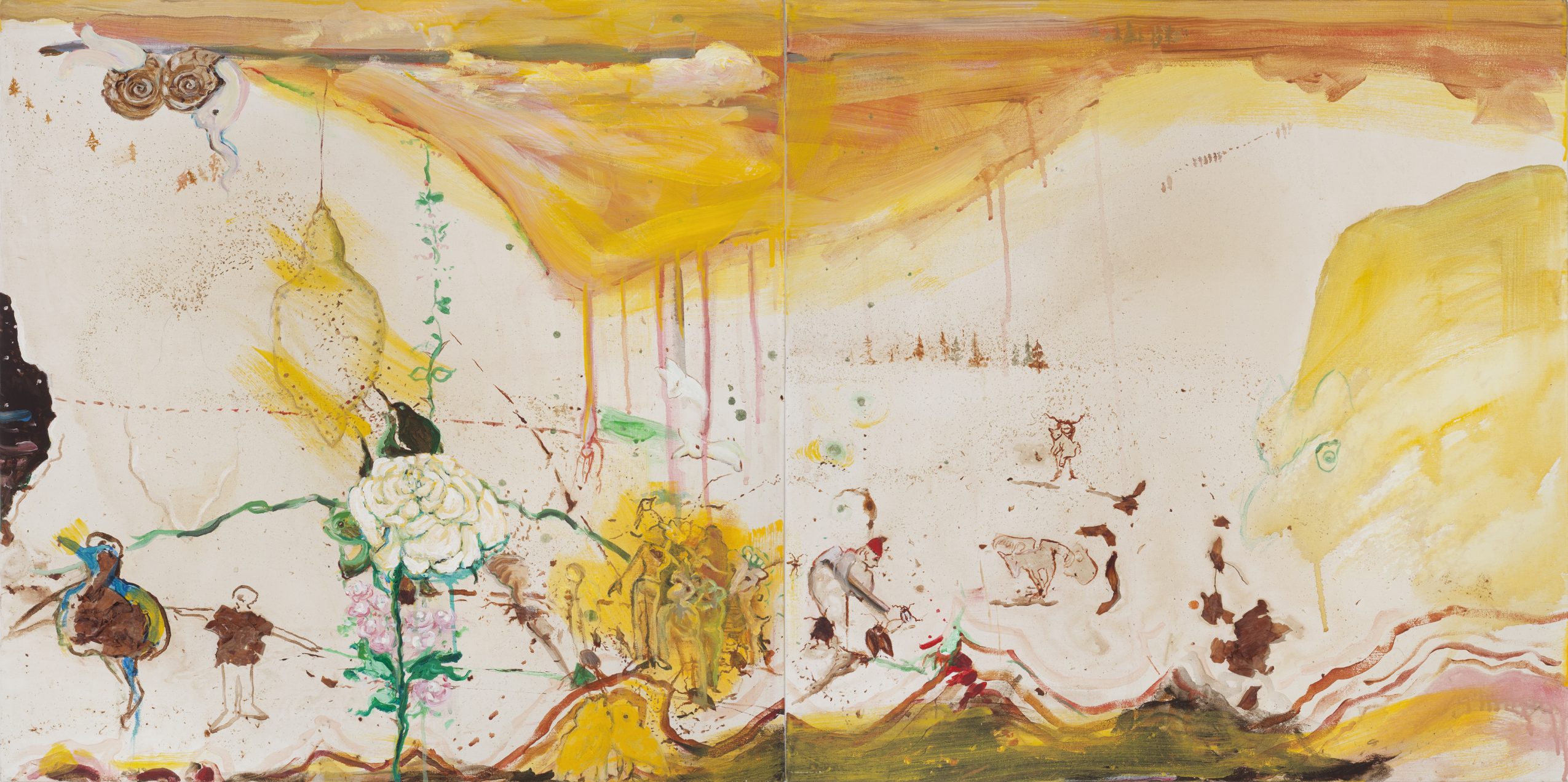
Image Credit:
Will Howcroft
Getting in touch: BostonVoyager is built on recommendations from the community; it’s how we uncover hidden gems, so if you know someone who deserves recognition please let us know here.