


Today we’d like to introduce you to Denn Santoro.
Every artist has a unique story. Can you briefly walk us through yours?
I loved photography from an early age. When I got to High School I joined the yearbook staff as a photographer to learn more. They would hand you a camera and a few rolls of film and say “go shoot”. When you brought them back they would take you into the darkroom and start teaching you developing and printing contact sheets. The photographer who advised the yearbook saw my first contact sheets and said “you have a weird eye. I want to work with you.” It seemed like a good start.
Before college I tried shooting school portraits and a couple of weddings as an assistant. I hated it. So I knew I wasn’t going to make money as a photographer. But I still wanted to develop my art while I did other things for a living. So in college I wangled access to the darkrooms, which were brand new, even though I was not majoring in photography. I learned a lot doing that and auditing art class when I could fit it in. I also went to SMU (now UMass-Dartmouth) and fell in love with the architecture. It is really because of Paul Rudolph’s design of the school that I developed architecture as my principal focus.
I started my own consulting company a couple of years out of college. I was doing policy development for children’s policy and then health care. Then we moved into database development. Basically, everything was centered around my nature as a problem solver. So was my photography. I was traveling a lot with my business and got to shoot a lot of buildings all over the world. I was continuing to develop my style. But I didn’t feel like I fully “had it” until I was nearly 40. Ultimately, I realized that I could look at everything as architecture and you see that even when I shoot performers, portraits, and flowers. Composition and light are essential to how I shoot. Finally, I felt I had it and started showing my work seriously in galleries.
Please tell us about your art.
A lot of what I do is art. Problem solving is a creative process. So my art encompasses a lot and not just my photography.
Primarily I’m a photographer though. I mostly work in projects and series where I take a subject or an idea and work it in various ways. I try and show people the things they see in the world in ways they never saw them before.
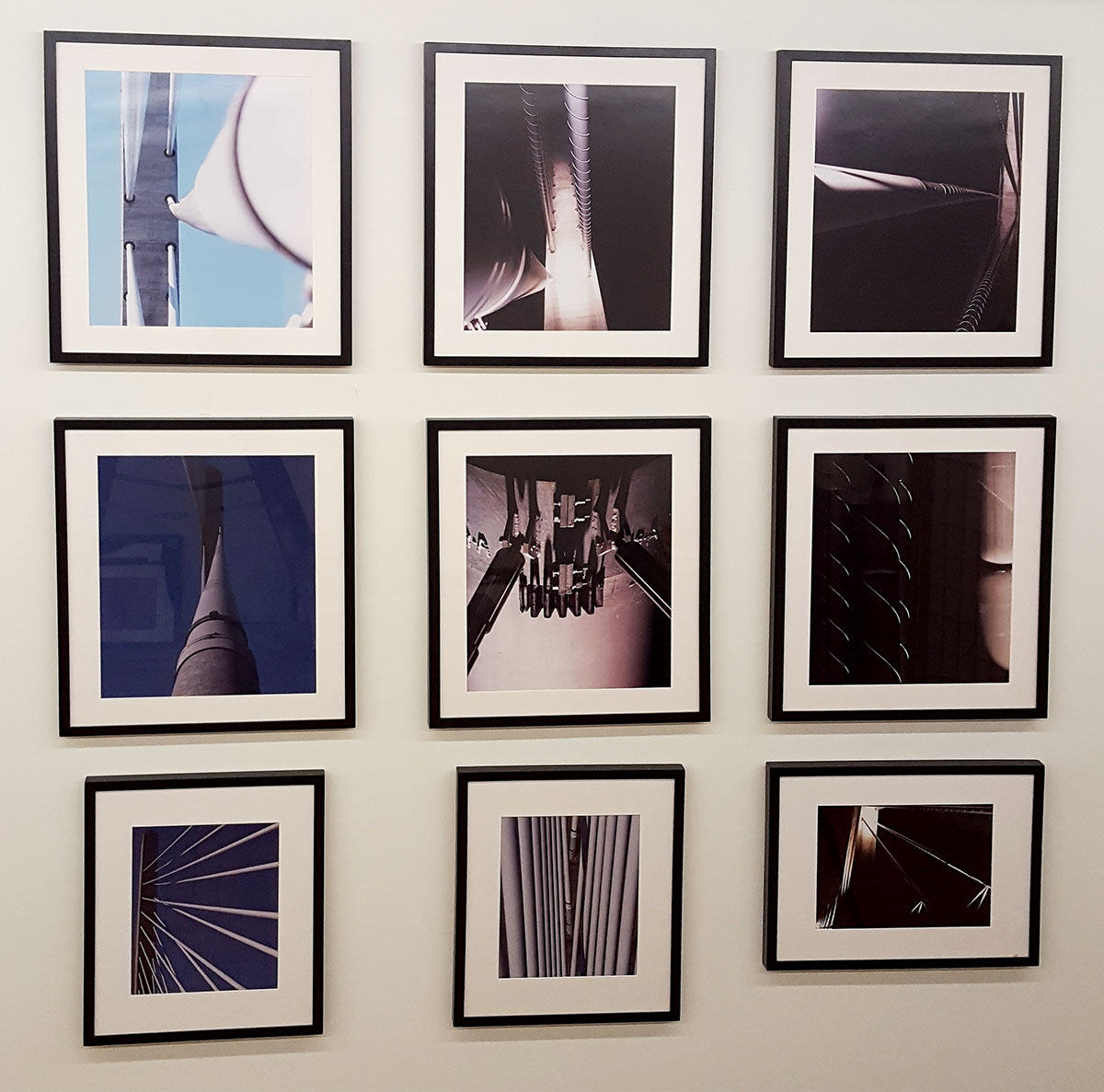
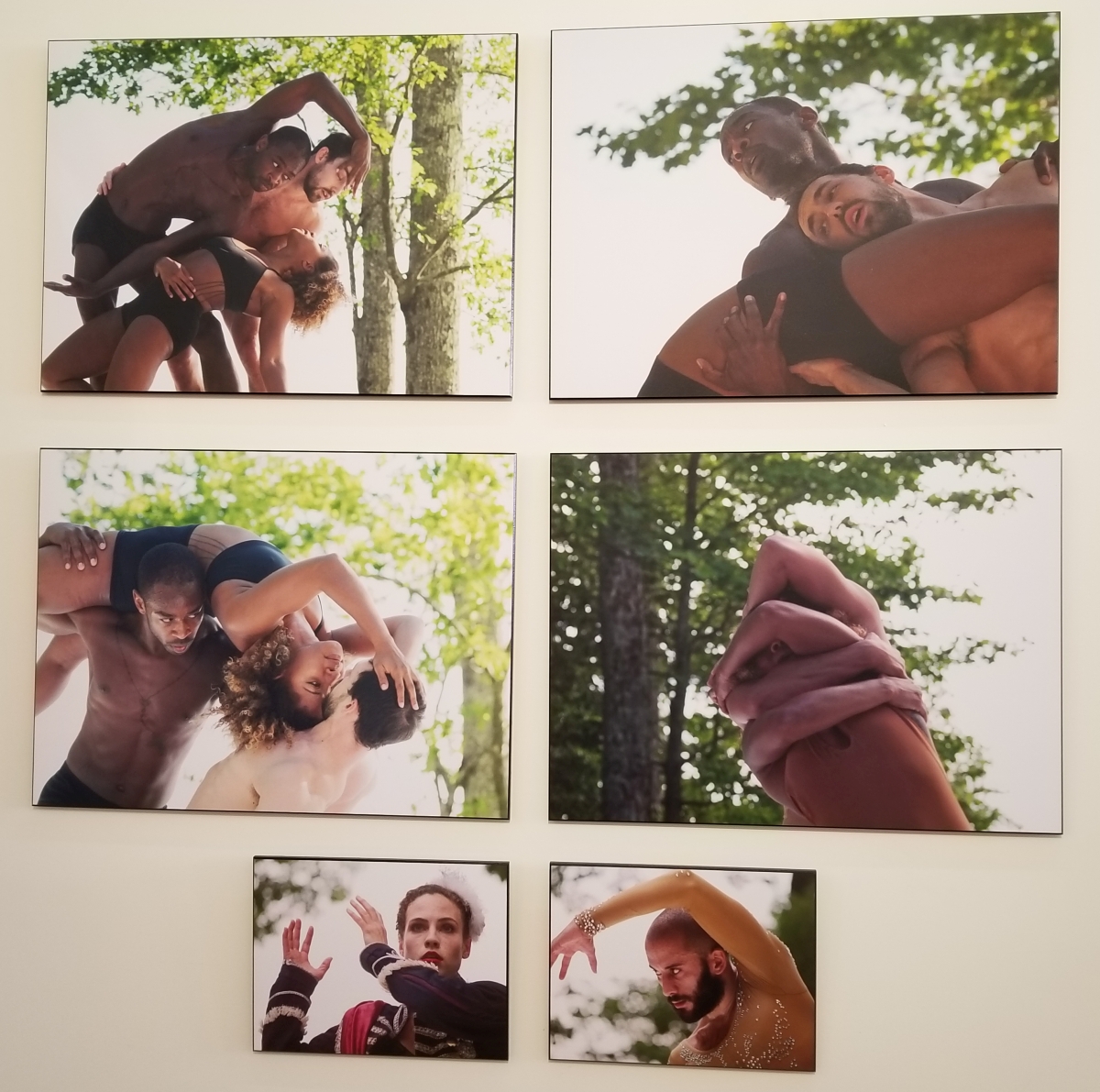
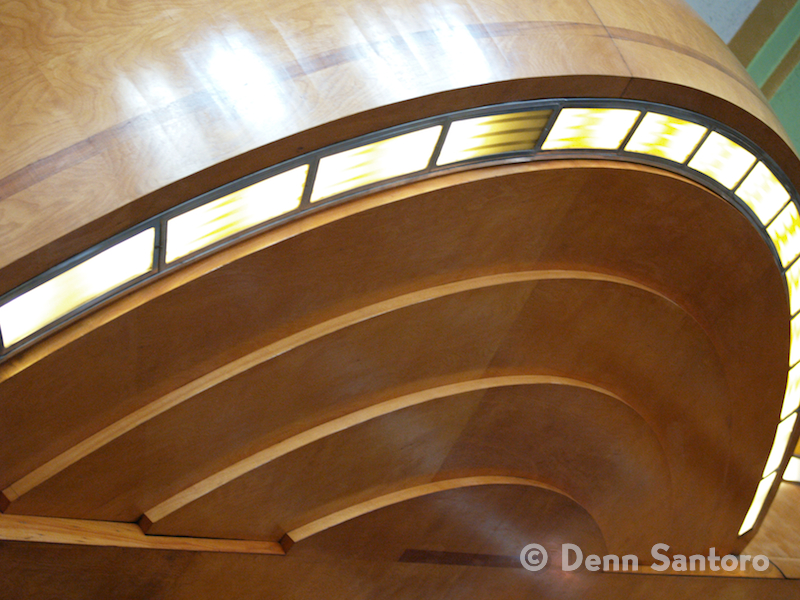
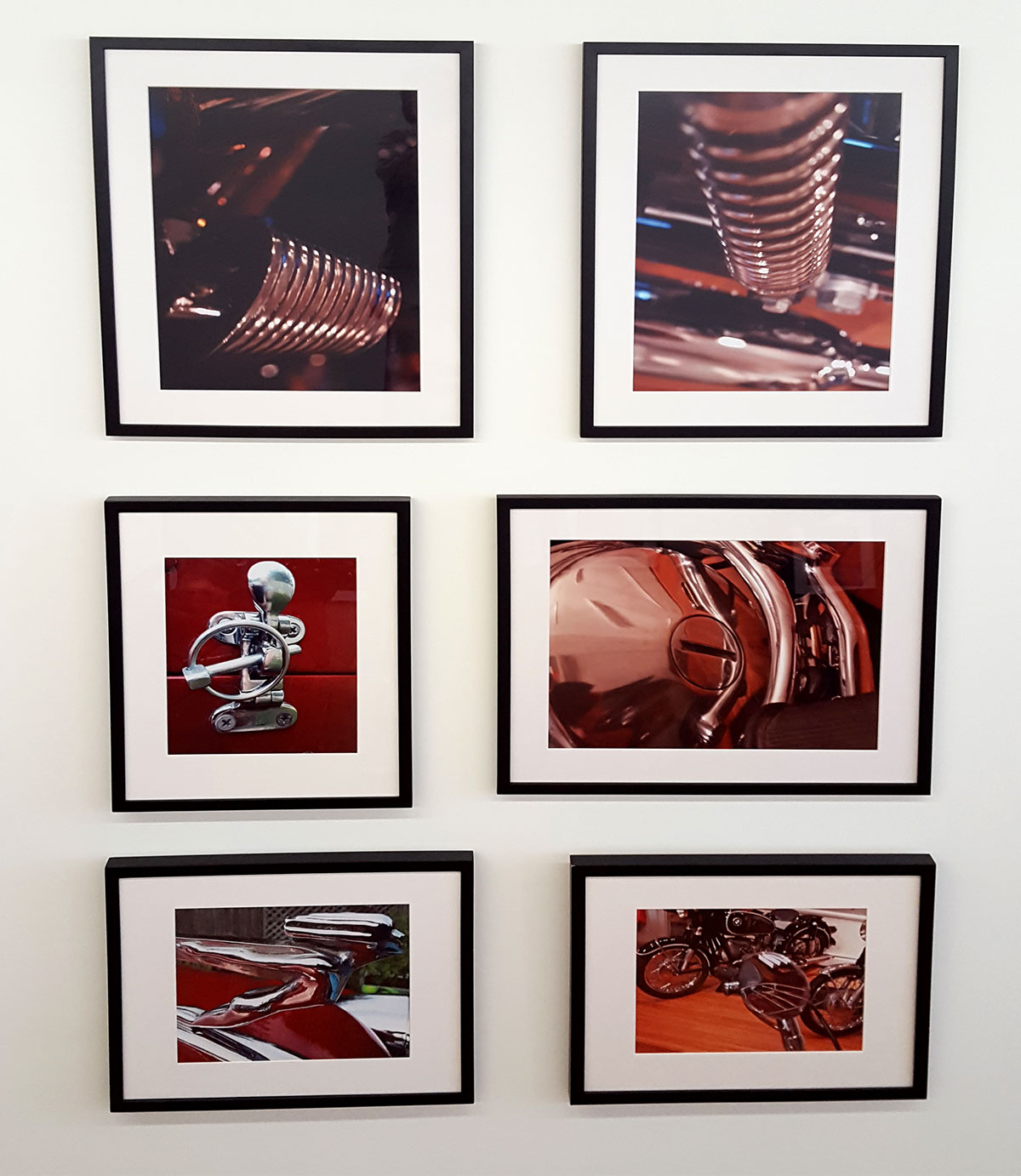
My photos generally concentrate on the interplay of angles and shapes and light. I compose with a point of view that is intended to confound the viewers’ normal perspective and view of the world. I enjoy playing with the viewers’ perceptual tendencies in ways that make them engage with the image as they try to force it into a more usual perceptual framework. I do this in various ways from using radical perspectives, tight and unusual composition, subtle lines that skew the perspective in a way the mind tends to reject and readjust, placing the focus in unexpected places or the simple inclusion of odd detail. I often create photos that are an abstraction of the subject such that it is hard to recognize at first or at all. The viewer, offered a perspective they would be unlikely to see in everyday experience, should engage with the subjects of the work and, hopefully, see them in a new way. I try and make my work visually interesting and perceptually difficult.
For example, one of my large, ongoing projects is the Museum Pieces project. Humans spend a ton of money building these amazing museum buildings to house art. People go, they look at the art and they don’t notice the building. So I have been working with museums to shoot their buildings as art objects. I shoot details. Angles. Views you may not ever put together. I play with perspective. I help you see the architecture and the beauty in the building too.
I do almost all my composition in-camera. I rarely crop my photos nor do I modify them in any other way from the actual result of what the camera captured. No digital or other manipulation is involved. The prints are actual photo prints (silver halide type processing C-prints), not digital prints. I think the saturation of color and, as you get bigger, the increasing detail until you begin to see grain is not something reproducible in digital prints, despite the improvements in the tech.
I’m a very political person. I’ve worked in politics. But these days, I do my political activism in the local and regional economy. Some of my art work is political. But mostly I want to make you see and think about other things for the time you are spending contemplating my work. We all need a break now and then, to just enjoy something that isn’t going to upset us or mess with our day but may add a new perspective to our life.
As an artist, how do you define success and what quality or characteristic do you feel is essential to success as an artist?
Success is creating what you are trying to create. In my mind I see the image I want to end up with. If I can find it in the camera and produce it in the print then I have succeeded. I think having that vision is essential. For a photographer, it is also having an eye. Being able to see things and compose them so that others see what I see. I need to invite you into my mind by putting it on the paper the photo is printed on or the image you see on the screen. With cell phones now, everyone thinks they are a photographer. But there is a difference between a snap shot and fine art photos.
I think artists have to take a lot of control of their careers now. They really need to know more about business and how not to be taken advantage of as artists. No showing for “exposure” since you can’t pay for anything with exposure. In fact I’m working with the New Bedford Art Museum and the Co Creative space on some workshops for artists about that. We’re also working on workshops to help the public learn that art isn’t scary and collecting art is fun and isn’t just a pastime for rich people. Art is more affordable than people think. Maybe a couple spent $100 going out to eat. They could have easily bought some art for that money. Plus you get to keep it and enjoy it every day, not just last night. We want to help people understand that if creatives don’t earn a living they can’t create.
How or where can people see your work? How can people support your work?
You can see and buy a lot of my work at our Gallery, S&G Project Gallery. You can see some online at my web site. I do post some on Instagram and Facebook too but that is more me having fun or doing advertising so it isn’t necessarily the same. Also on social media my cats are stars! The work still retains my style though.
I’m also in public collections at the South Coast Hospital’s St. Luke’s Hospital and in the Bristol County Savings Bank collection in the Candleworks Building in New Bedford. I’m in a lot of private collections too but you’ll have to know those people to see that work.
My partner Helen and I also opened a Gallery; the S&G Project Gallery in New Bedford. I was frustrated by not being able to show enough of my work in a particular project for people to get what I was doing. I talked to other artists who had the same issue. So in our gallery I get to show significant parts of some of my projects, Helen does too.
Our Gallery’s shows present a single project by another artist as the focal point for the month or so that their show is up. It is a big space so we can do some amazing things. We have shown Projects like Kim Gatesman’s Electrostatic Prints, a process she invented. We showed the Biorythms Project by Brooke Mullins Doherty which was an assignment she gave herself to make a print every week to keep herself creating. We showed 4 years’ worth of it. 208 prints in a huge grid about 40’w x 12’ h and a hanging sculpture she made in response to her own prints. We showed Kate Rego’s Labia Series which was a group of sculptures which talked about women’s body image and women’s stories. It is always fascinating to see the artist look at all the work displayed in one place, together for the first time. They get excited and so does the public.
I have also added an art brokerage to our gallery to further the goal of getting local artists work into local collections. We work with individuals and businesses to find great local art for their homes and offices. We can do the hard work of finding the right work to fit your style, the sort of work you like etc. We can curate it for you. We arrange the framing and hanging. We make it easy and local artists and local businesses make money and get to go on and create more. You can read more about that at the S&G Project Gallery web site.
I also still work in consulting. We also opened a company that does web sites and online advertising. Solving those sorts of problems is art too and can be fun.
Contact Info:
- Address: S&G Project Gallery
88 Hatch St. Rm 306a
New Bedford, Ma 02745 - Website: http://dennsantorophoto.com/index.html
- Phone: 774 279-2606
- Email: contact@sandgprojectgallery.com
- Instagram: https://www.instagram.com/dennsantoro/
- Facebook: https://www.facebook.com/DennSantoro
- Other: http://sandgprojectgallery.com
Failure to Launch
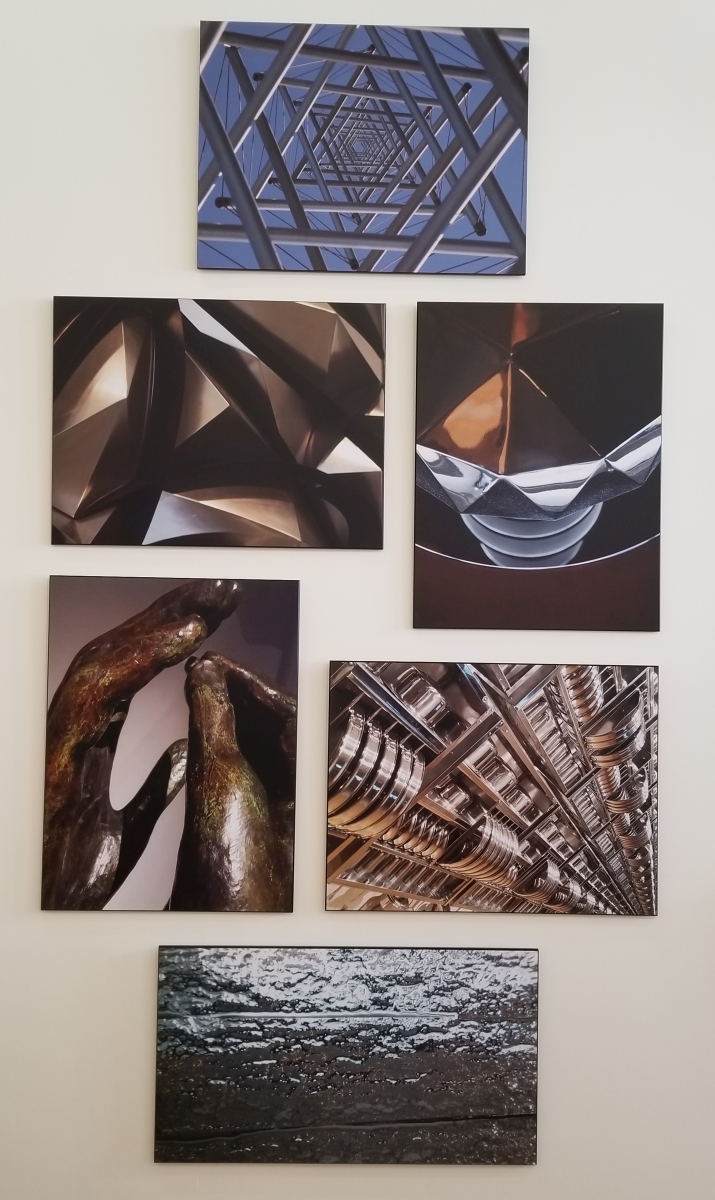
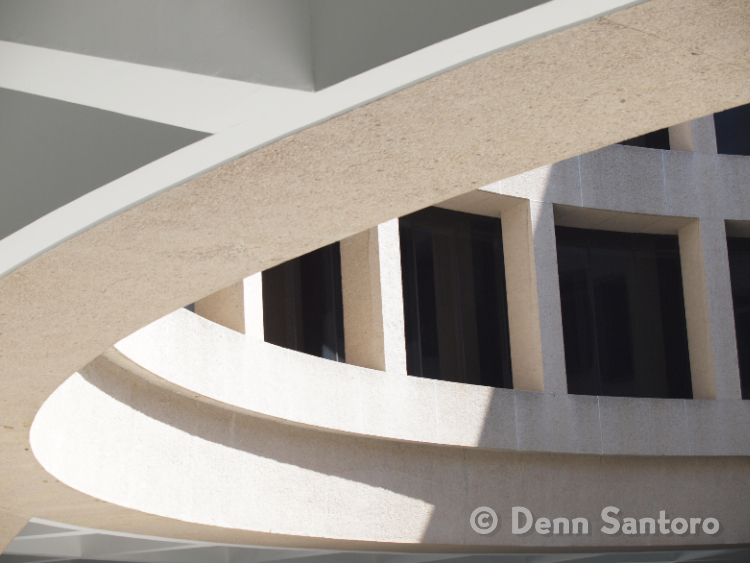
Support of the Art #1
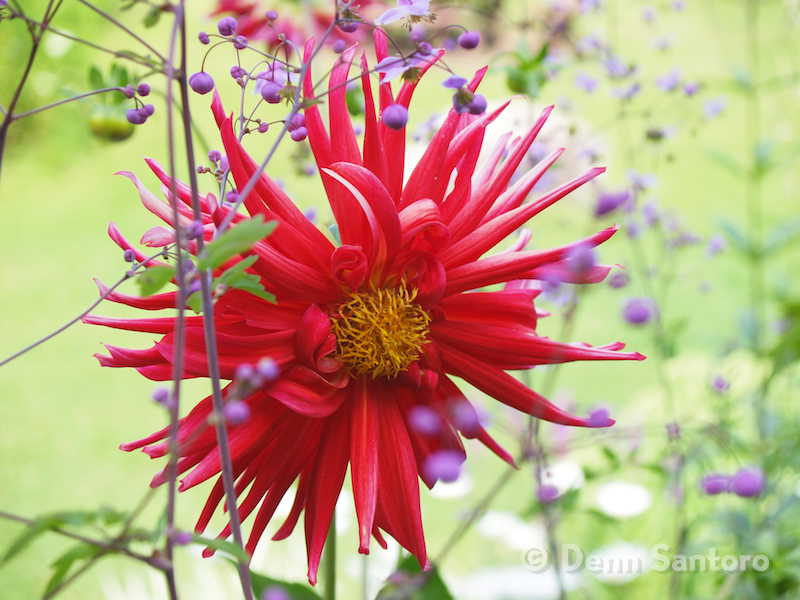
Surrounded #2
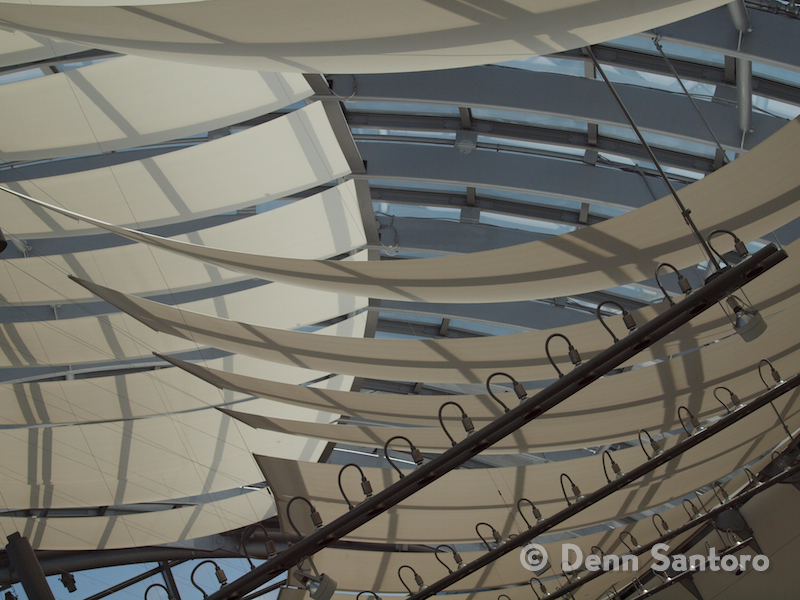
Unfurled #2
Image Credit:
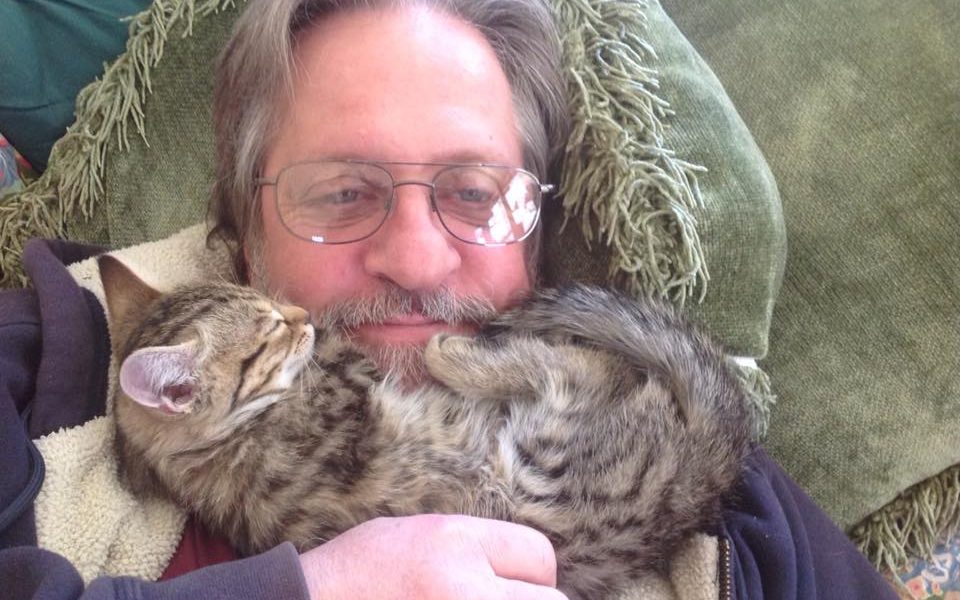
Image of me with Chester Photo by Helen Granger
All other photos by Denn Santoro
Getting in touch: BostonVoyager is built on recommendations from the community; it’s how we uncover hidden gems, so if you know someone who deserves recognition please let us know here.