

Today we’d like to introduce you to Rhianon Gutierrez.
Rhianon, please share your story with us. How did you get to where you are today?
I am a lifelong learner. I’ve leaned towards collaborative professions where I can learn within a community and create something in service to an audience.
I began as a filmmaker. In this profession, you’re told that you start at the bottom of the food chain as a production assistant then work your way up. I decided that was not the path I wanted to take. I wrote my own stories, raised my own funds, and got my friends together and paid and fed them. I wanted my films to have an impact, so I was intentional about the kinds of characters I wrote, how I cast them, and the crew members that I employed. Two films in particular employed a cast and crew of people with disabilities. I organized gatherings and screened at festivals where my cast and crew could talk critically about issues within the films and the process of making the films.
Along the way, I discovered that I loved teaching young people about film. When I started teaching, I felt like I had to hustle to catch up to other educators who had far more experience and credentials. So, I put myself in the position of being a learner first and educator second. Educators should be lifelong learners. The education landscape has been shifting over the years to push educators to be designers, facilitators, and collaborators and not sages on the stage. This shift has given me the confidence to move forward with trying new things and asking big, tough questions.
At present, I work in the technology department in the Boston Public Schools, modeling inclusive uses of technology in partnership with educators, district leadership, and community partners. I also do independent work as a consultant in inclusive design – design that aims to include the widest spectrum of users. My consulting work has emerged out of my lived experiences as a person with a disability. As someone who lip reads and hears with the assistance of a cochlear implant, I have to look at both the small details and the bigger picture. I see opportunities to improve the details of design features in public places such as a handle instead of a knob on a door and wayfinding in a museum, or bigger experiences like the pacing and structure of guided tours and online courses. I engage a spectrum of physically and cognitively diverse people to shape these design features and experiences.
Overall, has it been relatively smooth? If not, what were some of the struggles along the way?
There is no roadmap for how your career will go, even if people try to tell you how it should go. As a person with many interests, it can be easy to overemphasize some over others because of the social pressure of showing your capabilities in one thing. I’ve reminded myself over the years that I, and others, can and should be more complex and interesting than any single job or career that we may be privileged to have.
Please tell us about Rhianon Gutierrez.
I work to create a world that is more inclusive and adaptable to our changing needs. For example, I have worked with individuals and institutions to ensure that captioning is available across multiple media such as film, theatre, and internet streaming. I see challenges like this as opportunities to learn from others about the work that they do and model more inclusive practices for them.
The way things are designed can fundamentally alter how you learn and participate in a public place or a conversation. My experiences as a person who hears with the support of technology has shaped how I view the world and design with communities. I’ve had to adapt to restrictions in my environment, but I’ve also been part of changing some design features around light, acoustics, and technology use. It’s less about what I need and more about an environment that I want others to feel welcome in. I’m excited to collaborate with others to design the communities they want to create.
If you had to go back in time and start over, would you have done anything differently?
There’s a TED Talk by Aimee Mullins called “The Opportunity of Adversity.” She acknowledged something that I had long felt to be true: that there is opportunity in having a disability and that it is not something to overcome. We dance, shove aside, walk around, and embrace it. If someone were to offer me a pill to make my hearing better, I would not take it. Who I am as a listener, learner, and storyteller is because of my experiences. I work everyday to share the message that we all have a story to tell and that we can use these stories to design better places to live, work, learn, and play in.
Contact Info:
- Website: www.rhianongutierrez.com
- Twitter: @RhianonElan
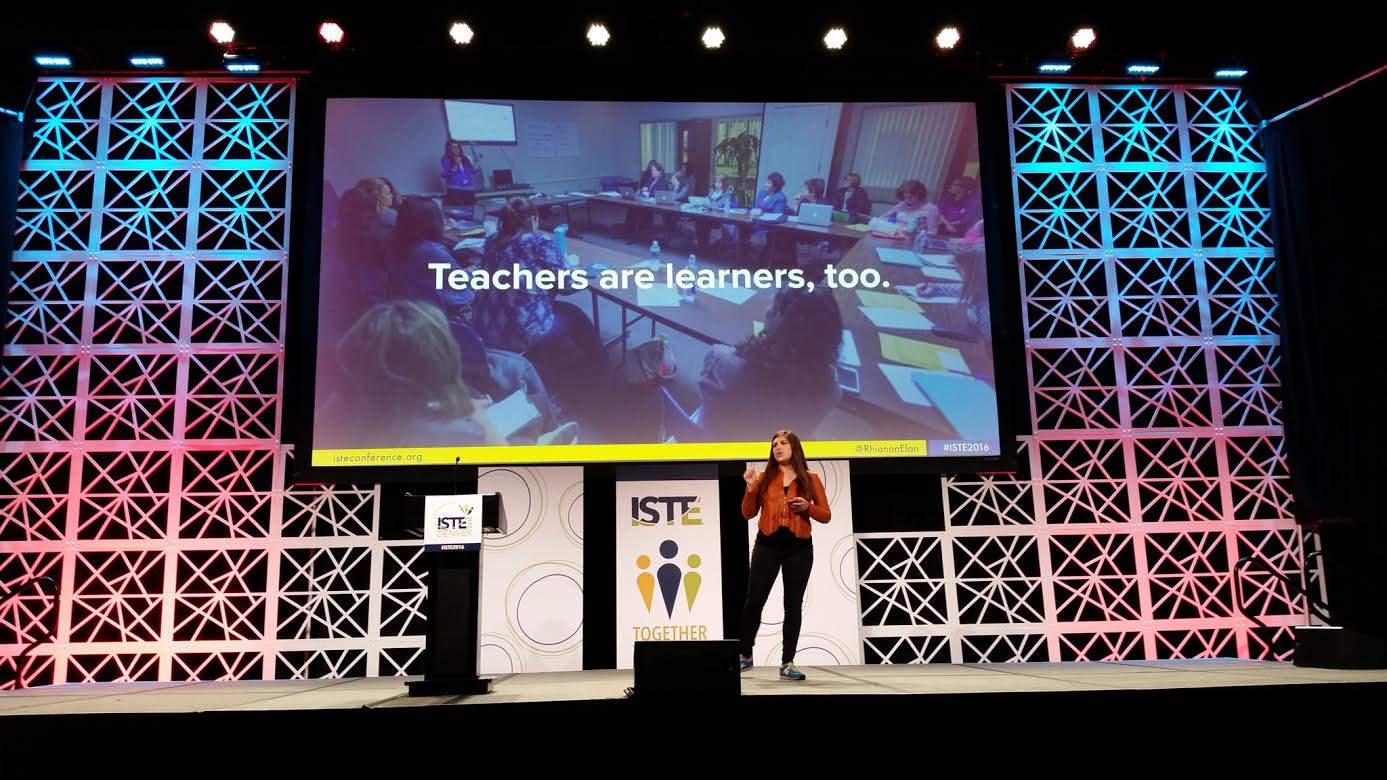
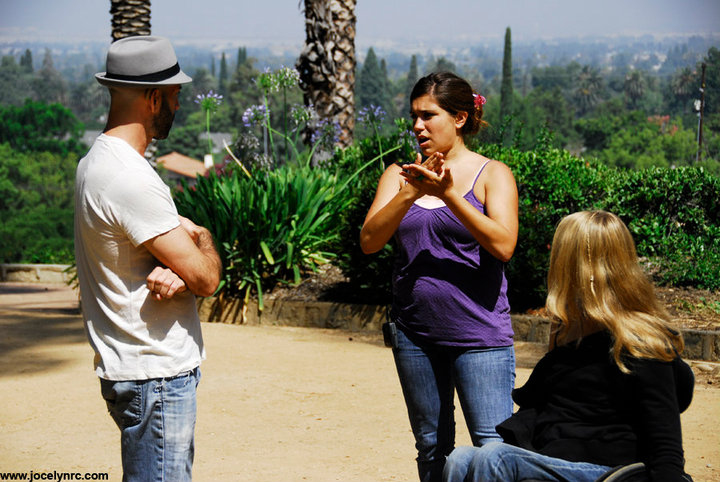
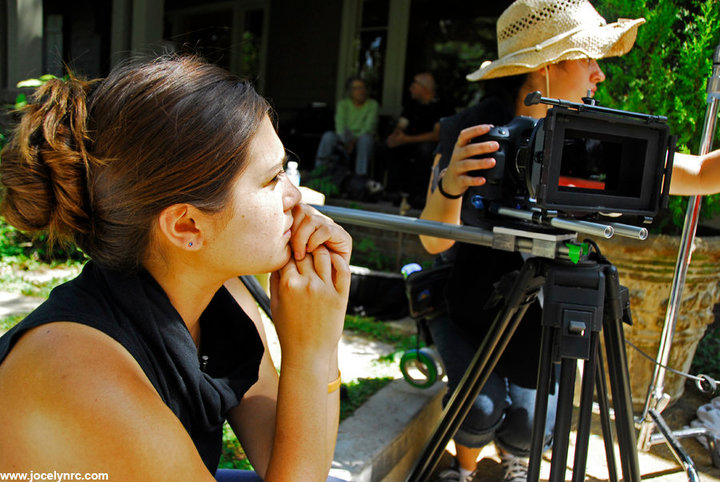
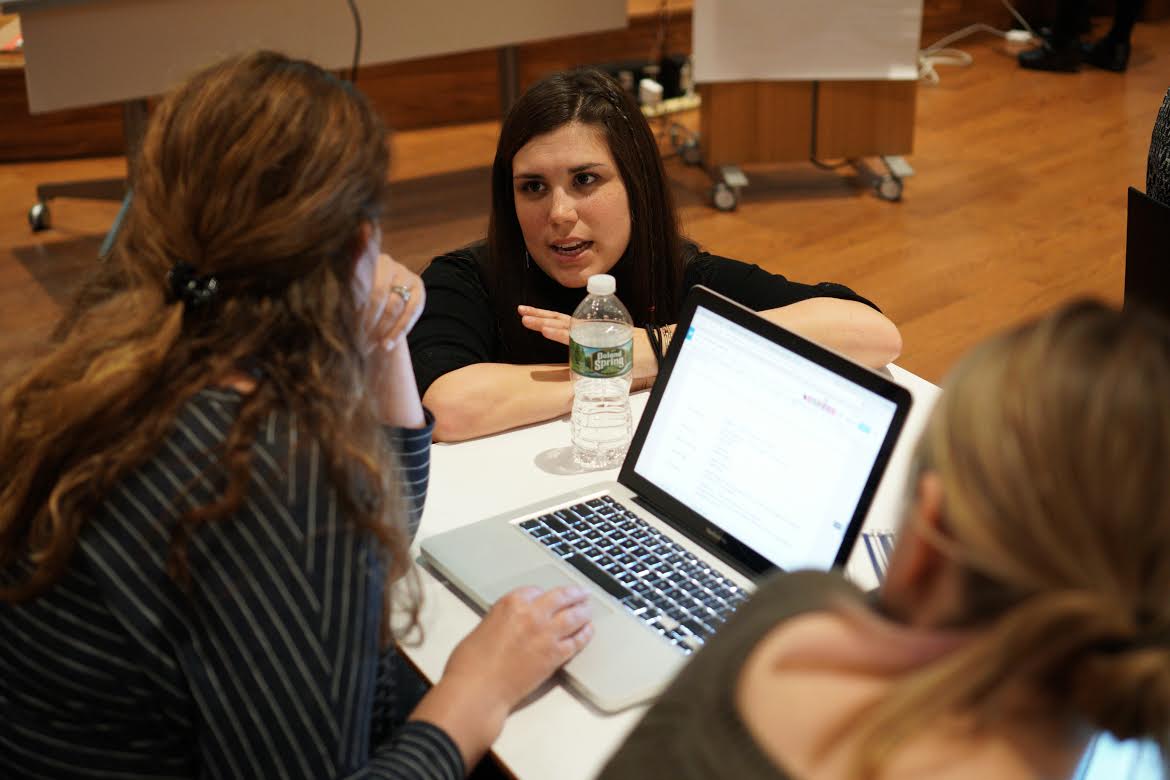
Image Credit:
Jacqueline Prester, Jocelyn RC, Mark Pijanowski, Ray Gutierrez
Getting in touch: BostonVoyager is built on recommendations from the community; it’s how we uncover hidden gems, so if you know someone who deserves recognition please let us know here.