




Today we’d like to introduce you to Colleen Loveless and Ethel Griffin.
Has it been a smooth road?
As an entrepreneur there are always challenges, curves or bumps in the road along the way. From my experience it is important to be innovative, creative and leading edge, especially when it comes to technology and the environment you work in. You cannot let the grass grow under your feet, otherwise you get left behind and become irrelevant.
I was hired to be the first Executive Director at Revitalize Community Development Corporation (formerly an affiliate of the national network of Rebuilding Together) in 2009. The board of directors appreciated my entrepreneurial spirit and experience as well as business background. In addition, I had general contracted my own home. The board of directors felt that the combination of these skills would help get the organization off the ground from being an all-volunteer organization to a year-round program with an office in downtown Springfield.
It was a risk to take this position as I was given one year to sink or swim and most of us remember the Great Recession that began in 2008. Fortunately, thanks also to the support of my board of directors and Ethel Griffin, the Program Manager who was part-time and brought on to set up the books several years prior…we almost doubled the organization’s income and the number of low-income families served and opened our first office with a ribbon cutting ceremony.
We’d love to hear more about your business.
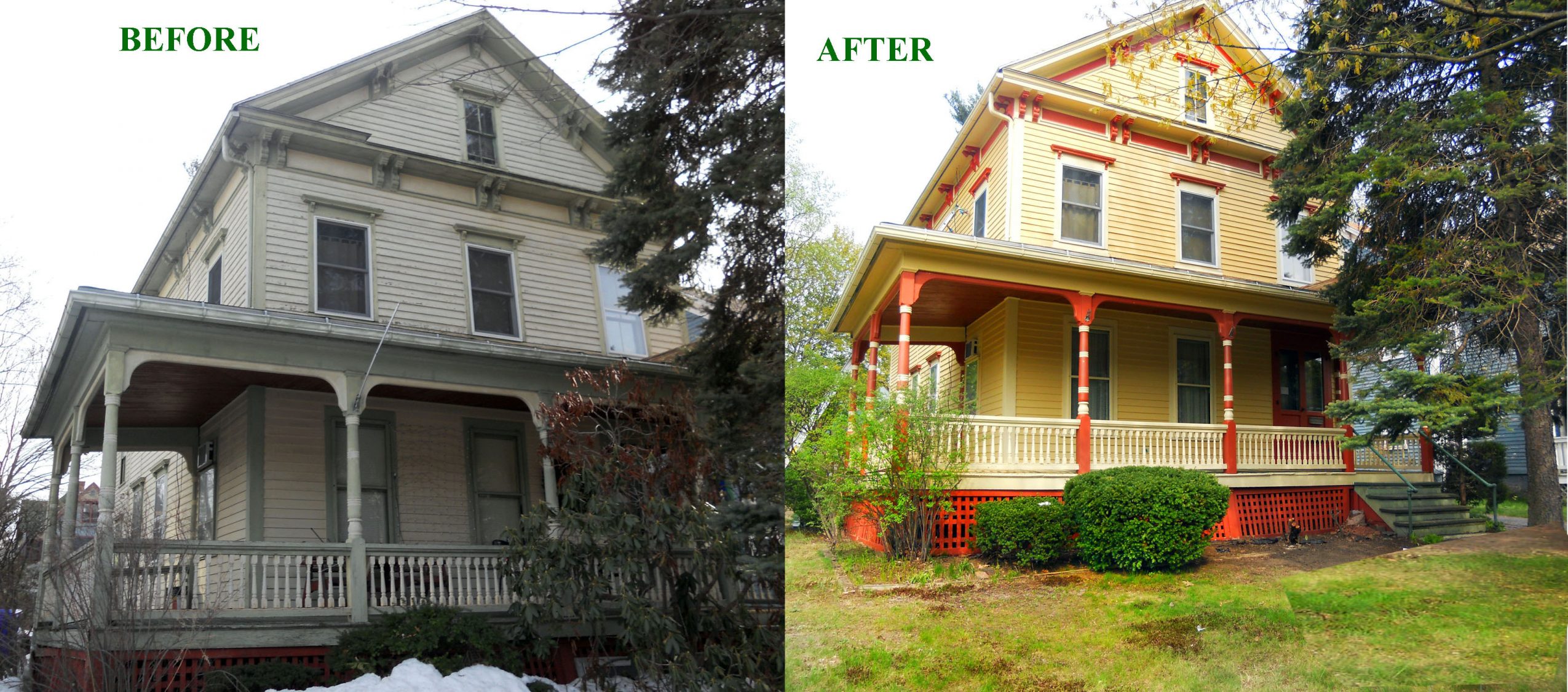
Revitalize CDC’s (RCDC) mission is “Revitalizing homes, neighborhoods and lives through preservation, education and community involvement.” Our #GreenNFit Neighborhood Rebuilds combine repairing and renovating houses with our mission for community education. #GreenNFit was established with the goal of helping low-moderate income families with repairs, rehabilitation modifications and upkeep on their homes to help them create energy-efficient, safe, accessible and healthy places to live, and is in operation in both Springfield and Holyoke.
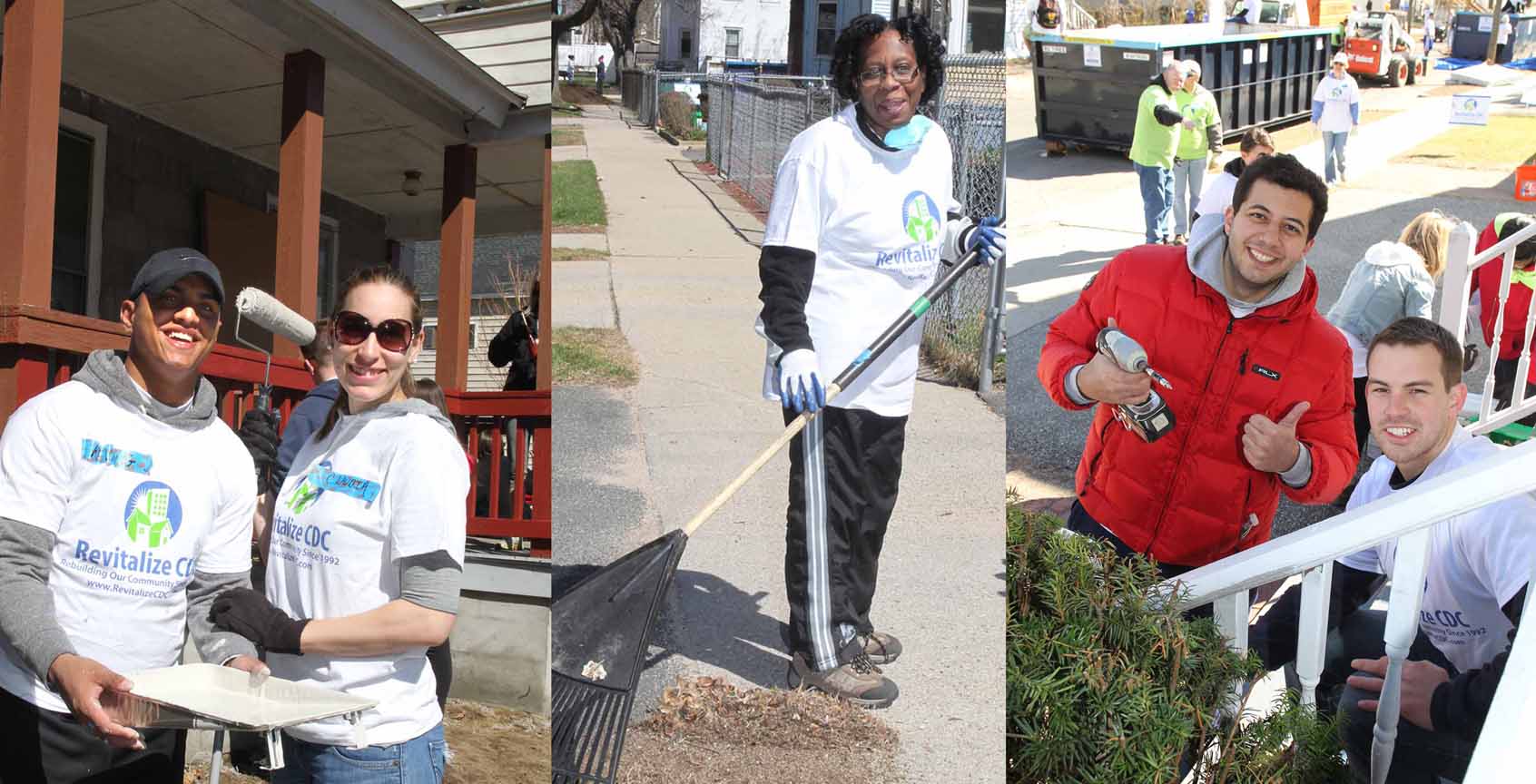
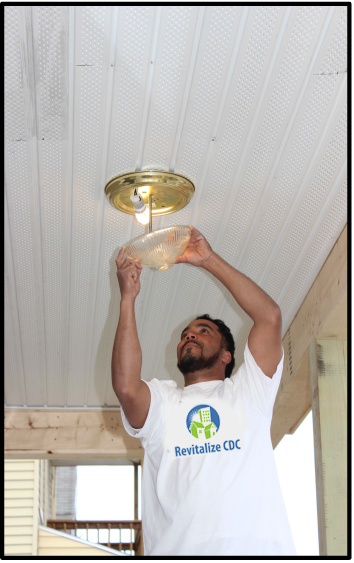
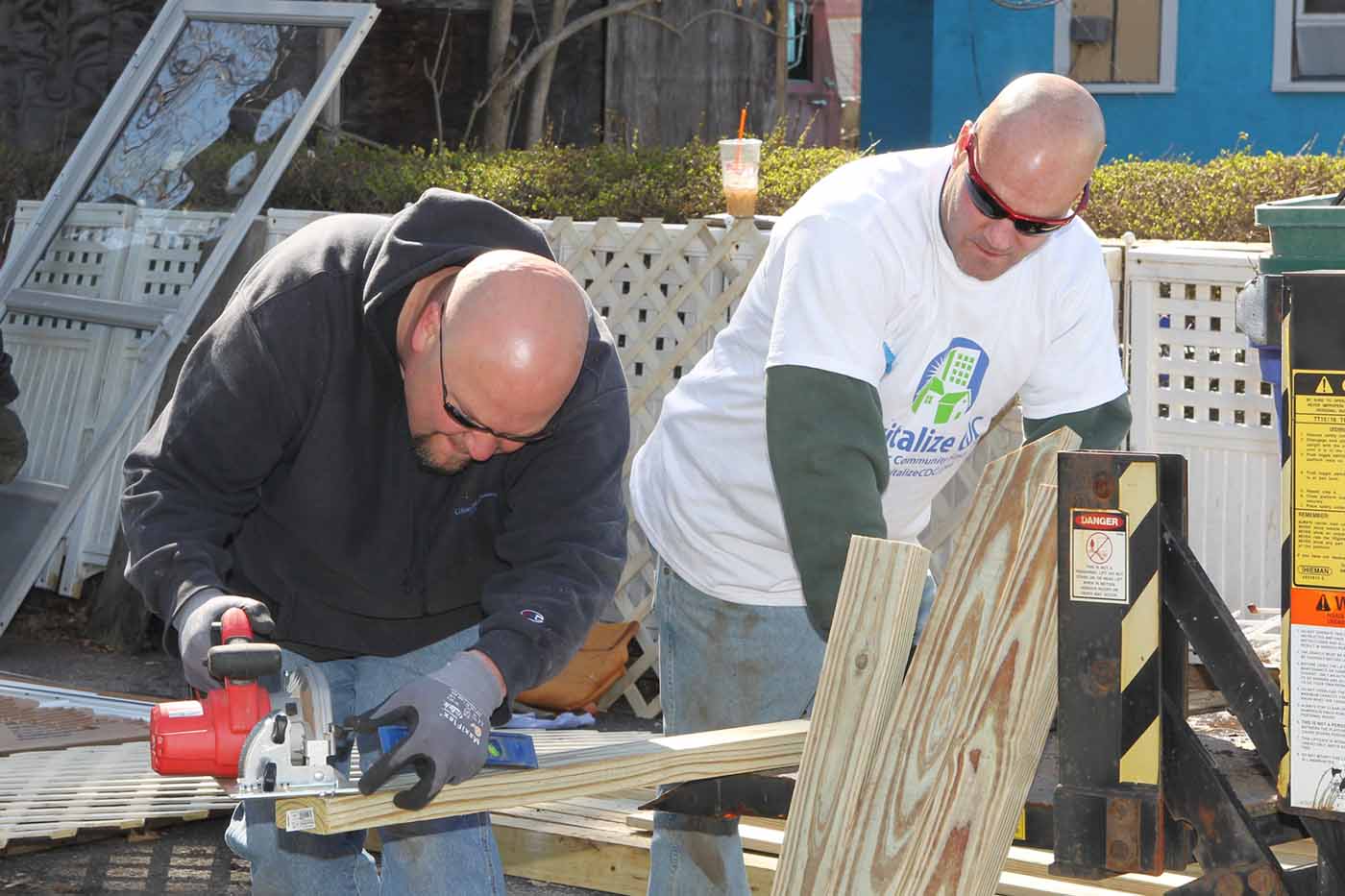
The following scope of work may be completed with skilled and unskilled volunteers and licensed building contractors: (a) Conversions from oil heat to natural gas and installation of new heating systems and solar; (b) New insulation and other weatherization improvements; (c) New roofs, energy-efficient windows and doors; (d) Mold remediation, lead abatement and pest control; Interior and exterior painting;( e) “Age in Place” modifications for an elderly at risk of falls, such as tub grab bars, ramps for handicap accessibility; (f) Electrical and plumbing repairs or improvements including water-saving fixtures;( g) Installation of new smoke and carbon monoxide detectors for safety; (h) New deadbolt locks and siding repairs; (i) Yard cleanups, fencing, landscaping and planting of shrubs and flowers for curb appeal.
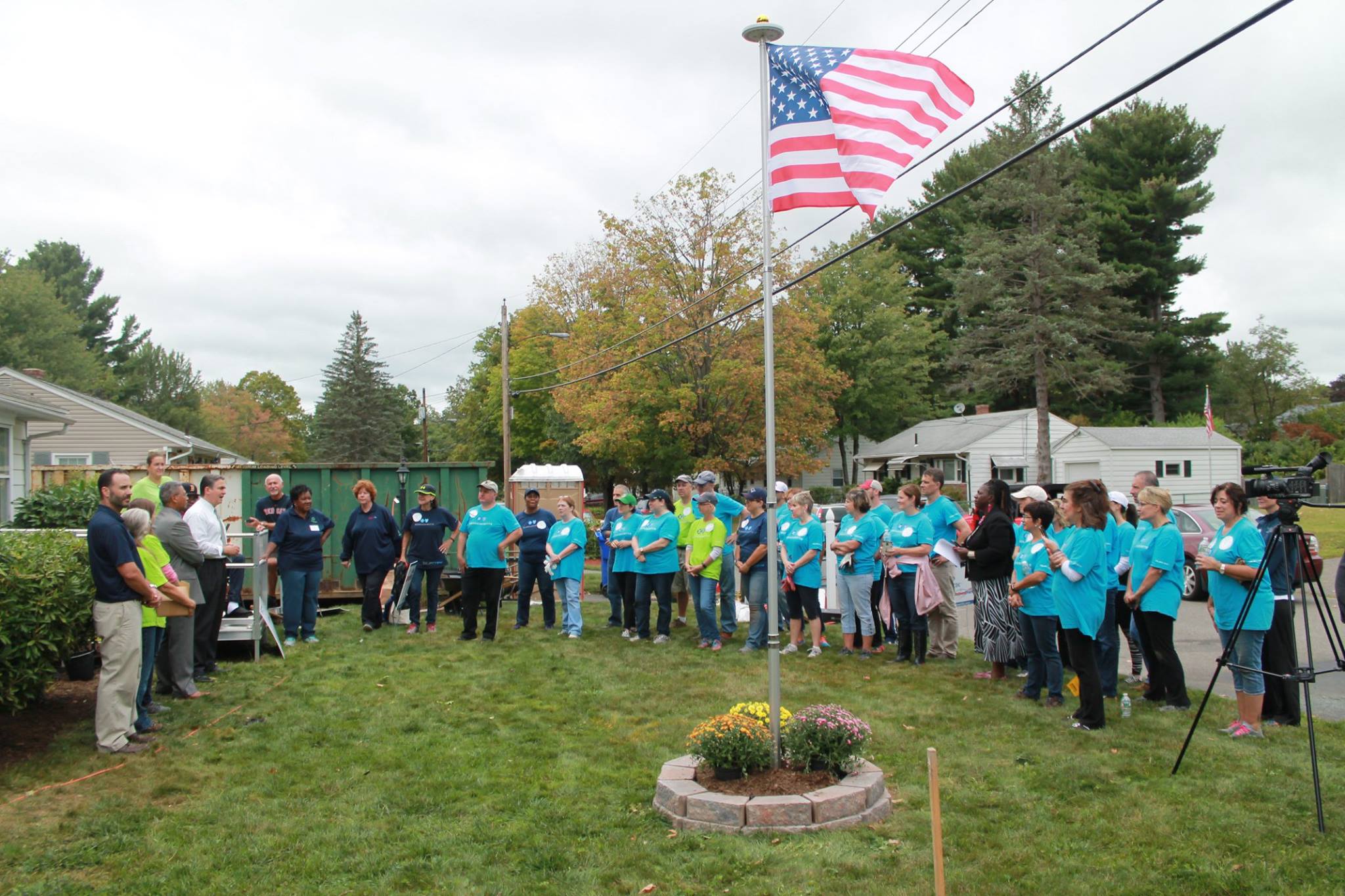
#GreenNFit’s strategy of engaging volunteers and selecting an entire neighborhood of substandard housing repair has been a proven winning combination that builds community spirit while preserving the affordable housing stock. This raises the value of the housing stock and improves the quality of life for the entire community.
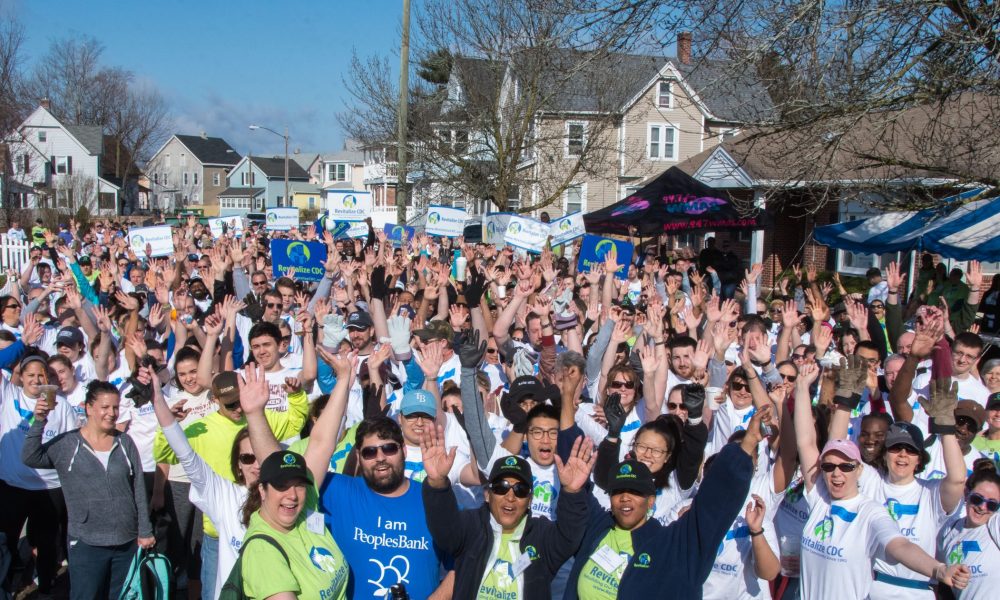
RCDC has been implementing its #GreenNFit project for the past 6 years which is a strategic plan working on entire blocks rebuilding almost 300 homes over 10-years with 1,000 volunteers each year including vacant lot cleanups, parks, playgrounds and community gardens.
In addition, the RCDC partnership with the national GHHI Network, Baystate Health, Public Health Institute of Western Massachusetts (PHIWM), the Pioneer Valley Asthma Coalition (PVAC), and Springfield Partners for Community Action (SPCA) bring their collective experience to implement an INNOVATIVE evidence-based asthma home-visiting and environmental remediation intervention to address the high rate of asthma and the poor housing conditions that contribute to it in Western Massachusetts. The intervention is based on a modified version of the successful Reducing Ethnic/Racial Asthma Disparities in Youth (READY) asthma home study which demonstrated a reduction in hospitalization, ER visits, asthma symptoms and home environmental triggers among families of children with asthma. The GHHI program is applied to the #GreenNFit homes to provide added services that make meaningful improvements on homes to make them more energy-efficient, safe, accessible and healthy for the families living in these homes. GHHI is complementing and enhancing its current #GNF services.
RCDC’s #GreenNFit and GHHI are focused in Springfield and Holyoke, MA which is situated along the Connecticut River 27-miles north of Hartford Connecticut. The cities are racially/ethnically diverse community with 25% of the population African-American, 42% Latino, 30%-white and 3% classified as other. Low income: median Springfield household income was 30% less than the national median and 43% less than MA (Springfield: $35,550); High living costs: Springfield cost of living is 20% higher than the national average; Poverty: 34% of residents earn less than 125% of US Poverty Threshold; Children in Poverty: one of the highest child poverty rates in the US. 44% of children live below the poverty threshold, 48.3% live below 125% of US poverty threshold; Unemployment: Official rate higher than the national and state average. This includes discouraged workers and underemployed, estimated at 20% or more.
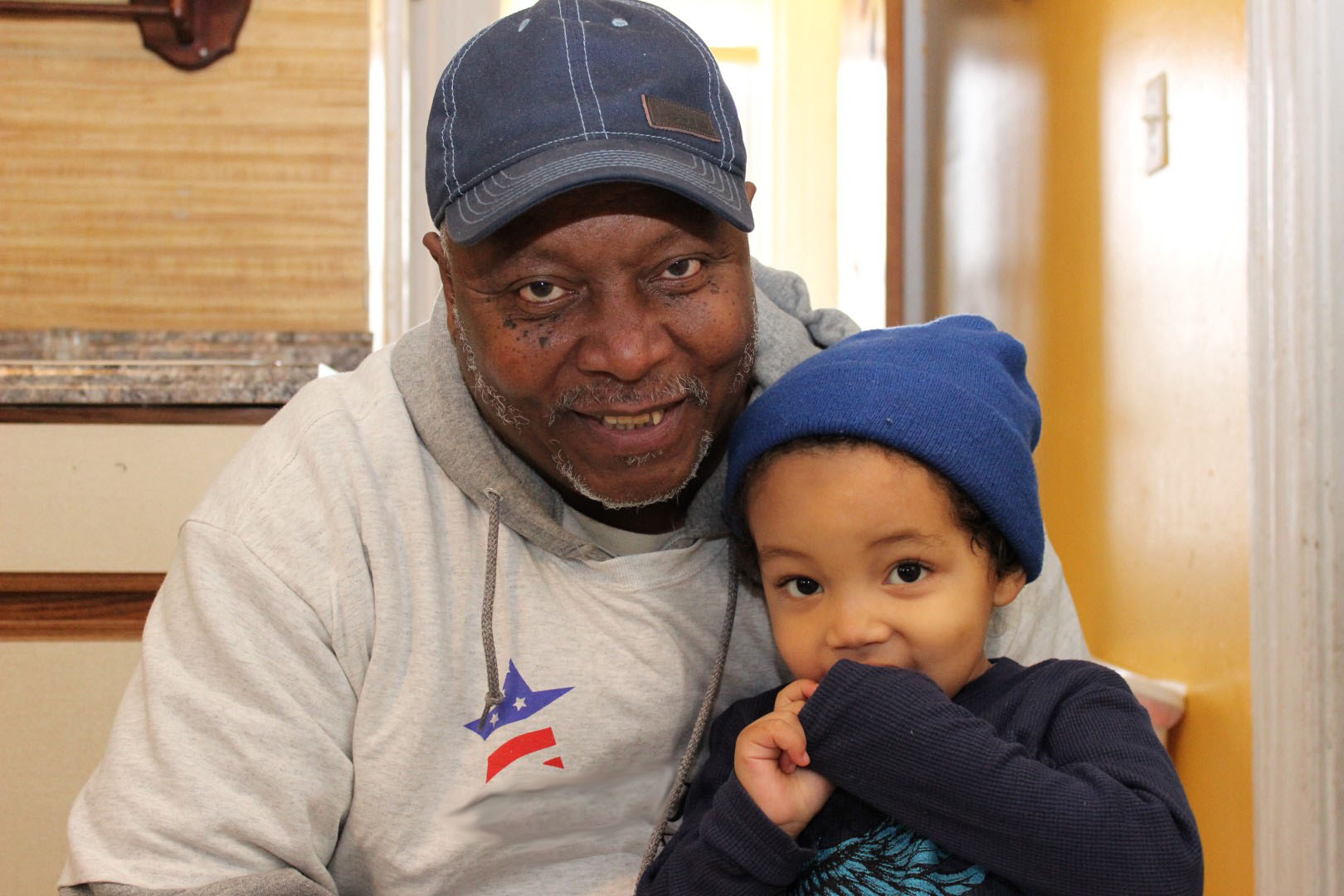
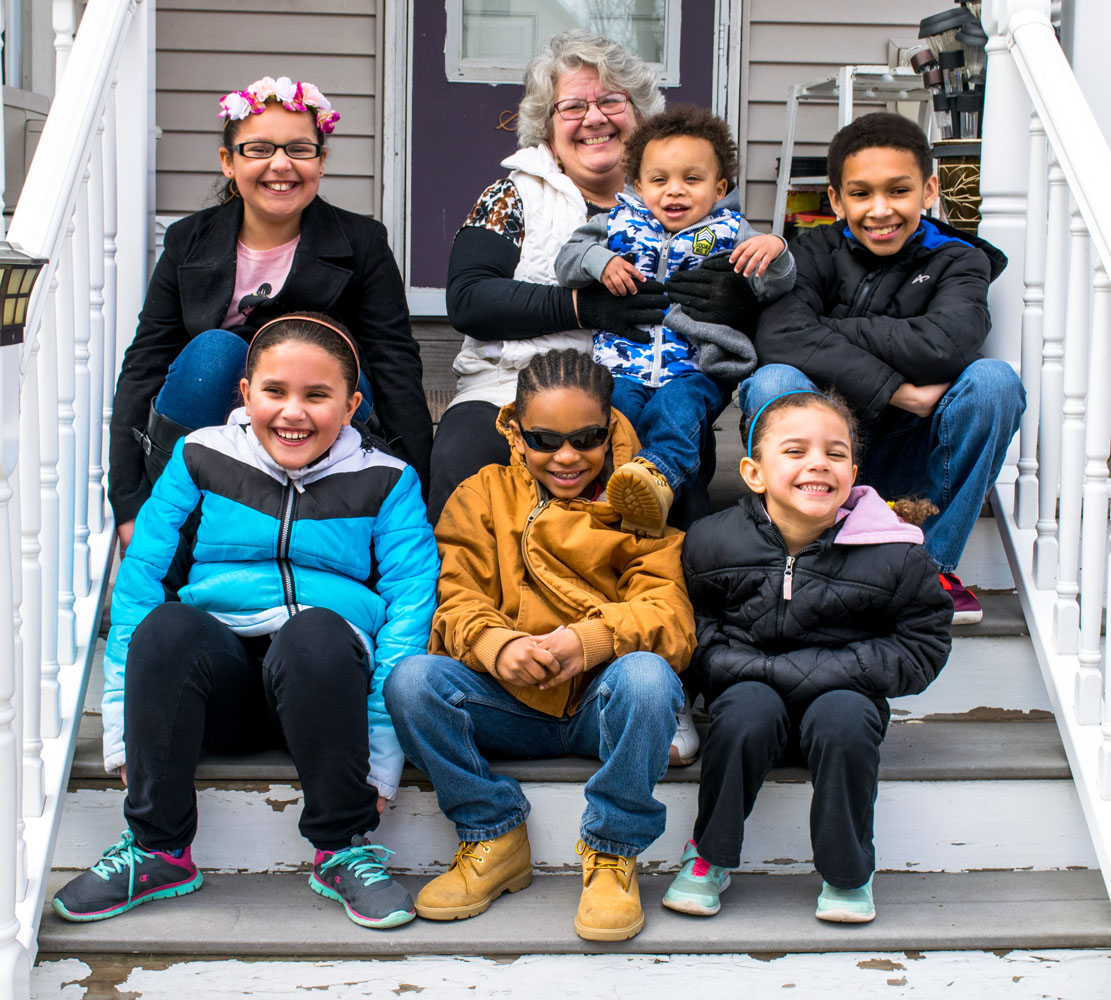
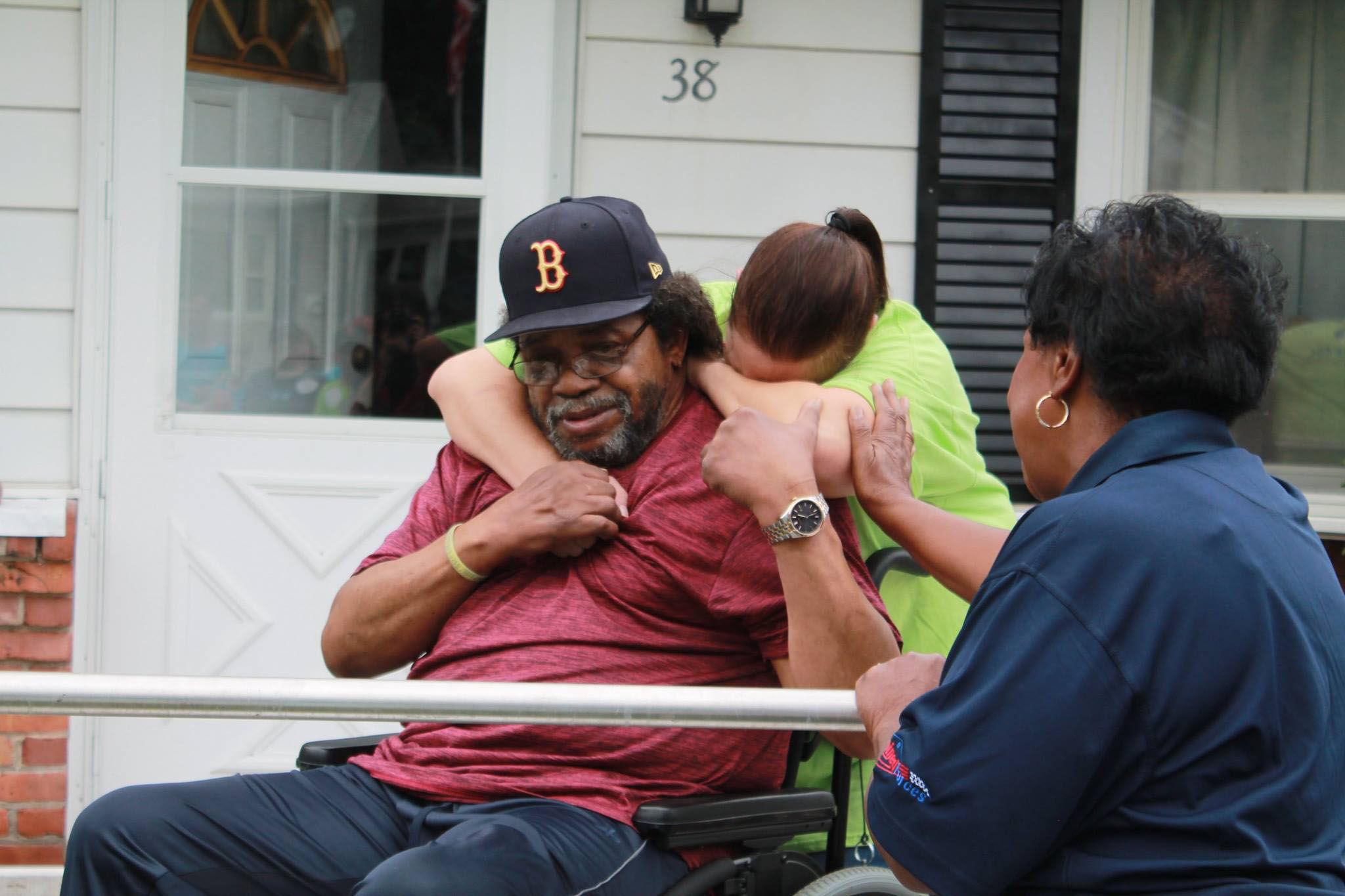
Revitalize CDC (RCDC) focuses on maintaining and improving the homes of America’s most vulnerable households, including the elderly, disabled, and those with low-incomes, who might not otherwise be physically or financially able to undertake critical home remodeling repairs themselves. RCDC has four main areas of focus to their work providing safe and healthy homes: assisting the elderly and disabled with home accessibility and safety, providing energy efficient home repairs to reduce the energy cost of homeowners, and providing disaster rebuilding and repair to return displaced families to their homes and communities. RCDC brings neighborhood volunteers together to donate their time and skill to make critical and necessary repairs and improvements to the homes of their neighbors. These efforts are resulting in the preservation of badly-needed affordable housing opportunities, as well as the stabilization and revitalization of deteriorating neighborhoods.
Springfield is designated by HHS/HRSA as a Health Professional Shortage Area with Medically Underserved Areas/Populations due to a dearth of primary care providers, high infant mortality, high poverty and high elderly population. Springfield has extremely high childhood asthma prevalence with 21% of the school children having asthma documented in their medical record, more than double the national asthma prevalence of 9.4% (CDC). Springfield has a housing stock with almost 40% built before 1940 and 86% built before 1980 (Census, 2012). These homes have issues of moisture mold, pest problems and other housing issues that lead to morbidity related to asthma and other health conditions.
Revitalize CDC is the only nonprofit in Massachusetts that is performing free critical repairs vs. loans or liens on the homes of low-income families. In addition, RCDC is the only nonprofit working on entire blocks of homes with the help of 10,000 volunteers and over 115 supporters collectively from Maine to Virginia!
Is our city a good place to do what you do?
There is an overwhelming need for services that Revitalize CDC provides. The city and many nonprofits work in collaboration to improve the quality of life for those in need.
Springfield is a racially/ethnically diverse community with 25% of the population African-American, 42% Latino, 30%-white and 3% classified as other. We will repair, modify and rehabilitate the homes of low-income Springfield families: the elderly, military veterans and people with disabilities. Low income: median Springfield household income was 30% less than the national median and 43% less than MA (Springfield: $35,550); High living costs: Springfield cost of living is 20% higher than the national average; Poverty: 34% of residents earn less than 125% of US Poverty Threshold; Children in Poverty: one of the highest child poverty rates in the US. 44% of children live below the poverty threshold, 48.3% live below 125% of US poverty threshold; Unemployment: Official rate higher than the national and state average. This includes discouraged workers and underemployed, estimated at 20% or more.
Springfield is designated by HHS/HRSA as a Health Professional Shortage Area with Medically Underserved Areas/Populations due to a dearth of primary care providers, high infant mortality, high poverty and high elderly population. Springfield has extremely high childhood asthma prevalence with 21% of the school children having asthma documented in their medical record, more than double the national asthma prevalence of 9.4% (CDC). Springfield has a housing stock with almost 40% built before 1940 and 86% built before 1980 (Census, 2012). These homes have issues of moisture mold, pest problems and other housing issues that lead to morbidity related to asthma and other health conditions.
Contact Info:
- Address: Colonial Block Building
1145 Main Street, Suite 107
Springfield, MA 01103 - Website: www.RevitalizeCDC.com
- Phone: 4137880014
- Email: CLoveless@RevitalizeCDC.com .
- Instagram: https://www.instagram.com/revitalizecdc/
- Facebook: https://www.facebook.com/RevitalizeCDC
- Twitter: https://twitter.com/Revital_CDC
- Yelp: https://www.linkedin.com/company/revitalize-cdc/
- Other: https://www.youtube.com/user/RTSpfld
Getting in touch: BostonVoyager is built on recommendations from the community; it’s how we uncover hidden gems, so if you know someone who deserves recognition please let us know here.