



Today we’d like to introduce you to Hannah Schoenbaum.
Hannah, please share your story with us. How did you get to where you are today?
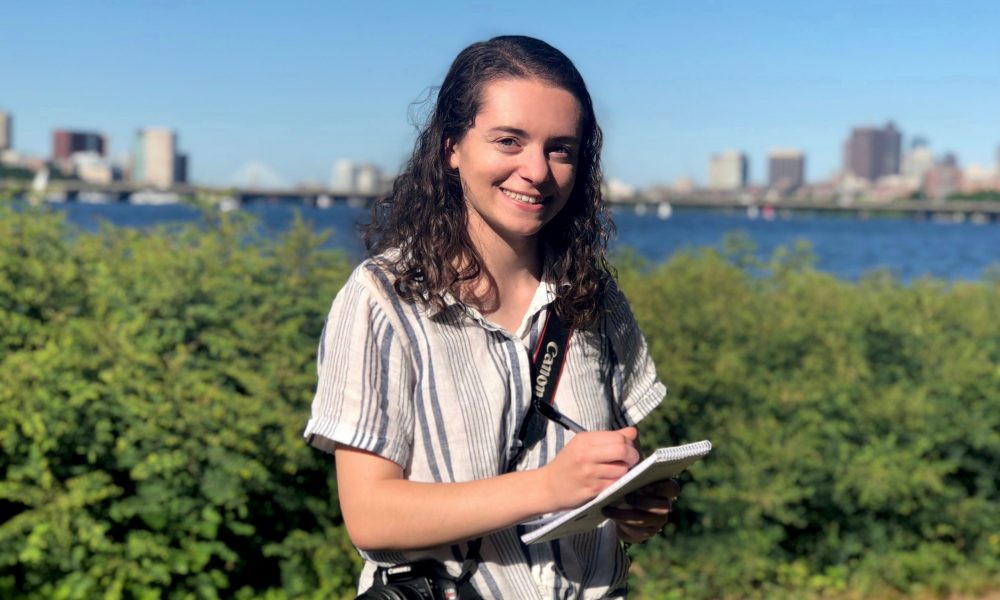
My name is Hannah Schoenbaum, and I’m a multimedia student journalist at Boston University. I’m 18 years old and a rising sophomore at BU, though I’m originally from Newport Beach, California. I’m the city news editor of our independent student newspaper, The Daily Free Press, and an interviewer and breaking news reporter for the live broadcast news show “Good Morning BU.”
I graduated from Corona del Mar High School where I served as the Editor-in-Chief of our nationally recognized student newsmagazine, Trident. My work for the magazine led to the invaluable opportunity to write for the Los Angeles Times and serve on the paper’s Student Advisory Board. It was basically a small leadership council of student journalists from across the U.S., and we worked with LA Times staff to produce media that covered and catered to the young people in our communities. I grew so much as a journalist in my experience with the Times and also made some of my best friendships and mentorships there.
I then moved to Boston at 17 to start college.
I’ve been studying journalism, with minors in political science and film & television, but many of the skills I’ve learned have actually been through my involvement in our student news outlets.
As a reporter, and now the city editor of our college paper, the entirety of Boston is essentially my beat, so I’d say I’ve gotten to know the city pretty well after just a year of living here. My first year at the paper was largely focused on covering state and local politics. Just weeks into my experience as a news writer, I was thrown into covering the Boston mayoral race, which was one of my most rewarding experiences as a journalist. I reported on the candidate debates, community forums, the polling stations and Walsh’s big election night gala. I became somewhat of an expert in that sphere of local politics, and I think I proved to myself that I can really do this as a profession.
This summer, I’ve been working as an assistant newsroom editor for the New England Center for Investigative Reporting and mentoring aspiring journalists with BU’s high school summer journalism program. I’ve also been doing some freelancing on the side and helping to coordinate pre-election coverage for our campus TV station, BUTV10.
Great, so let’s dig a little deeper into the story – has it been an easy path overall and if not, what were the challenges you’ve had to overcome?
At first, I found it a bit difficult to get my foot in the door. I discovered my passion for writing as early as second grade, and from the first time I learned what it meant to be a journalist, I knew I wanted to be one. So, as you can probably imagine, when I first went searching my community for journalism internships back in middle school, I was faced with a lot of closed doors and people who doubted my abilities, just based on my age. And that still happens to me occasionally, even now that I’m in college. People will take one look at you and doubt your talents without giving you a chance to prove yourself.
All it takes, though, is one person willing to take a chance on an ambitious kid, and lucky for me, I found that at a community magazine called Orange County Jewish Life, now shortened to JLife. They gave me my first editorial internship at age 12 and started me off right away with reporting assignments. I had print stories every month. It was a dream come true. I actually still freelance for that magazine over the summers and have had the honor now of writing multiple cover stories for them.
The editors at JLife always treated me the same as their other reporters, who had 30 more years of experience than me on average. I think I’m a better journalist today because of how they respected me as not just an ambitious kid, but as an actual reporter and let me learn journalism by getting out there and doing it.
Sure, people were sometimes hesitant to sit for an interview, considering I was a kid with a homemade press pass and I had to schedule my interviews around my mom’s schedule so she could drive me—thanks by the way, mom—but, when they did give me a shot, I think they were surprised by my professionalism.
I learned to work around the age barrier by working twice as hard to prove myself to people who doubted my journalistic abilities. It built resilience. And since then, I think I’ve been better equipped to deal with other obstacles, like certain parts of my identity that make me proud but make some people question my ability to do my job as well as others.
I’ve received some harsh comments on social media and on some of my articles that addressed more sensitive topics, but my sister said it best when she told me that having haters really just means you’re saying something important. We unfortunately live in a time of such blatant media criticism and distrust, so there will always be people who try to silence your voice when you’re saying something that needs to be said. I’m just someone who refuses to be silenced.
Alright – so let’s talk business. Tell us about Hannah Schoenbaum – what should we know?
Representative storytelling is especially important to me, and I think something that sets my work apart is that you can see I’m making an effort to expand the scope of my stories. Stories can’t be one-sided, and that doesn’t just mean including people with differing political opinions. It’s about diversifying the conversation to ensure the broadest range of voices, backgrounds and experiences is represented. And it’s something I think every journalist, including myself, should actively be trying to improve because diverse subjects and voices make our stories stronger.
Some of my most interesting stories have been those of Puerto Rican students coping with the hurricane destroying their homes, how LGBTQ individuals in my home community came together after the Pulse nightclub shootings, how a young runner with cerebral palsy went from struggling to walk to qualifying for the Paralympics in the span of a couple years and a live video interview I conducted with transgender “Survivor” player, Zeke Smith, about how he dealt with being outed on international television.
I’ve also dedicated myself to telling the stories of Holocaust survivors, which is something that means a lot to me. Throughout high school, with the help of some friends, I conducted a massive project where I interviewed the Holocaust survivors in my home community and documented their stories for preservation in the Orange County archives. I spoke to all these people who had hidden away their history for decades, and seeing them finally open up and tell these incredible stories made my heart melt every time.
The very first woman I interviewed for the project had never told her story before, not even to her husband. I learned that after watching all her family members be sent to the gas chambers at Auschwitz, she developed a friendship with none other than Anne Frank, who used to work beside her in the camp, digging out a canal. That amazing woman died just a week or two after our interview, and it left me thinking that if I’d never helped her tell her story, it would’ve died with her, and that would’ve been another tragedy in itself.
I think telling unique, representative and sometimes unsettling stories is important to the larger conversation we’re having as a society. It’s what leads to tangible progress and prevents the negative parts of our history from recurring. Reporting these stories allowed me to develop empathy and understanding with different types of people. And these stories often have that same effect on the reader, which is what makes them so important.
Is there a characteristic or quality that you feel is essential to success?
Dedication and drive are key. You could be the most talented writer in the world, but unless you’re driven enough to pursue opportunities to learn and grow whenever they come your way, I think it’s unlikely that you’ll find much success in journalism.
I’m able to stay driven because I love what I do. I love getting to meet so many different people and having the opportunity to learn something new every day. I’ve witnessed how people’s stories can affect other people’s lives, and having seen how meaningful the work is that I get to do … it’s the most amazing motivator.
I also just want to mention the importance of having a strong support system and building a network of mentors. My parents, grandparents, friends and many of my former teachers are some of my biggest supporters. I have so much appreciation for the people who’ve supported my writing endeavors or extended their advice or expertise as I’ve been starting out my career. Any success I’ve had up to this point has been the result of those two things: my drive to tell stories that matter in my community and the people who’ve supported me along the way.
Contact Info:
- Website: hannahschoenbaum.journoportfolio.com
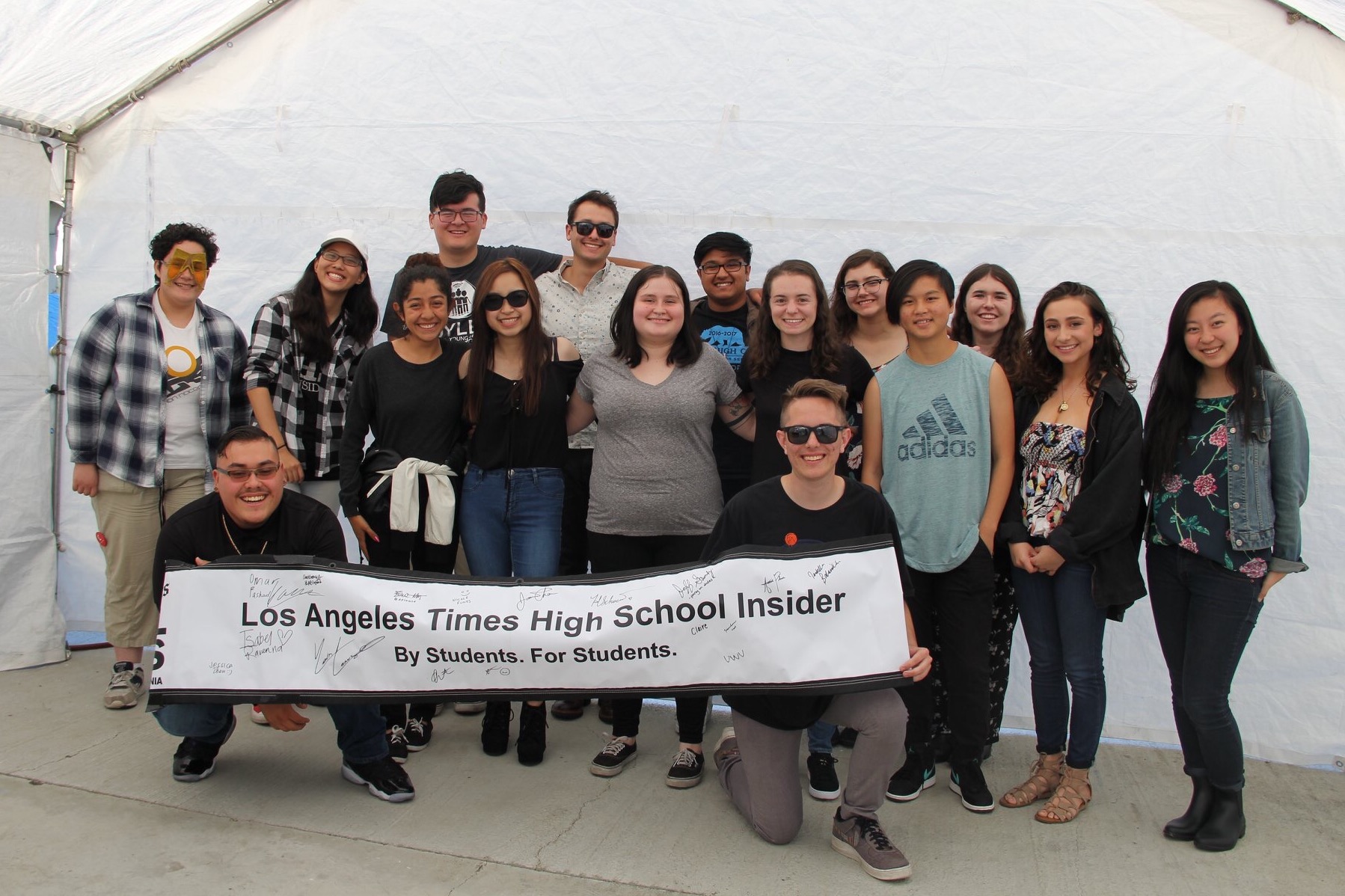
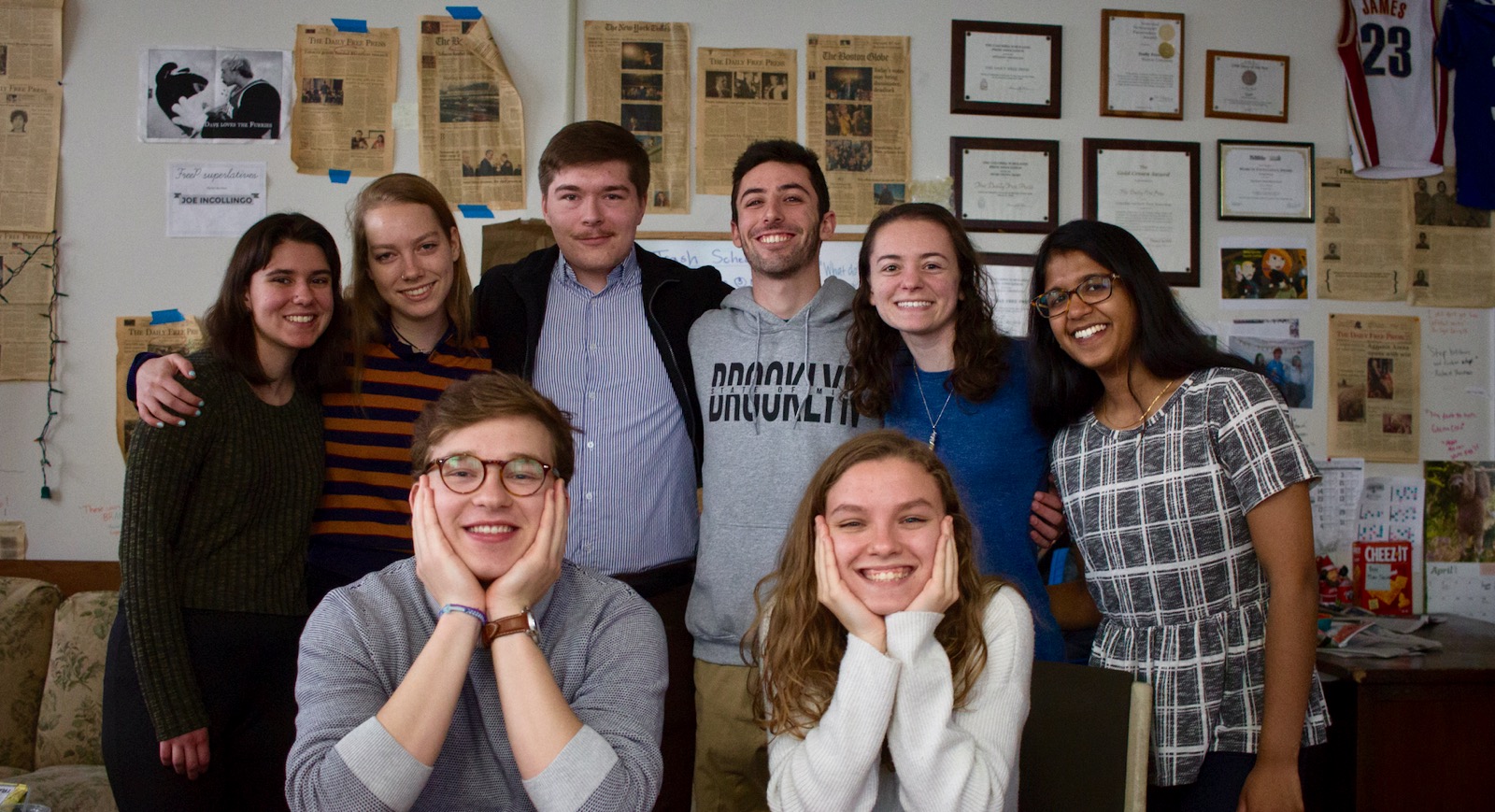
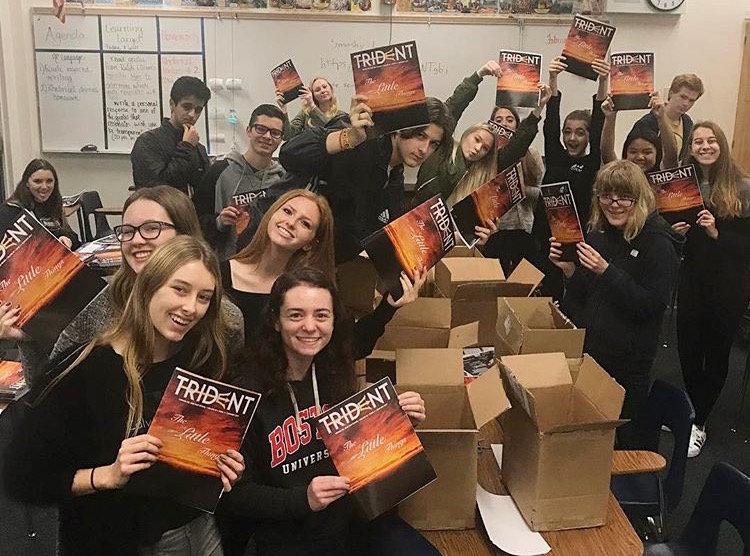
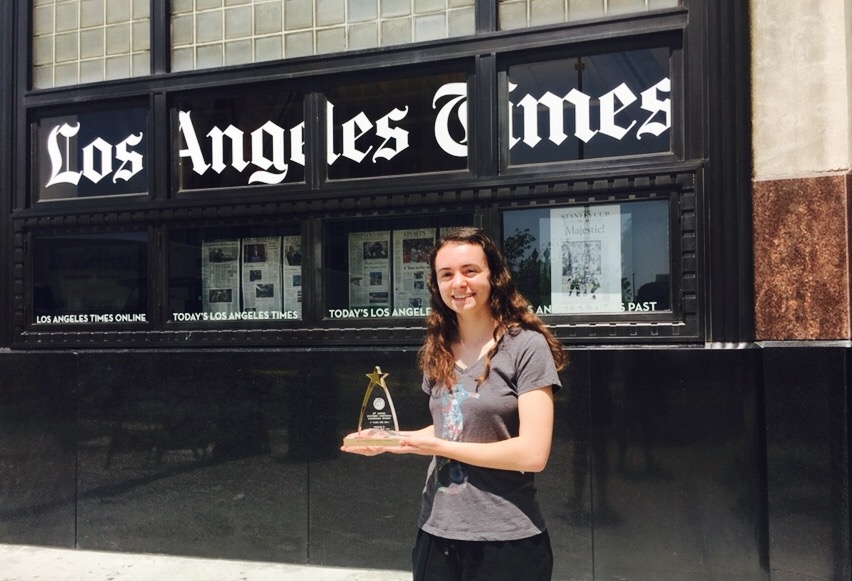
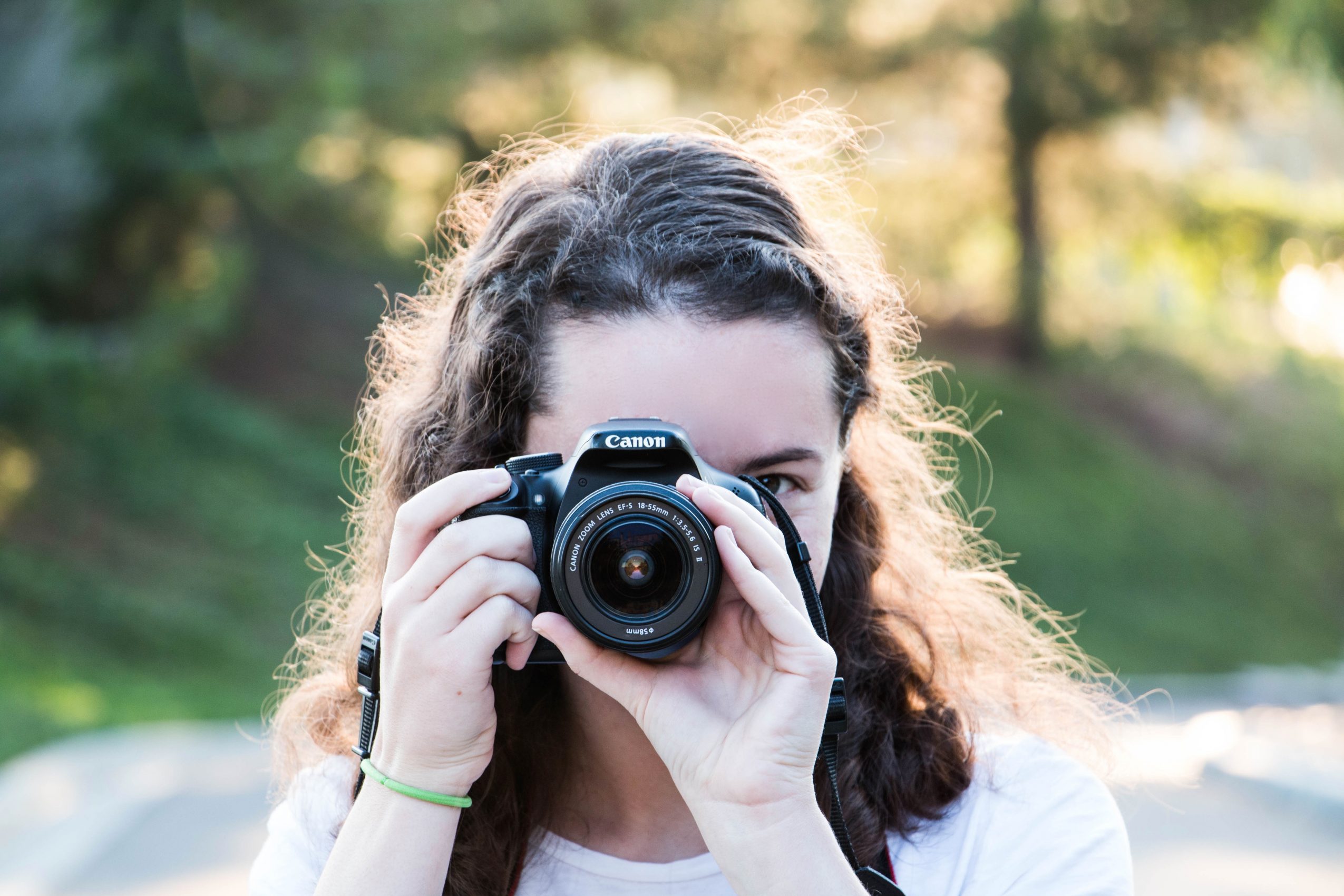
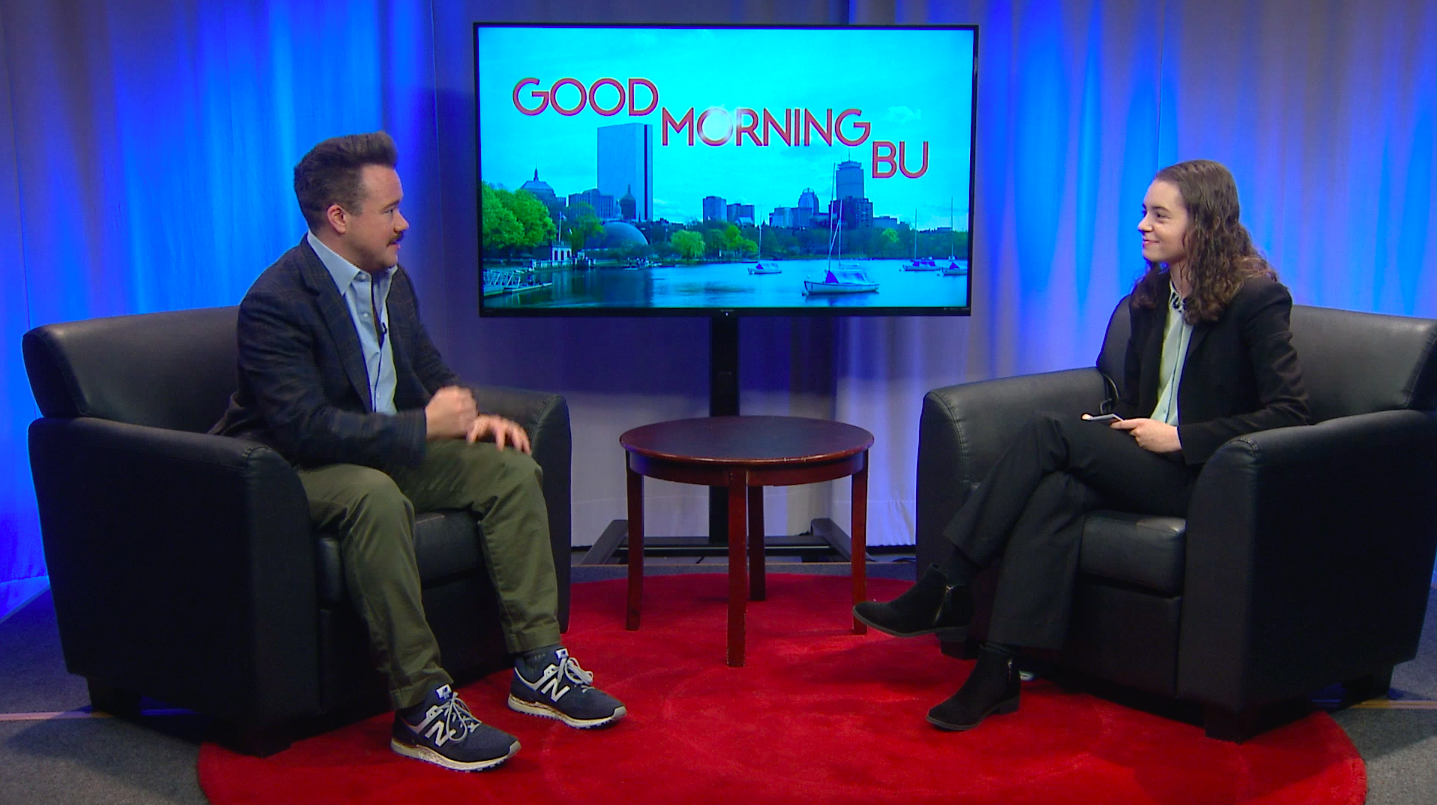 Image Credit:
Photos courtesy of Hannah Schoenbaum
Getting in touch: BostonVoyager is built on recommendations from the community; it’s how we uncover hidden gems, so if you know someone who deserves recognition please let us know here.







Gannon L Burks
August 8, 2018 at 4:54 am
Way to go BostonVoyager! You have found a hidden gem from the West Coast in Hannah Schoenbaum. She is blazing a path for herself that many should take notice. Drive and dedication is what she stated in the article as to keys for her success. I think that we also need to add the adjectives deliberation and determination. Hannah Schoenbaum is a raising star in the world of journalism. Keep the fire in your soul for writing lite Hannah!
Paula Bentley
September 3, 2018 at 4:11 pm
A rising star!