
Today we’d like to introduce you to Marc Calello.
Every artist has a unique story. Can you briefly walk us through yours?
I’ve always created things – even when I had toys as a kid, I never built the object that the directions indicated I should. I would take different toys and put them together with other sets and made things that were my own creations. Looking back at this process now, I realize that I was making sculptures.
As with most other artists, my life is my main inspiration. I’ve been raised in a traditional Italian American family in which family is the most important thing in our lives. Eating together has always been a huge part of that. When I was growing up, my mother and father cooked dinner every night and we would all sit down to enjoy the meal without TV or any other distraction. Instead, we had conversations while we ate together.
This tradition has proven to be one of the biggest inspirations for my work – especially since I realized most of my friends weren’t having the same experience. Growing up, I was always fascinated by food, family and tradition. For me, tasting something is an incredible experience. To know what went into preparing something, to go and catch fresh crabs all day, then bring them home to my grandmother so she could make the most amazing crab sauce, followed by the whole family sitting around the table sucking on crab claws together before throwing the scraps in the center, that’s the epitome of happiness to me.
For a long time, I made work that was strictly about its own visual appearance. Similar to the way I say, “Wow, damn, fuck that’s good!” when I eat something, I was trying to get a guttural, visceral reaction out of the viewer. But more recently, I started to focus on the conceptual aspects of the work, as well as incorporating elements of performance and exploring ways of physically involving the viewer. Like the dinners with my family, I want the work to have a sense of communal participation.
Please tell us about your art.
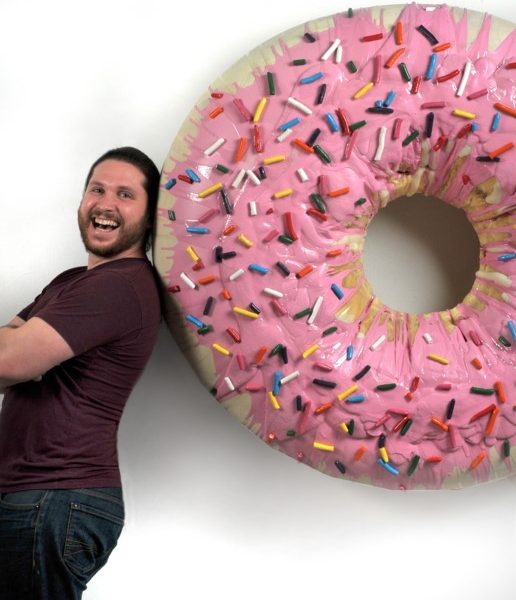
My most recent work deals with highly recognizable foods that have ingrained themselves into contemporary popular culture – such as lasagna, swiss cheese, and the doughnut to name a few. In an era in which photographing your food has seemingly become equally as important as eating it, this body of work seeks to re-contextualize food items that we’ve become extremely familiar with, and transform them into exaggerated, monstrous versions of themselves. As such, they no longer exist as small, manageable objects on a plate, but are scaled up to gargantuan proportions, confronting the viewer and encroaching on their physical space. Meanwhile, other selections from the series – such as the anvil and the rhino work – bridge the increasingly blurry gap between food and sexuality, presenting strange aesthetic representations of the “food porn” that has become a standard, widely understood category of visual social media.
Choosing a creative or artistic path comes with many financial challenges. Any advice for those struggling to focus on their artwork due to financial concerns?
Life is not easy for most people, and the artist is no exception. To be successful at art just like anything else in life you have to be willing to put the work in. I was raised with a big emphasis on pure work ethic. I try to push myself with each project to continue growing and to avoid complacence. Being an artist is a multifaceted job. First you usually have multiple jobs just to fill the financial gaps in life and to finance the work itself. Then you have to organize your own promotion, sales, branding, web design, and of course, make the actual work, and try to make it great.
How or where can people see your work? How can people support your work?
In the past few years I have shown works in group shows and galleries such as the Newark Museum, Power Art Gallery, Lynch Tham Gallery in Manhattan, CUE Art Gallery in Manhattan, the Nyack Art Walk, and a solo exhibition in Piermont, NY at Tess Delia Studio. I am always seeking out shows that are good fits for my work both visually and thematically.
Additionally, you can view all of the work on my website and you can follow my process on my Instagram. The best way to support any artist is to invest in their work. Not only is it a huge compliment to buy an artist’s work but it feeds the studio budget. Every penny I have ever made off of my work has gone right back into the next project.
Contact Info:
- Address: 16-22 Chandler Drive Fair Lawn NJ 07410
- Website: www.marccalello.com
- Phone: 908-377-0163
- Email: marcart908@gmail.com
- Instagram: @thehamhock
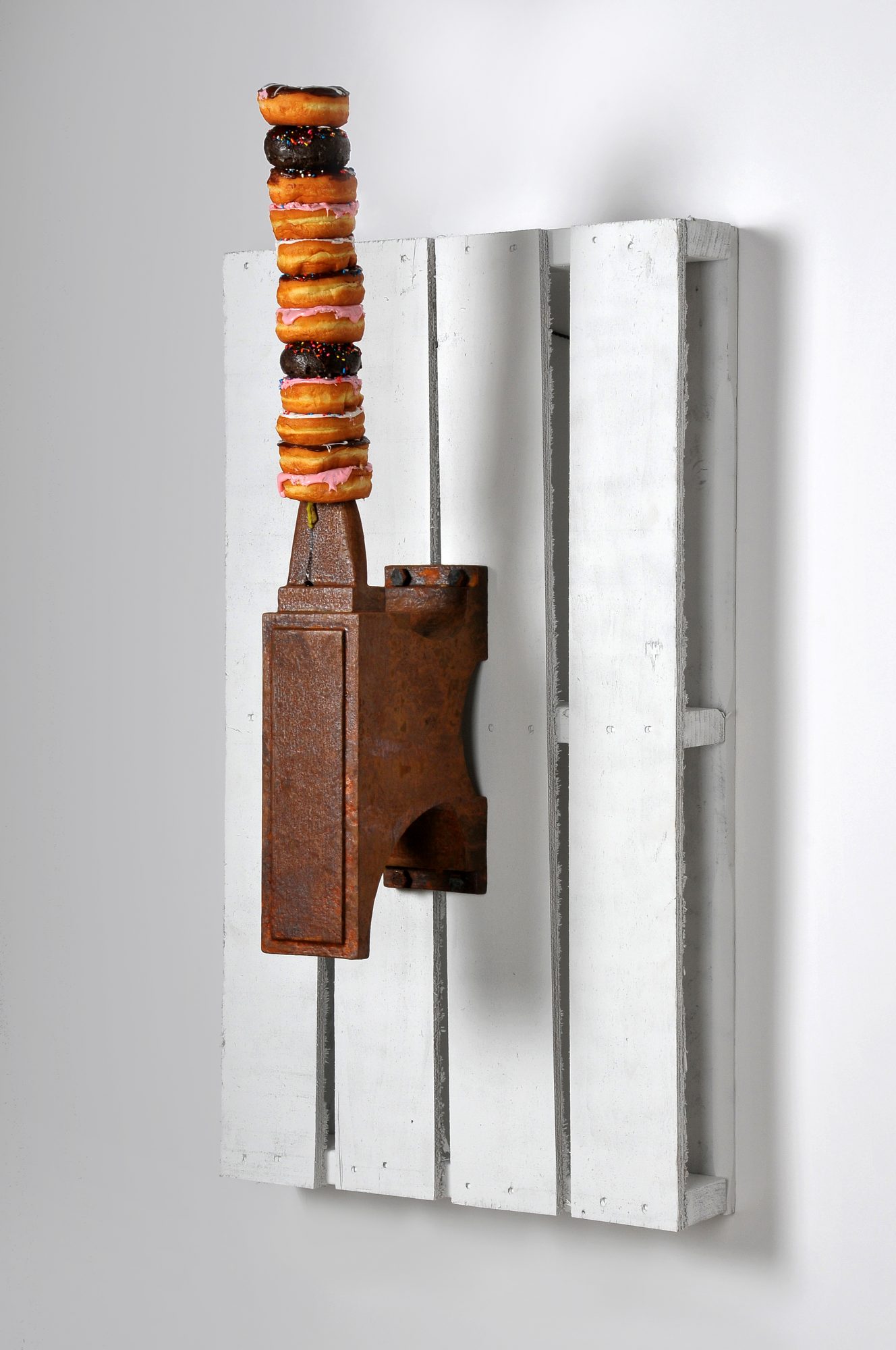
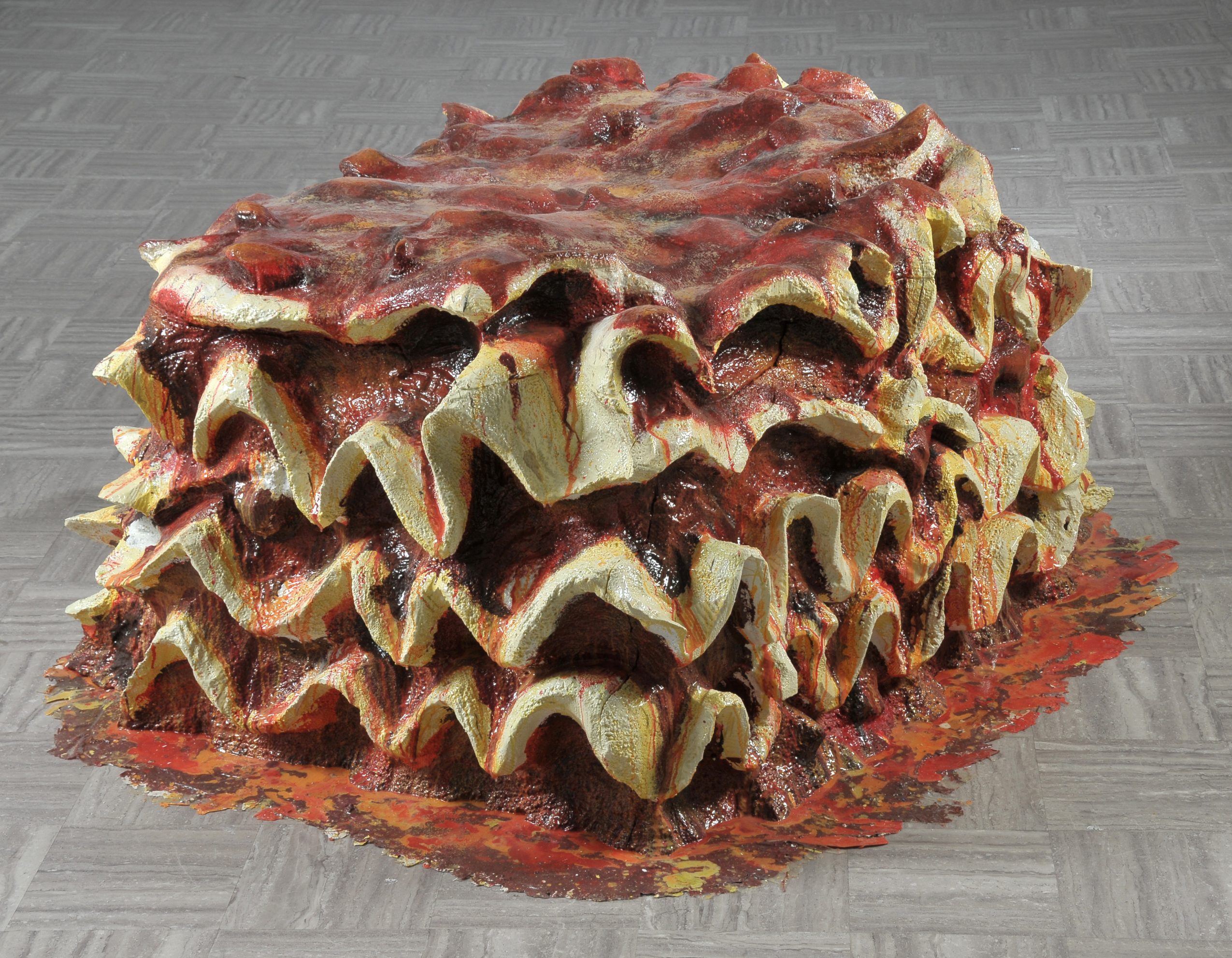
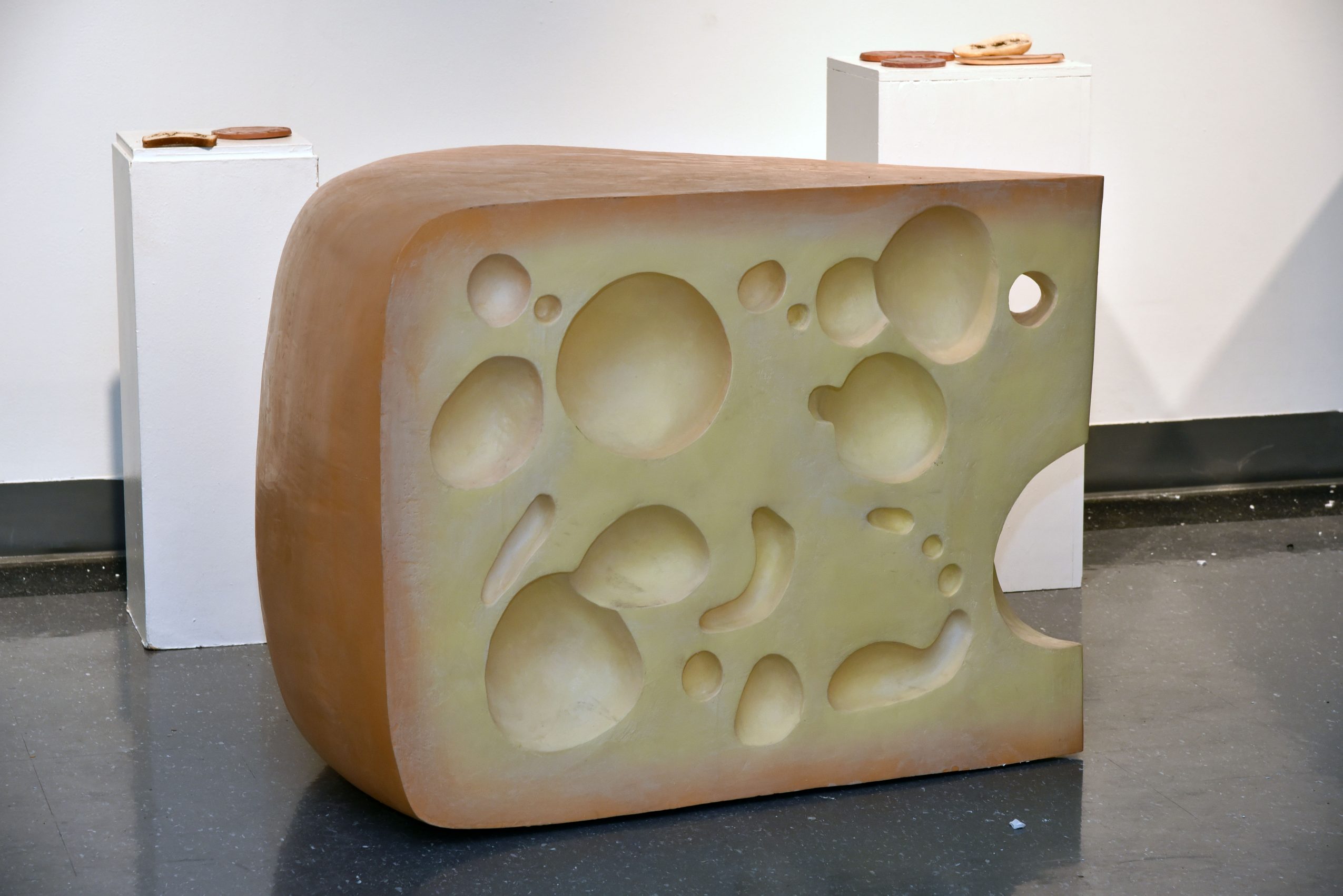
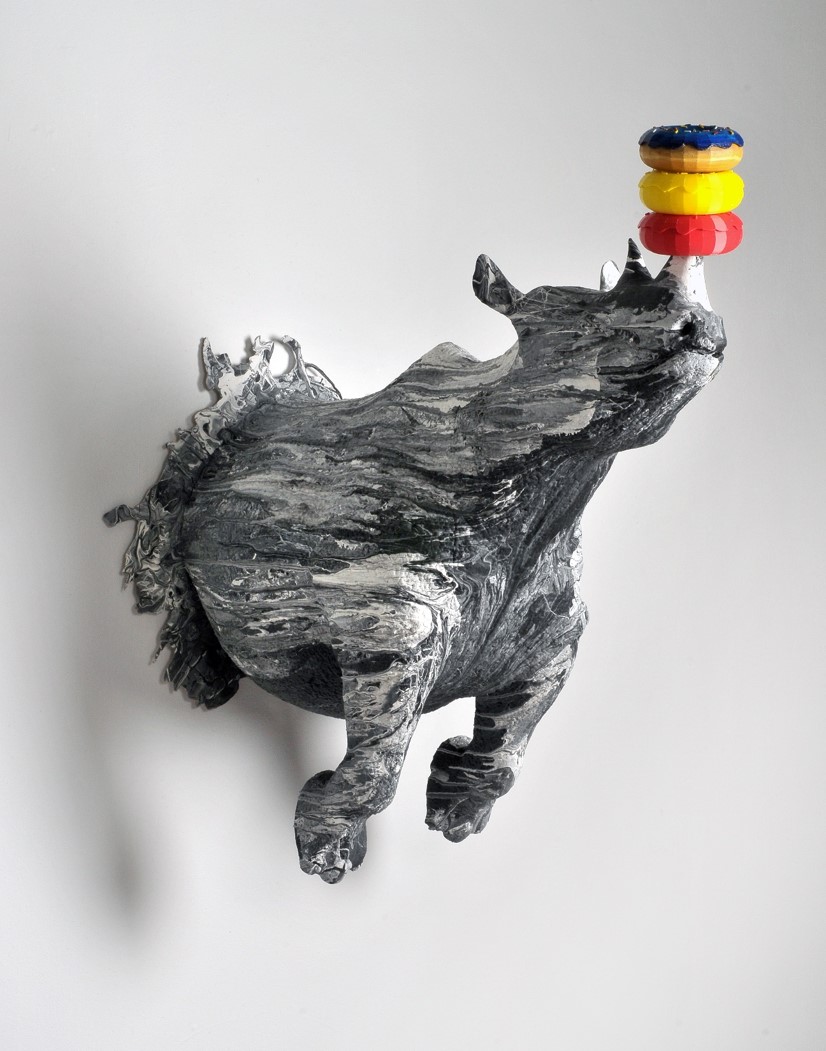 Image Credit:
Sam Calello
Getting in touch: BostonVoyager is built on recommendations from the community; it’s how we uncover hidden gems, so if you know someone who deserves recognition please let us know here.