

Today we’d like to introduce you to Daniela Rivera.
Every artist has a unique story. Can you briefly walk us through yours?
I was born in Santiago, Chile, and received my BFA from the Universidad Católica de Chile in 1996. When I first began my studies and art practice, Chile was moving away from the military dictatorship and emerging as a newly established democratic nation. The trauma and division inflicted by the regime throughout the country were a constant presence in the everyday life. Opening doors as a woman was difficult, and working in a social environment that was still waking up from years of dictatorship added the challenge of moving away from the cultural inertias left by the military regime.
During the era of the dictatorship, the presence of an identifiable national body image was in exile. Just like the disappearance and concealment of the bodies of political victims, the material representation of the body left the visual arts scene and remained a latent force for twenty years. As Chile began its transition to a democracy in the early nineties, it was no coincidence that as the bodies of many political activists were being unearthed. The country needed discussing, seeing and identifying a native body, which translated to an urgent need for the return of a personal visual referent of the body in the arts.
As a young artist and painter, I responded to this need by initiating a body of work exclusively dedicated to the representation of the body, an attempt to fixate and make physical a fugitive image. In 1995, while conducting research within the department of anatomy in the school of medicine at Universidad de Chile, I was nominated to represent Universidad Católica’s Art School in a national competition. The accompanying exhibition, Arte en Vivo, took place at the Museum of Fine Arts in Santiago. For this exhibition we had to work in plain view of the museum’s public so I chose to paint and expose the crude and detached practice of autopsies performed in the Chilean public hospitals. The idea was to make a parallel between the painting practice and the undertakings of the autopsy technician. The act of painting became a de-romanticized process, while the paintings themselves gained in physical presence and became increasingly an object, rather than an image. This piece marked an important realization and change in my work as an artist. My practice became project-oriented and process was addressed as a meaningful element within the pieces. I began to think of my works as objects of construction in four dimensions, while painting was the residue of the process of making.
Another important piece in my and a moment for reflection in my practice was Martirologio # 2, a painting based on the 1628-29 painting by Nicolas Poussin, The Martyrdom of Saint Erasmus, which today belongs to the Vatican Collection. The bodies of the characters in this painting were replaced by self-portraits, alluding to the exchangeability of roles in periods of political crisis and the ethical conflicts precipitated by the abuse of power, persecution of ideas, and violation of human rights. The project culminated with an installation and solo show at the Museum of Contemporary Art in Santiago, Chile. During the exhibition visitors were invited to seat in front of the painting in one of the three school chairs located 5 feet away from the image, performing in a way as one of the bodies of the painting.
In 2002 life brought me to the Boston area, and here I am since then. My move from Chile to the United States in 2002 created an unbridgeable distance between
a well-known geographical, political and social context for my work and the new cultural landscape in which I found myself. The political need for the presence of the body in the work disappeared in this new context. The bodies made flesh in my paintings were no longer the embodiment of a need but just the image of another. Thus, instead of being a vehicle for dialogue, the representation of the body became a confrontation that stopped viewers from relating to the work.
Subsequently, I turned my eyes to another foundational element of my work: space. I erased the body and proceeded to build paintings that provided backdrops for the viewer to inhabit. The places I created were ones that suggested prior presences but allowed the viewer to claim possession of them, and then start a conversation. My paintings became more sculptural and the work developed increasingly in the lines of installation art, allowing the viewer more agency and thus responsibility in the work. My career as an artist changed dramatically in the eyes of others, but for me this was a natural transition. My preoccupation was the same, the changes occurred in the new strategies of staging the work. If before I addressed the viewer’s physicality by providing mirror images, I was now inviting the viewer to be the image. This new staging strategy allowed for the establishment of broader dialogues and the active participation of the viewers in the work.
I graduated from SMFA/Tufts in 2006 with an MFA, and since 2008 I have been teaching at Wellesley College. I have the fortune of being able to say that I love my job as a teacher and as an artist, a privilege that I do not take lightly. I find myself today as a tenured professor. I am currently serving as the director of the Studio Art Program and am preparing to embark on a sabbatical year that will bring me back to Chile to explore issues of immigration, homeland and landscape.
Please tell us about your art.
My work branches out of my understanding of the world through drawing. Through drawing I see, I process, and then build my pieces. I started working everything through the language of painting claiming ownership of the western understanding of the discipline. Today I feel I have already cannibalized painting, digested it and earned the right to participate of its history. Now I am able to move in other directions while still using the language of painting as a foundation for my projects.
My projects are usually site specific and react to the spaces of exhibition. This is a sentence I use in my artist statement and is for me a perfect summery of my work; “My work tangos with the process of baroque painting techniques and the presentational strategies and formal undertones of minimalist art, a contradiction in many ways but a world of possibilities for staging. ” I truly think of my work as a contradiction on itself but a perfect embodiment of hybridized histories, traditions, and experiences. The projects are usually based on specific moments of political unrest, historical events, the history of art, and of course personal experience.
What do I hope people take away from it?
This is always a tricky question. I think the answer changes depending on each of the projects, and each of the pieces. I hope my work gives people agency to take away whatever they want from it. I hope my pieces provide a personal experience that interrogates understanding. I hope I can ask for some of your time by offering something that allows for pausing, feeling, thinking, and just being in doubt for a moment. Finally, I hope you can take with you the experience of the work and recall it later.
What should you know about my work?
Hopefully you do not need to know anything about my work, and the work is strong enough to generate enough curiosity for you to want to learn about it. If that door opens, then you start encountering the many layers that build each of the pieces, and hopefully that is interesting enough to ask for some of your time in looking at a particular issue that maybe was not visible for you before. In many ways I feel that one of the roles of the artist today is to provide visibility to questions that haven’t been asked or maybe have been buried for different reasons.
Do you have any advice for other artists? Any lessons you wished you learned earlier?
I am still learning, not sure if I have any real advice. Today more than ever when every day presents a crazier and more tilted scenario than the day before I don’t really have answers for this question. Maybe if somebody has advice I would love to hear it!!!!
I wished somebody had told me earlier that connections and networking is important. I never played any attention to this and it is kind of late to learn it. The other thing I would have love to hear before is that I can mix things up, and that I don’t need to know everything about one subject to work on it. I can ask for help, I can ask for others expertise, and I can invite collaborators. Collaboration is a wealth of never ending inspiration, empowerment, and strength. Well, I guess I did have some advice.
How or where can people see your work? How can people support your work?
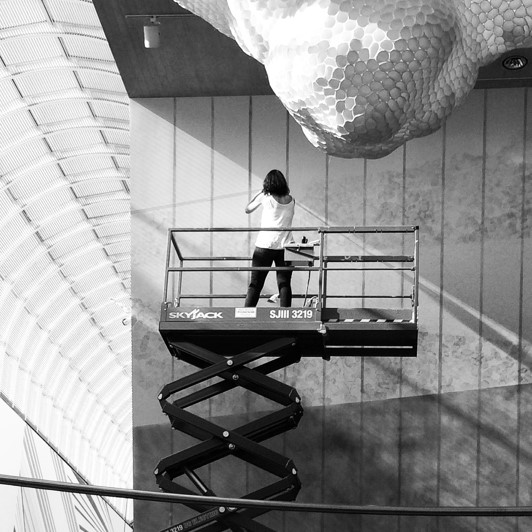
You can see my work in my website, www.danielarivera.com, of course it is not totally up to date but gives an introduction. I will be installing a piece in the lobby of the Davis Museum this fall and it will be up for a year. I am truly excited about this piece as it deals with the experience of immigration and the loss of the habitual, something I experience every day for the last fifteen years. Russell LaMontaigne is opening a new space in the South End and one of my pieces will be installed for their opening show later in the summer. In the fall of 2019 I will be having a solo show at the Fitchburg Museum of Art, I am also very excited about this opportunity. For now, these are the exhibitions that I know for sure are happening. I am working on some artists books that will be shown soon but this is still to be confirmed.
The best support for my work is of course visiting the exhibitions but also asking me questions. Feedback and questions are usually the fuel for going further and moving in new directions. Many times, in criticism and hard questions is where I have found the path to a new body of work or the solution to a problem in my practice.
Contact Info:
- Website: www.danielarivera.com
- Phone: 6176990642
- Email: drivera@wellesley.edu
- Instagram: driveraclerfeuille
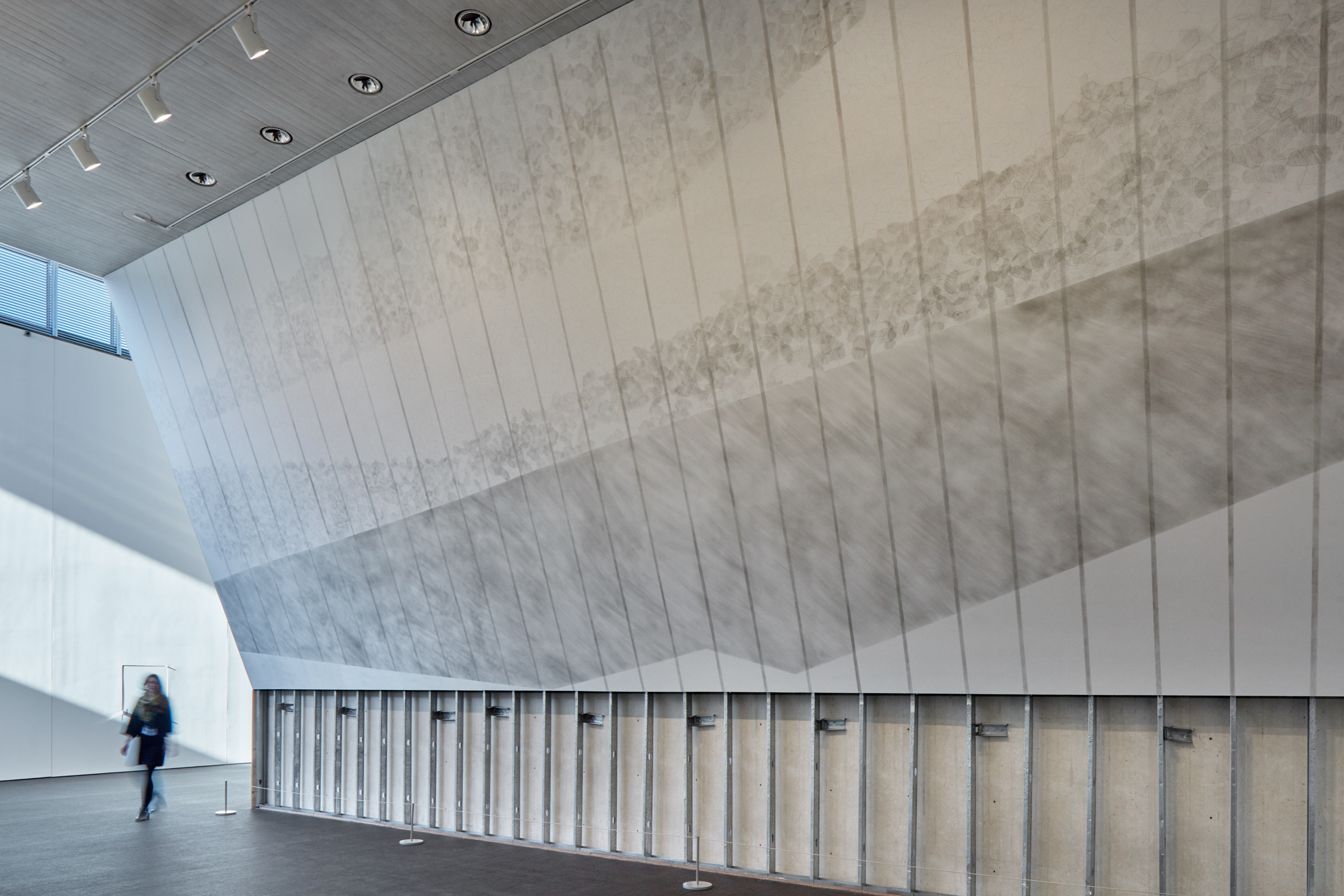
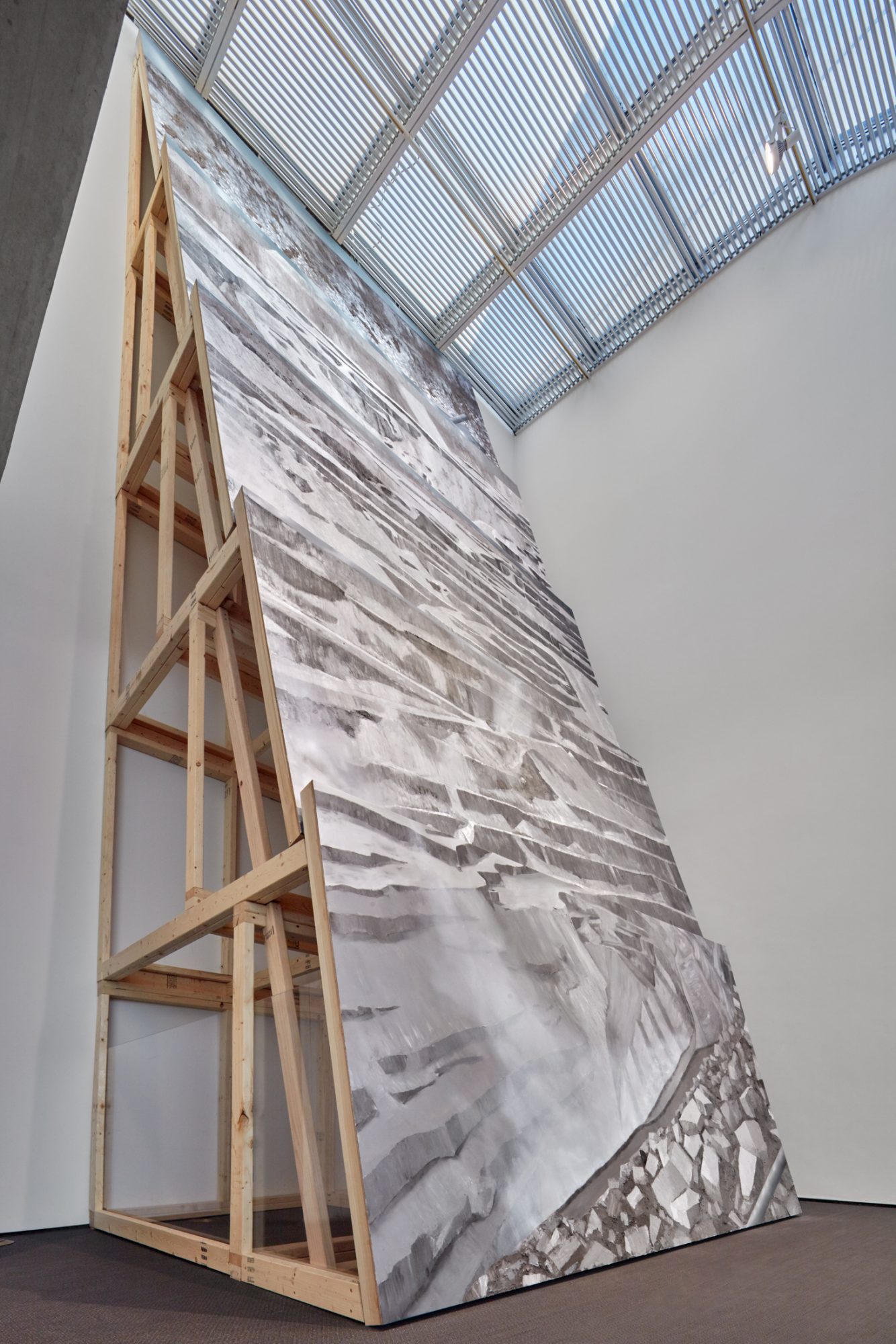
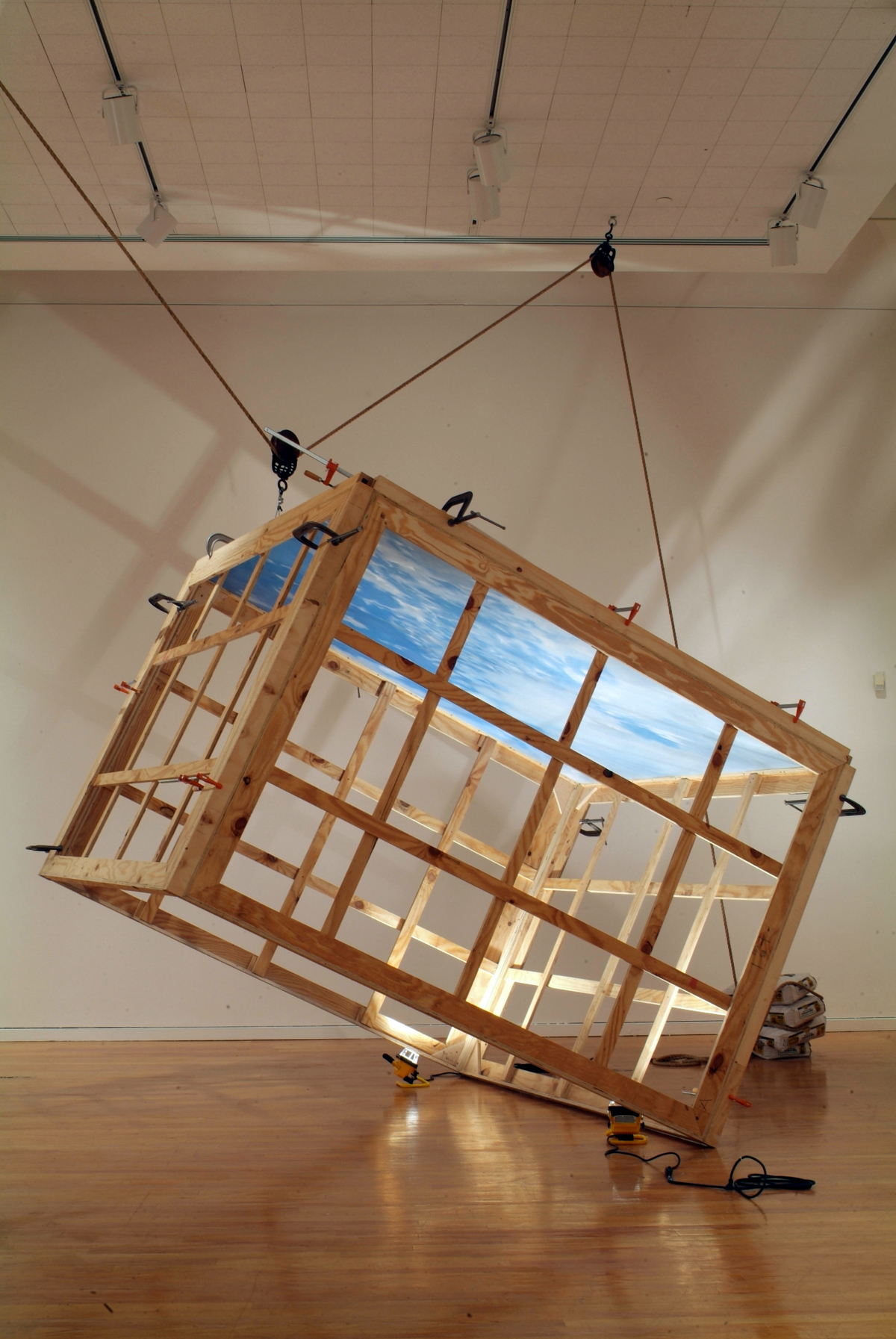
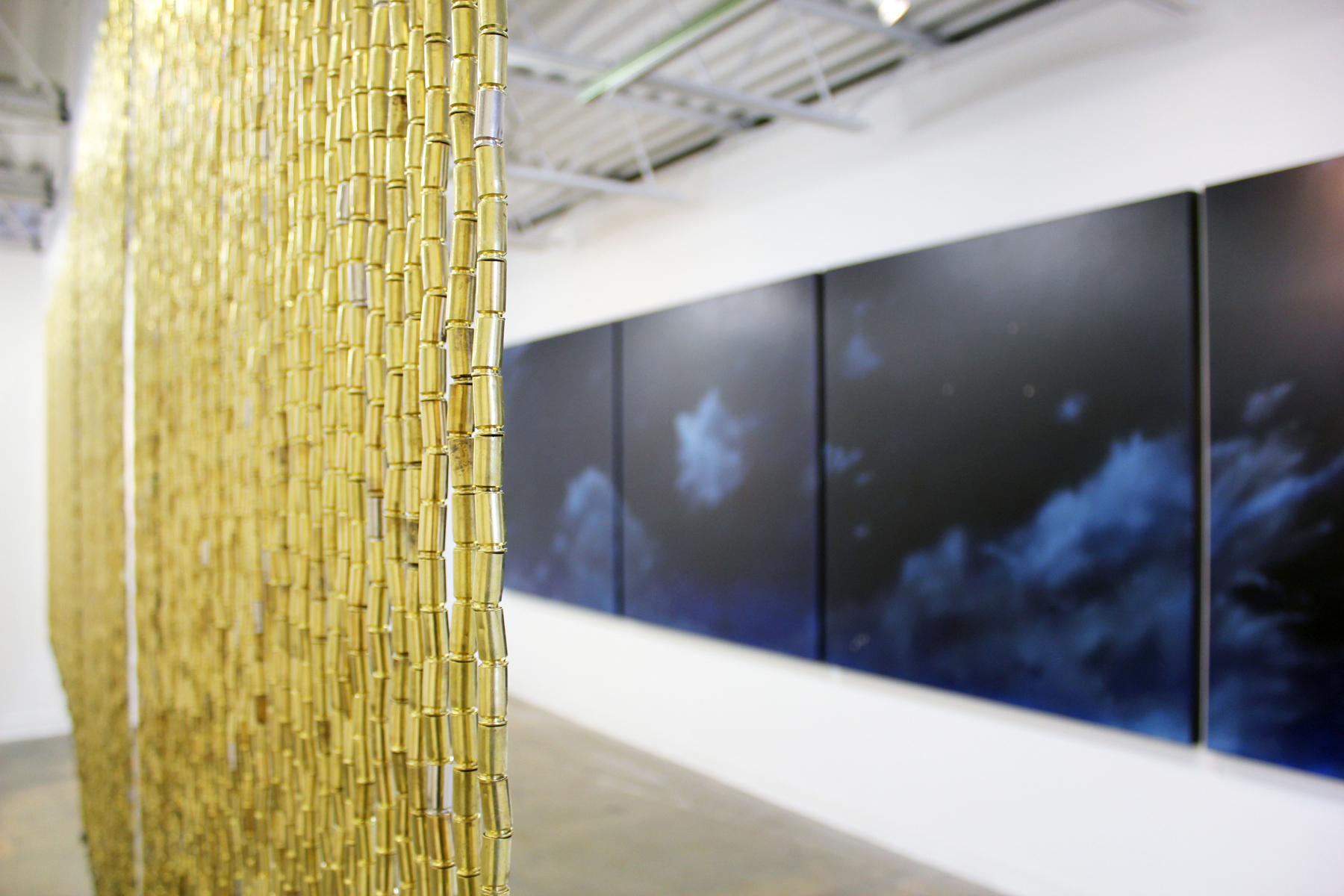
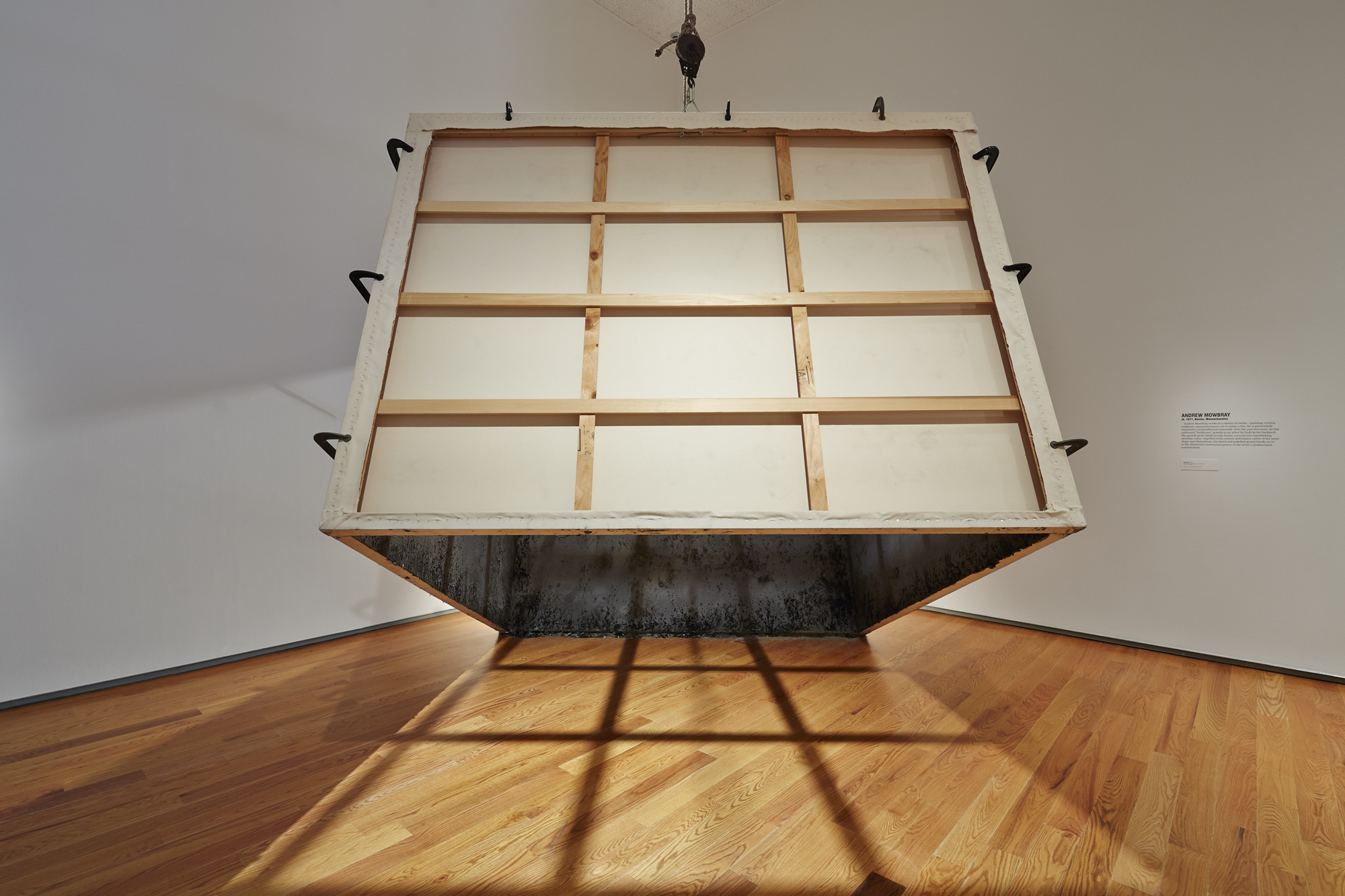
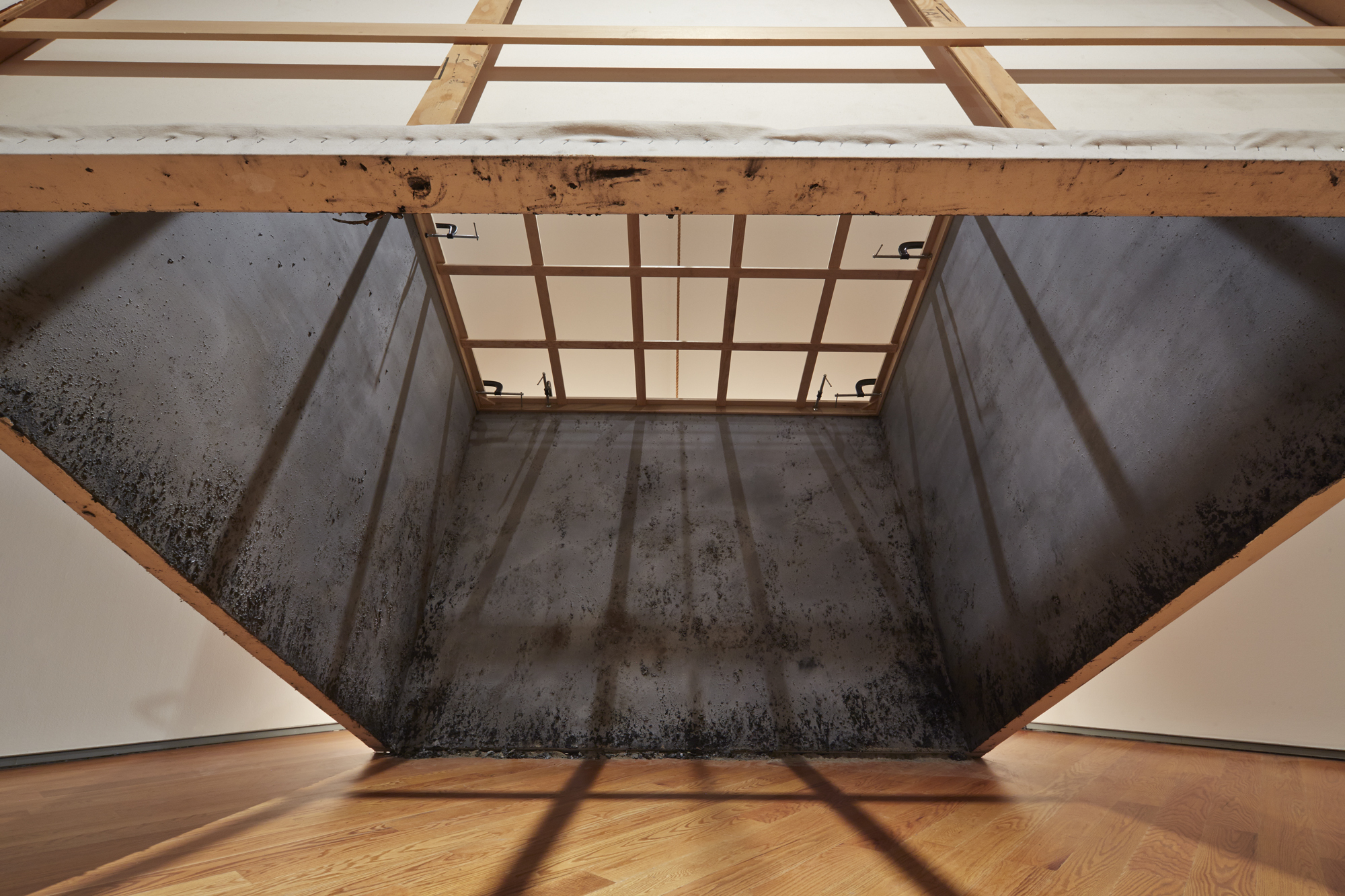
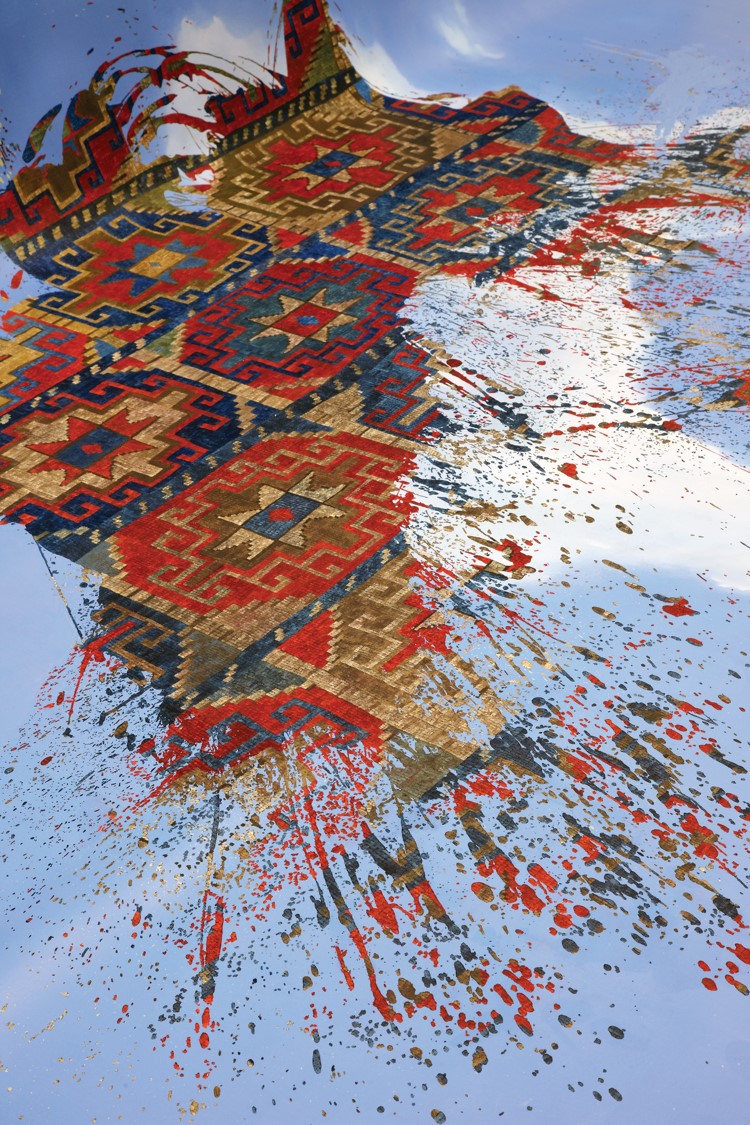
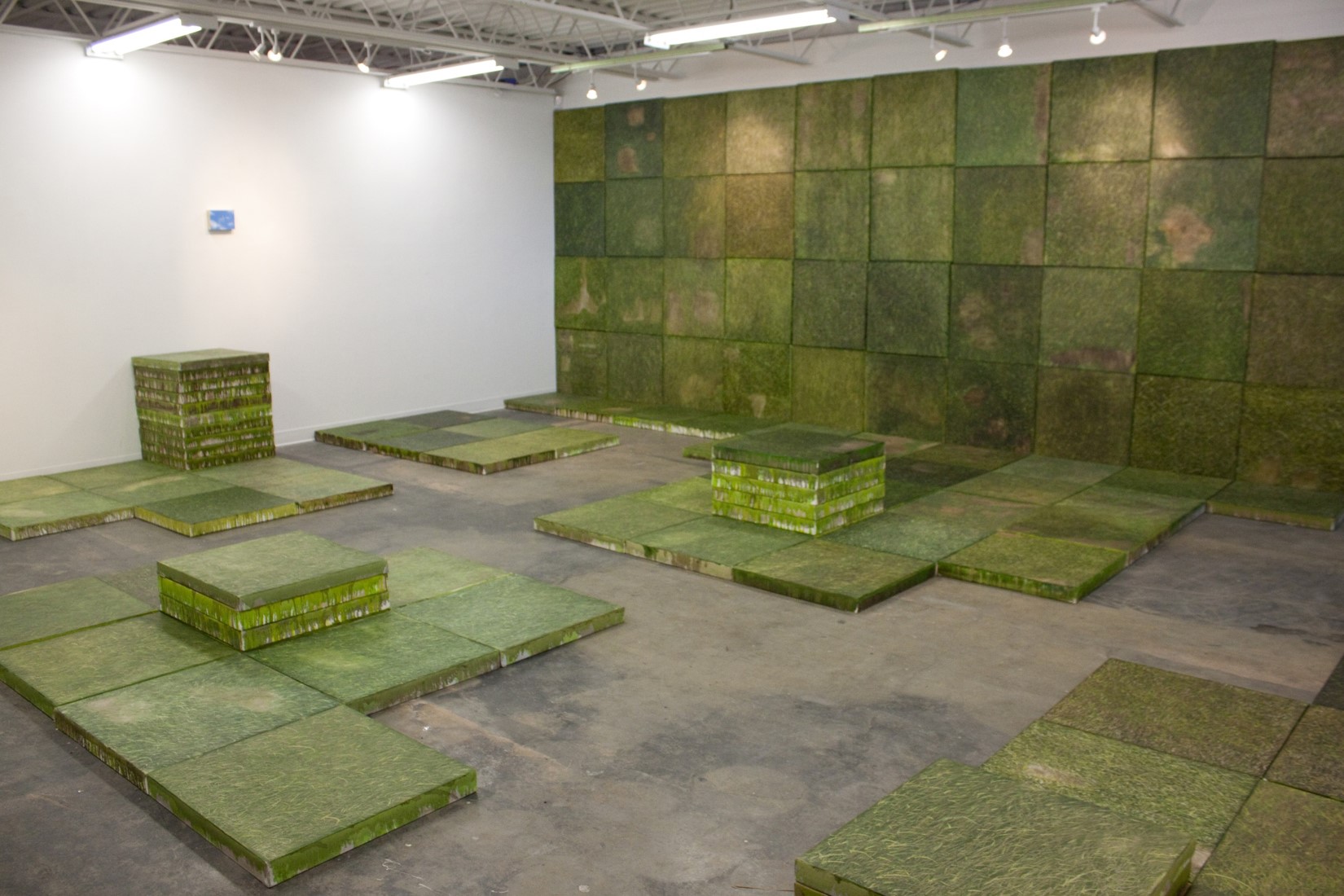 Image Credit:
Tilted Room
Shooting Skies
Tilted Heritage
Tilted Heritage
Growth
Accidental Memling Gul
Grey Copper
Andes Inverted
Getting in touch: BostonVoyager is built on recommendations from the community; it’s how we uncover hidden gems, so if you know someone who deserves recognition please let us know here.