

Today we’d like to introduce you to Eleanor Elektra.
Every artist has a unique story. Can you briefly walk us through yours?
I grew up in a musical family where I started out singing and learning piano. I picked up guitar as a kid and started experimenting, with family giving me pointers along the way. I remain a largely self-taught guitarist. I started writing songs around the age of 9 or maybe 10 and it became something I did religiously. I rarely shared my songs with anyone. When I moved from piano to guitar my voice adapted to the timbre and volume of my guitar by getting smaller, whistley high notes and gentler, more open low notes. I think I was interested in the melodies I could make with the guitar and intrigued by the moments when I wrote things that made me feel as if I was singing with another person.
I studied fine arts at The School of the Art Institute of Chicago briefly and then transferred to Berklee for a couple years, then I dropped out and dove head first into the starting-artist thing. I recorded an EP, then an album and started booking like mad. That’s where I’m at now.
Please tell us about your art.
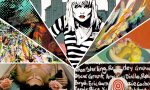
I’m a multimedia artist; I create music, and visual art–I also some collaborate work with an instillation artist this year. I am a songwriter. A lot of my songs challenge social constructs by observing the natural environment, which works in such a multitude of ways extending beyond the limits of the culture I know, that is, a version of western culture that increasingly becomes an amalgamation of itself combined with dimensions of the “global community” and the indigenous cultures that have lived and died and persevered in the USA.
Nature is wild and it does not care about people the way society does but it is also diverse and radical and does not conform to the rules of patriarchy, or white supremacy, or individualism or any of these traditions that are narrow and oppressive. I write about my experience with this country, toxic masculinity, alienation, love, the land and the creatures that live here. It is cathartic music that for me processes beauty, depression and desire. Much of my visual art explores the overlap or “manmade” verses “organic things” I look at the way these things often resemble each other, on the level of appearance, and how that speaks to origin of all material as ultimately coming from the same place. What the finitude of forms says about nature inside and outside of human bodies.
When I begin a song I usually start by free writing, drawing, studying images and things that interested me and relate to the music. I experiment with the guitar and often arrive at things by trial and error. Then it’s just a matter of tapering in. When I’m deep in the creative process I enter an altered state of mind. I want people to have a sensory experience with my music. I see the intellectual concepts that feed into my songs as places, fields full of questions and observations that I want folks to inhabit, coming away with something personal.
Given everything that is going on in the world today, do you think the role of artists has changed? How do local, national or international events and issues affect your art?
Globalization is changing the field of view for everybody. For artists, that impacts the way we interpret and world. It’s this crazy game of balancing the personal with the communal on numerous scales of togetherness–immediate locale, region, nation, globe. And those are just broad strokes that don’t really do justice to the many ways that we form groups these days. There are some things that this generation in particular is confronting; global warming, gun violence, the movement to decolonize, the movement to dismantle patriarchy, the shifting of global power, socioeconomic inequality that’s playing out on a world-wide scale, advancements in transportation and communication that’s allowing folks from war-torn and poverty-stricken areas to, as immigrants and refugees, flood the nations that colonized them, or those nations’ neighbors and allies.
Many of these phenomena tie in to globalization. My approach to this has been to hash out my connection to whatever it is I’m engaging with and then to write or make decisions from there. I find this work so complex that, as an artist, I avoid taking on characters when I’m creating. I never use the pronoun “I” to denote anyone but myself. As a woman artist, the #metoo movement has changed the way I do things. It has challenged me to make decisions in my professional life that push back against patriarchy and to more explicitly testify to the ways in which I’ve suffered within this system.
How or where can people see your work? How can people support your work?
I am performing at Club Passim on 8/6/18 as part of an international tour I will be on throughout August and September. Doors t 6;30! Folks can purchase tickets here: https://www.passim.org/live-music/events/eleanor-elektra-pinkie-promise-and-crispin-swank/. My visual artwork is up right now at the BCEC.
Contact Info:
- Website: https://eleanorelektra.wixsite.com/mysite
- Phone: (503)758-6398
- Email: eleanorelektra@gmail.com
- Instagram: @eleanorelektramusic
- Facebook: https://www.facebook.com/eleanorelektra/
- Other: https://eleanorelektra.bandcamp.com/
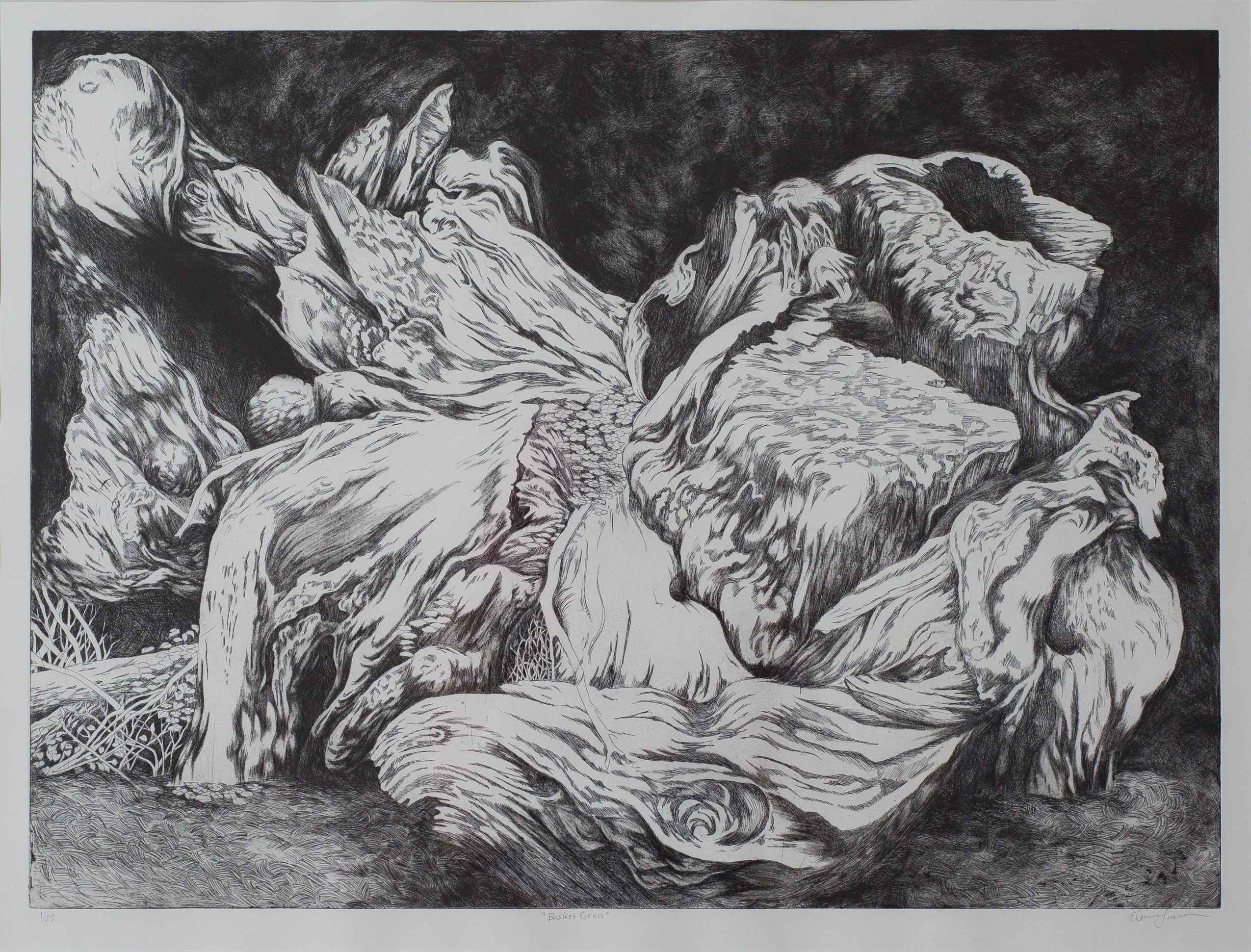
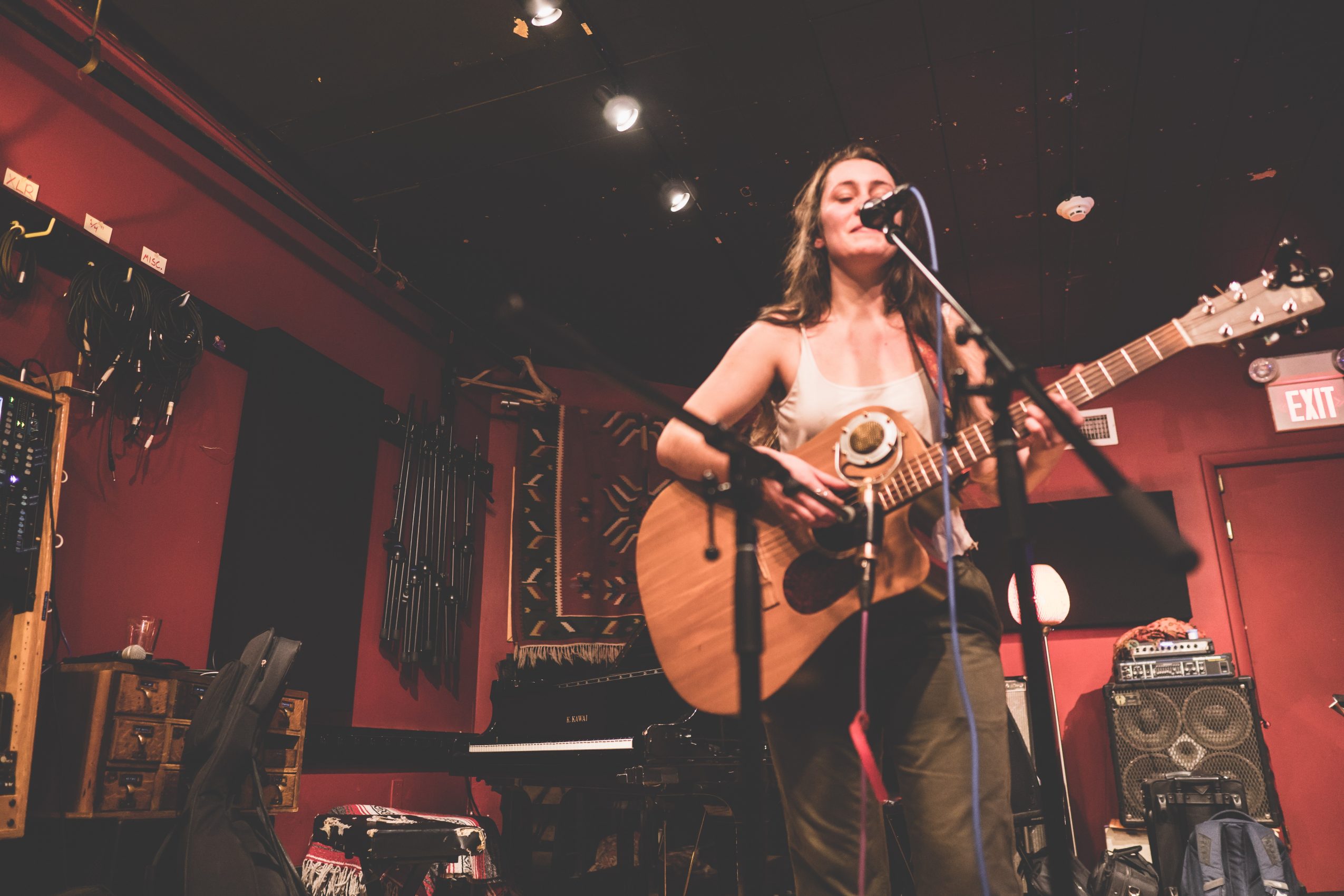
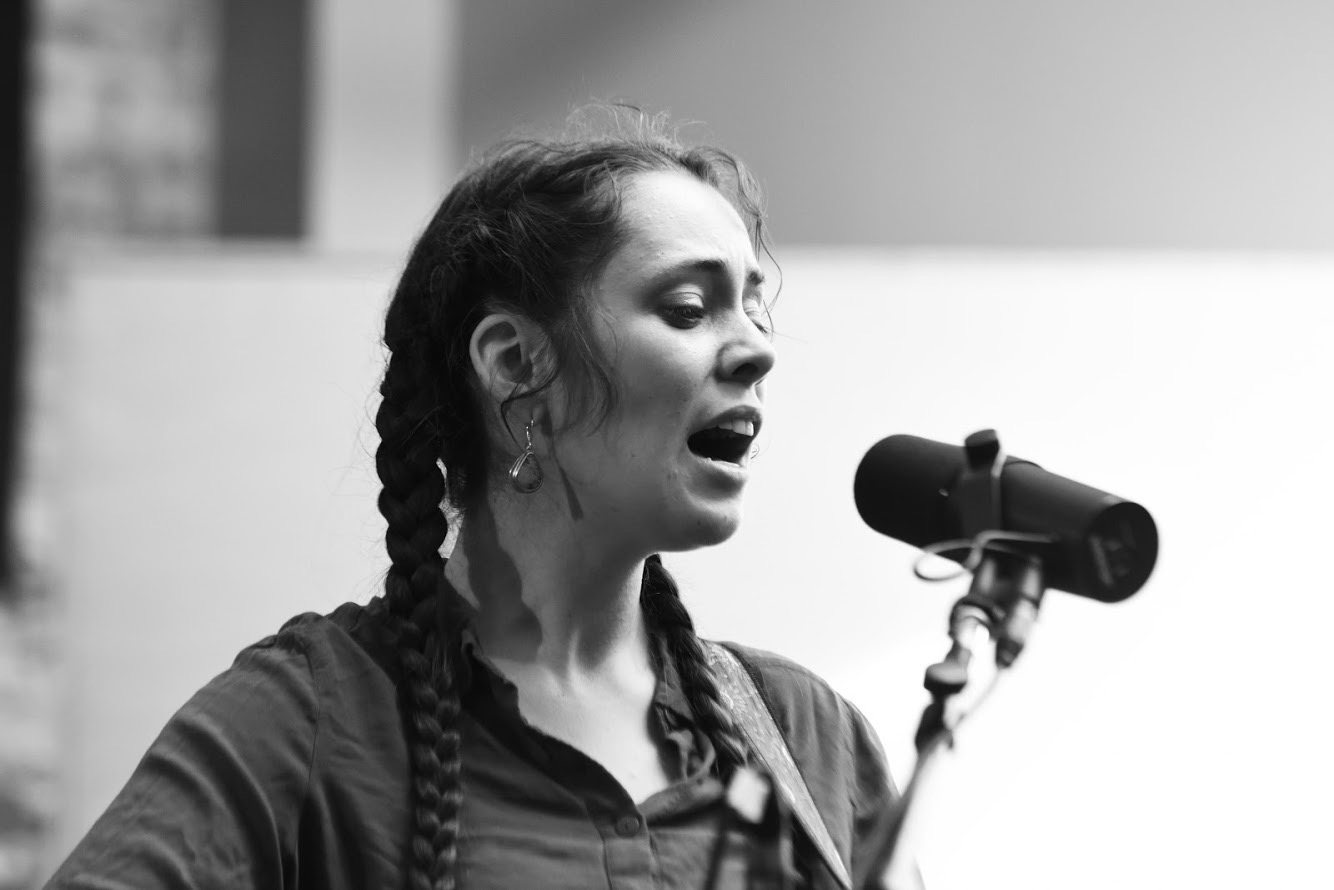
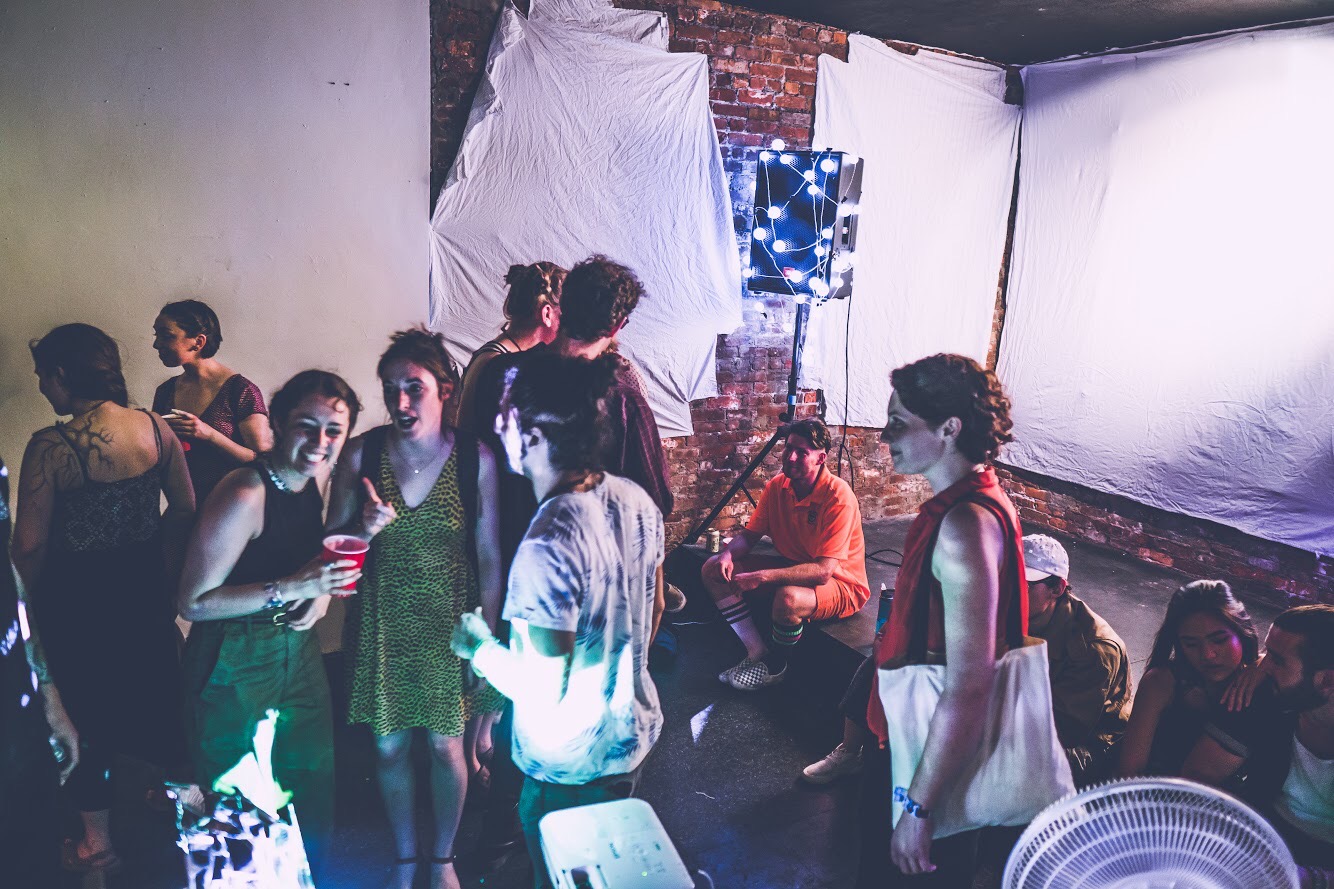
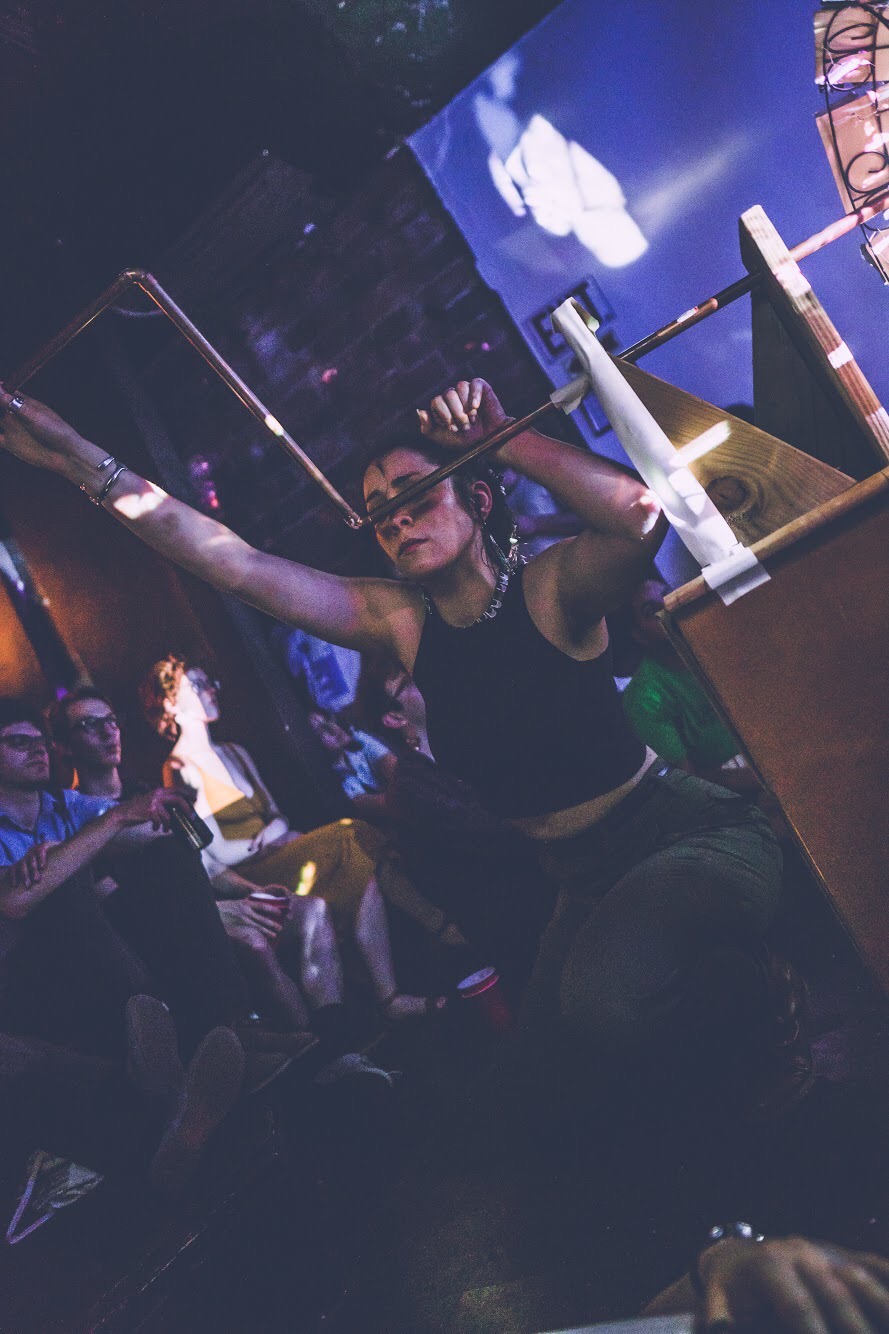 Image Credit:
Ally Schmaling. Brandon Johnson. Zosha Warpeha
Getting in touch: BostonVoyager is built on recommendations from the community; it’s how we uncover hidden gems, so if you know someone who deserves recognition please let us know here.