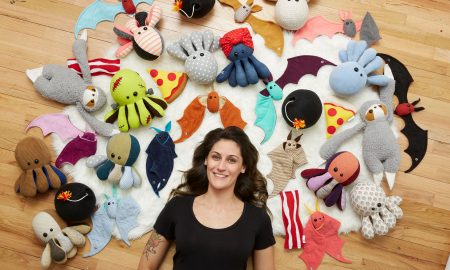



Today we’d like to introduce you to Hannah Verlin.
Hannah, we’d love to hear your story and how you got to where you are today both personally and as an artist.
Girl meets art and they live happily ever after. The End. No, maybe the story is not that simple. Growing up, I struggled with communication. I struggled with school. I struggled socially. For an intensely visual person, making art—not just appreciating it— saved me. With art, meaning was conveyed through image not speech. Art never demanded a single “right” answer. It gave me an identity that helped me navigate social interactions. Shallow reasons, perhaps, but by the time I had caught up with words, caught up with school, and even made a few friends, art had become a passion.
At 18 (or 19), I found myself at the School of the Museum of Fine Arts, a place full of experimentation and freedom. I could delve into the finer points of a ceramic process while creating multi-media performance works. The emphasis on concept over medium helped me find a path forward for my art after graduation when space, time, and funds were all limited.
My first professional projects were temporary public artworks supported by amazing groups like First Night and the Somerville Arts Council. These opportunities were unique in that they funded (however modestly) the creation of new work as well as provided a public venue. Working in public space pushed my work as well as forced me out of the studio, a vital but terrifying step for an introvert.
Along the way I worked as an artist assistant for incredible sculptors like Ellen Wetmore, Nancy Selvage, and Mags Harries, who have been invaluable mentors as well as friends. Similarly, in joining the Boston Sculptors Gallery in 2008 I not only had space to exhibit with full creative license, but also joined a supportive community of artists.
Art and creativity continue to change meaning for me. In the last few years, I’ve wandered outside the art world and into the world of tech startups. A very different place with very different challenges, but a place still full energy and creativity. These days I am working on ways to bring together these two experiences. The story of “Girl Meets Art” can’t end yet!
We’d love to hear more about your art. What do you do you do and why and what do you hope others will take away from your work?
Art (and life) are no fun sitting still. Over the years I’ve made sculptures that swarm, temporary public works activated with audience participation, crafted artist books, time-based installations, and even delicate drawings. Across mediums and through the years, however, two key elements tie the work together: history and process.
Let’s start with the process. Having always worked full-time (even when split across five jobs), I needed a trick to get me in the studio. Creating work had to be fun, even addictive. For me, this has usually meant small, repetitive tasks: the tactility of tearing tiny pieces of paper, the liquid scrape of pen and ink in transcribing historical texts, the rhythmic knotting of a thousand strings, the crisp pop of punching holes into paper, and so on. These processes scratch a particular itch that I think many of us know whether making fine art, knitting a hat, or chopping up vegetables. But this is not just self-gratification. The repetitive hand-worked process is also an essential aesthetic component.
That brings me to history. I am captivated with the story behind how we get to now, exploring the small moments and the multitude of individuals that were part of the grand sweep of history. What are the invisible scars that we have inherited? What is the baggage we carry without realizing it? How do you relate the “then” to the “now”?
Sometimes, this exploration involves transcribing historic texts, songs, or data into the art. The births and deaths of the first Boston settlers spill across pages like a sound wave or a heartbeat, each life a drama filled with sorrow and joy, but reduced to noise; the shipping manifests for 1837 listing the barrels of whale oil brought into New Bedford harbor become a bloody whale carcass; or the love letters of two poets displayed on a path navigate pedestrians through a courtship. Sometimes the words are legible. Sometimes they are texture, a story implied. Viewers have the choice of filling the work with their own narrative or diving into the details.
But there are limitations to words. How do you depict the number of people who died in the Americas as the result of contact with European disease? How do you convey the weight of all the bullets fired at the Battle of Verdun? How do you capture the layers of time that have buried old wounds? My current body of work is looking at different ways to answer these questions. Here the intense handmade quality of the art conveys an important sense of time, an accumulation of moments, as well as action.
Why? Whether creators, doers or just residents of a world rich with history, any discussion of the present demands a discussion of the past and we cannot discuss the future without considering both of these. Art can help shape the questions that get asked, which in turn shape the actions that we take.
What do you think it takes to be successful as an artist?
Success is a tricky beast.
1 – There is the euphoric moment of engaging your audience: when you see faces glow with emotion as people connect to the art; when the art opens up insightful conversations with strangers; when people find something new because of what you created.
2 – There is the self-satisfied feeling of accomplishment: when you see that you have made something beautiful, and meaningful; when the art conveys your message and even goes beyond what you originally intended.
3 – Lastly, there are the more concrete aspects of success: Acknowledgement from your peers; press coverage; connections for your next project; maybe there is even a little financial reward– even a token for you to feel that your effort is valued.
But there are also elements that can temper any feeling of success.
1 – Financial instability
2 – The elusive work-life-studio balance (or imbalance)
3 – Worst of all when the work doesn’t meet your expectations: the audience was not moved by your work; the work did not come out as beautiful or as meaningful as you had hoped; there was no press, no acknowledgments, no connections, no token financial acknowledgment.
In the end, “Success” – the thing that keeps you creating and showing – is a delicate balance of all these factors. I struggle with the meaning of success as I’m sure most creators do. The negative factors will always be there, but as long as the positive factors are present too we always come back for more, pushing ourselves to be better.
Do you have any events or exhibitions coming up? Where would one go to see more of your work? How can people support you and your artwork?
I am currently preparing for my most ambitious project to date: parenthood! Although in planning for this project I have cleared my exhibition calendar, I still remain active in the studio. For those eager to learn about what’s happening in the studio and what’s next for me please reach out through my website: hannahverlin.com.
Contact Info:
- Website: hannahverlin.com
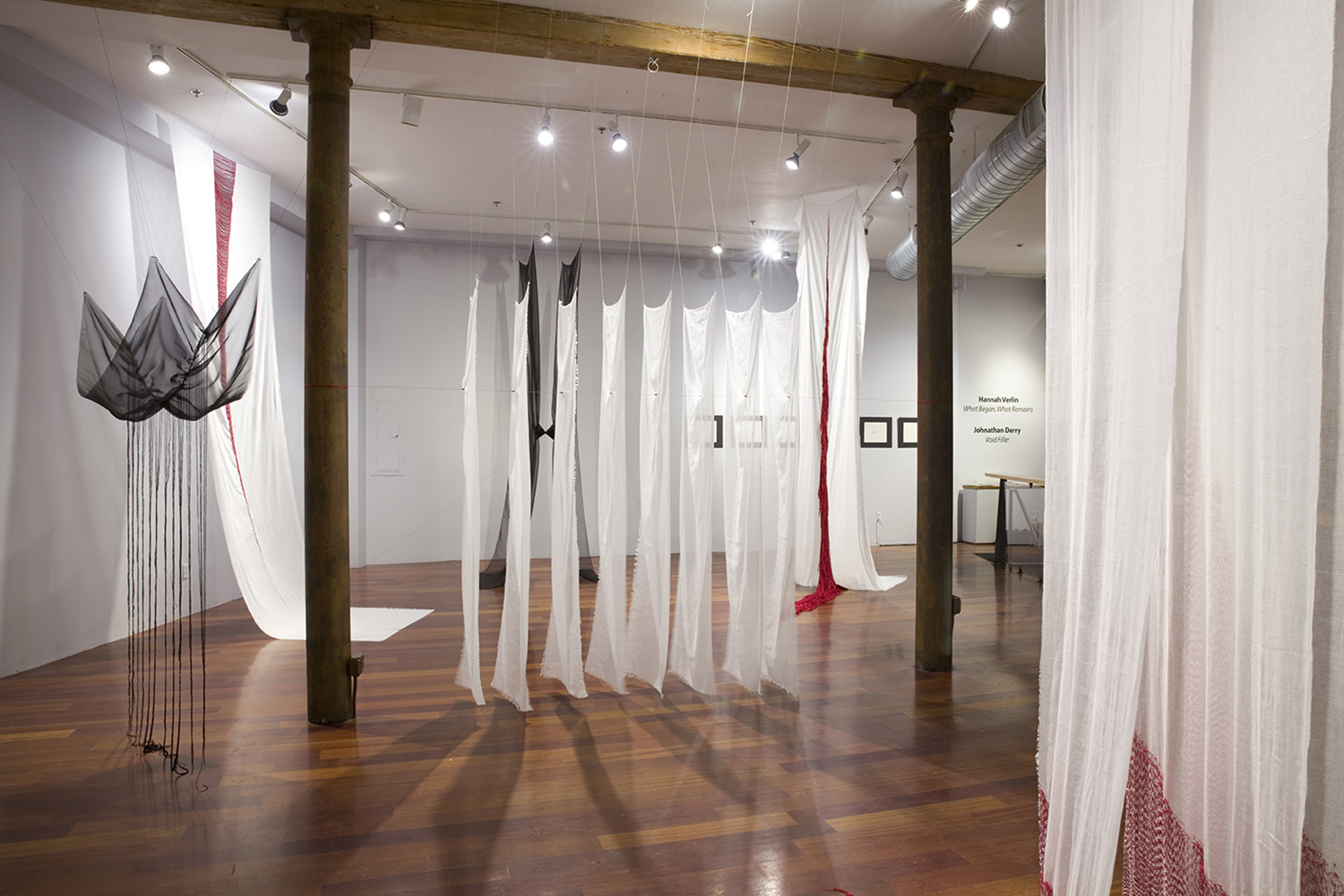
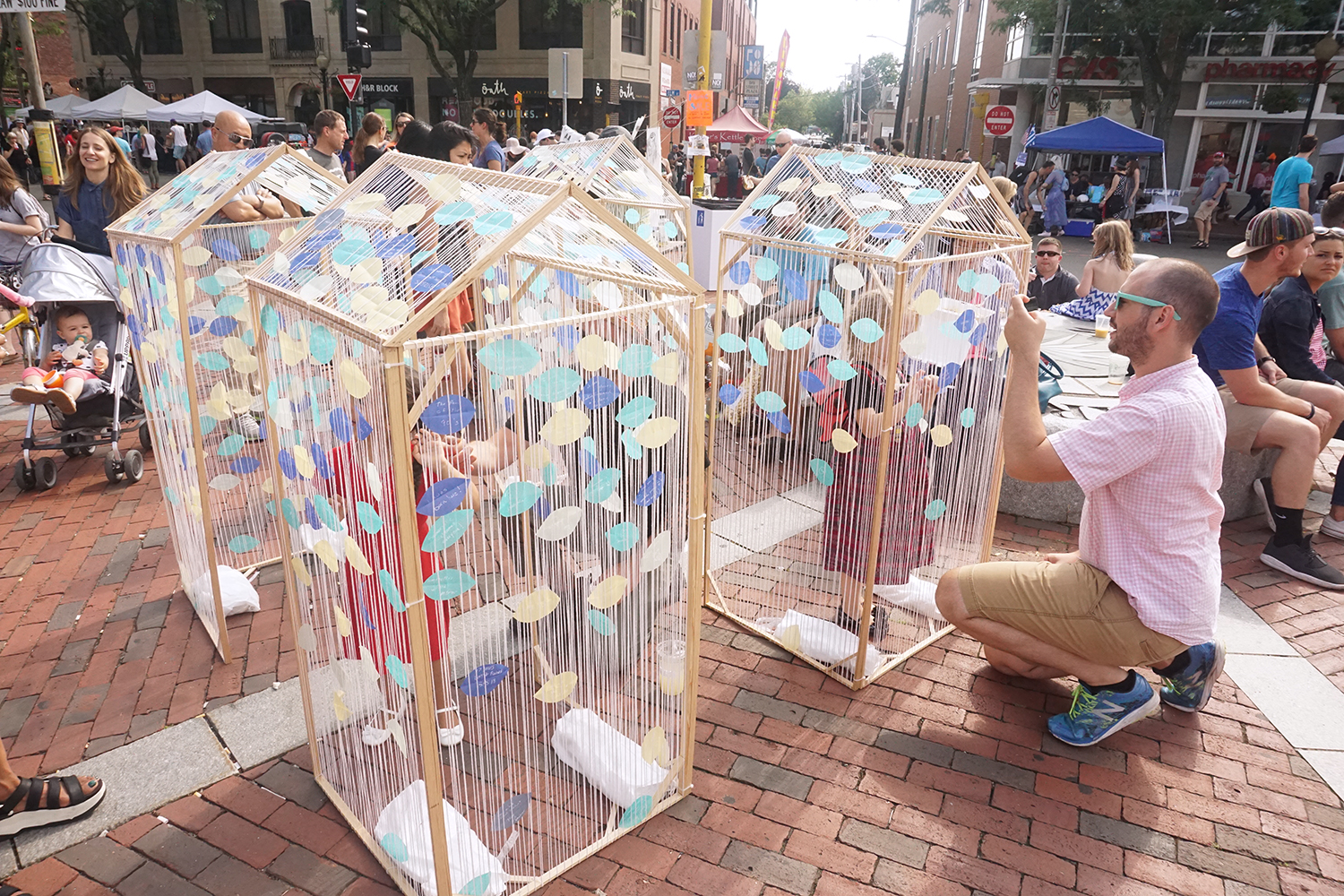
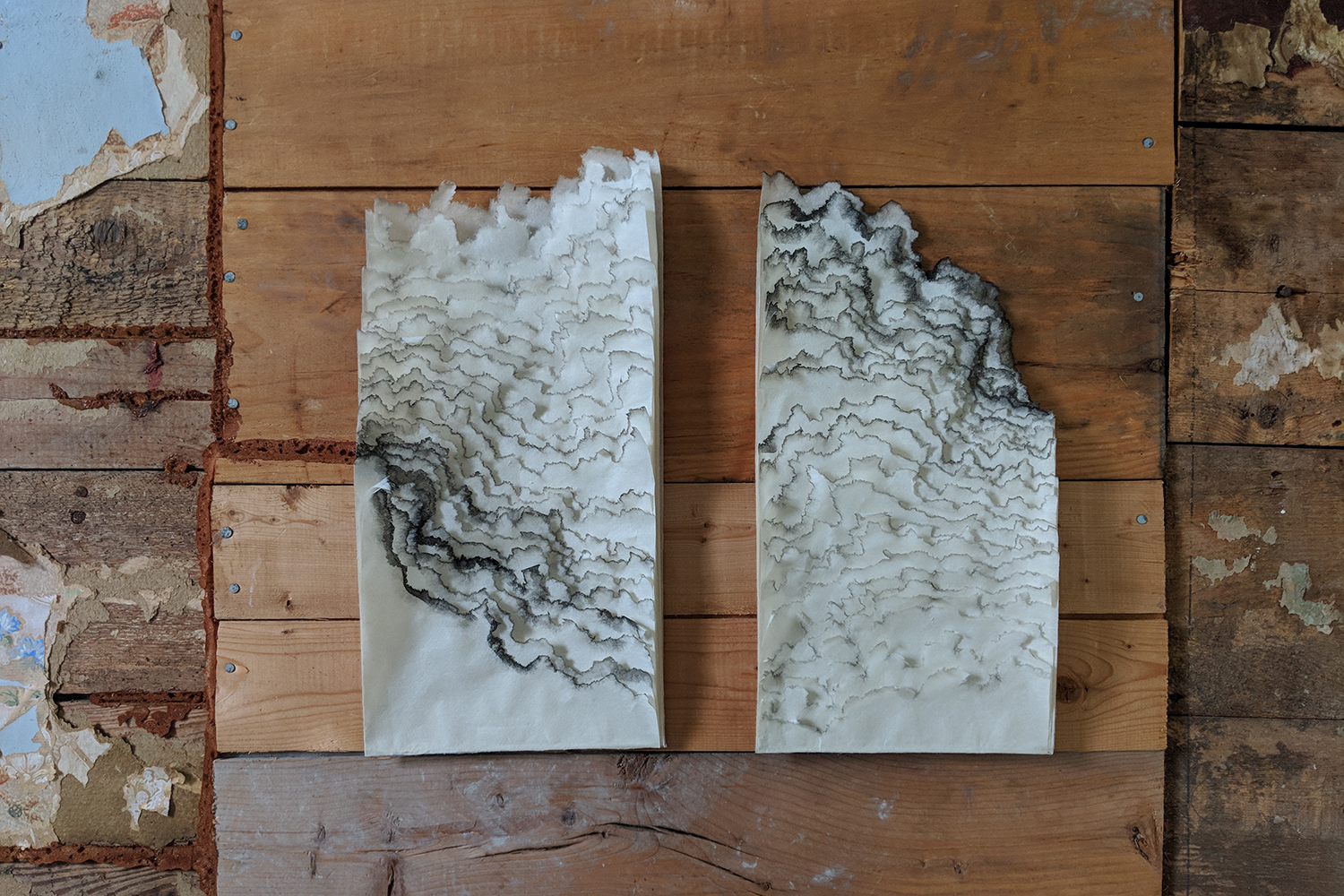
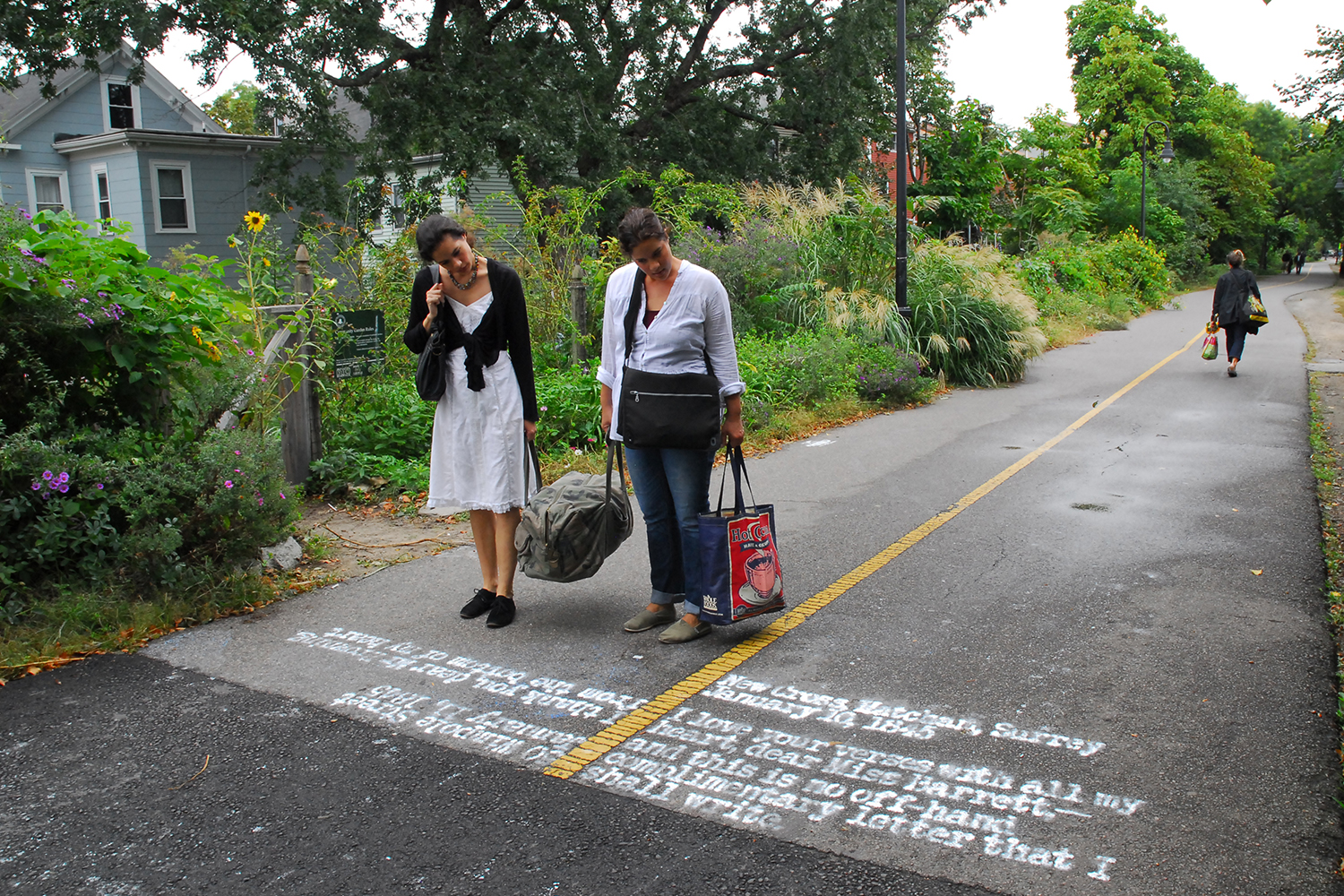
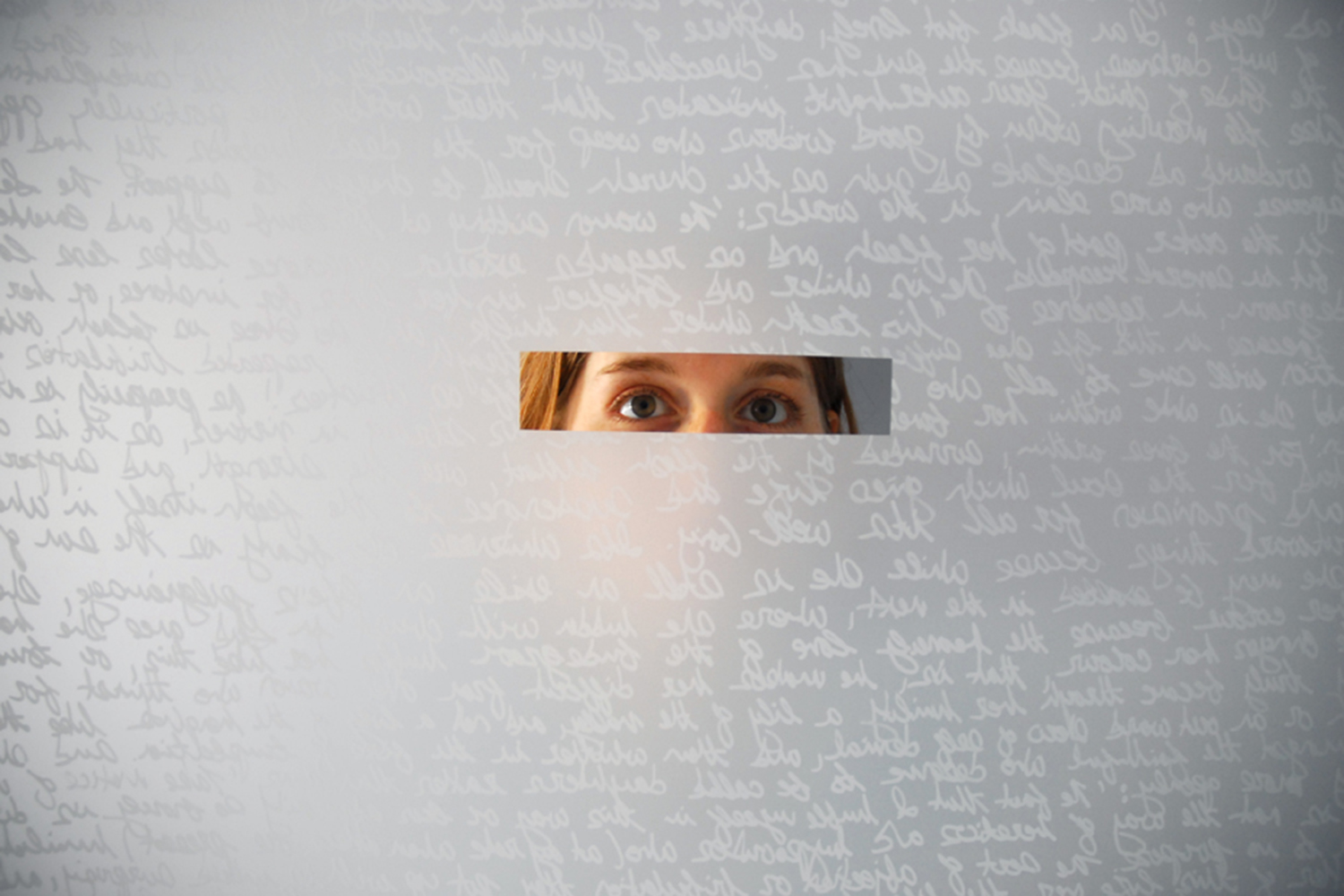
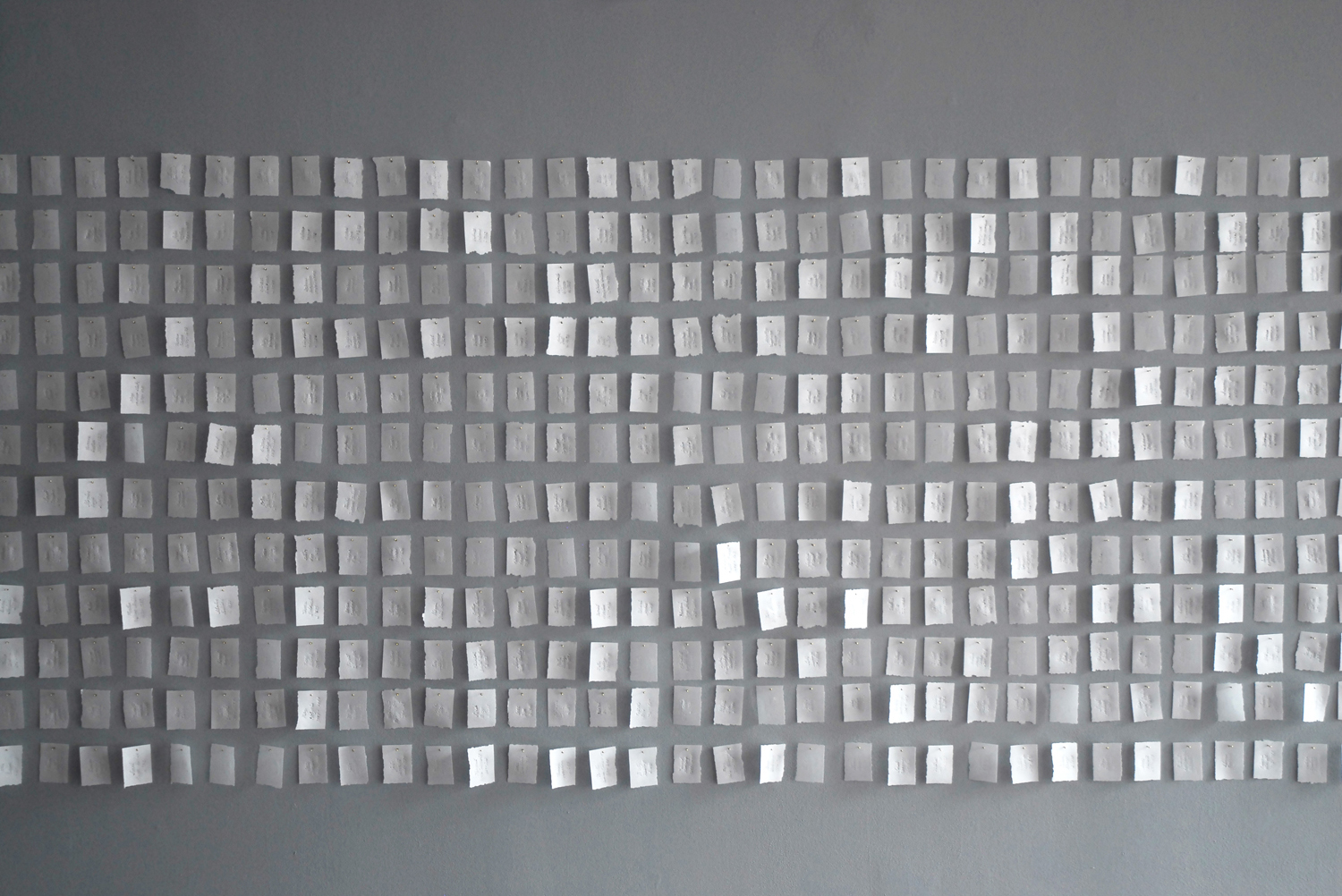
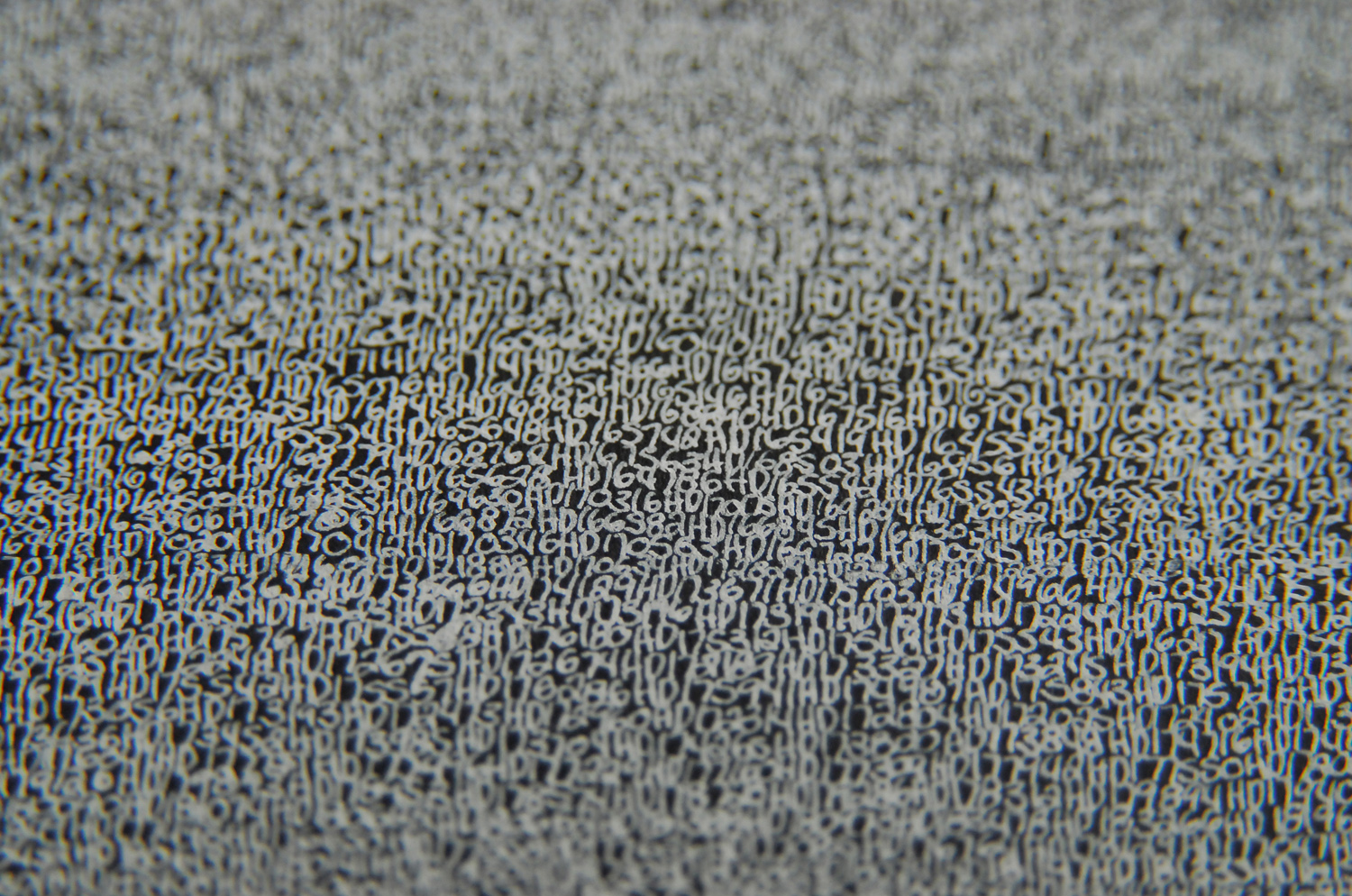
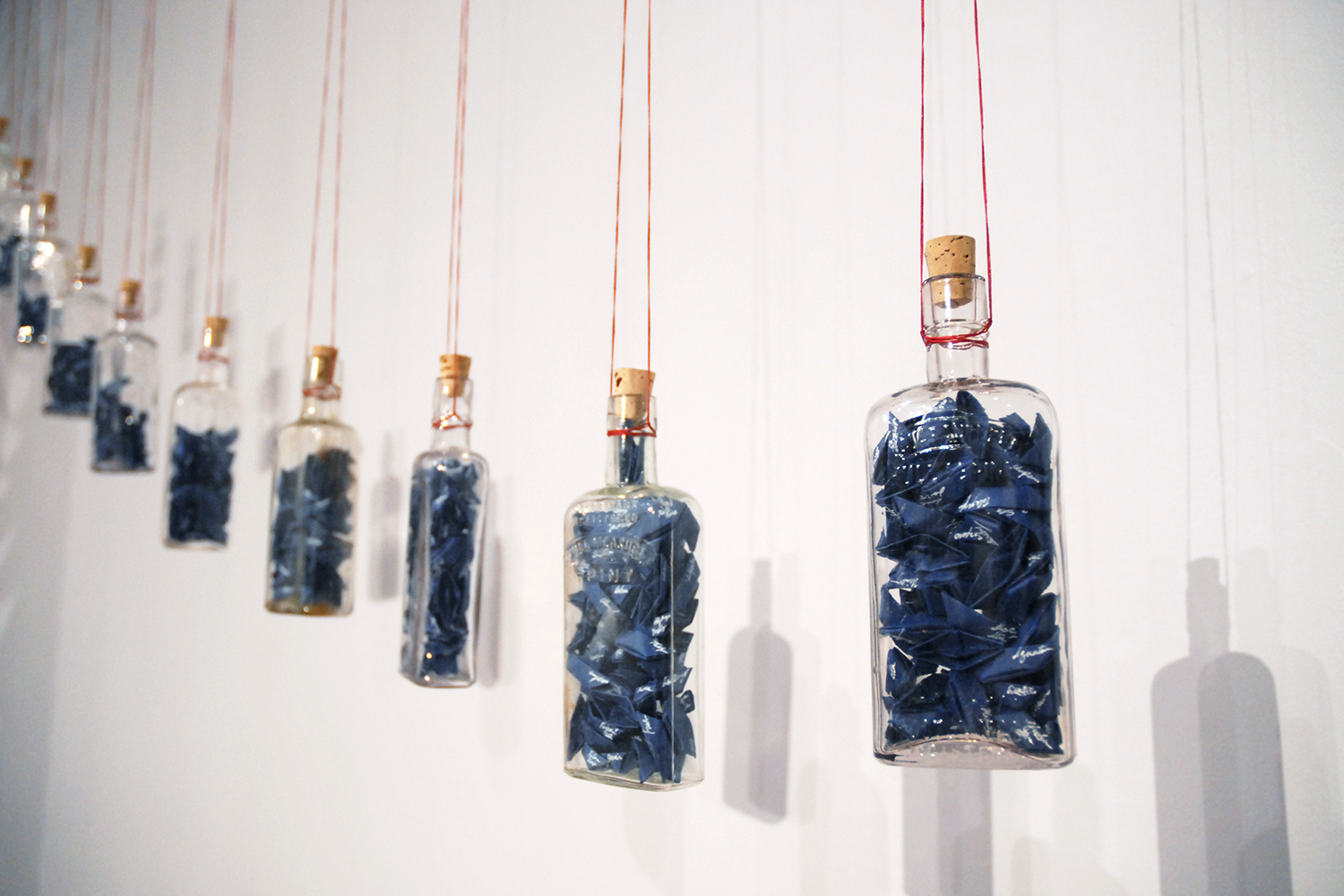
Image Credit:
Andy Pickering, Bill Kipp
Getting in touch: BostonVoyager is built on recommendations from the community; it’s how we uncover hidden gems, so if you know someone who deserves recognition please let us know here.